From Eve
Know before you go
Hi, I'm Eve. Here are a few practical things to know before exploring Frederiksberg Allé.
Local know-how to help you travel smarter and make the most of every moment.


Copenhagen’s historic royal boulevard, where linden trees, theatres and elegant facades lead from city bustle to the green calm of Frederiksberg Gardens.
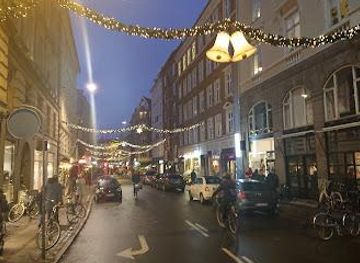
Frederiksberg Allé is Copenhagen’s classic tree-lined boulevard, stretching for just over a kilometre between lively Vesterbrogade and the grand entrance to Frederiksberg Gardens. Laid out in 1704 as a royal approach road to Frederiksberg Palace, it is now a refined avenue of linden trees, elegant townhouses, theatres, cafés and boutiques. The street blends baroque-era planning with a Parisian-style feel, making it ideal for slow promenades, people‑watching and linking the buzz of the city with the greenery of Frederiksberg.
Opening times, essentials, and a few local tips gathered into one calmer, easier-to-scan planning section.
Hi, I'm Eve. Here are a few practical things to know before exploring Frederiksberg Allé.
Local know-how to help you travel smarter and make the most of every moment.
Metro from central Copenhagen
From central Copenhagen, take metro line M3 on the City Circle Line to Frederiksberg Allé Station, which lies directly at the eastern end of the boulevard. The journey from major central hubs typically takes 5–10 minutes, with trains running every few minutes throughout most of the day. Standard single tickets for the inner zones are usually in the range of 20–30 DKK, and elevators and escalators make this option convenient for most mobility levels.
City bus within Frederiksberg and Vesterbro
Several city bus routes run along or close to Vesterbrogade and Frederiksberg, stopping within a short walk of Frederiksberg Allé. Travel times from nearby districts are generally 10–20 minutes, depending on traffic and distance. A single bus ticket within the central zones typically costs around 20–30 DKK, and buses run at frequent intervals during the day and evening, though late‑night services may be less frequent.
Cycling from inner Copenhagen
Copenhagen’s dedicated cycle lanes make reaching Frederiksberg Allé by bike straightforward from most central neighborhoods. Depending on where you start, expect a ride of about 10–25 minutes along mostly flat, well‑marked routes. You can use your own bike or rent a city bike; typical rental prices range from about 75–150 DKK per day, and this option is best for travelers comfortable riding in regular urban traffic.
Walking from nearby districts
If you are staying in Vesterbro or the inner part of Frederiksberg, walking to Frederiksberg Allé is a pleasant option. Stroll times from central Vesterbro are often 20–35 minutes on flat pavements, passing cafés, shops and side streets along the way. This route is generally accessible, though cobblestones and occasional uneven sections may require a bit more attention for visitors using wheelchairs or strollers.
 Restrooms
 Drink Options
 Drinking Water
 Food Options
 Seating Areas
 Sheltered Areas
 Trash Bins
 Information Boards
 Visitor Center
Catch the right light and the right mood, whether you want a bright city moment or a more cinematic evening visit.


Use Tower Bridge as your starting point for nearby food, family ideas, nightlife, and more local discoveries.
A quick look at seasonal patterns and peak visiting hours.

Explore expert travel guides, compare and book tours, experiences, hotels, and more—all from the palm of your hand. Download now for seamless trip planning wherever your wanderlust takes you.
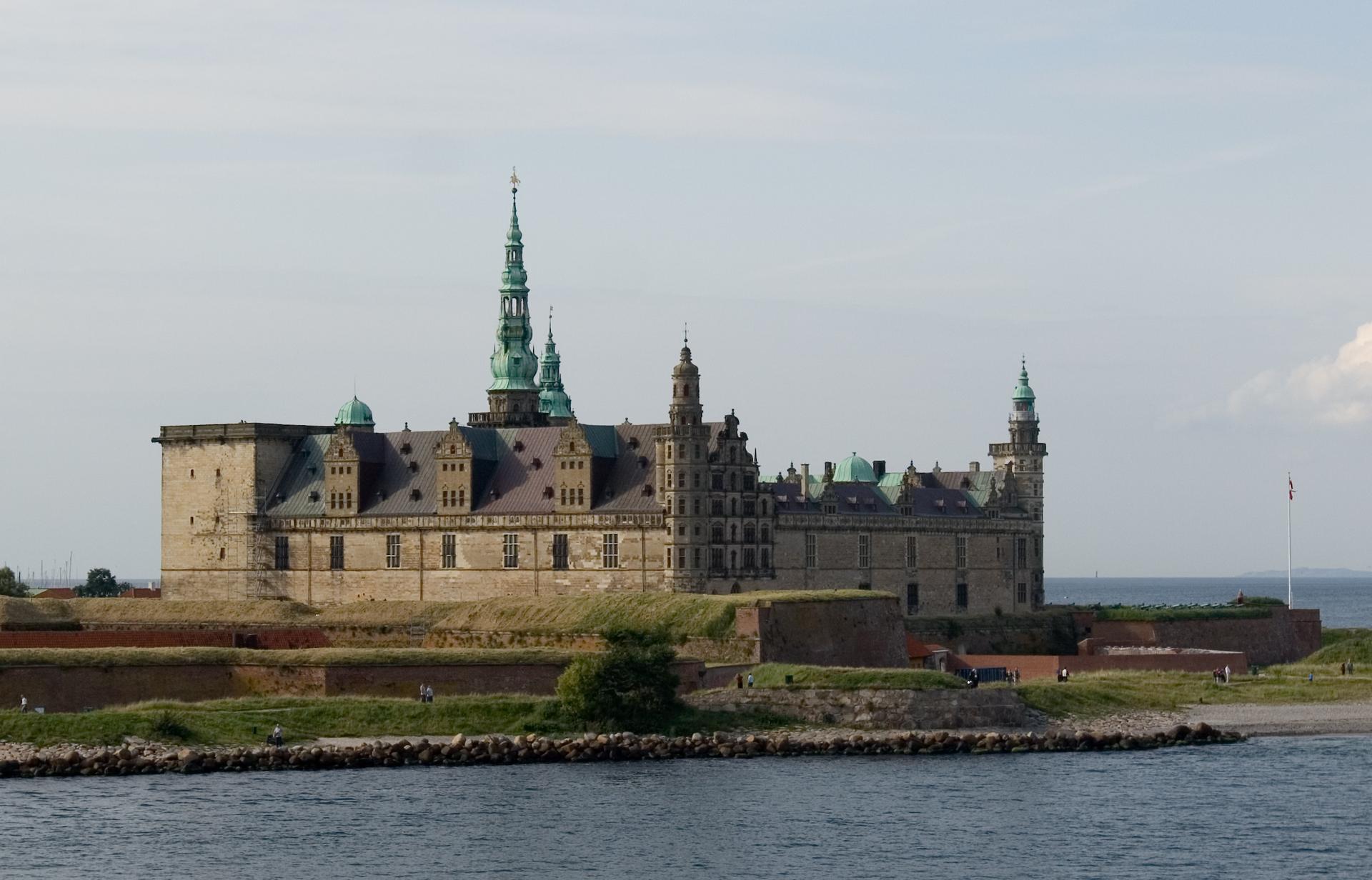
Discover Helsingør, Denmark's historic coastal city, home to Kronborg Castle and a vibrant cultural scene, offering a blend of history, scenic beauty, and local charm.
Tell me more about Helsingor