

Skjoldungestien, Koge Travel Guide
A gently rolling Danish hiking route weaving through ice-age hills, forests, lakes and fjord views in National Park Skjoldungernes Land near historic Lejre.
Skjoldungestien is a historic long‑distance hiking trail threading through the rolling landscapes around Lejre and Roskilde in Zealand. Winding roughly 40–50 km through National Park Skjoldungernes Land, it links forests, lakes, small rivers, meadows and fjord views shaped by the last Ice Age. Waymarked paths, train-accessible trailheads and a mix of easy and moderate sections make it an inviting Scandinavian nature escape close to Copenhagen.
A brief summary to Skjoldungestien
- Lejre, 4320, DK
- Duration: 2 to 10 hours
- Free
-
 Outdoor
- Mobile reception: 4 out of 5

Know before you go
Hi, I'm Eve. Here are a few practical things to know before exploring Skjoldungestien.
- Wear waterproof hiking boots with good grip; several stretches can be muddy or seasonally flooded, especially near streams and low-lying meadows.
- Carry sufficient water and snacks, as long sections of the trail have no cafés or shops and facilities cluster mainly in towns like Lejre and Roskilde.
- Check recent weather and local trail information before setting out; heavy rain can make some parts boggy and may require minor detours.
- Plan your stage around train stations such as Lejre, Roskilde or Hvalsø to simplify one-way hikes without needing a car shuttle.
- Bring a light windproof layer even in summer; open farmland and fjord-side stretches can feel breezy compared with sheltered forests.
Do you manage this location?
Take control to get all the benefits, like improved information, better appearance, and stronger visibility across AI-powered discovery. Learn more about listing your business on Evendo
Activate your presenceOther nearby places you may find interesting
The closest places of the same kind, if this one is not quite what you had in mind.
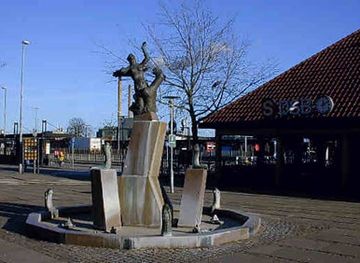
Explore Skjoldungestien on the Map
A handpicked selection of must-see spots near Skjoldungestien, mapped for you.
Unlock the Best of Skjoldungestien
Buy tickets
-
No tickets available
Book tours with entry
-
No tours available
Book tours without entry

Getting There
-
Train from Copenhagen to Lejre
From Copenhagen Central Station, regional trains towards Holbæk or Kalundborg stop at Lejre Station in about 35–45 minutes. Trains generally run at least twice per hour during the day, with reduced frequency in late evenings. A standard adult single ticket typically costs around 80–110 DKK depending on discounts and time of purchase. From Lejre Station, marked access paths connect you to sections of Skjoldungestien without requiring additional transport.
-
Regional train to Roskilde and local access
Roskilde Station is another convenient gateway to Skjoldungestien. Regional and intercity trains from Copenhagen take roughly 25–30 minutes, with frequent departures most of the day. A one-way adult ticket usually falls in the 60–90 DKK range. Once in Roskilde, you can walk 15–30 minutes through town to pick up the trail near green areas on the edge of the city, or combine a short local bus ride with a brief walk to reach more rural segments.
-
Car approach via Lejre area
Drivers can use Lejre and the surrounding villages as starting points for day hikes on Skjoldungestien. The area lies about 45–60 minutes from central Copenhagen by car in normal traffic. Parking is typically available at designated lay-bys, small forest lots or near trailheads on the edge of villages; some sites may have time limits or small fees, so always check local signage. There is no entrance fee for using the trail itself.
-
Cycling to a trailhead
Experienced cyclists can reach Skjoldungestien by bike from nearby towns such as Roskilde or Ringsted, using regional road cycling routes and quiet country roads. Expect 30–60 minutes of cycling, depending on your starting point and fitness. Bicycles can often be taken on regional trains for an additional fee of around 30–40 DKK, allowing a combined rail-and-bike approach to more remote trail access points.
For the on-the-go comforts that matter to you
-
 Restrooms
-
 Drinking Water
-
 Trash Bins
-
 Information Boards
-
 Picnic Areas
-
 Seating Areas
Discover more about Skjoldungestien
Ancient landscapes between Lejre and Roskilde
Skjoldungestien, or the Skjoldunge Trail, is a long-distance hiking route running through the gentle countryside of central Zealand, with Lejre as one of its natural gateways. Here the land rolls in low ridges and hollows carved by Ice Age glaciers, creating a pleasing patchwork of fields, pockets of forest, small lakes and marshes. The trail follows old paths and farm tracks, connecting villages, manor estates and stretches of untamed nature.The route forms a network of about 40–50 km of marked paths, with major sections between Roskilde, Lejre, Hvalsø, Gevninge and Osted. As you walk, the scenery shifts subtly: one moment you are in open agricultural land with wide, sky-filled views, the next you are enclosed by beech woodland or following a winding stream in a quiet valley. Despite its proximity to towns and transport, the trail often feels surprisingly secluded and rural.National Park Skjoldungernes Land and Viking echoes
Much of Skjoldungestien passes through National Park Skjoldungernes Land, an area designated to protect both natural habitats and a landscape layered with more than a thousand years of Danish history. Around Lejre, gentle hills conceal burial mounds, ancient fields and traces of settlements that have helped fuel legends of early Danish kings known as the Skjoldungerne, from whom the trail takes its name.Walking here is as much a cultural journey as a nature experience. Sections of the path lead near historic estates and viewpoints overlooking Roskilde Fjord, where medieval trade routes once converged. In places, the trail follows age-old rights-of-way and forgotten lanes between farms, giving a sense of how people have moved through this terrain for centuries. Interpretation along the route is limited, so much of the story is read directly from the shapes of the land and the silhouettes of churches on distant ridges.Forests, lakes and fjord-side tranquility
Skjoldungestien is particularly rewarding for its variety. Around Lejre you might wander through mixed woodland where sunlight filters through beech and oak, then descend to mirror-like forest lakes fringed with reeds. Further north and west, the route approaches Roskilde Fjord, where brackish waters, tidal meadows and bird-rich wetlands open up broad horizons.Marshy stretches and low meadows can become waterlogged in wet periods, adding a wilder feel to the journey. In drier weather you are likely to encounter butterflies over flower-rich verges, grazing cattle or sheep maintaining open grassland, and an occasional roe deer slipping quietly between trees. Seasonal changes are pronounced: spring brings fresh green foliage and birdsong; summer offers long, light evenings; autumn dresses the forests in ochre and copper tones.Practicalities on the trail
The trail is generally graded easy to moderate, with minimal elevation but occasional muddy, uneven or flooded sections. It is waymarked and designed to be walked in sections or as multi-day hikes, with several access points linked by local trains and buses around Lejre, Roskilde and Hvalsø. Many hikers choose a day stage of 15–25 km, while others opt for shorter out-and-back walks from convenient trailheads.Facilities directly on the route are limited, especially between towns, so hikers typically carry their own food and water and plan refuelling in villages or urban edges. In the wider national park there are designated simple camp areas and shelters that can be incorporated into longer itineraries, though these may require advance planning or reservations depending on the specific site. Good waterproof footwear is strongly recommended, particularly in shoulder seasons.When to go and who it suits
Skjoldungestien can be walked year-round, but conditions and character change significantly with the seasons. Late spring to early autumn usually offers the most comfortable combination of daylight, temperature and underfoot conditions, while winter and very wet periods can bring extensive mud and occasional impassable patches where streams or low sections overflow.The trail suits reasonably fit walkers looking for a nature-focused outing rather than a technical challenge. Families with older children, solo hikers and couples often enjoy tackling individual sections, using public transport to link start and end points. For visitors based in Copenhagen, it makes an appealing day trip or weekend micro-adventure into a landscape that blends quiet Danish countryside, subtle wildness and deep historical roots.












Your all‑in‑one travel companion app
Explore expert travel guides, compare and book tours, experiences, hotels, and more—all from the palm of your hand. Download now for seamless trip planning wherever your wanderlust takes you.


Explore More of Koge
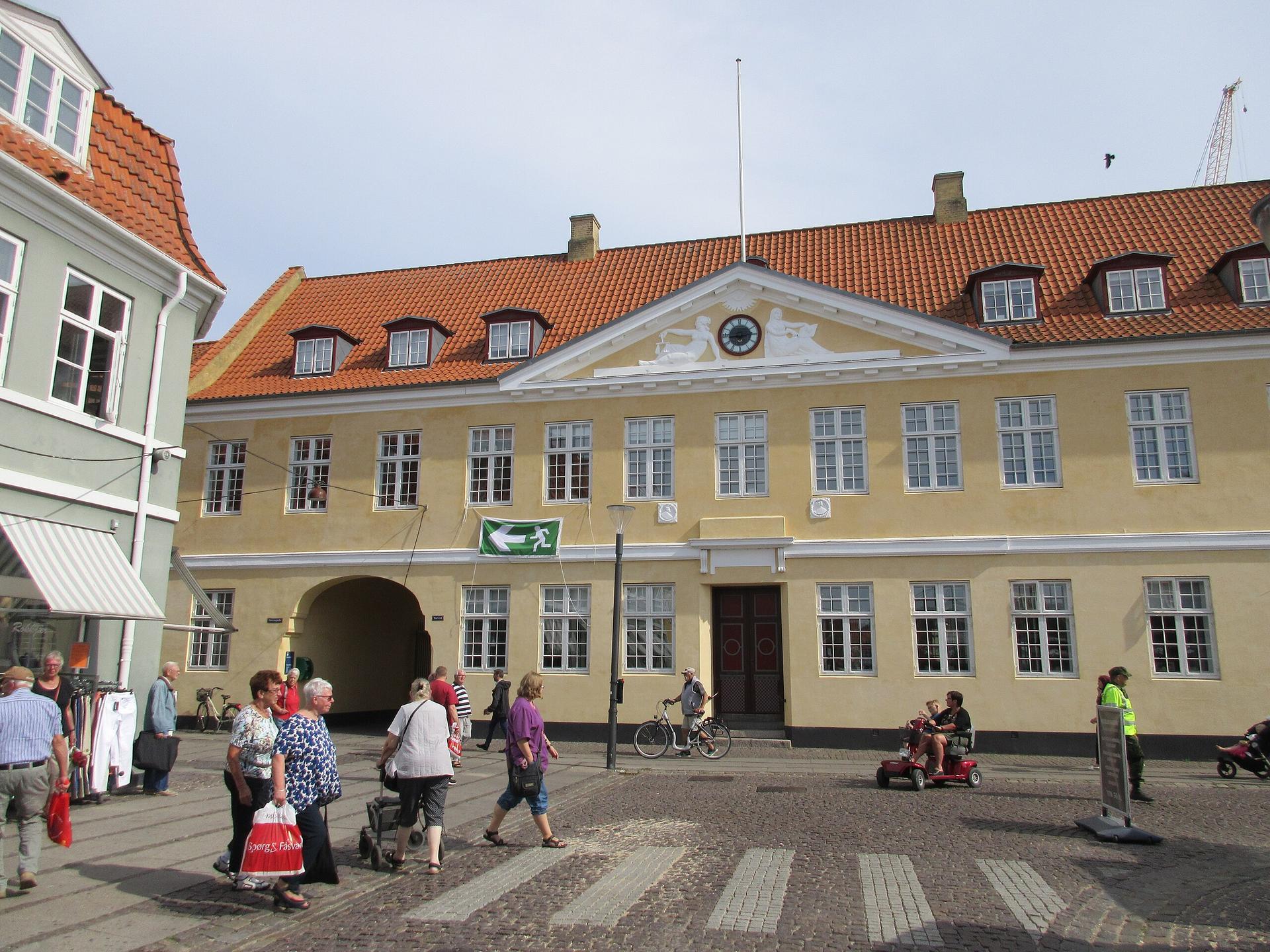
Looking beyond Skjoldungestien? Discover Koge for broader travel guides, local hot-spots, and regional highlights.
Explore Koge
A modest timber wellhouse over Roskilde’s most powerful spring, where centuries of mills, spas and industry once turned the steady flow of water into the city’s lifeblood.

A historic Danish hiking trail weaving between Roskilde Fjord, forests and ancient Lejre landscapes, offering tranquil day walks and rewarding multi-day adventures.
