
Lejre Land of Legends (Sagnlandet Lejre)
Step into 13,000 years of Danish history at an immersive open‑air archaeology park of Viking halls, ancient villages, wild landscapes and hands‑on experiments.
Set among rolling hills near Lejre, **Land of Legends** is Denmark’s leading open‑air archaeology park, where 13,000 years of history are brought vividly to life. Wander reconstructed Stone Age camps, Iron Age farms, a Viking marketplace and Denmark’s largest reconstructed Viking royal hall, all based on serious experimental archaeology. Families can paddle dugout canoes, grind grain, shoot bows and meet costumed craftspeople, surrounded by lakes, fields and grazing ancient livestock breeds.
A brief summary to Land of Legends | A Land to Explore
- Slangealleen 2, Lejre, 4320, DK
- +4546480878
- Visit website
- Duration: 3.5 to 7 hours
- Mid ranged
-
 Outdoor
- Mobile reception: 4 out of 5
- Monday 10 am-5 pm
- Tuesday 10 am-5 pm
- Wednesday 10 am-5 pm
- Thursday 10 am-5 pm
- Friday 10 am-5 pm
- Saturday 10 am-5 pm
- Sunday 10 am-5 pm
Local tips
- Allow at least half a day; with children or in high season, plan a full day to explore multiple eras, join activities and take breaks in the café or picnic areas.
- Wear sturdy shoes and layered clothing; paths can be uneven, and you will spend most of your time outdoors in changeable Danish weather.
- Check the official seasonal program in advance, as special demonstrations, storytelling and workshops are typically scheduled on specific days and times.
- If visiting with a stroller or wheelchair, prioritise the Wild Road boardwalk and Viking Hall area, which have the smoothest access and good viewpoints.
- Bring a refillable water bottle and snacks if you plan to roam far from the entrance, where most amenities are concentrated.

For the on-the-go comforts that matter to you
- Restrooms
- Drink Options
- Drinking Water
- Food Options
- Seating Areas
- Sheltered Areas
- Picnic Areas
- Trash Bins
- Information Boards
- Visitor Center
Getting There
-
Train and bus from Copenhagen
From Copenhagen Central Station, take a regional train towards Lejre; the journey typically takes around 35–40 minutes. From Lejre station, board local bus 233 towards Sagnlandet Lejre, which usually runs at least once an hour in the main season and takes about 10–15 minutes. A combined return ticket for train and bus within Greater Copenhagen and Region Zealand is commonly in the range of 120–180 DKK per adult, depending on discounts and time of day.
-
Regional train and walking from Roskilde
If you are staying in Roskilde, take a regional train one or two stops to Lejre, which normally takes 5–8 minutes. From Lejre station, you can either use bus 233 when it is running or walk through the countryside; the walk is roughly 4 km and takes about 45–60 minutes on gently undulating paved and gravel paths. A standard return train ticket between Roskilde and Lejre is typically in the range of 40–60 DKK per adult.
-
Self-drive from Copenhagen or Roskilde
Driving from central Copenhagen to Lejre Land of Legends usually takes 45–60 minutes via the main motorways, depending on traffic, while the drive from Roskilde tends to take about 10–15 minutes. There is a large outdoor car park directly by the entrance, generally without prior reservation. Expect to pay in the range of 30–60 DKK for several hours of parking, with charges varying by season and any local arrangements.
Land of Legends | A Land to Explore location weather suitability
-
 Clear Skies
-
 Mild Temperatures
-
 Any Weather
-
 Cold Weather
-
 Hot Weather
-
 Windy Conditions
-
 Rain / Wet Weather
Discover more about Land of Legends | A Land to Explore
Time travel in the Danish countryside
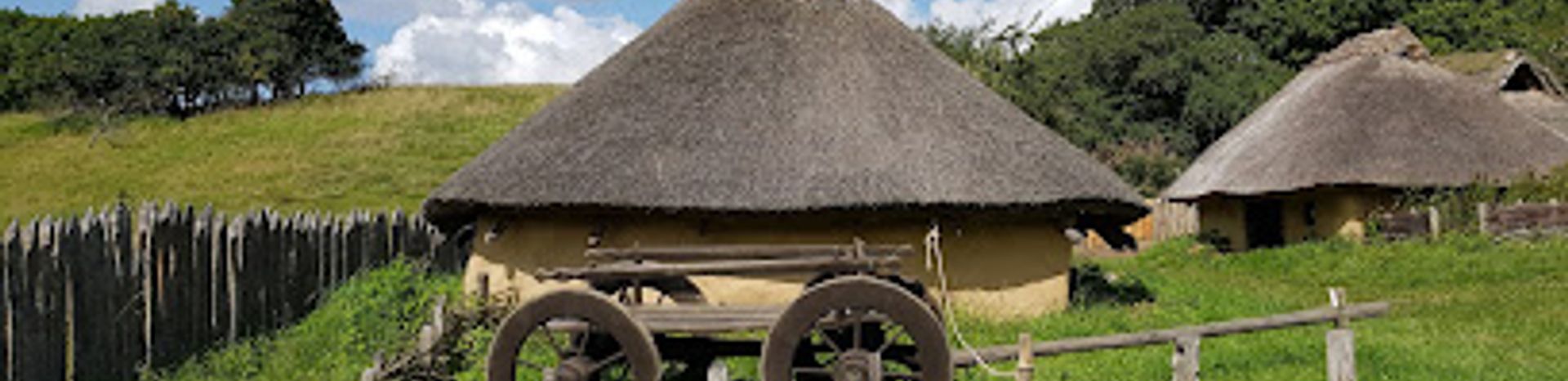
Lejre Land of Legends spreads across more than forty hectares of meadows, lakes and low wooded hills, just outside the town of Lejre on Zealand. Here, archaeologists and craftspeople have rebuilt entire environments from different eras of Danish prehistory and early history, using evidence from excavations and experimental archaeology. You do not just look at objects in glass cases; you walk through lived‑in landscapes where smoke rises from hearths and sheep graze on ridges shaped by the Ice Age. Paths lead you between distinct zones: a Stone Age lakeshore camp, an Iron Age village with fields and sacrificial bog, a Viking trading area and a 19th‑century farmstead. Each corner feels like stepping through a different portal in time, tied together by the surrounding glacial scenery.From Stone Age firesides to Iron Age bogs
In the Stone Age area, low shelters of timber and hide cluster near the water’s edge. Here you can watch flint tools being shaped, learn how people fished the nearby lakes and imagine long winter nights around the fire. The smell of smoke and pine needles, the rough feel of bark and stone, and the quiet lapping of the lake make this part of the park particularly atmospheric. Further on, the Iron Age village presents longhouses, byres and fenced fields under a broad Scandinavian sky. A reconstructed sacrificial bog hints at the ritual side of life two thousand years ago, when weapons, animals and sometimes people were offered to the powers hidden in the wetlands. Period gardens, grain plots and animal enclosures show how tightly everyday life was woven into the surrounding landscape.Viking royal hall and legendary kings
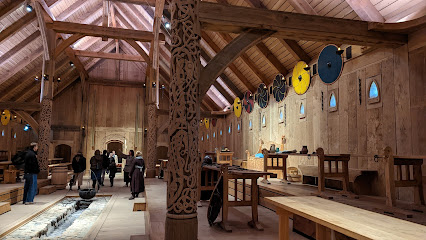
High on a glacial hill stands the site’s most dramatic structure: a vast Viking royal hall inspired by remains excavated near Old Lejre. Its sweeping roofline recalls an overturned longship, built from massive oak timbers and carved with serpents, ravens and other motifs from Norse mythology. Inside, a central hearth anchors a long space framed by heavy posts, where chieftains would have feasted retainers, settled disputes and forged alliances. Stories link this landscape to early Danish kings and to the Beowulf legend, which places a royal hall in Lejre’s vicinity. Standing at the high seat, looking out over the hills, it is easy to imagine messengers arriving on horseback or ships gathering on distant fjords.Living experiments and hands-on crafts
Land of Legends began in the 1960s as a centre for experimental archaeology, and that spirit still shapes the experience. Workshops for pottery, weaving, blacksmithing and food preparation explore ancient techniques in real time. Researchers and skilled craftspeople test how houses burn, how mounds can be built, and how iron can be smelted from bog ore, then translate those insights into demonstrations for visitors. Many activities invite participation: you might grind grain on stone querns, help light a fire with flint and tinder, launch a dugout canoe, or try your aim with a bow and arrow under careful supervision. Domestic animals, including traditional Nordic breeds, move through the farmyards and pastures, adding sound, smell and motion to the reconstructed scenes.The Wild Road and the surrounding landscape
A striking feature is the elevated wooden boardwalk known as the Wild Road, which snakes for hundreds of metres through treetops and over animal paddocks. From up to several metres above the ground you can look down on wild boar, goats and heavy oxen grazing in the rewilded enclosures while reading about the intertwined history of humans and pigs over millennia. The route is built with smooth gradients and wide platforms, making it accessible to wheelchairs and prams. All around, the Ice Age landscape plays a starring role. Glacial hills, kettle holes and small lakes shape every view, and the reconstructed settlements are carefully placed to echo where people once chose to live. On quiet weekdays in spring or autumn, the combination of distant animal sounds, rustling reeds and low northern light can feel almost meditative.Planning your visit for all ages
The site comfortably fills a full day, especially for families who like to linger at activity stations or follow storytelling sessions when in season. There are places to sit, small play areas and spaces to spread out, so it rarely feels crowded despite its popularity. Seasonal programs add extra demonstrations and themed days, particularly in summer and during school holidays. Basic amenities such as restrooms, food and drink options and information points are clustered near the entrance, with additional picnic spots dotted through the grounds. Good paths and the accessible Wild Road make it feasible for visitors with limited mobility to experience much of the park, though some farm tracks remain uneven. Whatever pace you choose, Land of Legends offers an unusually rich way to sense how everyday life in Denmark has changed – and how much has stayed the same – over thousands of years.Iconic landmarks you can’t miss

Sct Hans Have
8.8 km
Explore Aarhus’ signature waterfront, where innovative architecture, lively promenades, and maritime history create Denmark’s most vibrant urban shoreline.
Det Kongelige Palæ i Roskilde
9.2 km
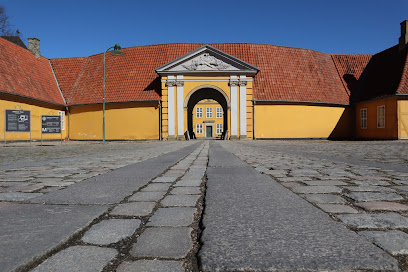
Baroque palace where Danish royalty met democracy, now a vibrant hub for art and culture.
Skänk Beer & Wine bar
9.5 km
Experience Aarhus’ celestial heritage at the Ole Rømer Observatory, where history, culture, and astronomy converge for hands-on stargazing and exploration.
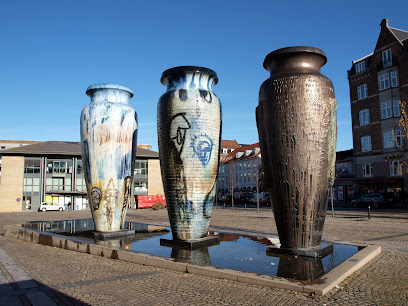
Roskildekrukkerne
9.6 km
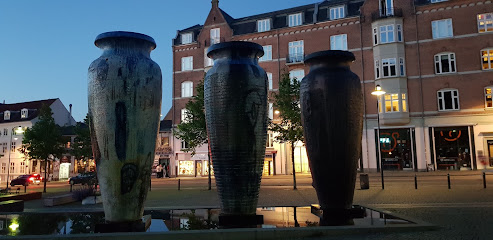
Three colossal ceramic jars rising from a mirrored basin transform Roskilde’s station square into an open-air monument to a thousand years of city history.
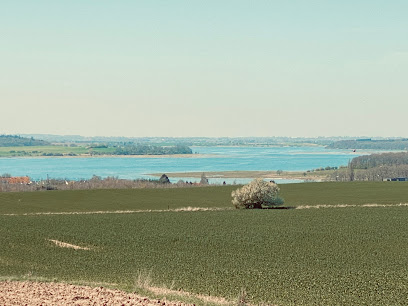
Masterhøj udsigtspost
12.1 km
Bronze Age mound commanding 360-degree views of Roskilde, fjord, and medieval heritage.
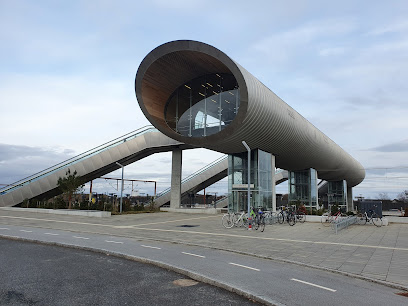
Køge Nord
19.3 km
A soaring timber‑lined footbridge and high‑speed rail hub turning everyday commuting into a slice of contemporary Danish architecture and panoramic landscape.
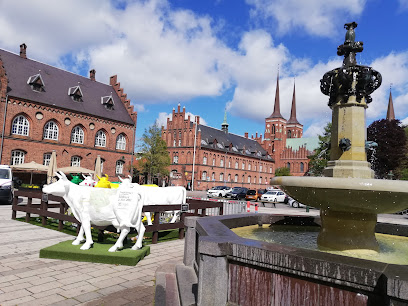
Zealand
21.9 km
Explore Zealand, Denmark's largest island: Discover royal castles, Viking history, modern art, and stunning coastlines just a short trip from Copenhagen.
Gammel Køgegård
22.3 km
Discover the enchanting world of teddy bears at Skagen Bamsemuseum, a must-visit attraction in Denmark's northernmost town.
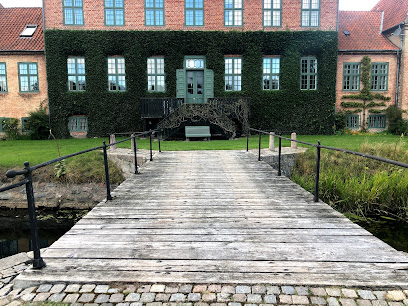
Bronzestien - Køge Ås
22.4 km
Stroll through ancient landscapes along Køge Ås, where prehistoric burial mounds and glacial history meet serene Danish woodlands near Køge.
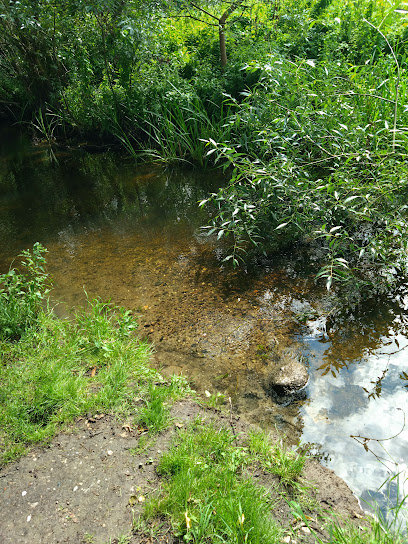
Gerlevparkens Venner
22.8 km
Discover Denmark's horticultural heritage at Gerlevparken near Jægerspris: explore unique rose collections, a diverse tree collection, and tranquil gardens maintained by dedicated volunteers.
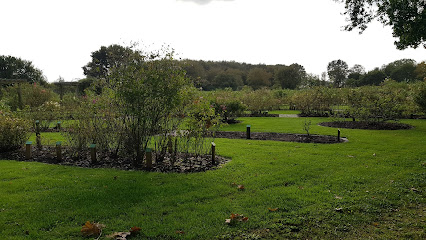
Roskilde Fjord
22.9 km
Discover Roskilde Fjord: A blend of Viking history, serene landscapes, and outdoor adventures awaits in this captivating Danish destination, easily accessible from Copenhagen.
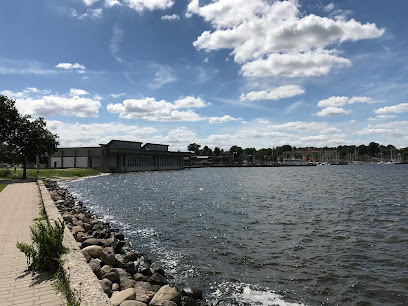
Visit
23.0 km
Historic lighthouse and bird observatory at Denmark’s northern tip, with panoramic sea views, interactive nature exhibits, and a vibrant café in wild coastal surroundings.
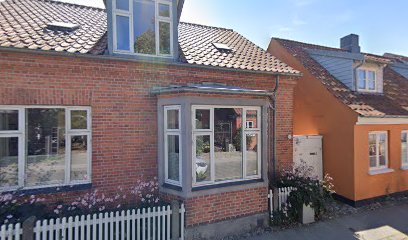
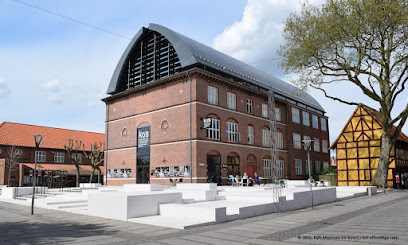
KØS Museum of Art in Public Spaces
23.0 km
A must-visit in Skagen, Denmark, the Bamsemuseum enchants visitors with a vast collection of teddy bears and playful exhibits, celebrating nostalgia and Danish culture.
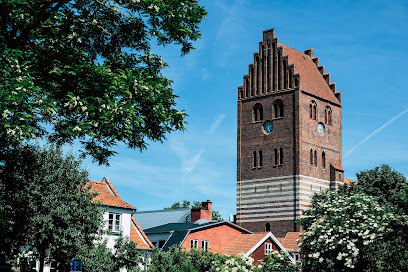
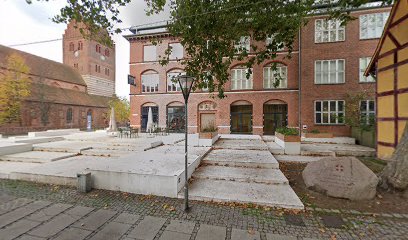
Køge Church
23.0 km
Medieval tower, Denmark's first lighthouse, baroque treasures in a historic port town.
Mindesten for Træskoslaget
23.1 km
A modest memorial stone in central Køge marking the 1807 “Clogs Battle,” where local militia faced British troops during the turbulent Gunboat War.
Unmissable attractions to see

Viking Kings Hall
0.1 km
Step into Denmark’s largest reconstructed Viking royal hall, where carved oak beams, sagas, and archaeology meet on a glacial hill in the heart of Lejre.
Sacrificial bog
0.6 km
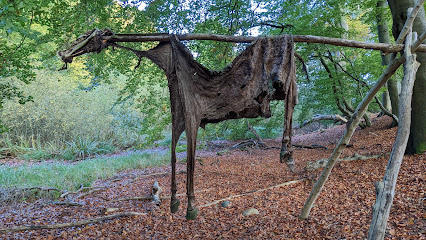
A quiet hollow of water and peat where Iron Age beliefs surface again, the Sacrificial Bog at Lejre turns archaeology into an evocative ritual landscape.
Ledreborg Castle
1.2 km
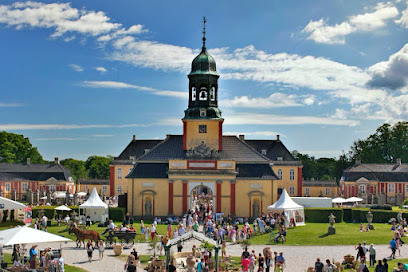
An elegant 18th‑century baroque palace at the end of a grand avenue, where pastel façades, terraces and quiet woodland paths reveal layers of Danish noble life.
Ledreborg Park
1.3 km
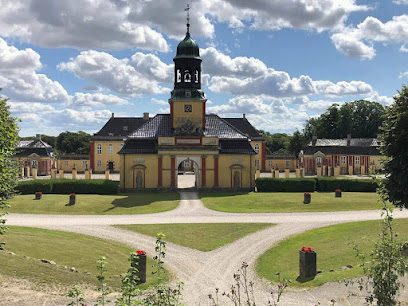
Sweeping baroque terraces, wooded hillsides and long lime avenues create a serene historic landscape around one of Denmark’s finest private castles at Ledreborg.
Skjoldungestien
4.6 km
A historic Danish hiking trail weaving through forests, fjord views and royal landscapes between Roskilde and Lejre in National Park Skjoldungernes Land.

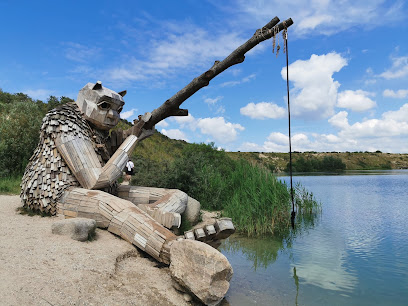
Trolden Runde Rie
4.9 km
A friendly wooden giant by Roskilde’s lakeside, Trolden Runde Rie pairs recycled art with open skies, easy walks and a touch of Nordic fairytale magic.
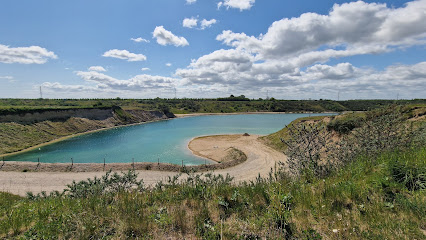
Lynghøj Lake
5.0 km
A reclaimed gravel pit turned blue-lake playground, Lynghøj Lake blends clear water, trails and a friendly wooden troll into Roskilde’s easiest nature escape.
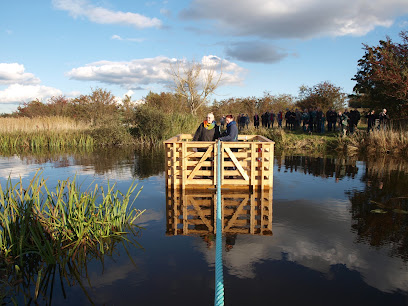
Kornerup Å Trækfærge
5.3 km
A hand-powered cable ferry in the Kornerup River Valley, turning a simple stream crossing into a playful pause amid open meadows, big skies and quiet Danish nature.
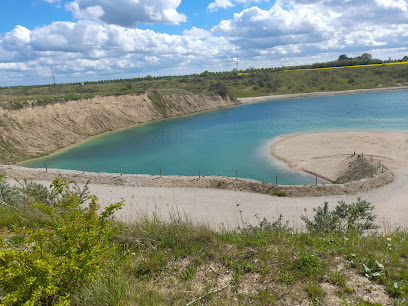
Lynghøjsøerne Runde Rie
5.6 km
Former gravel pits turned opal-blue lakes, winding trails and a wooden troll named Runde Rie make Lynghøjsøerne Roskilde’s playful pocket of wild nature.
National Park Skjoldungernes Land
6.5 km
Where Roskilde Fjord’s blue waters meet beech forests, manor landscapes and Viking legends in an accessible Danish national park near Copenhagen.
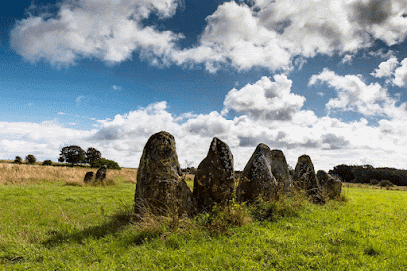
Ledreborg Allé (Ringstedvej), 4000 Roskilde, Dania
7.3 km
A long, tree-lined Baroque avenue stretching through rural Zealand, guiding travellers in stately symmetry towards the distant silhouette of Ledreborg Palace.
Boserup skov
7.4 km
Ancient beech forests, spring anemones, and fjord views in Denmark's most enchanting woodland sanctuary.
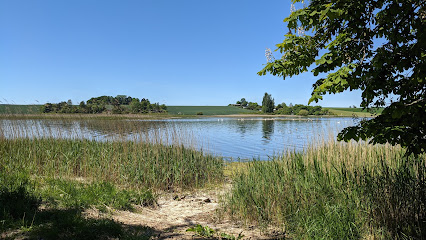
Rørmosen sti
7.5 km
A small, tranquil nature path with pond, reeds and everyday birdlife, tucked behind Roskilde’s Hørhusene homes for easy, close-to-town walks.
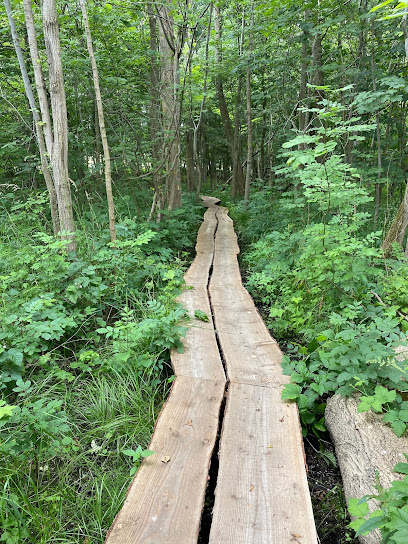
Kattinge Vig
8.1 km
A sheltered fjord cove near Roskilde where protected nature, birdlife and gentle Scandinavian coastal scenery create a quiet escape for walkers, anglers and paddlers.
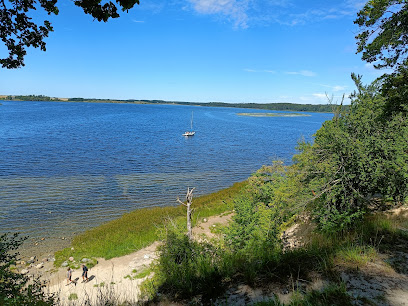
Nationalpark Skjoldungernes Land
8.1 km
Ice Age hills, fjord horizons and saga‑laden burial mounds weave together in Skjoldungernes Land, Zealand’s first national park and a living tapestry of Danish nature and history.
Essential places to dine

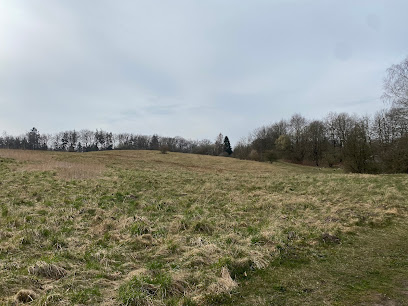
Svogerslev Kro
5.1 km
Historic countryside inn with Michelin-trained chef, seasonal Nordic cuisine, and overnight stays near Roskilde.
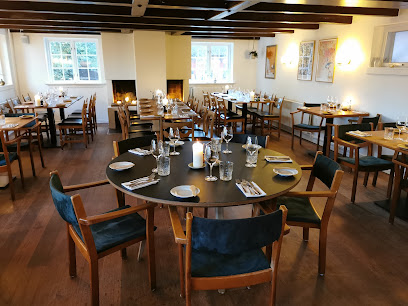
Disotto
8.4 km
Cozy southern Italian ristobar in central Roskilde, serving classic antipasti, Neapolitan-style pizza and Italian wines in an intimate, evening-only setting.
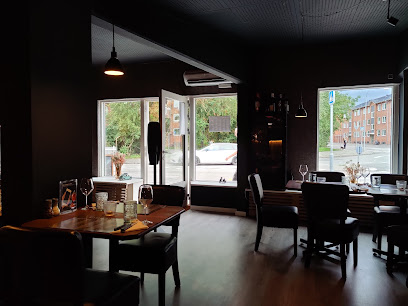
An No
8.5 km
Authentic Vietnamese street food in Roskilde, serving fresh homemade dishes from scratch with genuine Saigon spirit.
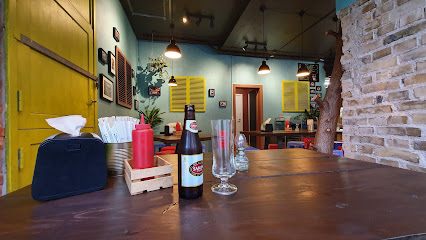
Restaurant That's Amore
8.8 km
Cozy, candlelit Italian restaurant in central Roskilde, serving wood-fired pizzas, hearty pasta and Italian wines in a warm, romantic yet relaxed setting.
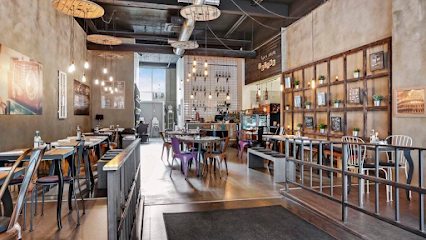
Bella-Capri Restaurant-Pizzaria
8.8 km
Unpretentious Italian comfort food in the heart of Roskilde, serving generous pizzas and hearty mains in a relaxed, family-friendly neighbourhood setting.
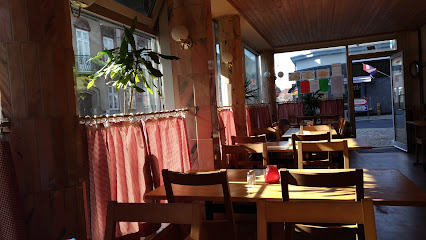
Nua Mama's Secret
8.8 km
Cozy Thai dinners with generous curries, sizzling stir-fries and vegan-friendly options in the historic streets of central Roskilde.
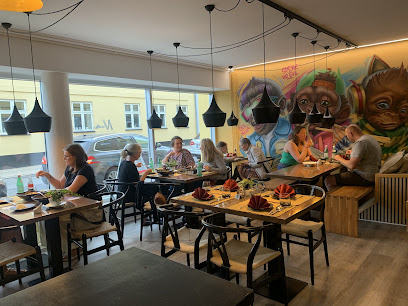
Café Korn - Roskilde
8.9 km
Cosy all‑day café and brasserie on Roskilde’s main pedestrian street, serving hearty brunches, burgers and salads in a warm, grocery‑style setting.
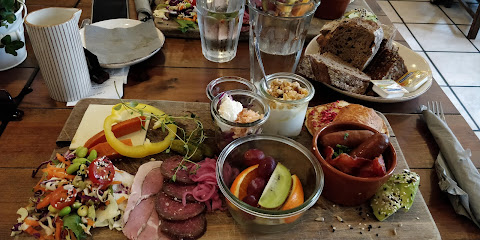
Marcella Pizza & Pasta - Restaurant Roskilde
8.9 km
Cozy Italian bistro in Roskilde’s main shopping street, serving Neapolitan-style pizzas, generous pasta dishes and easygoing, family-friendly comfort food.
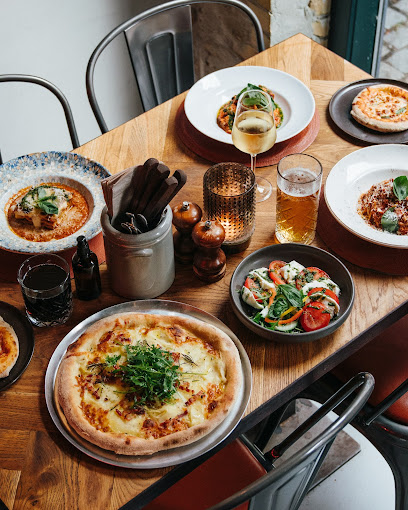
Halifax Burgers Roskilde
8.9 km
Casual build-your-own burger joint on Roskilde’s main street, pairing generous portions and craft drinks with a strong line-up of vegetarian and vegan options.
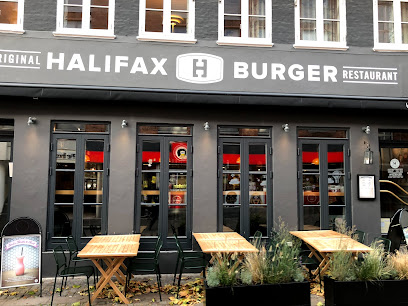
Basilico
8.9 km
Casual Italian comfort and generous pizzas in the heart of Roskilde’s old town, ideal for a relaxed, family‑friendly break between cathedral and shopping.
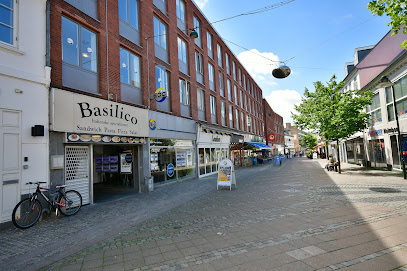
Restaurant Mumm I/S
8.9 km
Slow-food focused, seasonal small-plate dining in an intimate Roskilde townhouse with a leafy summer courtyard and a distinctly Nordic, wine-led evening atmosphere.
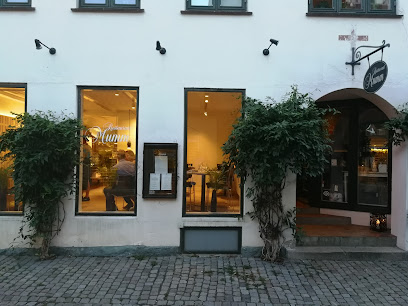
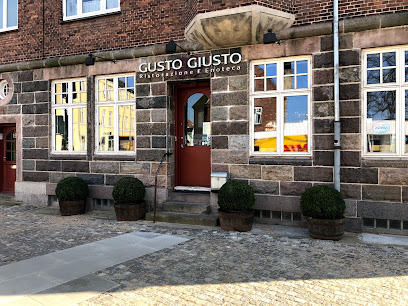
Gusto Giusto
9.0 km
Organic-minded Italian fine dining in a tiny Roskilde townhouse, where a Danish–Italian couple serves northern Italian cuisine, careful wine pairings and slow, candlelit evenings.
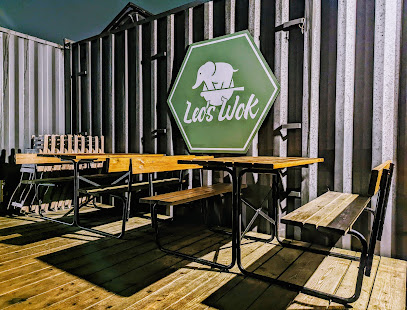
Leo’s Wok Café
9.0 km
Cozy Thai eatery in Roskilde’s Musicon district, serving fresh wok-fired curries, noodles and stir-fries inspired by northern Thai home cooking.
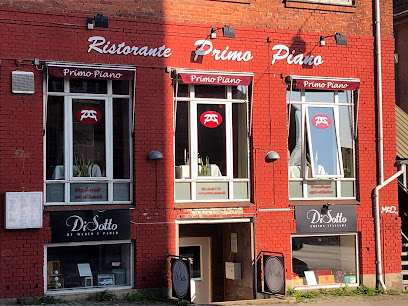
Primo Piano
9.0 km
Cosy neighbourhood Italian in Roskilde serving classic pizzas and hearty pastas in a warm, unpretentious setting just a short walk from the historic centre.
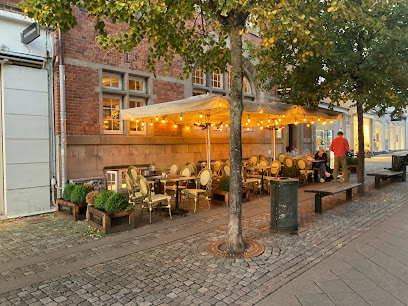
Namaste - Restaurant Roskilde
9.0 km
Authentic North Indian cuisine in a beautifully restored historic building in central Roskilde.
Markets, malls and hidden boutiques

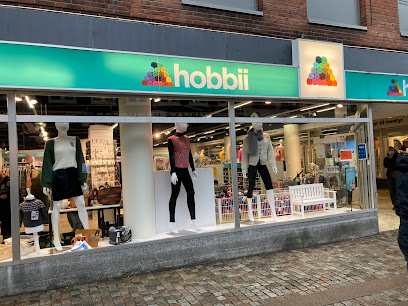
Hobbii
8.9 km
Denmark's premier yarn destination where creativity meets expert guidance and community.
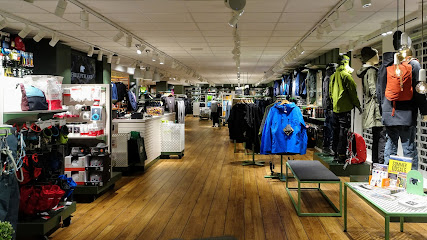
Friluftsland
8.9 km
Specialist outdoor shop in central Roskilde, equipping you with quality clothing, footwear and gear for Scandinavian weather, local escapes and longer adventures.
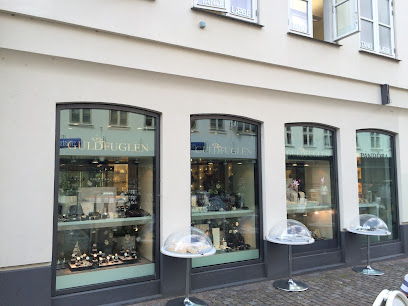
Guldfuglen A/S
9.0 km
Traditional Roskilde jeweller on lively Skomagergade, offering classic jewellery, watches and personal service in a calm, central setting.
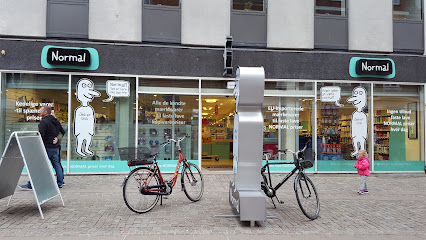
Normal
9.0 km
Brand-name products at unbeatable prices in central Roskilde's premier discount store.
Copenhagen Luxe Roskilde
9.0 km
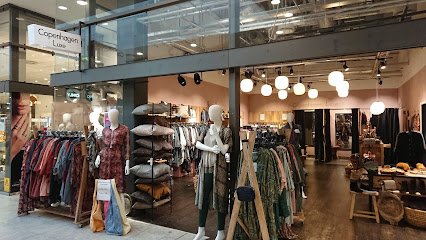
Curated Scandinavian fashion in natural materials on Roskilde's pedestrian shopping street.
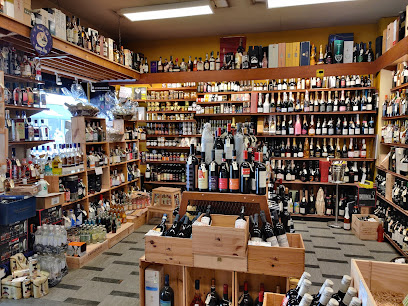
Den franske vinhandel
9.1 km
Historic Roskilde wine merchant with a cavernous cellar, freshly roasted coffee and gourmet treats, turning a simple shopping stop into a richly flavoured experience.
Boutique Dedenroth v / Helle Dedenroth
9.1 km
Owner-run women’s fashion boutique on Roskilde’s central square, offering curated, timeless clothing and a relaxed, personal shopping experience.
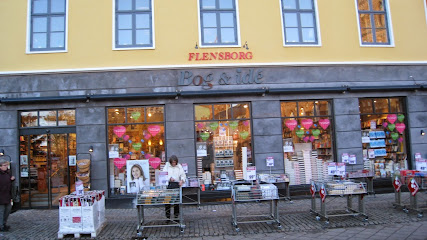
Bog & Idé
9.1 km
Central Roskilde’s cozy book and gift shop, where classic Danish bookselling meets games, stationery and everyday essentials on historic Stændertorvet.
Perssons Roskilde
9.2 km
Contemporary fashion in the heart of Roskilde's historic shopping district.
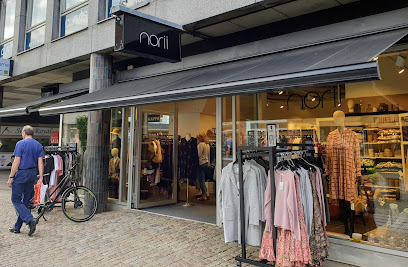
NORII Roskilde
9.2 km
A cozy Scandinavian womenswear boutique on Roskilde’s Algade, offering curated, timeless pieces and personal service in the heart of the historic city.
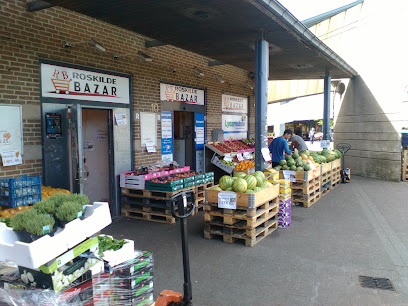
Ros Bazar
9.2 km
Bustling local bazaar-style supermarket by Roskilde Station, packed with fresh produce, spices and everyday groceries for a taste of everyday Danish city life.
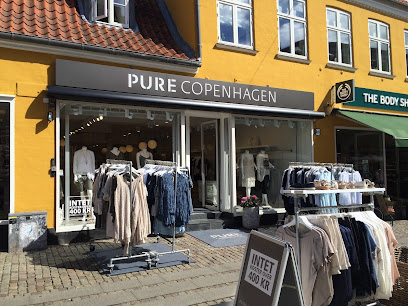
PURE Copenhagen
9.2 km
A cosy Roskilde boutique blending Scandinavian-inspired women’s fashion, personal styling, and a relaxed neighbourhood feel right on historic Algade.
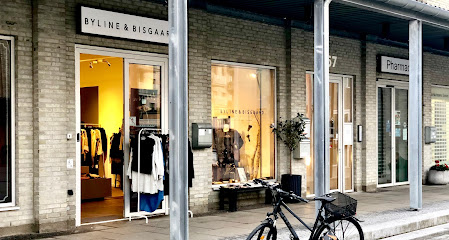
Byline Denmark (tidligere Byline & Bisgaard)
9.2 km
A cozy courtyard boutique in the heart of Roskilde, blending Scandinavian fashion, accessories, and gift ideas in a calm, well-curated setting.
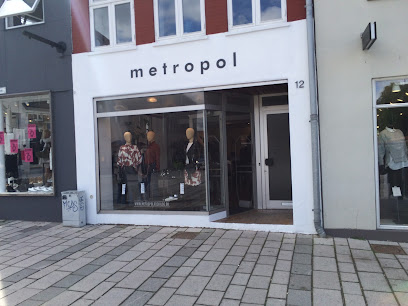
Metropol
9.3 km
Intimate Roskilde boutique in Djalma Lunds Gård, blending Scandinavian style, curated labels and a touch of vintage in a calm, welcoming shopping space.
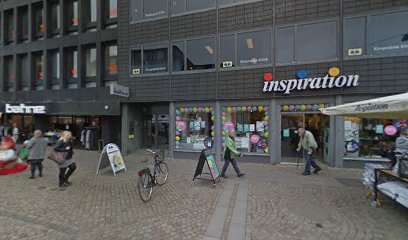
Inspiration Roskilde
9.3 km
Scandinavian home inspiration in the heart of historic Roskilde's shopping district.
Essential bars & hidden hideouts

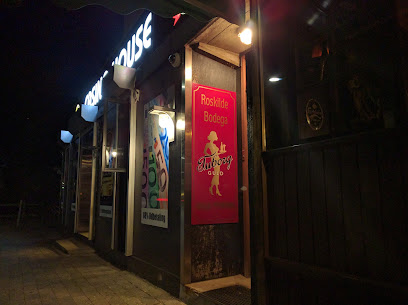
Roskilde Bodega
8.1 km
Classic Danish corner bar on Holbækvej with pool, darts, slot machines and a lively local crowd, offering an unpolished, authentic bodega atmosphere from day to late night.
28 Live
8.8 km
A lively “youth club for adults” in central Roskilde, blending bar, games, live shows, sport and nightclub energy under one sociable roof.
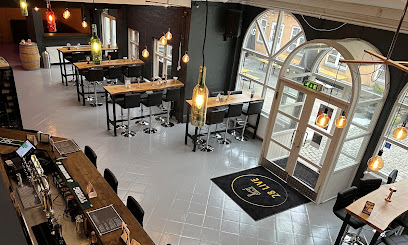
PAUSE
8.8 km
Intimate wine and beer bar in Roskilde's historic center, celebrating Nordic hospitality and craft beverages.
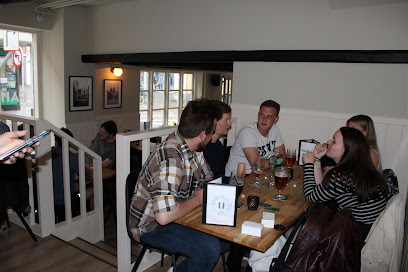
Teatercaféen
8.8 km
Unpretentious local beer hall in Roskilde where everyday life, cheap drinks and warm conversation matter more than design or trends.
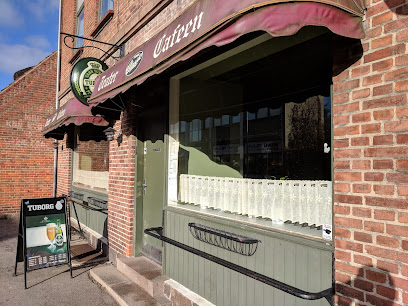
Ruder Konge Bodega
8.9 km
A timeworn Danish bodega in central Roskilde, offering cheap beer, pool tables and unpretentious pub life just off the city’s main pedestrian street.
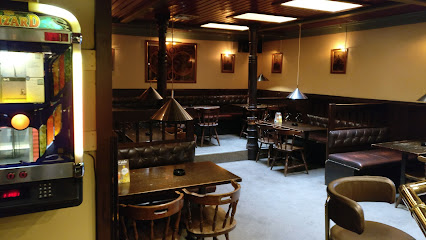
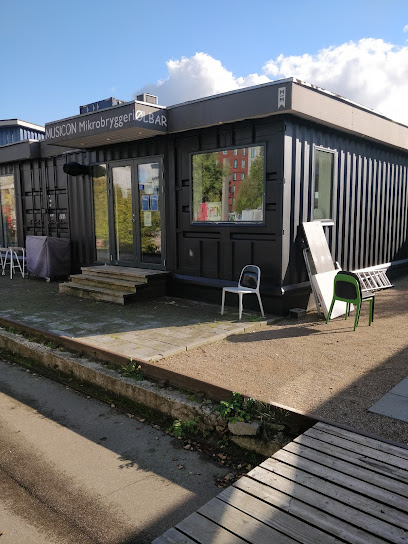
Musicon Mikrobryggeri
9.0 km
Local craft beer, stainless-steel tanks and live music energy in the heart of Roskilde’s creative Musicon district.
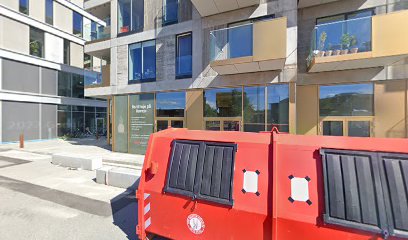
Vinbaren Muicon
9.0 km
An intimate wine bar in Roskilde’s Musicon district, pairing cozy Nordic warmth with a curated wine list and relaxed, conversation-friendly vibes.
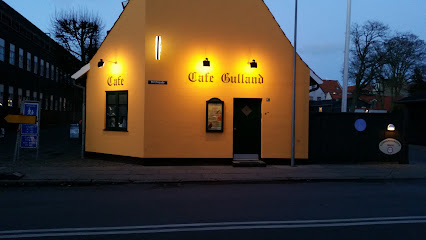
Gullanden
9.1 km
An unpretentious Roskilde pub with darts, DJ nights, cold beer and a loyal local crowd, where evenings stretch easily into the early hours.
PROP Vin og Tapasbar
9.1 km
Intimate Roskilde wine bar pairing curated bottles with Mediterranean-inspired tapas in a candlelit room and sheltered courtyard, strictly for a relaxed 25+ crowd.
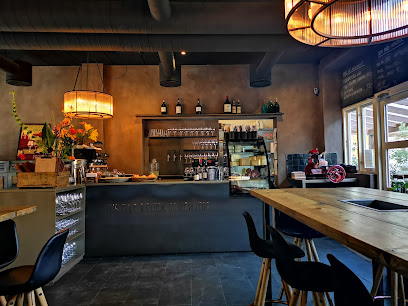
Gustav Wieds - Byens Ølbar
9.3 km
Craft-focused neighbourhood beer bar in central Roskilde, combining eight rotating taps, a cosy wooden interior, jukebox tunes and billiards in a relaxed local atmosphere.
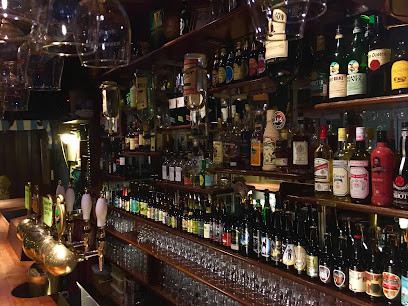
Klosterkælderen
9.5 km
Roskilde's premier craft beer cellar with 200+ beers and authentic Danish pub charm.
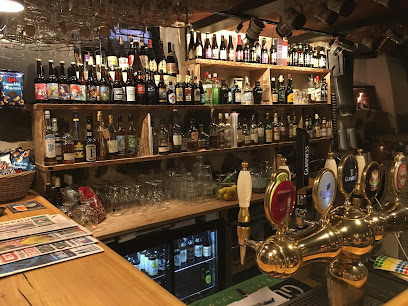
Georges Bodega
9.6 km
Old-school Danish bodega at Roskilde’s Hestetorvet, pouring cold beer from morning to late night with indoor smoking, local regulars and station-square views.
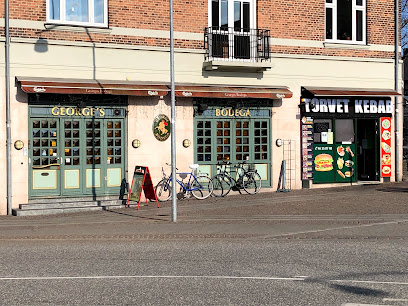
Copé Lounge
9.6 km
Urban lounge bar by Roskilde’s main square, blending backyard summer vibes, easygoing cocktails and cosy Danish hygge late into the night.
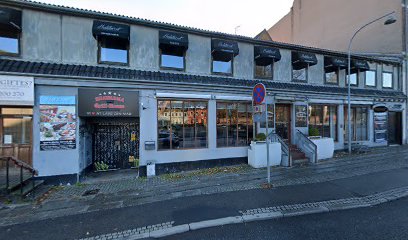
Mulligans Irish Pub
9.6 km
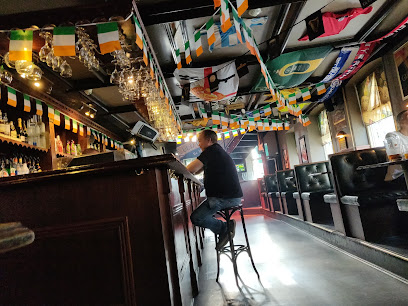
Authentic Irish pub in two storeys with live music, craft beers, and vibrant social atmosphere in central Roskilde.
Charlie Chaplin
9.8 km
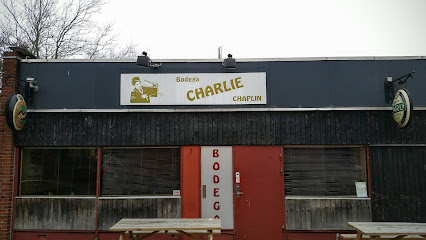
An unfussy neighbourhood bar in Roskilde, Charlie Chaplin pours cold beers and warm conversation in a relaxed local bodega setting far from the city’s tourist crowds.
Nightclubs & after hour spots

Klubhuset
8.5 km
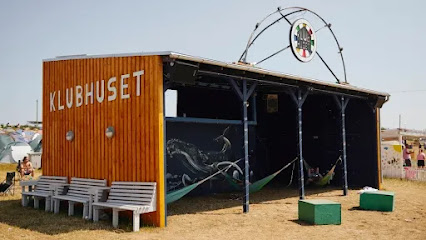
Low-key local clubhouse turned disco-style nightspot, where a simple bar, small dance floor and regulars’ vibe create relaxed, unpretentious nights in Roskilde.
Tropicana DC
8.5 km
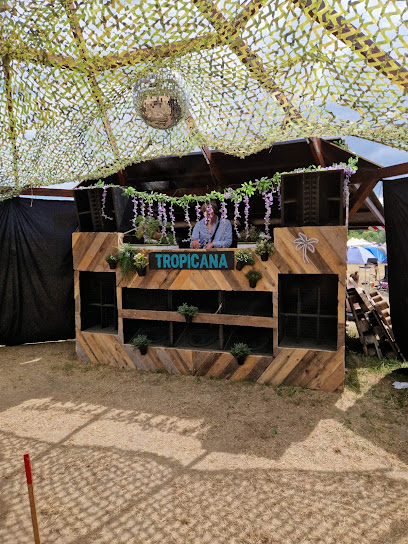
Compact Latin-flavoured nightclub on Roskilde’s industrial edge, delivering loud beats, simple drinks and a late-night dancefloor focused purely on partying.
Danseriet
8.5 km
Frivilligdrevet danseklub i Roskilde med stort dansegulv, livebands og hyggelig stemning for danseglade gæster på tværs af aldre og niveauer.
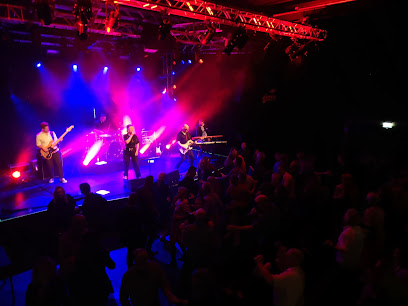
Garbos Roskilde
9.3 km
Cozy neighborhood nightclub in central Roskilde, blending casual bar vibes with a compact dance floor and late-night weekend energy on Hersegade.
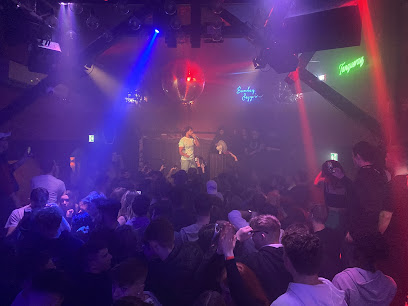
Dansebar Roskilde
9.4 km
Roskilde's premier multi-floor nightclub with dual dance spaces, three bars, and DJ-driven energy until dawn.
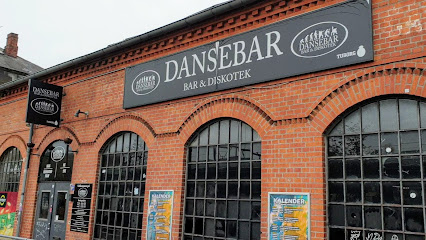
Club El Diablo
22.5 km
Adults-only entertainment venue offering a discreet, welcoming atmosphere for private social experiences.
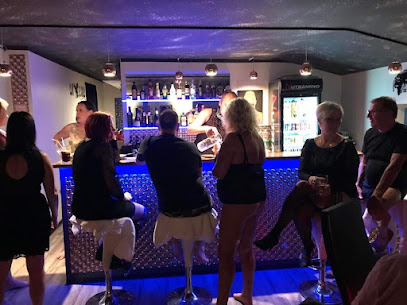
Den Dansende Viking
23.0 km
High-energy suburban nightclub in Egedal Centret, serving packed dance floors, late-night DJ sets and budget-friendly drinks for party-focused weekends.
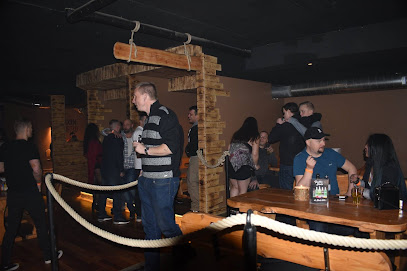
The Flame
23.5 km
Compact, high-energy nightclub by Køge’s harbor, serving up youthful beats, live acts and weekend dance-floor vibes in an intimate, no-frills setting.
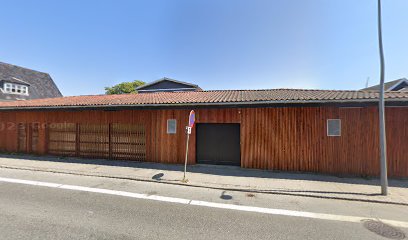
LUSIO
23.5 km
Compact harbor-side nightclub in Køge with late Friday hours, a tight dance floor, and an intimate, no‑frills setting for Danish weekend nights out.
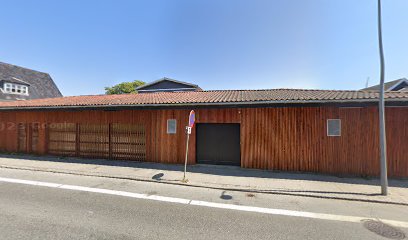
Bloom Nightclub
23.5 km
Late-night harborfront beats and a compact dance floor bring big-night energy to small-city Køge every Friday and Saturday.
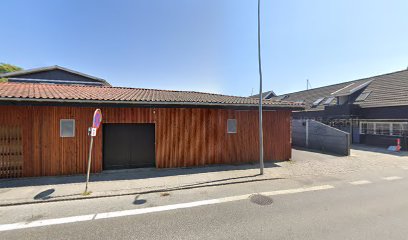
Swingergaarden
36.3 km
Discreet countryside swingers club near Slagelse, offering themed adult nights, intimate play spaces and a rules-based, consent-focused environment for open-minded guests.
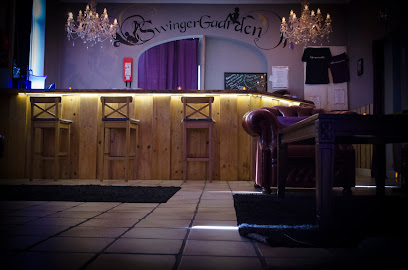
Haven - Events
37.6 km
Discover the electrifying nightlife at Haven, Frederiksberg's top night club, where music, dance, and fun come together for an unforgettable experience.
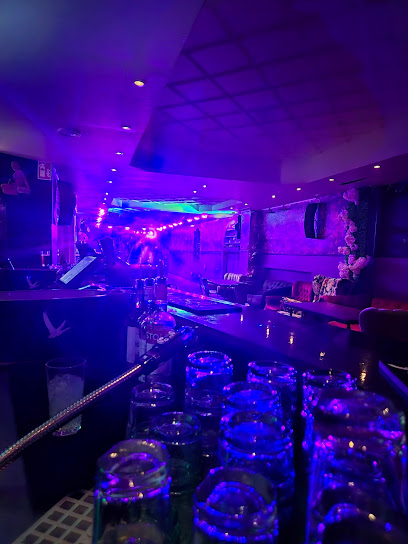
Falafelberg
37.7 km
Discover the pulsating nightlife of Frederiksberg at Falafelberg, a night club offering delicious falafel and electrifying music for an unforgettable experience.
Afrobeat Palace Nightclub
38.2 km
Discover the energetic Afrobeat Palace Nightclub in Copenhagen, where music, dance, and multicultural vibes unite for an unforgettable nightlife experience.
The Union
39.0 km
Discover the vibrant nightlife at The Union, Copenhagen's premier night club offering electrifying music and an unforgettable experience.
For the vibe & atmosphere seeker
- Scenic
- Fun-filled
- Unique
- Casual
- Relaxing
For the design and aesthetic lover
- Rustic Designs
- Vintage Styles
For the architecture buff
- Historic
- Landmarks
- Parks & Gardens
- Heritage Neighborhoods
- Sacred Sites
For the view chaser and sunset hunter
- Iconic Views
- Panoramas
- Sunset Spots
For the social media creator & influencer
- Photo Spots
- Selfie Spots
- Instagrammable
- Architectural Shots
- Reel-Friendly
For the eco-conscious traveler
- Low Impact
- Public-Transport Accessible
- Wildlife Habitat
- Locally Managed
For the kind of experience you’re after
- Cultural Heritage
- Photowalk
- Adventure Photo Shoot
- Day Trip
- Roadtrip Stop
- Mindfulness
For how adventurous you want the journey to be
- Easy Access
Location Audience
- Family Friendly
- Child Friendly
- Teen Friendly
- Senior Friendly
- Solo Friendly
- Couple Friendly
- Solo Female Friendly
- LGBT Friendly
- Vegetarian Friendly
- Vegan Friendly
- Business Friendly


