

Søtorvet 2, Køge Travel Guide
Free Guide: Elegant neo‑Renaissance corner of the Søtorvet ensemble, where Copenhagen’s inner city meets the Lakes and Queen Louise Bridge in a classic urban tableau.


A brief summary of Søtorvet 2
Elegant neo‑Renaissance corner of the Søtorvet ensemble, where Copenhagen’s inner city meets the Lakes and Queen Louise Bridge in a classic urban tableau.
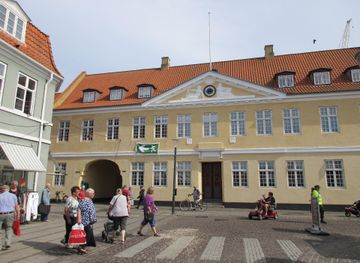
Søtorvet 2 occupies one of the prime corners of the historic Søtorvet ensemble, a late‑19th‑century residential complex fronting the Copenhagen Lakes at the city‑side end of Queen Louise Bridge. Raised between 1873 and 1876 in an ornate neo‑Renaissance style inspired by French historicism, the building combines corner towers, mansard roofs and richly detailed façades. Today it forms part of a photogenic urban gateway between the inner city and lively Nørrebro, with café life, water views and constant city bustle on its doorstep.
On-site amenities
 Restrooms
 Drink options
 Drinking water
 Food options
 Seating areas
 Trash bins
 Information boards
- Address
- Søtorvet 2, 1371 København
Getting there
Metro
Bus
Bicycle
Walking
Discover more about Søtorvet 2
A Lakefront Gateway Between Old Town and Nørrebro
Søtorvet 2 sits on the inner‑city side of Queen Louise Bridge, overlooking Peblinge Lake where Frederiksborggade crosses the water toward Nørrebro. Together with its neighboring blocks, it forms part of Søtorvet, a cohesive 19th‑century urban ensemble that frames one of Copenhagen’s classic vistas. Standing here, you are at a hinge in the city’s geography: behind you the historic centre, ahead the dense streets of Nørrebro, and at your feet the calm surface of the Lakes.The building’s position on the corner gives it a strong presence in the streetscape. Trains of cyclists sweep across the bridge, buses glide past, and yet the foreground remains dominated by water, trees and sky. At different times of day, the light glances off the lake, picking out the details of the façades and turning the intersection into a kind of urban theatre stage.
From Fortifications to Fashionable Address
Until the late 19th century this was defensive terrain, part of the fortifications that encircled Copenhagen. When the city decided to dismantle its walls and ramparts, the newly freed land became available for ambitious development. In the 1870s a group of prominent businessmen, led by financier C. F. Tietgen, created the Copenhagen Building Company and set out to construct a prestigious residential complex along the Lakes.The broader Søtorvet development, including the property at number 2, rose between 1873 and 1876 as one of the most fashionable addresses of its day. Large apartments, high ceilings and generous windows were designed for the well‑to‑do middle class. One of the early residents was the celebrated actress Johanne Luise Heiberg, who moved into Søtorvet soon after completion and praised the sweeping views over the water despite the era’s imperfect heating and insulation.
Neo‑Renaissance Drama with a French Accent
Architecturally, Søtorvet 2 shares the vocabulary of the ensemble: an ornate neo‑Renaissance style filtered through the taste for French historicism. Under the supervision of city architect Ferdinand Meldahl, the design team gave the buildings mansard roofs, dormer windows, bay projections and corner towers that recall Parisian boulevards of the same era. Rich stucco, cornices and pilasters animate the façades when viewed from the opposite shore.From close up, you can trace the vertical rhythm of tall windows stacked across several floors, expressing the generous interior rooms. The corner toward the bridge is emphasized, making the building read like an urban palazzo terminating the line of Frederiksborggade. Subtle variations in roofline and tower height across the ensemble keep the silhouette lively while maintaining a strong sense of symmetry around the street axis.
Café Culture and Literary Anecdotes
Around 1900, the ground floor of Søtorvet 2 gained extra fame with the opening of Café de la Reine. Its covered outdoor seating was highly unusual for Copenhagen at the time and earned it the affectionate nickname Café “la’ det regne” – “let it rain” – a Danish pun on its French name. The idea of sipping coffee by the lake, sheltered yet outdoors, added a distinctly continental flavour to the area.In the 1930s the café became a meeting place for poets and writers. Figures like Sigfred Pedersen and Otto Gelsted reportedly recited new verses standing on tables, accompanied at the piano by composer Niels Clemmensen. When Denmark was occupied during the Second World War, this lively cultural corner quietened and the café eventually closed, but the association between Søtorvet 2 and bohemian literary life remains part of its story.
Everyday Life on a Classic Copenhagen Corner
Today, Søtorvet 2 functions primarily as a residential and commercial address rather than a formal attraction, yet it rewards a lingering look. The ground floor typically hosts shops or eateries, while upper floors remain private apartments with enviable lake views. From the pavement you can observe everyday city life unfolding beneath monumental architecture.The broad sidewalks, cycle lanes and benches along the Lakes make this a natural pause point on any walk between the inner city and Nørrebro. In summer the lake reflects the building’s pale façades; in winter bare branches silhouette the towers and gables. Whether you stop for photographs, for a short rest by the water, or simply to appreciate how a former military edge became one of Copenhagen’s most graceful urban corners, Søtorvet 2 offers a concise lesson in the city’s evolution from fortified town to open, lake‑front metropolis.
Evendo Review Centre
 Google
Guest reviews
Best time to go
Quietest: Jan, Feb & Mar · before 6am or from 11pm
Busy times are Evendo estimates for a typical year, to help you plan. Actual crowds vary with events, school holidays and the weather.
Explore Søtorvet 2 on the map
A handpicked selection of must-see spots near Søtorvet 2, mapped for you.
Get your free copy of our complete guide to Søtorvet 2, delivered straight to you.
Everything on this page, from opening hours and how to get there to Eve’s tips and the best time to go, in one PDF you can read offline, print or share.
Already have an account? Sign in
Your Søtorvet 2 guide is ready.
We'll send it to · Not you? Sign out

Getting your guide ready…
We are putting together a fresh copy of the Søtorvet 2 guide. This can take up to a minute.
This can take a few moments. If your browser asks, choose Allow so the download can start. You'll find the guide in your Downloads folder.
Nothing happened? Download it again
Sorry, the guide is taking longer than usual. Please try again in a minute, or get it by email instead.
Other nearby places you may find interesting
The closest places of the same kind, if this one is not quite what you had in mind.
-
Mindesmærke for slagene i Køge Bugt Harbourfront monument where stone, sea breeze and maritime symbols keep the naval battles of Køge Bugt and their admirals alive on Køge’s working waterfront.
-
Vallø Castle A Renaissance castle reborn: where Danish nobility found refuge and history survived the flames.
-
Køge Church Medieval tower, Denmark's first lighthouse, baroque treasures in a historic port town.
-
Køge bølgebryder Industrial waterfront landmark offering sweeping sea vistas and authentic coastal atmosphere.
-
Køge Torv Denmark's largest medieval town square, where seven centuries of history unfold on cobblestones.
Swipe for more places
More to explore near Søtorvet 2

 Best experiences near Søtorvet 2
 Best hotels near Søtorvet 2
 Best landmarks near Søtorvet 2
 Best attractions near Søtorvet 2
 Best shops near Søtorvet 2
 Best restaurants near Søtorvet 2
 Best bars near Søtorvet 2
Do you manage this location?
Take control to get all the benefits, like improved information, better appearance, and stronger visibility across AI-powered discovery.
Explore more
Explore more of Køge
Explore Køge, Denmark's coastal gem, with its medieval charm, beautiful marina, and close proximity to the stunning Stevns Klint UNESCO World Heritage site.
Explore Køge
Explore more of Denmark
Discover Denmark: A perfect blend of history, modern design, and the cozy concept of hygge. Explore vibrant cities, serene landscapes, and world-class cuisine.
Explore Denmark
