

The Lakes, Copenhagen Travel Guide
Free Guide: Three interconnected urban lakes offering year-round recreation, birdlife, and the essence of Copenhagen's outdoor culture.


A brief summary of The Lakes
Three interconnected urban lakes offering year-round recreation, birdlife, and the essence of Copenhagen's outdoor culture.
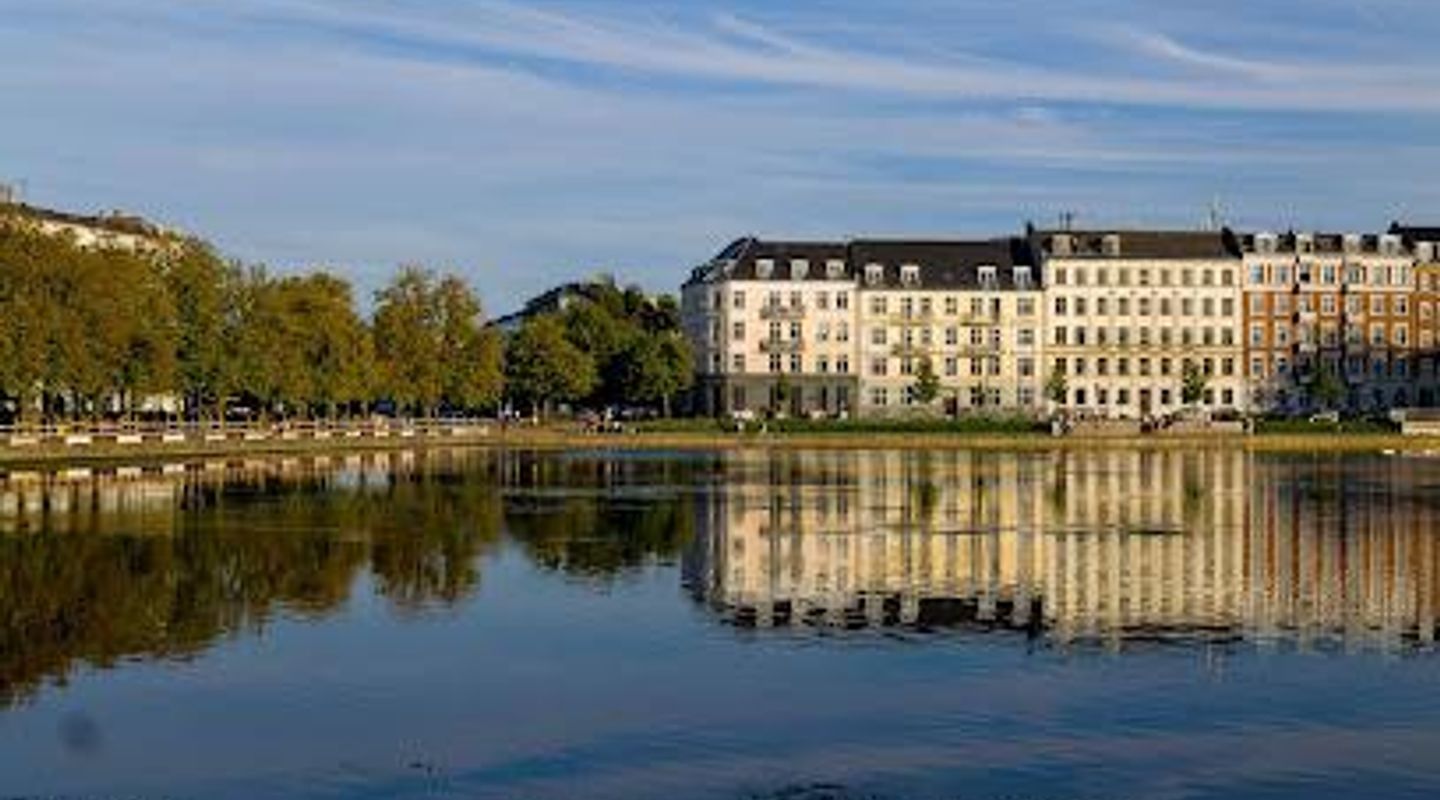
The Lakes, known locally as Søerne, form a captivating chain of three rectangular lakes curving around Copenhagen's western city center. This 6.35-kilometre recreational area features well-maintained walking and cycling paths, abundant birdlife, and seasonal activities from summer boat rentals to winter ice skating. Lined with cafés, restaurants, and abundant seating, the lakes offer a peaceful urban escape perfect for strolling, jogging, picnicking, and people-watching.
On-site amenities
 Restrooms
 Drink options
 Drinking water
 Food options
 Seating areas
 Picnic areas
 Trash bins
 Information boards
- Address
- 1357 Copenhagen
Getting there
Metro & Bus
Bicycle
Walking
Car & Parking
Discover more about The Lakes
A Medieval Engineering Marvel Transformed into Urban Sanctuary
The Lakes, or Søerne in Danish, represent one of Copenhagen's most distinctive and beloved features, originating from a practical medieval solution that evolved into a cherished recreational destination. Originally, the area was a single curved stream running just outside the city's medieval fortifications. In the early Middle Ages, as the city's need for water to power mills grew, engineers constructed a dam that transformed the landscape entirely. This single watercourse became the Peblinge Sø, and over centuries, the system expanded to include three interconnected lakes: Sankt Jørgens Sø, Peblinge Sø, and Sortedams Sø. What began as infrastructure became geography, and what was once purely functional is now profoundly recreational.
The Three Lakes and Their Distinct Characters
Each of the three lakes possesses its own character and physical properties. Sankt Jørgens Sø, the deepest of the trio, features gently sloping sides that invite swimmers and water enthusiasts during warmer months. Peblinge Sø and Sortedams Sø, by contrast, are bordered by dramatic vertical granite edges and reach depths of approximately 2.5 metres. Within Sortedams Sø, two small islands—Fiskeøen and Fugleøen—have been deliberately constructed to serve as breeding grounds and sanctuaries for the abundant birdlife that makes the lakes a haven for ornithologists and nature lovers. The lakes' combined perimeter stretches over 6.35 kilometres, offering an extensive network of pathways that wind through the urban landscape.
A Living Ribbon of Activity and Seasons
The lakes transform dramatically with the seasons, offering distinct experiences throughout the year. During spring and autumn, the paths become crowded with joggers, cyclists, and walkers seeking fresh air and exercise. Summer brings picnickers to the grassy banks, families feeding ducks, and couples enjoying waterfront cafés. In winter, when conditions permit, the frozen surface becomes a natural skating rink where locals and visitors alike walk, run, and ice skate across the ice—a quintessentially Danish experience that connects modern Copenhagen to its northern heritage. Boat bike rentals operate during warmer months, allowing visitors to explore the lakes from the water itself.
Cafés, Dining, and Waterfront Culture
The lakes are ringed with a myriad of cafés and restaurants, from casual snack vendors to more formal dining establishments. The Lake Pavilion, an ornate building constructed in the 1890s for the Ice Skating Club, now houses a nightclub and restaurant, blending historical architecture with contemporary leisure. These venues allow visitors to combine their lakeside experience with refreshment and sustenance, whether grabbing coffee to go or settling in for a leisurely meal while watching the water and city life unfold.
Gateway to Copenhagen's Rhythm
The Lakes serve as a mirror to Copenhagen's lifestyle and values. On any sunny day, the area fills with strolling couples, panting joggers, brunch devotees, children feeding waterfowl, and friends sharing thermos coffee while absorbing the best views the city offers. The lakes represent a democratic public space where all of Copenhagen's residents and visitors converge, making them less a destination and more a vital part of the city's daily rhythm and identity.
Evendo Review Centre
 Google
Guest reviews
Best time to go
Quietest: Jan, Feb & Dec · before 6am or at 10pm
Busy times are Evendo estimates for a typical year, to help you plan. Actual crowds vary with events, school holidays and the weather.
Explore The Lakes on the map
A handpicked selection of must-see spots near The Lakes, mapped for you.
Get your free copy of our complete guide to The Lakes, delivered straight to you.
Everything on this page, from opening hours and how to get there to Eve’s tips and the best time to go, in one PDF you can read offline, print or share.
Already have an account? Sign in
Your The Lakes guide is ready.
We'll send it to · Not you? Sign out

Getting your guide ready…
We are putting together a fresh copy of the The Lakes guide. This can take up to a minute.
This can take a few moments. If your browser asks, choose Allow so the download can start. You'll find the guide in your Downloads folder.
Nothing happened? Download it again
Sorry, the guide is taking longer than usual. Please try again in a minute, or get it by email instead.
Unlock the best of The Lakes
Skip-the-line tickets, guided tours with entry, and walking tours of the area, booked in a few clicks.


Other nearby places you may find interesting
The closest places of the same kind, if this one is not quite what you had in mind.
-
-
-

-
-


Swipe for more places
More to explore near The Lakes

 Best experiences near The Lakes
 Best hotels near The Lakes
 Best landmarks near The Lakes
 Best attractions near The Lakes
 Best shops near The Lakes
 Best restaurants near The Lakes
 Best bars near The Lakes
Do you manage this location?
Take control to get all the benefits, like improved information, better appearance, and stronger visibility across AI-powered discovery.
Explore more

Explore more of Copenhagen
Discover Copenhagen: A perfect blend of history, modernity, and vibrant culture, where picturesque canals, stunning architecture, and world-class dining await you.
Explore Copenhagen
Explore more of Denmark
Discover Denmark: A perfect blend of history, modern design, and the cozy concept of hygge. Explore vibrant cities, serene landscapes, and world-class cuisine.
Explore Denmark
