

The Lakes, Køge Travel Guide
Free Guide: Copenhagen's peaceful inner lakes: a 6.35-km loop of tranquility, birdlife, and authentic local culture.


A brief summary of The Lakes
Copenhagen's peaceful inner lakes: a 6.35-km loop of tranquility, birdlife, and authentic local culture.
Copenhagen's beloved inner lakes form a serene 6.35-kilometre loop of three connected bodies of water—Sankt Jørgens Sø, Peblinge Sø, and Sortedams Sø—winding through the city's heart. Well-maintained walking and cycling paths encircle these peaceful waters, offering locals and visitors alike a tranquil escape filled with abundant birdlife, waterside cafés, and scenic vistas. Whether you're jogging, picnicking, or simply watching city life unfold, the lakes provide an authentic Copenhagen experience away from crowded tourist attractions.
On-site amenities
 Restrooms
 Drink options
 Drinking water
 Food options
 Seating areas
 Picnic areas
 Trash bins
 Information boards
- Address
- 1357 Copenhagen
Getting there
Public Transport
Bicycle Rental
Walking
Bus
Discover more about The Lakes
A Defensive Legacy Transformed into Urban Sanctuary
The Copenhagen Lakes were not always the peaceful recreational spaces they are today. Their creation was rooted in military strategy and urban defense. After the city was besieged in 1523, Copenhagen's fortifications were strengthened through an ingenious system of dams and water barriers. The first dam raised the water level to create additional defensive perimeters, and by the early 1600s, Saint Jørgen's Lake was constructed through further damming of small streams. This allowed the city to flood the surrounding area when necessary to protect against invasion from the west. What began as a strategic necessity evolved over centuries into one of Copenhagen's most cherished public spaces, where the original purpose of defense has given way to a different kind of protection—a sanctuary from urban life.
Three Connected Waters with Distinct Characters
The lakes consist of three interconnected bodies of water, each with its own personality. Sankt Jørgens Sø, the deepest of the three, features gently sloping sides that create a more gradual transition to the water. Peblinge Sø and Sortedams Sø, by contrast, are bordered by vertical granite edges and reach depths of approximately 2.5 metres. Two small islands—Fiskeøen and Fugleøen—have been constructed within Sortedams Sø and serve as vital breeding grounds for the diverse bird species that inhabit the area. The complete circuit around all three lakes stretches 6.35 kilometres, a distance that can be covered on foot, by bicycle, or at a leisurely jog, depending on your pace and inclination.
Seasonal Transformations and Year-Round Appeal
The lakes reveal different faces throughout the year, each season offering distinct experiences. In winter, when conditions permit, the frozen surfaces occasionally become thick enough for skating and walking—a rare and magical occurrence that transforms the lakes into a winter wonderland. Residents emerge to build imaginative ice sculptures, and the city occasionally permits supervised skating when ice conditions are safe. As temperatures rise and spring approaches, the sunny side of Queen Louise's Bridge becomes crowded with locals practicing "bridging"—a beloved Scandinavian pastime of sitting on the pavement with takeaway coffee and food, soaking in the warmth. Summer brings the most vibrant activity: joggers, walkers, couples, families feeding ducks, and friends gathering on the grassy banks for impromptu picnics. Even on the coldest winter days, when the sun shines, Copenhageners bundle up in winter coats and wool blankets provided by the outdoor cafés that line the lakes' edges, demonstrating the locals' unwavering commitment to outdoor socialising regardless of season.
A Haven for Birdwatchers and Nature Enthusiasts
The lakes function as a sanctuary for diverse bird species, making them a paradise for birdwatchers and nature lovers. Ducks, seagulls, swans, and numerous other waterfowl make their homes here, particularly around the breeding islands. The abundance of birdlife is one of the lakes' defining characteristics, and visitors are encouraged to bring binoculars for closer observation. The peaceful water environment and protected breeding grounds ensure that the lakes remain a vital habitat for Copenhagen's avian population, adding layers of natural richness to what might otherwise be simply an urban recreational area.
The Social Pulse of Copenhagen's Inner City
While the lakes offer tranquility, they are far from isolated or empty. They represent the social heartbeat of Copenhagen's inner neighbourhoods, particularly Nørrebro and Østerbro. Locals run, walk dogs, cycle, and simply watch life unfold along the paths. The area is dotted with cafés and restaurants where visitors can quench their thirst and hunger without leaving the lakeside experience. Whether grabbing a to-go coffee, enjoying brunch with a view, or dining at sunset, the culinary offerings enhance the recreational experience. The Lake Pavilion, an ornate building constructed in the 1890s for the Ice Skating Club, now houses a nightclub and restaurant, bridging the lakes' historical past with contemporary leisure culture.
Accessibility and Integration with Urban Life
What makes the lakes truly special is their seamless integration into Copenhagen's urban fabric. They are not remote or difficult to reach; rather, they form a gently curving arch through the inner city, making them accessible to residents and visitors alike. The well-maintained path system accommodates pedestrians, cyclists, and runners equally, and the infrastructure supports year-round use. From above, the lakes appear as five distinct bodies of water, though they are connected beneath dams and bridges, creating a unified recreational corridor. This accessibility ensures that the lakes serve not as a tourist attraction requiring special effort to visit, but as an everyday refuge that Copenhageners integrate into their daily routines.
Evendo Review Centre
 Google
Guest reviews
Best time to go
Quietest: Jan, Feb & Dec · before 6am or at 10pm
Busy times are Evendo estimates for a typical year, to help you plan. Actual crowds vary with events, school holidays and the weather.
Explore The Lakes on the map
A handpicked selection of must-see spots near The Lakes, mapped for you.
Get your free copy of our complete guide to The Lakes, delivered straight to you.
Everything on this page, from opening hours and how to get there to Eve’s tips and the best time to go, in one PDF you can read offline, print or share.
Already have an account? Sign in
Your The Lakes guide is ready.
We'll send it to · Not you? Sign out

Getting your guide ready…
We are putting together a fresh copy of the The Lakes guide. This can take up to a minute.
This can take a few moments. If your browser asks, choose Allow so the download can start. You'll find the guide in your Downloads folder.
Nothing happened? Download it again
Sorry, the guide is taking longer than usual. Please try again in a minute, or get it by email instead.
Unlock the best of The Lakes
Skip-the-line tickets, guided tours with entry, and walking tours of the area, booked in a few clicks.


Other nearby places you may find interesting
The closest places of the same kind, if this one is not quite what you had in mind.
-
-
-
-
-


Swipe for more places
More to explore near The Lakes

 Best experiences near The Lakes
 Best hotels near The Lakes
 Best landmarks near The Lakes
 Best attractions near The Lakes
 Best shops near The Lakes
 Best restaurants near The Lakes
 Best bars near The Lakes
Do you manage this location?
Take control to get all the benefits, like improved information, better appearance, and stronger visibility across AI-powered discovery.
Explore more
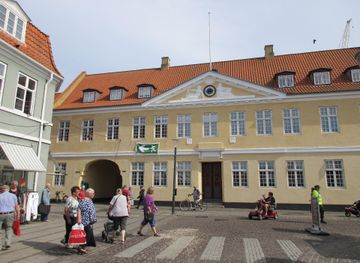
Explore more of Køge
Explore Køge, Denmark's coastal gem, with its medieval charm, beautiful marina, and close proximity to the stunning Stevns Klint UNESCO World Heritage site.
Explore Køge
Explore more of Denmark
Discover Denmark: A perfect blend of history, modern design, and the cozy concept of hygge. Explore vibrant cities, serene landscapes, and world-class cuisine.
Explore Denmark
