
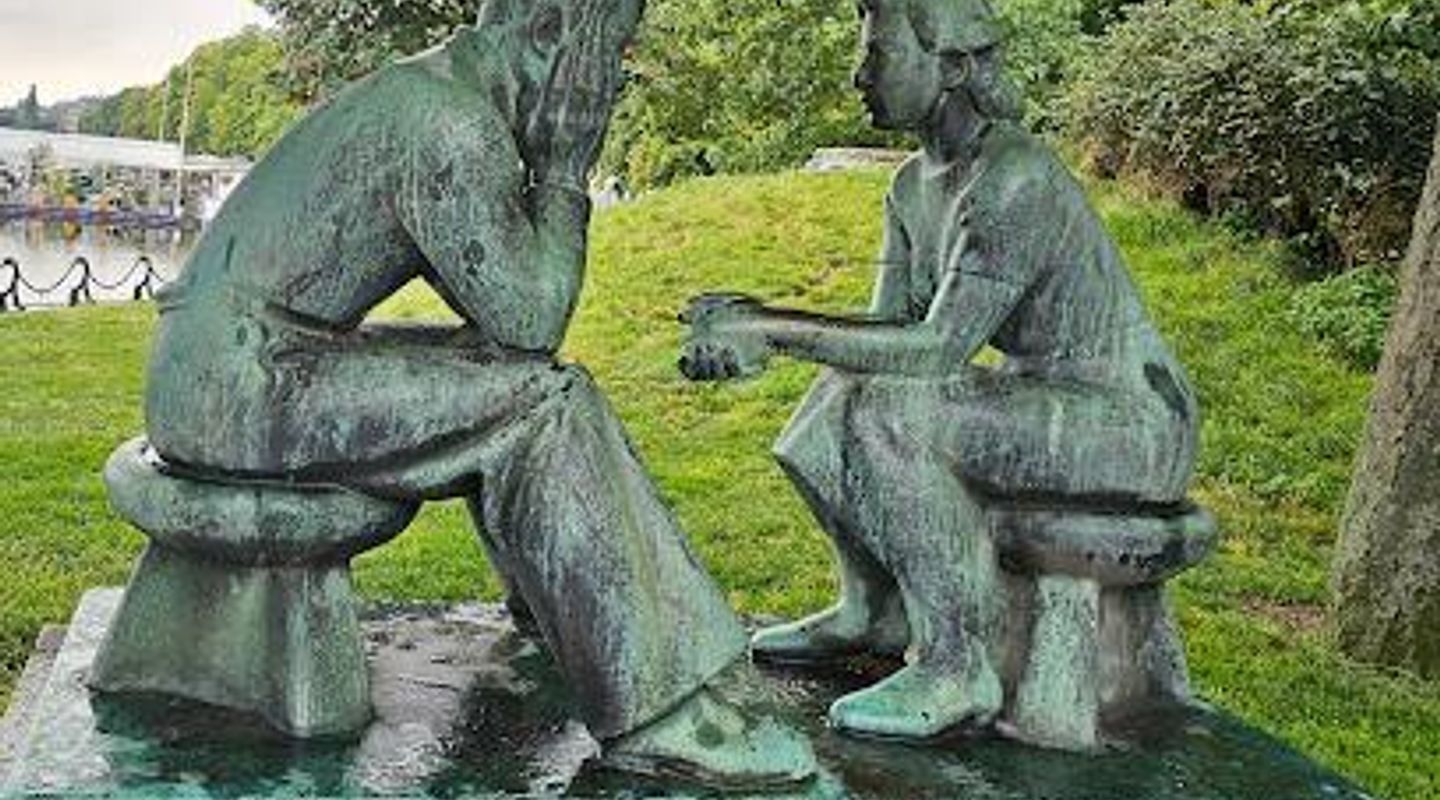
Søtorvet 2, Copenhagen Travel Guide
Elegant 1870s residential landmark where French architecture meets Copenhagen's cultural legacy.
Søtorvet 2 is an elegant late 19th-century residential building in Copenhagen, Denmark, part of the prestigious Søtorvet development completed between 1873 and 1876. Located at the gateway between the city center and Nørrebro district, this architecturally significant structure exemplifies French historicist design and overlooks the serene Copenhagen Lakes. The building once housed the legendary Café de la Reine, a cultural hub that attracted poets and intellectuals during the early 20th century.
A brief summary to Søtorvet 2
- Søtorvet 2, Copenhagen Municipality, København K, 1371, DK
- Duration: 0.5 to 2 hours
- Free
-
 Outdoor
- Mobile reception: 5 out of 5

Know before you go
Hi, I'm Eve. Here are a few practical things to know before exploring Søtorvet 2.
- Visit during late afternoon to capture the building's French-inspired façade in warm light, with the Copenhagen Lakes providing a serene backdrop for photography.
- Explore the surrounding Søtorvet square to appreciate the symmetrical architectural composition of all four buildings, which together create a unified urban design statement.
- Walk across the nearby Queen Louise Bridge to experience the transition between the historic city center and Nørrebro, understanding the building's role as an urban gateway.
- Research the history of Café de la Reine before visiting to fully appreciate the cultural significance this address held for Copenhagen's artistic community during the 20th century.
Do you manage this location?
Take control to get all the benefits, like improved information, better appearance, and stronger visibility across AI-powered discovery. Learn more about listing your business on Evendo
Activate your presenceOther nearby places you may find interesting
The closest places of the same kind, if this one is not quite what you had in mind.


Explore Søtorvet 2 on the Map
A handpicked selection of must-see spots near Søtorvet 2, mapped for you.
Getting There
-
Metro
Copenhagen Metro Line M1 or M2 to Nørreport Station, approximately 8–12 minutes travel time depending on origin. Exit toward Frederiksborggade and walk 3–5 minutes to Søtorvet 2. Single ticket costs approximately 24 DKK (3.20 EUR). Service runs every 3–4 minutes during peak hours, every 5–10 minutes off-peak.
-
Bus
Multiple bus routes serve the area, including lines 5A, 14, and 350S, with journey times of 15–25 minutes depending on route and starting point. Single ticket approximately 24 DKK (3.20 EUR). Buses stop at Nørreport Station or Søtorvet area. Service frequency varies from every 5–10 minutes on main routes to every 10–15 minutes on secondary routes.
-
Bicycle
Copenhagen's extensive cycle network provides direct access to Søtorvet 2. Journey times from central locations range from 5–15 minutes depending on origin. Bike rental services widely available throughout the city at approximately 80 DKK (11 EUR) per day. Dedicated cycle lanes connect most neighborhoods to the Søtorvet area.
-
Walking
From Nørreport Station (approximately 10–12 minutes on flat terrain) or from Tivoli Gardens (approximately 20–25 minutes). The route follows well-maintained streets with sidewalks throughout. Accessible year-round, though winter conditions may affect walking comfort.
For the on-the-go comforts that matter to you
-
 Seating Areas
-
 Food Options
-
 Drink Options
-
 Information Boards
Discover more about Søtorvet 2
A Gateway Between Worlds
Søtorvet 2 stands at one of Copenhagen's most distinctive urban intersections, where Frederiksborggade meets the Queen Louise Bridge and the shores of the Copenhagen Lakes. This elegant residential building forms part of the Søtorvet development, a symmetrically arranged ensemble of four buildings that serves as an architectural gateway between the historic city center and the vibrant Nørrebro district. The location's prominence stems not from accident but from deliberate urban planning following the demolition of Copenhagen's fortifications in the mid-19th century, which opened vast tracts of land for redevelopment.The Vision of Ferdinand Meldahl
Constructed between 1873 and 1876, Søtorvet 2 was designed under the supervision of Ferdinand Meldahl, one of Denmark's most influential architects of the period. Meldahl drew inspiration from French historicist architecture, infusing the building with continental elegance that distinguished it from typical Danish residential construction of the era. The development was commissioned by the Copenhagen Building Company, founded by the prominent businessman Carl Frederik Tietgen alongside other influential figures including J.C. Jacobsen, founder of Carlsberg. The architects Ferdinand Vilhelm Jensen and Vilhelm Petersen executed Meldahl's vision, creating a building that balanced residential comfort with architectural distinction.A Cultural Landmark and Social Hub
Søtorvet 2 achieved cultural significance through its ground-floor establishment, Café de la Reine, which opened around 1900 and became a legendary gathering place for Copenhagen's artistic and literary circles. The café's outdoor service area, sheltered by a roof, earned the affectionate nickname "Café la' det regne"—a Danish play on words meaning "Café let it rain." During the 1930s, the café became the preferred haunt of prominent poets including Sigfred Pedersen and Otto Gelsted, who would recite their work while standing on the tables, accompanied by pianist Niels Clemmensen. This bohemian atmosphere made Søtorvet 2 a symbol of Copenhagen's creative vitality during the interwar period. The café's operations ceased in 1940 following Nazi Germany's occupation of Denmark.Architectural Distinction and Urban Design
The building exemplifies the symmetrical planning principles that defined the Søtorvet development. Two buildings flank each side of Frederiksborggade, mirroring one another across the street in a carefully orchestrated composition. This architectural harmony was so striking that Ferdinand Meldahl reportedly regretted that no comparable development was ever constructed on the Nørrebro side of the Queen Louise Bridge, which would have created an even grander urban statement. The French historicist aesthetic, evident in the building's proportions, ornamentation, and overall composition, reflected the cosmopolitan aspirations of Copenhagen's elite during the late 19th century.Historical Residents and Significance
When the Søtorvet development was completed, actress and cultural figure Johanne Luise Heiberg was among the first residents, lending the address immediate social prestige. The building's location facing the Copenhagen Lakes provided residents with views of one of the city's most cherished natural features, while its proximity to the city center ensured convenient access to urban amenities. Over more than 150 years, Søtorvet 2 has remained a marker of Copenhagen's architectural heritage and a testament to the vision of 19th-century urban planners who transformed former military fortifications into elegant residential neighborhoods.












Your all‑in‑one travel companion app
Explore expert travel guides, compare and book tours, experiences, hotels, and more—all from the palm of your hand. Download now for seamless trip planning wherever your wanderlust takes you.


Explore More of Copenhagen
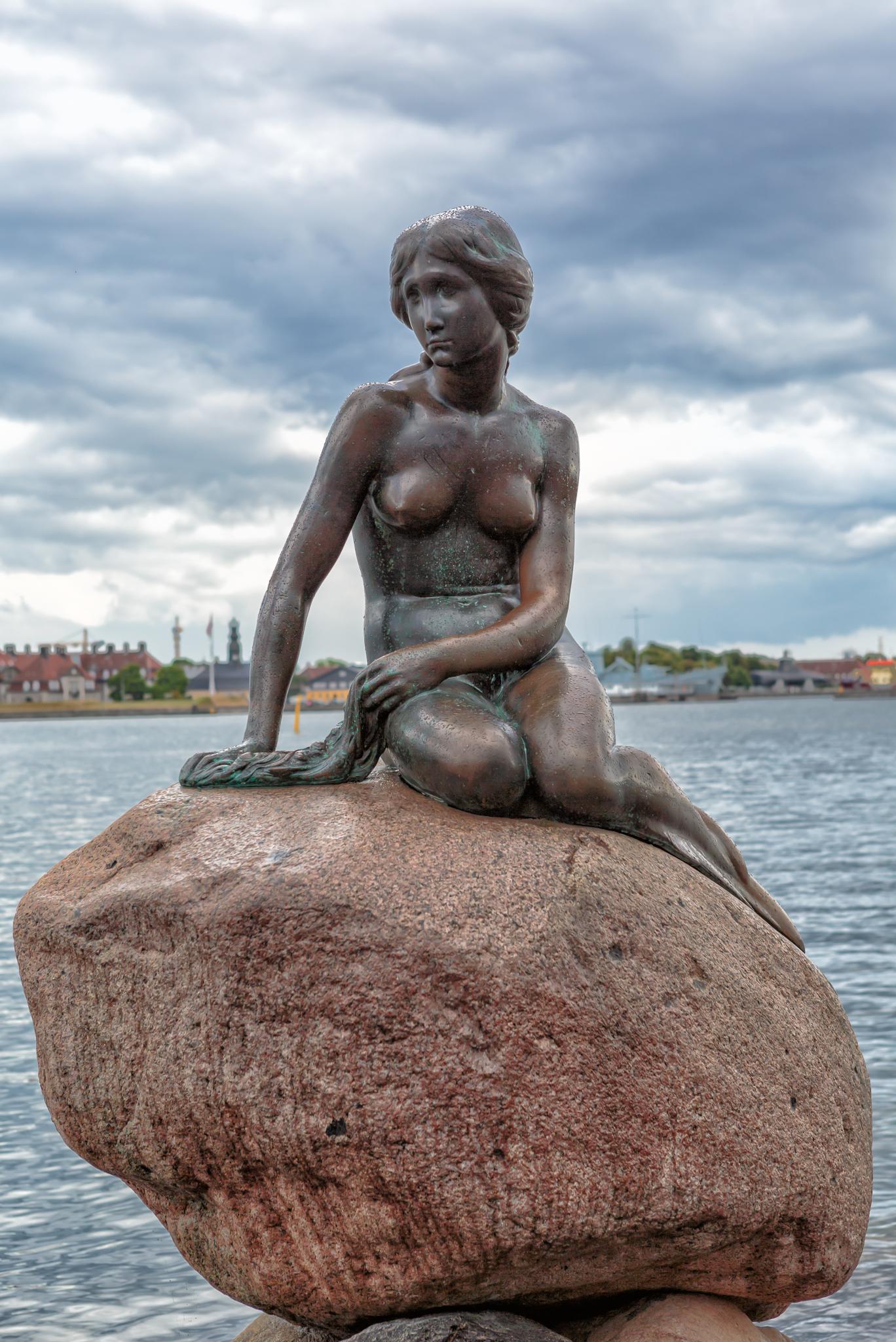
Looking beyond Søtorvet 2? Discover Copenhagen for broader travel guides, local hot-spots, and regional highlights.
Explore Copenhagen
Discover Rosenborg Castle, a stunning Renaissance fortress in central Copenhagen where royal history, crown jewels, and lush gardens create a journey through Danish royalty.
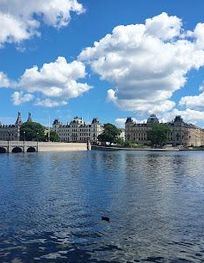
An elegant 1887 granite bridge uniting Copenhagen's city centre with vibrant Nørrebro, crowned by neon lights and historic charm.
