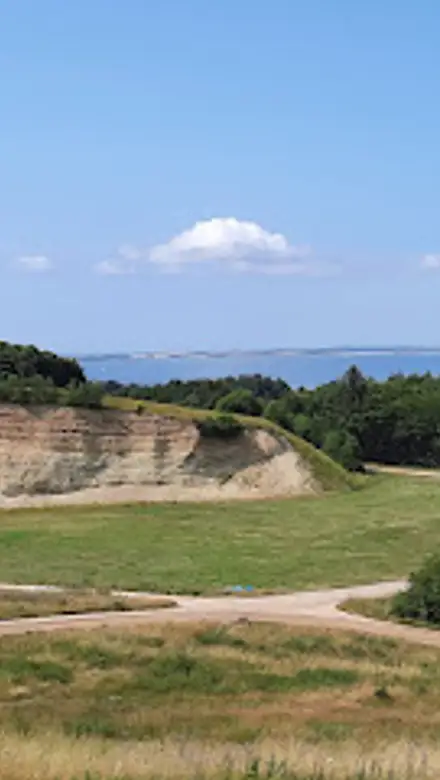
Molermanden Travel Guide
Free Guide: Bronze tribute to Fur’s moler workers, standing above the quarries with sweeping views across the Limfjord, where industrial heritage meets ancient geology and open skies.


A brief summary of Molermanden
Bronze tribute to Fur’s moler workers, standing above the quarries with sweeping views across the Limfjord, where industrial heritage meets ancient geology and open skies.
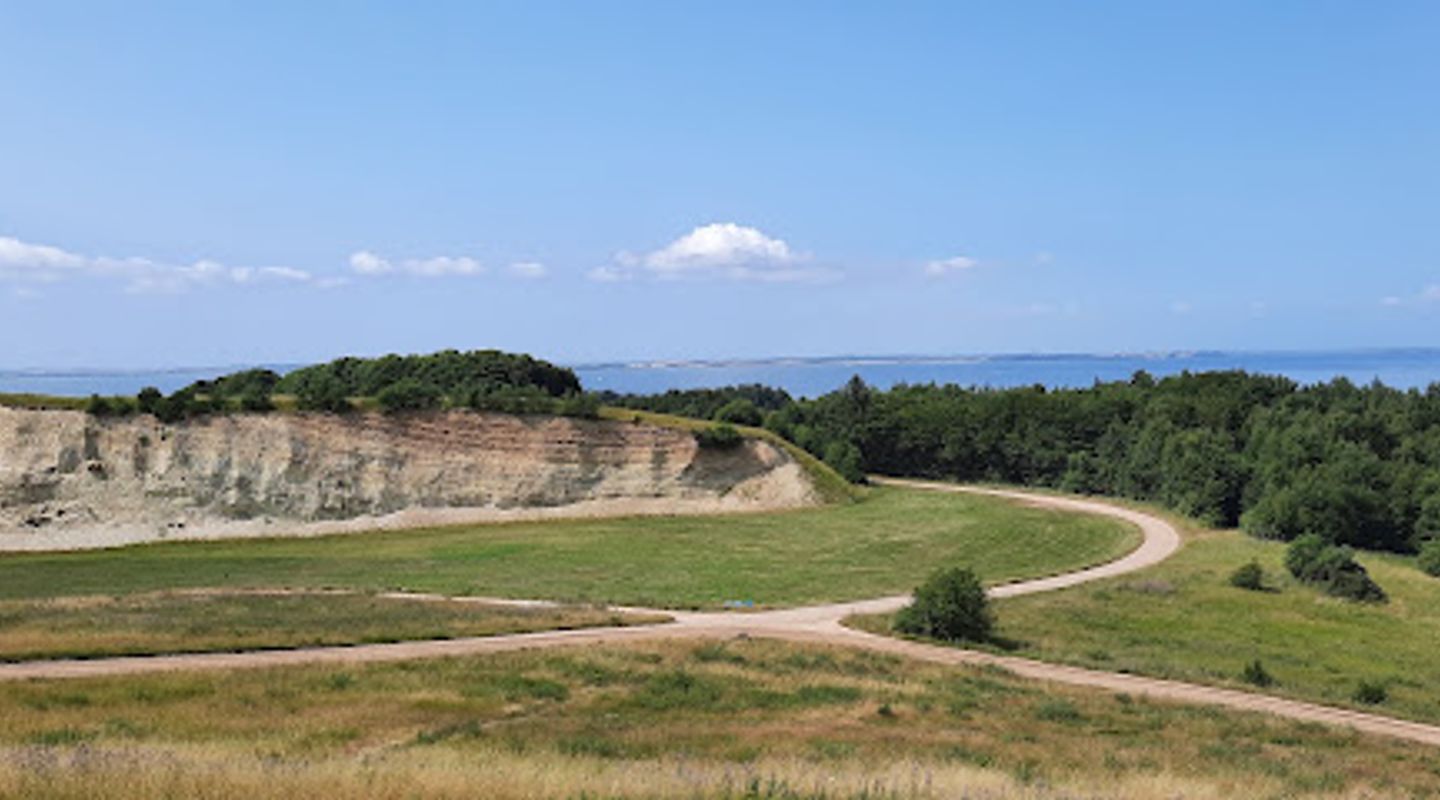
Molermanden is a striking bronze sculpture set on a hilltop above the moler pits on the island of Fur in the Limfjord. The life-sized figure represents a local moler worker, gazing out across the man‑made quarry landscape, the rolling natural hills, the fjord and the distant island of Livø. With nearby benches, an information board and wide-open views, it is a quiet but powerful stop that links Fur’s industrial past with its dramatic geology and coastal scenery.
On-site amenities
 Seating areas
 Picnic areas
 Information boards
 Trash bins
- Address
- Bette Jenses Vej 8, 7884 Fur
Getting there
Car from Fur ferry harbour
Bicycle from central Fur
Walking from nearby viewpoints
Discover more about Molermanden
A working man watching over Fur’s moler landscape
Molermanden is a bronze sculpture standing on the heights above the moler quarries in northern Fur, a small island in the Limfjord. The figure represents a moler worker, one of the men who spent their lives extracting the unique diatomite clay that has shaped Fur’s landscape and history. Slightly larger than life at around 1.8 metres high, he stands upright with a steady, grounded posture, as if pausing briefly during a long day in the pits.From his vantage point, Molermanden looks out across a landscape deeply marked by human hands: stepped quarry walls, pale moler faces and the muted colours of a man‑made resource landscape. The sculpture captures both pride and fatigue, a tribute to the physical labour that transformed these hillsides and supported local livelihoods for generations.
Where quarry scars meet fjord horizons
Turn your gaze in the same direction as the sculpture and the view opens dramatically. In front of you lie the raw shapes of the moler pits, but beyond them the scene softens into the blue-grey surface of the Limfjord, the low silhouette of Livø and gently rolling farmland. It is this contrast that makes Molermanden’s location so evocative: the hard geometry of industry set against the wider, older rhythms of water and sky.On clear days you can pick out layers in the distant cliffs and the horizontal line of the fjord cutting through the view. In shifting weather the mood changes quickly, from sharp, sunlit definition of quarry terraces to mist-softened outlines and glinting water. Even in wind or cloud, the exposed hilltop adds to the sense of standing at a meeting point between natural processes and human endeavour.
Moler, fossils and the story under your feet
The ground around Molermanden is formed of moler, a fine, light-coloured clay laid down on the seabed around 55 million years ago. Layer upon layer of microscopic algae, volcanic ash and sediment settled here when much of what is now Denmark lay beneath a warm sea. Over time, these layers trapped and preserved an extraordinary range of fossils: fish, insects, plants and even reptiles, today uncovered in the quarries of Fur and nearby Mors.Standing by the sculpture, it is easy to imagine the workers cutting into these deposits, exposing both economic value and scientific treasure. Information boards near the site explain how the moler industry developed and how quarrying revealed the geology that makes Fur famous among fossil specialists. In this sense Molermanden is more than a monument to labour; he also points toward the deep time story hidden in the cliffs and spoil heaps below.
A quiet pause on Fur’s northern heights
Despite its industrial theme, Molermanden is a peaceful place to linger. Benches and simple picnic tables nearby invite you to sit and take in the panorama, listen to the wind and the distant calls of birds that circle above the pits. The setting feels spacious but not remote: bumpy tracks, fields and other viewpoints such as Bispehuen are all within walking distance, tying Molermanden into a wider network of short walks on the island’s northern rim.The sculpture’s simplicity rewards slow looking. From close up you can see details of clothing folds, work boots and the slightly weathered bronze surface, coloured by years of sun, rain and salt-laden air from the fjord. Visit at different times of day and the character shifts: crisp morning light outlines his profile sharply, while late afternoon sun throws long shadows across the quarry edges and emphasises the warm tones in the metal.
Linking Fur’s heritage, art and open-air experiences
Molermanden fits naturally into a day exploring Fur’s moler landscape. Nearby viewpoints, walking routes and geological stops show the same story from different angles: the folded layers of Knudeklinterne, the remains of early mining attempts and the continuing traces of extraction. Museums elsewhere on the island display fossils found in these very pits, completing the circle between underground history and surface experience.For many visitors, the sculpture becomes a quiet anchor point in this broader narrative. It embodies the island’s mix of natural beauty, industrial heritage and understated artistry. Whether you pause here briefly during a walk or stay longer with a thermos and a map, Molermanden offers a simple but memorable way to connect with Fur’s landscape, its working past and the long geological timeline beneath your feet.
Evendo Review Centre
 Google
Guest reviews
Best time to go
Quietest: Jan, Feb & Dec · before 8am or at 7pm
Busy times are Evendo estimates for a typical year, to help you plan. Actual crowds vary with events, school holidays and the weather.
Explore Molermanden on the map
A handpicked selection of must-see spots near Molermanden, mapped for you.
Get your free copy of our complete guide to Molermanden, delivered straight to you.
Everything on this page, from opening hours and how to get there to Eve’s tips and the best time to go, in one PDF you can read offline, print or share.
Already have an account? Sign in
Your Molermanden guide is ready.
We'll send it to · Not you? Sign out

Getting your guide ready…
We are putting together a fresh copy of the Molermanden guide. This can take up to a minute.
This can take a few moments. If your browser asks, choose Allow so the download can start. You'll find the guide in your Downloads folder.
Nothing happened? Download it again
Sorry, the guide is taking longer than usual. Please try again in a minute, or get it by email instead.
Other nearby places you may find interesting
The closest places of the same kind, if this one is not quite what you had in mind.
-
-
-
-
-


Swipe for more places
More to explore near Molermanden

 Best experiences near Molermanden
 Best hotels near Molermanden
 Best landmarks near Molermanden
 Best attractions near Molermanden
 Best shops near Molermanden
 Best restaurants near Molermanden
 Best bars near Molermanden
Do you manage this location?
Take control to get all the benefits, like improved information, better appearance, and stronger visibility across AI-powered discovery.
Explore more
Explore more of Limfjord
Discover Limfjord in Denmark: A serene waterway offering a blend of nature, culture, and history with charming villages, Viking sites, and vibrant arts scenes.
Explore Limfjord
Explore more of Denmark
Discover Denmark: A perfect blend of history, modern design, and the cozy concept of hygge. Explore vibrant cities, serene landscapes, and world-class cuisine.
Explore Denmark