Fur Travel Guide
Free Guide: A compact Danish island where ancient moler cliffs, fossil-rich clay pits and soft Limfjord horizons create a quietly dramatic landscape for slow exploration.


A brief summary of Fur
A compact Danish island where ancient moler cliffs, fossil-rich clay pits and soft Limfjord horizons create a quietly dramatic landscape for slow exploration.
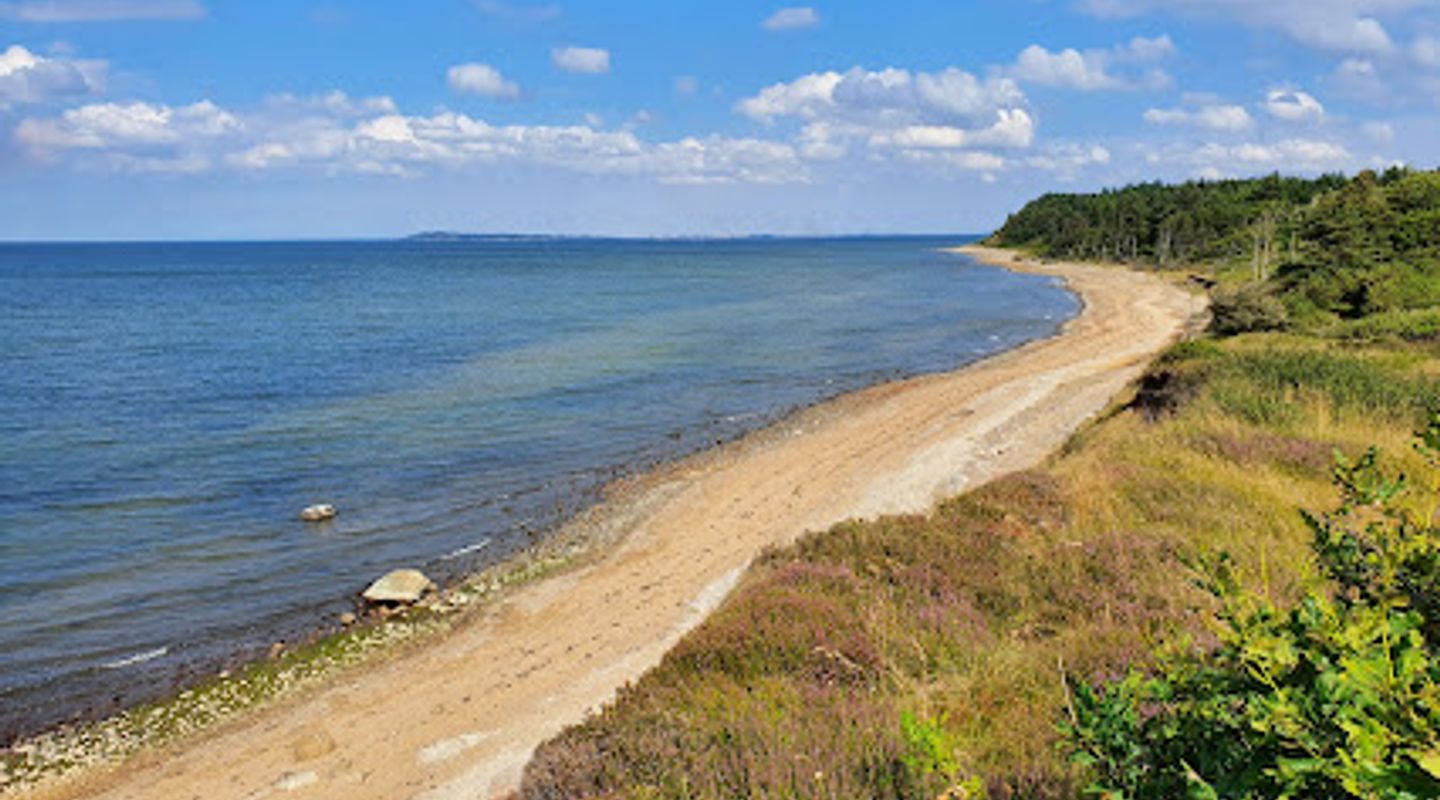
Fur is a small, geologically unique island in Denmark’s Limfjord, famed for its dramatic moler cliffs, fossil-rich clay pits and serene coastal landscapes. Just a few minutes by ferry from the mainland, it blends wild nature with a quietly lived-in feel: tidy villages, a working harbor, a local brewery, and a museum filled with 55‑million‑year‑old fossils. Ideal for slow exploration on foot or by bike, Fur offers big views, layered cliffs and a gentle, timeless atmosphere.
On-site amenities
 Restrooms
 Picnic areas
 Trash bins
 Information boards
 Visitor centre
 Seating areas
 Drinking water
 Food options
 Drink options
 Sheltered areas
- Address
- 7884 Fur
- Website
Getting there
Car and ferry from Branden (Salling)
Public bus and ferry via Skive
Cycling to the ferry and around the island
Discover more about Fur
Layered Cliffs at the Heart of the Island’s Story
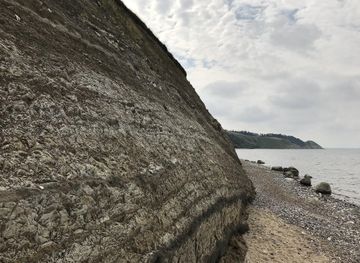
Fur rises gently from the Limfjord, but its coastline tells a dramatically ancient story. Along the north and west shores, steep escarpments reveal rhythmic bands of pale moler and dark volcanic ash, stacked like pages in an exposed history book. These 55‑million‑year‑old sediments, unique to the Limfjord region, give the island its sculpted slopes, crumbling gullies and sculptural pillars such as Knudeklint and the striking Bispehuen, the “Bishop’s Hat”. When the light is low and warm, the cliffs glow in muted gold and grey, and every small landslip exposes new textures and fossils.The same moler was long quarried in open pits inland, leaving amphitheatre-like hollows where the layers curve and fold. Today these former industrial landscapes feel almost theatrical: steep walls, odd outcrops and quiet pools, with interpretation boards in places and informal paths that invite careful exploration. It is here, in these pits and along the beaches, that lucky searchers may spot the delicate imprint of a fish, a leaf or an insect preserved in the stone.
Quiet Villages, Working Fields and Small Forests
Away from the cliffs, Fur has a softer, more domestic side. Low farmhouses and barns sit among fields of grain and grass, stitched together by hedgerows and narrow roads. The main settlement areas have the understated neatness typical of Danish islands: painted homes, clipped gardens, and a small selection of local shops that serve both residents and visitors without disturbing the island’s calm.Pockets of woodland, especially in the northern part of the island, add another layer of texture. The forests are relatively young by local standards, re‑established after earlier clearance, and they now provide shady walking routes, shelter for roe deer and birds, and a gentle contrast to the open shorelines. Between fields, forest and fjord, Fur’s landscape feels varied yet compact, easy to understand in a single day and rewarding if you stay longer.
Museum Fossils and Everyday Island Life
Fur Museum acts as a key to the island’s deep time. Its exhibitions focus on the moler formation and the extraordinary fossils found within it: complete fish, fragile insects, leaves and other traces from an ancient seabed. Displays on agriculture and fishing help bridge the gap between distant geological epochs and the recent centuries during which people have shaped the land, fished the surrounding waters and quarried the clay.Close by and scattered around the island, small galleries, ceramic workshops and craft spaces pick up on this meeting of nature and culture. Clay inspires ceramics, the soft colours of the cliffs appear in glazes, and local themes surface in paintings and textiles. A microbrewery and inn add another dimension, pairing Limfjord views with locally brewed beer and dishes built around regional ingredients, making it easy to fold a meal or tasting into a day of walking or cycling.
Harbors, Beaches and Limfjord Horizons
Fur’s relationship with the water is constant yet understated. At the main harbor, working quays sit beside leisure craft, and there are picnic tables, a small playground and open views across the fjord. Ferry traffic gives the place a gentle pulse, but the scale remains human: you are never far from the sound of halyards, the smell of saltwater and the sight of low shores on the opposite side.Along the northern shore, beaches such as Nordstrand mix sand, stones and gravel, with a bathing jetty extending over shallow, often clear water. The Limfjord is sheltered compared with the open North Sea, so the coastline feels intimate rather than wild. On calm days the water can be mirror‑smooth; in stronger winds it chops into short waves that fling spray against the stones. At many points you can simply sit on a log or boulder and watch clouds drift over the fjord.
Exploring Fur on Foot or by Bicycle
For visitors, Fur is best experienced slowly. Marked hiking routes link viewpoints on the cliffs with forest paths and quieter inland roads. Typical walks might trace the northwest coast from the high bluffs down to beaches dotted with driftwood, then climb to open hilltops with wide views over Livø, Mors and the fjord. Cyclists can loop the island in a leisurely day, pausing at clay pits, churches, harbors and small cafes.The distances are modest, and gradients are usually gentle, making outings accessible to a broad range of ages and fitness levels. Even so, the cliff paths and beaches demand sensible footwear, attention to signed safety boundaries and respect for fragile formations. Combined with the island’s compact size, this mix of manageable adventure and striking scenery gives Fur its particular appeal: an intimate island where you can touch deep time without ever being far from a warm meal or a quiet bench.
Evendo Review Centre
 Google
Guest reviews
Best time to go
Quietest: Jan, Feb & Mar · before 6am
Busy times are Evendo estimates for a typical year, to help you plan. Actual crowds vary with events, school holidays and the weather.
Explore Fur on the map
A handpicked selection of must-see spots near Fur, mapped for you.
Get your free copy of our complete guide to Fur, delivered straight to you.
Everything on this page, from opening hours and how to get there to Eve’s tips and the best time to go, in one PDF you can read offline, print or share.
Already have an account? Sign in
Your Fur guide is ready.
We'll send it to · Not you? Sign out

Getting your guide ready…
We are putting together a fresh copy of the Fur guide. This can take up to a minute.
This can take a few moments. If your browser asks, choose Allow so the download can start. You'll find the guide in your Downloads folder.
Nothing happened? Download it again
Sorry, the guide is taking longer than usual. Please try again in a minute, or get it by email instead.
Other nearby places you may find interesting
The closest places of the same kind, if this one is not quite what you had in mind.
-
-
-
-
-


Swipe for more places
More to explore near Fur

 Best experiences near Fur
 Best hotels near Fur
 Best landmarks near Fur
 Best attractions near Fur
 Best shops near Fur
 Best restaurants near Fur
 Best bars near Fur
Do you manage this location?
Take control to get all the benefits, like improved information, better appearance, and stronger visibility across AI-powered discovery.
Explore more
Explore more of Limfjord
Discover Limfjord in Denmark: A serene waterway offering a blend of nature, culture, and history with charming villages, Viking sites, and vibrant arts scenes.
Explore Limfjord
Explore more of Denmark
Discover Denmark: A perfect blend of history, modern design, and the cozy concept of hygge. Explore vibrant cities, serene landscapes, and world-class cuisine.
Explore Denmark