Background

Museum Silkeborg, Hovedgården

Step inside Silkeborg’s oldest manor house to meet the eerily lifelike Tollund Man and explore 2,000 years of local history, crafts and everyday lives in Jutland.

4.3

Housed in Silkeborg’s oldest building, the 1767 manor known as Hovedgården, Museum Silkeborg is the home of the world‑famous Tollund Man and Elling Woman – astonishingly well‑preserved Iron Age bog bodies that bring prehistory chillingly close. Inside, thoughtfully curated exhibits trace the story of the Silkeborg area from ancient times and the early Iron Age through the town’s 19th‑century growth, castle history, Renaissance crafts and everyday life, making this one of Denmark’s most compelling regional museums.

A brief summary to Museum Silkeborg, Hovedgården

  • Hovedgårdsvej 7, Silkeborg, 8600, DK
  • +4586821499
  • Visit website
  • Duration: 1.5 to 3 hours
  • Budget
  • Environment icon Indoor
  • Mobile reception: 5 out of 5
  • Tuesday 11 am-4 pm
  • Wednesday 11 am-4 pm
  • Thursday 11 am-4 pm
  • Friday 11 am-4 pm
  • Saturday 11 am-4 pm
  • Sunday 11 am-4 pm

Local tips

  • Plan at least two hours so you can spend unhurried time with the Tollund Man and Elling Woman, then continue through the archaeological and town-history galleries.
  • Check current opening hours and any seasonal Monday openings, as the museum often follows varied timetables during school holidays and around Easter and Christmas.
  • Bring a light layer: temperatures near the bog body displays can feel slightly cool compared with the rest of the building.
  • Combine Hovedgården with a visit to the nearby Paper Museum or lakefront paths to turn your museum stop into a full day in Silkeborg.
  • Photography rules may vary near the bog bodies, so check signage or ask staff before taking close-up photos of the displays.
widget icon

Getting There

  • Regional train and short walk from Aarhus

    From Aarhus, take a regional train to Silkeborg Station, with departures typically every 30–60 minutes and a travel time of around 45–60 minutes. Standard adult fares are usually in the range of 80–120 DKK one way, depending on time and ticket type. From the station, allow about 15–20 minutes on foot through central Silkeborg on mostly level pavements. This option suits most visitors, though those with limited mobility may prefer a local bus or taxi for the final stretch.

  • Car from Aarhus or Viborg

    Driving to Museum Silkeborg, Hovedgården from cities such as Aarhus or Viborg typically takes 45–60 minutes, using well-maintained main roads across central Jutland. Expect fuel and road costs equivalent to roughly 40–80 DKK each way, depending on distance, consumption and sharing. Central Silkeborg offers paid parking areas within walking distance of the museum, with fees that are usually moderate but may vary by zone and duration. At busy times, allow extra time to find a space.

  • Local bus within Silkeborg

    Within Silkeborg, city and regional buses connect residential districts and nearby towns to the centre, from where you can walk to the museum in roughly 10–15 minutes. Typical bus journeys in the local zone last 10–25 minutes and single tickets generally cost around 20–30 DKK, with discounts available via travel cards. Service frequency is usually higher on weekdays than late evenings or Sundays, so it is worth checking the timetable in advance, especially outside peak hours.

Museum Silkeborg, Hovedgården location weather suitability

  • Weather icon Any Weather
  • Weather icon Rain / Wet Weather
  • Weather icon Cold Weather
  • Weather icon Mild Temperatures

Unlock the Best of Museum Silkeborg, Hovedgården

Buy tickets

    No tickets available

Book tours with entry

    No tours available

Book tours without entry

    No tours available

Discover more about Museum Silkeborg, Hovedgården

Silkeborg’s Old Manor House Reimagined

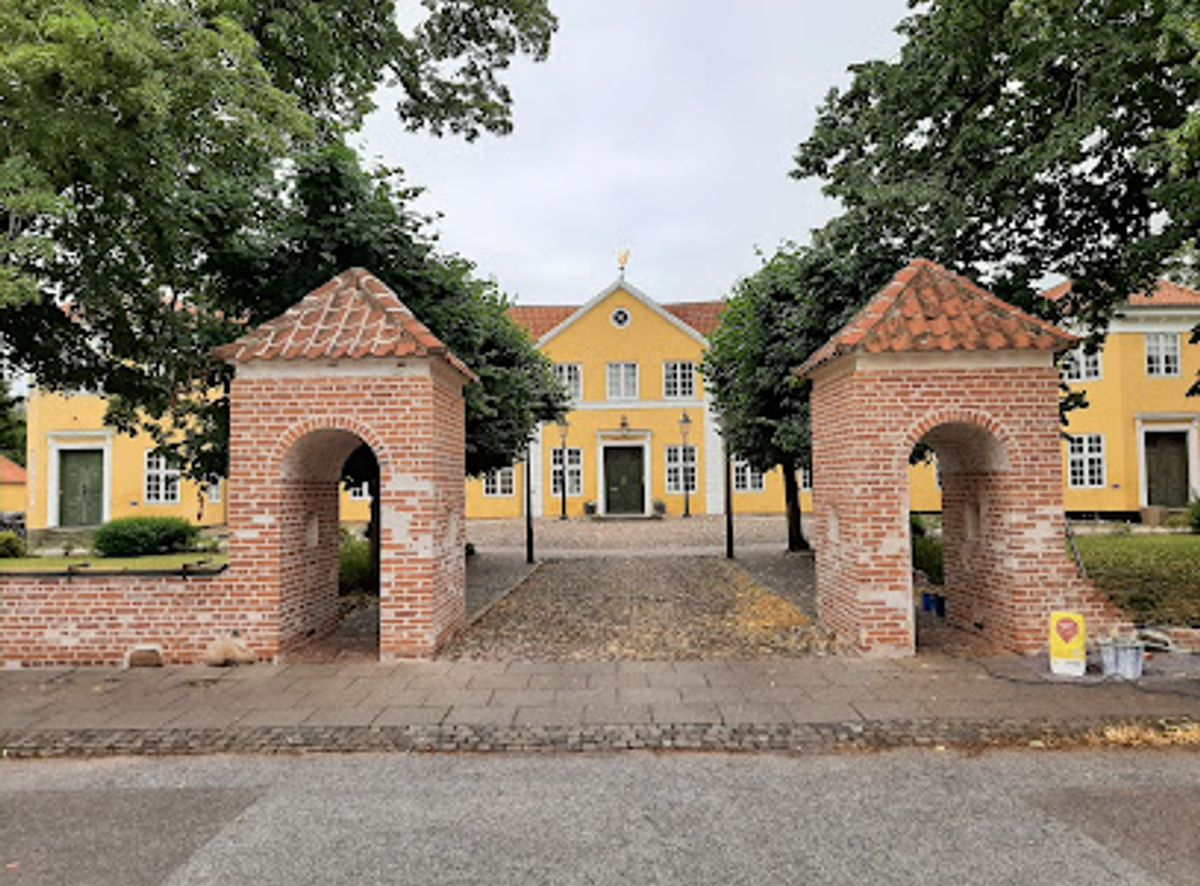
Museum Silkeborg’s main department, Hovedgården, occupies the city’s oldest building, a manor house completed in 1767. Parts of its structure were built using materials from the former Silkeborg Castle, so the walls themselves embody several layers of local history. High-ceilinged rooms, creaking floors and thick masonry create an intimate yet stately setting that contrasts with the cutting-edge stories told inside. As you move through the manor, you sense how this was once an elite residence on the edge of the heath. Today, carefully designed galleries, atmospheric lighting and discreet display cases turn the historic house into a chronological journey through the Silkeborg region, from prehistoric landscapes to the rise of a modern town in the 19th century.

The Unforgettable Face of Tollund Man

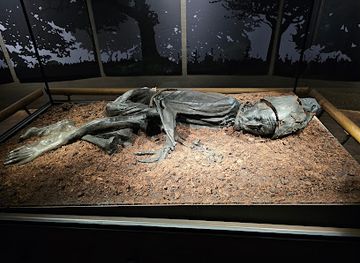
The museum’s most famous inhabitant is Tollund Man, often described as the world’s best-preserved bog body. Discovered in 1950 in a nearby bog, his body lay in the peat for over two millennia, yet his features remain startlingly lifelike. Fine stubble on his chin, the curve of his lips and the peaceful expression on his closed eyes make it easy to forget that you are looking at someone who died around the 4th century BC. Exhibits around him explain how peat bogs, low in oxygen and rich in tannins, can tan human tissue much like leather, preserving skin and organs while dissolving bones. Panels and objects explore theories about his death: the noose still around his neck suggests hanging, but his careful placement in the bog hints at ritual sacrifice rather than simple execution. Nearby, the Elling Woman adds a further dimension to the story of Iron Age belief, punishment and ceremony.

Iron Age Lives and Local Archaeology

Beyond the famous bog bodies, Hovedgården presents a wide-ranging archaeological collection focused on the Early Iron Age. Pottery, tools, weapons and ornaments recovered from graves and settlements illuminate everyday life in the centuries around Tollund Man’s time. Maps and models reconstruct farmsteads and fields, helping you visualise how small communities depended on the surrounding heath and forest. Interactive elements and clear explanations shed light on burial customs, farming techniques and trade networks reaching far beyond Jutland. You can follow the evolution from simple iron tools to more sophisticated craftsmanship, and see how religious practice shifted as people negotiated a landscape of gods, ancestors and powerful natural places.

From Castle Ruins to Industrial Town

A different set of galleries traces Silkeborg’s story from a modest stronghold to a thriving town. Displays about Silkeborg Castle, now vanished, show its strategic position by the lake system and its role in controlling trade and taxation. Architectural fragments, maps and drawings reconstruct the lost fortress and the manor house that later replaced it. The narrative then jumps to the 19th century, when the establishment of a paper mill and improved transport links triggered rapid growth. Period interiors, such as an elegant empire-style living room, immerse you in the tastes of the emerging bourgeoisie. Exhibits on local crafts, including Sorring pottery and Renaissance glass production, reveal how skilled artisans helped define the region’s identity long before mass industry arrived.

Craft Traditions, Workers’ Stories and Changing Times

Hovedgården also connects to broader themes in Danish social history. Sections on artisan workshops highlight how potters, glassmakers and other producers balanced tradition with innovation, creating objects that travelled far beyond Silkeborg. Labels and objects trace how styles changed through the Renaissance and into the industrial age, mirroring shifts in wealth and fashion. The museum’s links to a separate workers’ museum underscore the transformation of everyday life in the early 20th century, when factory labour, housing conditions and political awareness reshaped the town. Even if you only explore Hovedgården, you gain a sense of how national developments in labour, welfare and democracy played out in this lakeside community.

Visiting Today: Calm, Manageable and Insightful

A visit to Museum Silkeborg, Hovedgården is compact yet dense with stories, ideal for a half-day outing. Most exhibitions are housed on a few levels within the manor, making the route easy to follow and not physically demanding for most visitors. Clear bilingual information caters well to international guests, and staff are accustomed to explaining the finer points of the bog bodies’ science and history. Facilities typically include restrooms, small seating areas and a modest shop, and the central Silkeborg location means cafés and green spaces are close at hand. Combined with other Museum Silkeborg departments in town, Hovedgården forms part of a broader cultural circuit that links prehistory, industrial heritage and landscape, all within one of Denmark’s most lake-studded regions.

Busiest months of the year

Busiest hours of the day

Popular Experiences near Museum Silkeborg, Hovedgården

Popular Hotels near Museum Silkeborg, Hovedgården

Select Currency