Tollundmanden, Silkeborg Travel Guide
Meet the Tollund Man, a 2,400‑year‑old bog body whose hauntingly preserved face and story of ritual, death and discovery define Museum Silkeborg’s Iron Age heart.
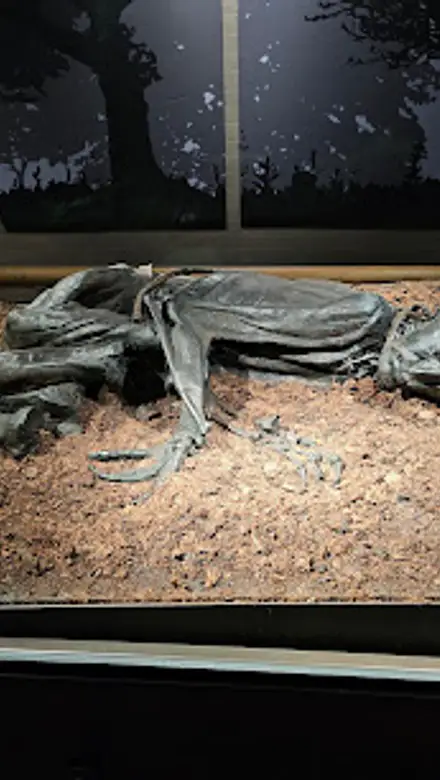
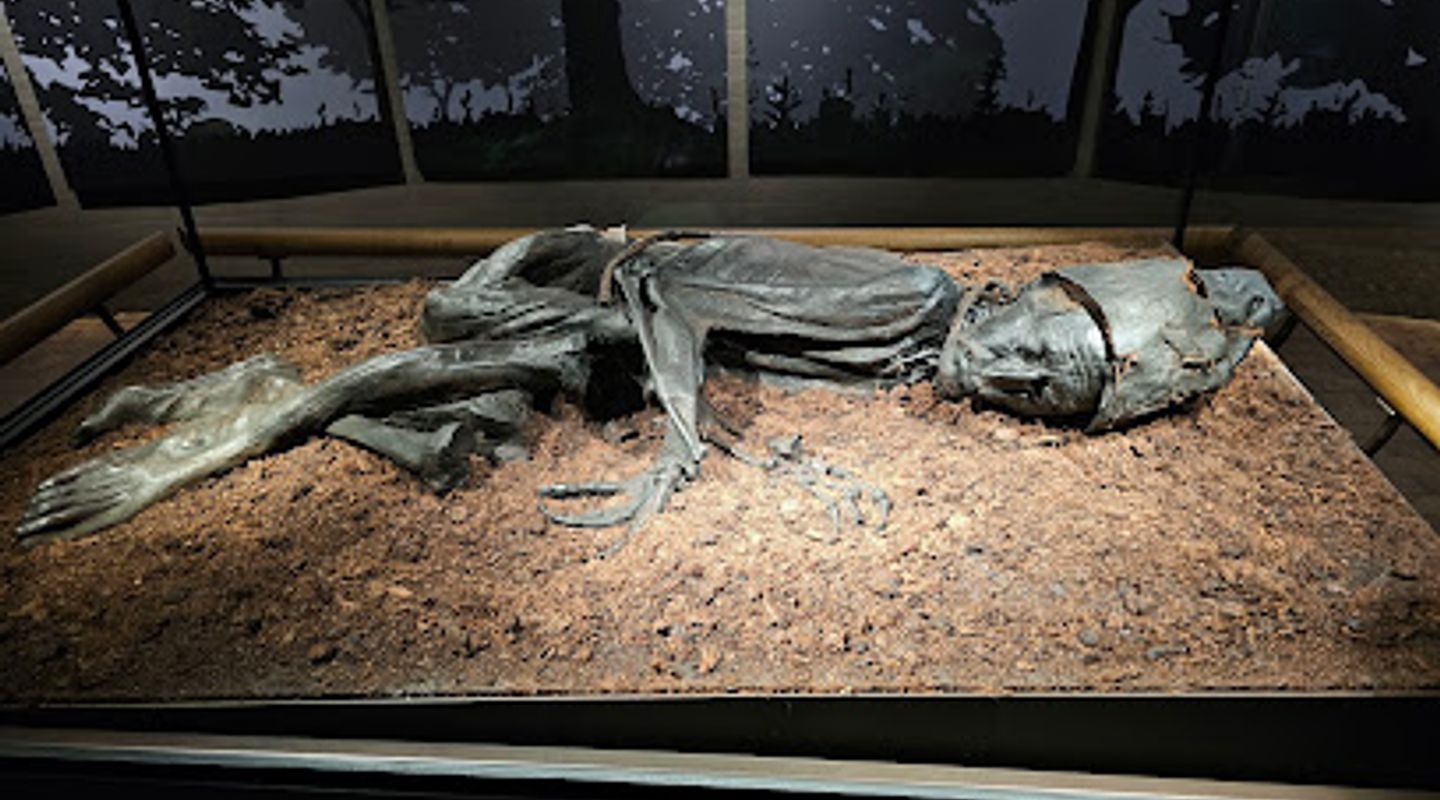
On display at Museum Silkeborg in Hovedgårdsvej, the **Tollund Man** is one of the world’s best-preserved bog bodies, discovered in 1950 in a peat bog west of Silkeborg. His remarkably intact face and leather noose reveal a 2,400‑year‑old story from the early Iron Age, where ritual, sacrifice and daily life intertwined. This compact, atmospheric exhibition combines archaeology, forensic science and storytelling to bring an ancient Dane startlingly close.
A brief summary to Tollundmanden
- Hovedgårdsvej 7, Silkeborg, 8600, DK
- Duration: 1 to 2.5 hours
- Mid ranged
-
 Indoor
- Mobile reception: 5 out of 5

Know before you go
Hi, I'm Eve. Here are a few practical things to know before exploring Tollundmanden.
- Allow at least 60–90 minutes if you want to explore both the Tollund Man and the surrounding Iron Age and regional history exhibitions, not just the main display case.
- Bring a light layer: indoor temperatures are kept relatively cool and stable for conservation, which can feel chilly if you linger near the bog body displays.
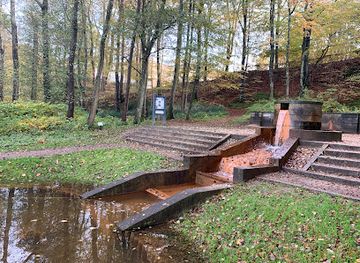
- Combine your visit with a walk or short excursion to the Bølling Lake area west of Silkeborg to picture the bog landscape where Tollund Man and Elling Woman were found.
- Check current opening hours and any special exhibitions in advance, as seasonal holidays and school breaks can change the museum schedule.
- If visiting with sensitive children, prepare them for the realism of a real human body on display and consider starting with the broader Iron Age section first.
Do you manage this location?
Take control to get all the benefits, like improved information, better appearance, and stronger visibility across AI-powered discovery. Learn more about listing your business on Evendo
Activate your presenceOther nearby places you may find interesting
The closest places of the same kind, if this one is not quite what you had in mind.
Explore Tollundmanden on the Map
A handpicked selection of must-see spots near Tollundmanden, mapped for you.
Getting There
-
Regional train and short walk from central Silkeborg
From cities such as Aarhus or Herning, take a regional train to Silkeborg Station; journeys typically take 40–60 minutes from Aarhus and 30–45 minutes from Herning, with regular departures throughout the day. From the station, plan around 20–25 minutes on foot through the town centre to reach Hovedgårdsvej. Standard off‑peak one‑way adult fares on these routes are usually in the range of 60–110 DKK depending on distance, ticket type and time of purchase. Trains are step‑free, but some older pavements in town can be uneven, so travellers with reduced mobility may prefer a bus or taxi for the final part.
-
Local bus within Silkeborg
Several city bus lines connect Silkeborg Station and residential districts with stops within a few minutes’ walk of Hovedgårdsvej, making public transport a practical choice if you prefer not to walk. Typical travel times across town are 10–20 minutes, depending on route and traffic. Single adult tickets bought from the driver or via regional transport apps usually cost around 20–30 DKK within the local zone system. Buses generally run more frequently on weekdays than on late evenings and Sundays, so it is worth checking the latest timetable when planning your visit.
-
Taxi from Silkeborg town centre
For a direct and comfortable option, you can use a licensed taxi from central Silkeborg or the railway station to Hovedgårdsvej, with a typical journey time of about 5–10 minutes in normal traffic. Daytime fares for such a short intra‑city trip often fall in the range of 80–140 DKK, depending on exact distance, waiting time and time of day, with supplements in evenings and on weekends. Taxis are convenient for visitors with limited mobility or when travelling with young children, but they are more expensive than buses or walking.
-
Car from the surrounding Jutland region
If you are driving from elsewhere in Jutland, Silkeborg is linked by main roads to towns such as Aarhus, Viborg and Herning, with typical driving times of 30–50 minutes from these larger centres in normal conditions. Fuel and vehicle costs will vary, but for planning purposes a one‑hour round trip by private car in Denmark often equates to fuel costs of roughly 60–120 DKK depending on distance and vehicle efficiency. Traffic is usually light to moderate outside weekday rush hours, and central Silkeborg offers a mix of time‑limited and paid parking; always check local signs for current rules and fees.
For the on-the-go comforts that matter to you
-
 Restrooms
-
 Drink Options
-
 Drinking Water
-
 Food Options
-
 Seating Areas
-
 Trash Bins
-
 Information Boards
-
 Visitor Center
Discover more about Tollundmanden
Face to face with a man from the Iron Age
Standing in the dim light of the gallery, you come almost eye to eye with a man who died more than 2,400 years ago. The Tollund Man, discovered in 1950 in the Bjældskovdal bog near Bølling Lake west of Silkeborg, lies in a glass case with his knees drawn up and a leather cord still looped around his neck. His features are so delicately preserved that early finders believed they had stumbled upon a recent crime scene rather than an ancient burial.What you see today is his original head and soft features mounted on a carefully reconstructed body, built from his skeletal remains when conservation of an entire bog body was still impossible. The closed eyes, faint stubble and peaceful expression make him feel uncannily alive, collapsing the distance between the Iron Age and the present.An extraordinary journey from peat bog to museum
The Tollund Man’s story begins with peat cutters working in Bjældskovdal in May 1950. When their spades revealed a body lying more than two metres down in the peat, the police were called. Only when the depth of the find and the lack of recent disturbance became clear was the case handed over to archaeologists, who realized that this was a unique Iron Age burial preserved by the oxygen‑poor, acidic bog environment.At Museum Silkeborg, conservators decided to preserve the head, one foot and a finger, while the rest of the soft tissue later decayed. In the 1980s a full‑size body was reconstructed so that visitors could appreciate how he was originally laid to rest. Since then, advances in scanning and scientific analysis have continued to reveal new details about his age, health and final hours.Clues to a life and a violent death
Scientific studies suggest that Tollund Man was in his late twenties or thirties when he died, relatively lightly worn by physical labour compared with many Iron Age contemporaries. His height is estimated at around 1.60 metres, with evidence in his feet that he sometimes went barefoot, leaving scars still visible after millennia. Microscopic analysis of his last meal, a simple barley-based porridge mixed with weed seeds, has opened windows onto farming practices and ritual food in his community.The leather noose around his neck and marks on his body show that he was hanged. Whether this was a ritual sacrifice to deities associated with bogs and wetlands, or a punishment for a crime, remains a matter of interpretation. The careful positioning of his body, the closed eyes and the special last meal all point to deliberate, meaningful preparation rather than a casual disposal.Elling Woman and the wider bog landscape
Tollund Man is not alone in his marshy resting place. Earlier, in the 1930s, another body was found nearby in the same bog – the Elling Woman. She too had been hanged, her plaited hair and rope preserved by the peat. Today, both Tollund Man and Elling Woman are part of the same narrative at Museum Silkeborg, underlining that the surrounding wetlands once formed a sacred and dangerous border between the human world and the realm of the gods.The exhibition helps you imagine the boggy landscape as it looked in the early Iron Age, with walkways, sacrificial deposits and hidden bodies lying beneath the sphagnum moss. Maps, models and atmospheric lighting evoke the mists and still waters that shaped people’s beliefs and fears in this corner of Jutland.Inside the museum’s Iron Age universe
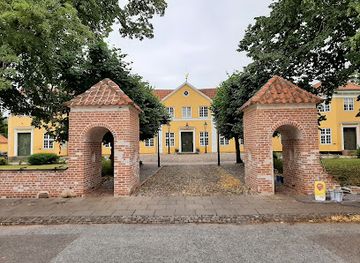
Tollund Man is the centrepiece of a broader Iron Age and regional history exhibition at the museum’s Hovedgården site on Hovedgårdsvej. Displays set his story in context with weapons, jewellery, tools and everyday objects from the same period, tracing how local communities farmed, traded and worshipped long before Silkeborg became a town.Clear, bilingual information panels, reconstructions and interactive elements make the material accessible to both casual visitors and archaeology enthusiasts. The museum building itself, a former manor house from the 18th century, adds a further historical layer, so that a visit becomes a journey through multiple eras of central Jutland’s past.Planning your time with the Tollund Man
A focused visit to see Tollund Man alone can be done in under an hour, but allowing more time lets you absorb the details of his discovery and the wider Iron Age collections. The exhibition spaces are compact and indoors, making this an all‑weather activity in Silkeborg. Nearby you will find other cultural sites, lakes and forests, so many travellers weave a meeting with Tollund Man into a wider day exploring the region’s nature and history.Quiet corners, seating and considered lighting encourage you to pause and simply look. For many, the most lasting memory is not a specific object or text panel, but the unsettling, moving feeling of having shared a room – briefly – with a person whose life ended in a lonely bog more than two thousand years ago.












Your all‑in‑one travel companion app
Explore expert travel guides, compare and book tours, experiences, hotels, and more—all from the palm of your hand. Download now for seamless trip planning wherever your wanderlust takes you.


Explore More of Silkeborg
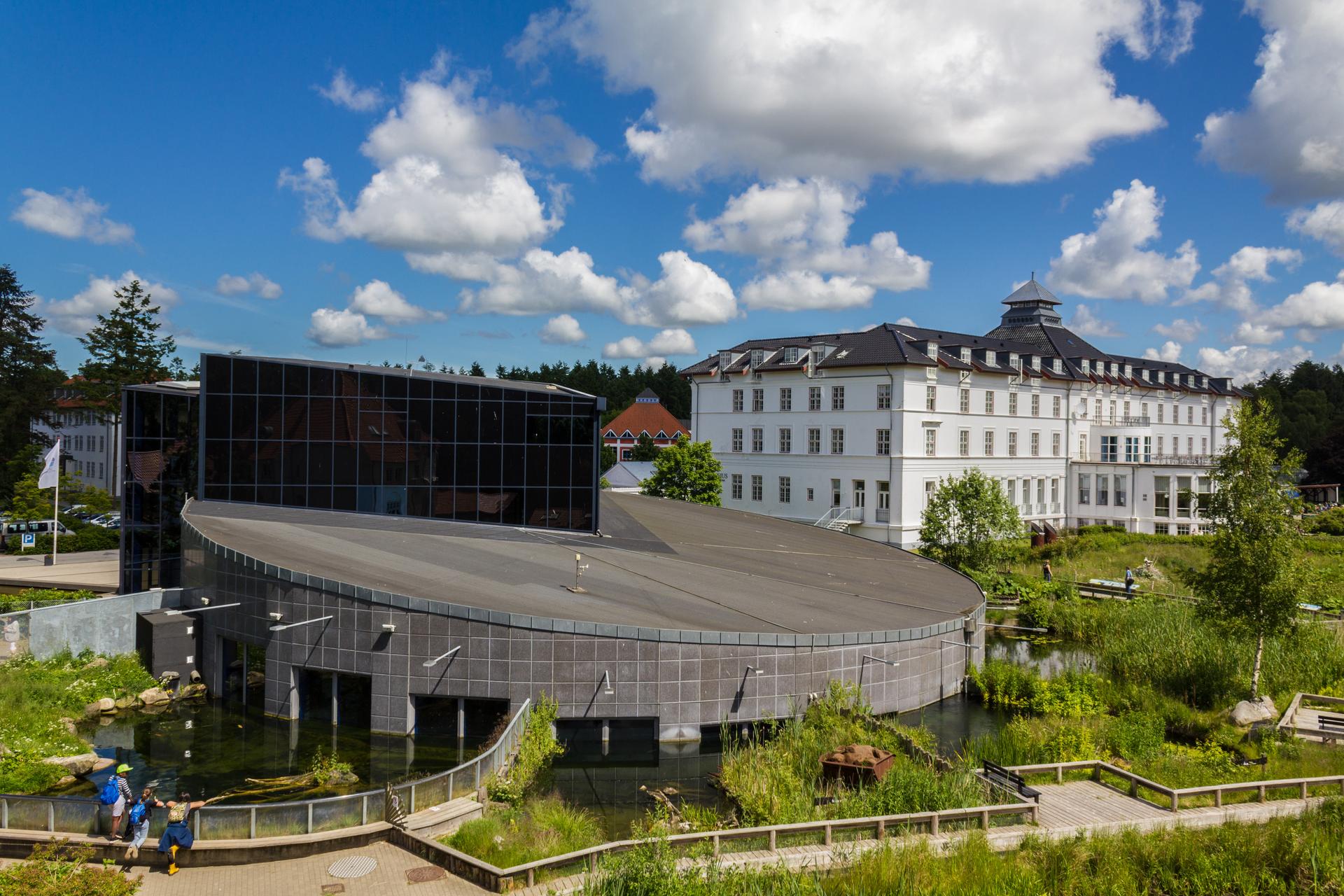
Looking beyond Tollundmanden? Discover Silkeborg for broader travel guides, local hot-spots, and regional highlights.
Explore Silkeborg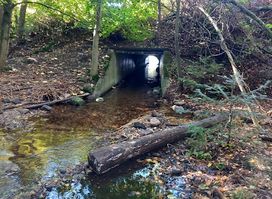
A low wooden boardwalk skimming Almindsø’s surface, Odderpassager lets you drift between forest and lake at Østre Søbad, half pier, half tranquil nature trail.
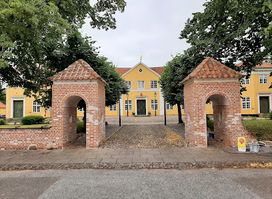
Step into Silkeborg’s oldest manor house to meet Tollund Man, explore bog mysteries and trace the town’s journey from Iron Age wetlands to modern Jutland hub.