

Langelinie Travel Guide
Free Guide: Copenhagen’s classic harborfront stroll, where a working quay, green parkland and the Little Mermaid meet in one relaxed, sea‑breezy promenade.


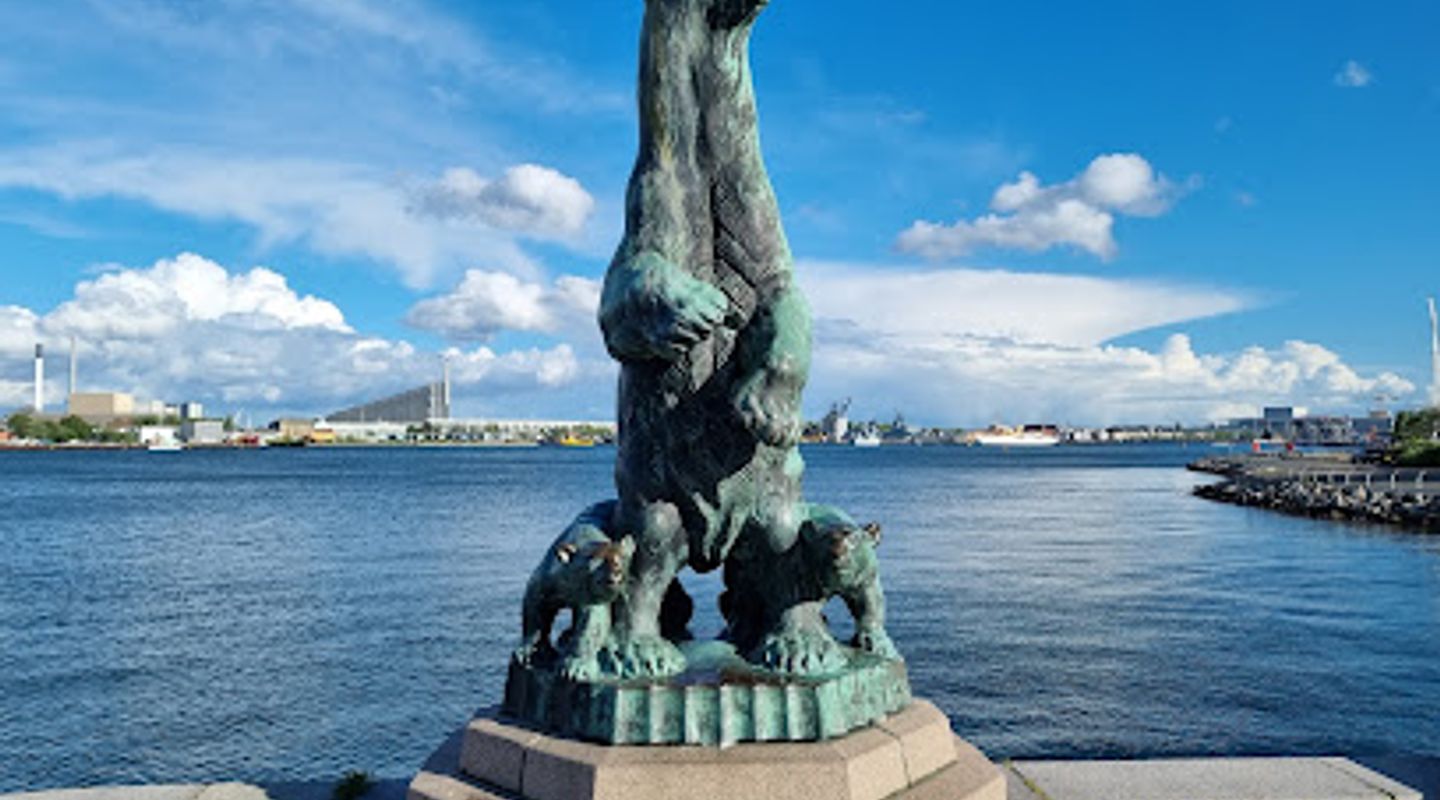
A brief summary of Langelinie
Copenhagen’s classic harborfront stroll, where a working quay, green parkland and the Little Mermaid meet in one relaxed, sea‑breezy promenade.
Langelinie is Copenhagen’s classic waterfront promenade and park, curving along the harbor from the dramatic Gefion Fountain to the outer pier where cruise ships dock. Home to the iconic Little Mermaid statue, leafy Langelinie Park, and views toward the Øresund, it blends maritime history, sculpture-dotted lawns and a breezy quayside walkway. It is an easy, flat, car‑accessible stroll that links key sights like Kastellet fortress and St. Alban’s Church with casual food stalls and a refined pavilion restaurant.
On-site amenities
 Restrooms
 Drink options
 Drinking water
 Food options
 Seating areas
 Sheltered areas
 Picnic areas
 Trash bins
 Information boards
 Visitor centre
Opening hours
- Every dayOpen 24 hours
Opening hours as listed on the venue’s Google Business Profile. Hours can change for services and special events, so check with the venue before you go.
- Address
- Langeliniekaj 2, 2100 København
- Phone
- Website
Getting there
Metro and bus
S‑train and walking
Harbor bus (boat bus)
Bicycle
Discover more about Langelinie
Harbor Walkway Between City and Sea
Langelinie stretches along Copenhagen’s northern harbor front, a broad, level promenade where you are constantly aware of the water. On one side lie piers, moored boats and, on many days, towering cruise ships; on the other, lawns, trees and a ribbon of parkland that softens the city’s edge. The air smells faintly of salt and diesel, gulls wheel overhead, and cyclists glide past as walkers dawdle by the railing.The quay in its current form dates from the late 19th century, when Copenhagen expanded its harbor with a deep basin capable of receiving large ocean‑going vessels. That maritime role continues today, giving the area an ever‑changing backdrop of ferries, naval ships and sleek yachts. Yet despite the working port, the atmosphere feels relaxed, more like an urban seaside esplanade than an industrial zone.
From Military Margin to Public Green Escape
The name Langelinie goes back to the 17th century, when this stretch of shoreline formed part of the city’s military defenses and ordinary citizens were largely kept out. Later it evolved into a more formal promenade and pleasure park for the well‑to‑do, who once paid a toll to enjoy sea air and cultivated views. Only in the mid‑19th century, after political upheavals, did the area become fully accessible to everyone.Today, grassy Langelinie Park provides a green counterpoint to the quay. Curving paths lead through lawns and flower beds, past monuments that chart episodes in Danish naval and national history. Benches invite long pauses, while playgrounds and open spaces give families room to spread out. It is a place where Copenhagen’s fondness for combining everyday life, history and nature is on quiet display.
The Little Mermaid and Other Sculpted Stories
Langelinie’s most famous resident is the Little Mermaid, perched on a waterside rock roughly midway along the promenade. Installed in 1913 and inspired by Hans Christian Andersen’s fairy tale, the compact bronze figure has become a symbol of the city, her gaze turned wistfully toward the shore as boats slide behind her on the channel.Around her are other, less internationally known sculptures and memorials: tall columns commemorating naval heroes, allegorical figures and modern pieces tucked into the greenery. At the southern end, the powerful Gefion Fountain shows the Norse goddess driving her oxen, a swirling, water‑sprayed scene linked to the mythic creation of Zealand. Nearby, the star‑shaped earthworks of Kastellet fortress add another layer of narrative to the shoreline.
Everyday Life on the Waterfront
For many visitors, Langelinie is as much about slow movement as it is about monuments. The paved walkway is flat and broad, making it comfortable for wheelchairs, prams and casual cyclists. Joggers trace loops around the citadel, office workers slip out for a lunchtime circuit, and at weekends locals arrive with dogs, coffee cups and picnic baskets.Simple pleasures abound: buying a hot dog or ice cream from a stand, leaning on the rail to watch a ship docking, or tracing the skyline toward the opera house and inner harbor. When the weather turns warm, pockets of the park become impromptu sunbathing spots. In spring, blossoming trees in nearby groves create a fleeting, pastel canopy that softens the otherwise brisk, north‑European light.
Architecture, Design and Seasonal Change
Langelinie’s built highlights include the modernist Langelinie Pavilion, whose clean lines and Danish design classics inside echo the city’s reputation for understated elegance. The interplay of harbor infrastructure, historic warehouses and contemporary buildings across the water gives the promenade a layered, lived‑in character rather than a manicured stage set.The experience shifts with the seasons. In winter, low light, bare trees and occasional frost create a stark beauty, with clear days rewarding you with far‑reaching views over the strait. Spring brings fresh green and migratory birds; summer is all about long evenings as the sun lingers over the water. In autumn, turning leaves in the park contrast with grey‑blue seas, making Langelinie a rewarding walk at any time of year.
Evendo Review Centre
 Google
Guest reviews
Best time to go
Quietest: Jan, Feb & Mar · before 7am or from 11pm
Busy times are Evendo estimates for a typical year, to help you plan. Actual crowds vary with events, school holidays and the weather.
Explore Langelinie on the map
A handpicked selection of must-see spots near Langelinie, mapped for you.
Get your free copy of our complete guide to Langelinie, delivered straight to you.
Everything on this page, from opening hours and how to get there to Eve’s tips and the best time to go, in one PDF you can read offline, print or share.
Already have an account? Sign in
Your Langelinie guide is ready.
We'll send it to · Not you? Sign out

Getting your guide ready…
We are putting together a fresh copy of the Langelinie guide. This can take up to a minute.
This can take a few moments. If your browser asks, choose Allow so the download can start. You'll find the guide in your Downloads folder.
Nothing happened? Download it again
Sorry, the guide is taking longer than usual. Please try again in a minute, or get it by email instead.
Unlock the best of Langelinie
Skip-the-line tickets, guided tours with entry, and walking tours of the area, booked in a few clicks.


Other nearby places you may find interesting
The closest places of the same kind, if this one is not quite what you had in mind.
-
GeoCenter Møns Klint Immersive cliff-top museum and nature hub revealing 70 million years of geology beside Denmark’s highest white chalk cliffs at Møns Klint.
-
Moen lighthouse A quiet 19th‑century beacon perched above Denmark’s most dramatic chalk cliffs, where sea, sky and starlight meet on the far edge of the island of Møn.
-
Trappe Møns Klint A steep wooden stairway plunging from beech forest to turquoise Baltic shore, Trappe Møns Klint is the most direct way into Denmark’s iconic white chalk cliffs.
-
Stranden Møns Klint A raw shingle shore pressed between turquoise Baltic waves and 100‑metre chalk cliffs, Stranden Møns Klint is Denmark’s most dramatic meeting of land and sea.
-
Thorsvang, Danmarks Samlermuseum Et stemningsfuldt samlermuseum på Møn, indrettet som en hel lille by fra de gode gamle dage – fyldt med butikker, værksteder, kolonihaver og hverdagsminder.
Swipe for more places
More to explore near Langelinie

 Best experiences near Langelinie
 Best hotels near Langelinie
 Best landmarks near Langelinie
 Best attractions near Langelinie
 Best shops near Langelinie
 Best restaurants near Langelinie
 Best bars near Langelinie
Do you manage this location?
Take control to get all the benefits, like improved information, better appearance, and stronger visibility across AI-powered discovery.
Explore more
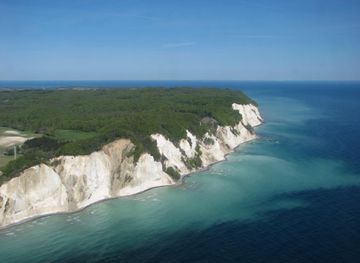
Explore more of Møn
Discover the breathtaking cliffs, rich history, and serene beauty of Møn, Denmark's hidden gem in the Baltic Sea, perfect for nature lovers and history enthusiasts alike.
Explore Møn
Explore more of Denmark
Discover Denmark: A perfect blend of history, modern design, and the cozy concept of hygge. Explore vibrant cities, serene landscapes, and world-class cuisine.
Explore Denmark
