

Holmegaard Værk, Naestved Travel Guide
Free Guide: A historic Danish glassworks reborn as a vast living museum, where towering glass walls, working furnaces and ceramics collections illuminate 200 years of design.


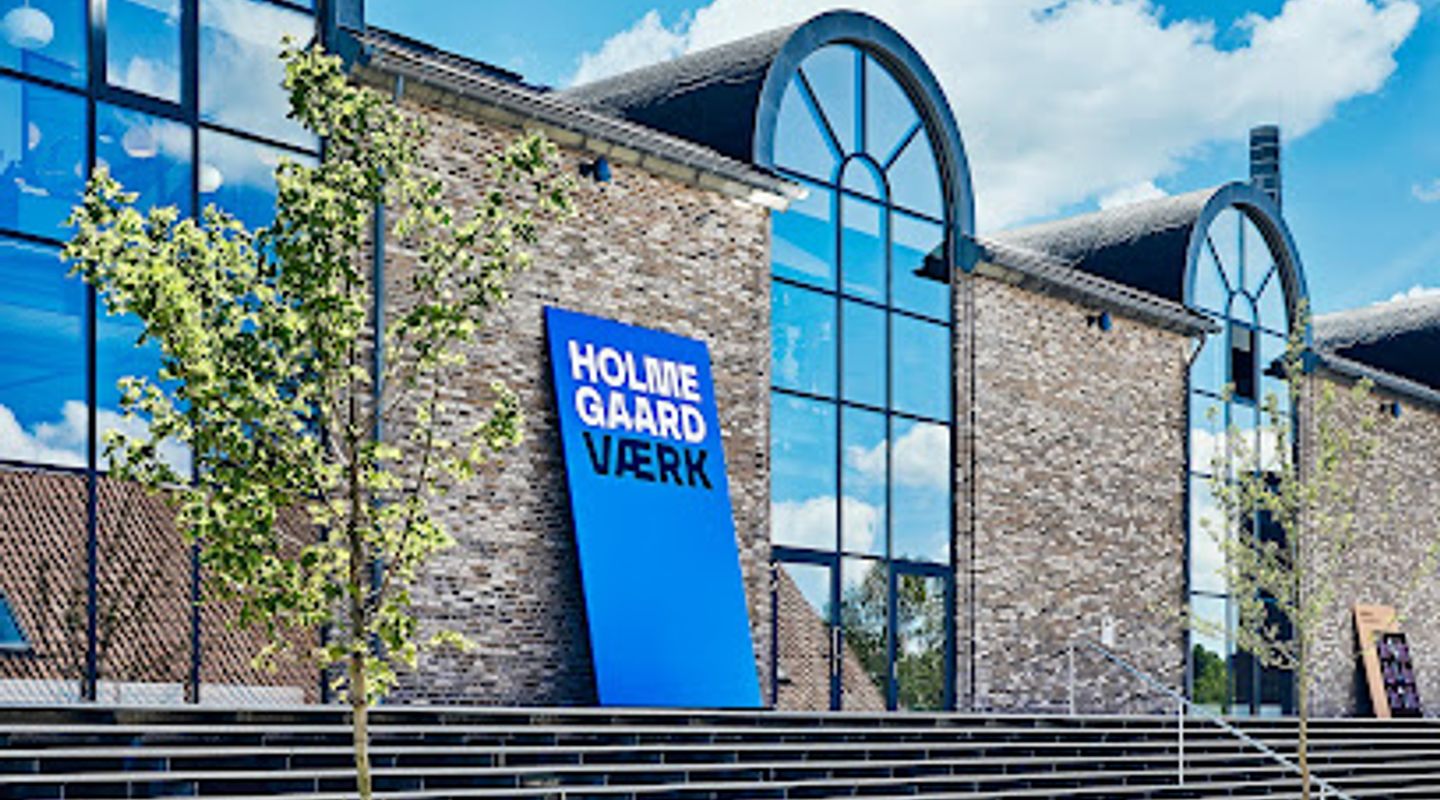
A brief summary of Holmegaard Værk
A historic Danish glassworks reborn as a vast living museum, where towering glass walls, working furnaces and ceramics collections illuminate 200 years of design.
Holmegaard Værk is Denmark’s great temple to glass and ceramics, a former 19th‑century glassworks transformed into a vast design museum in the South Zealand countryside. Inside the preserved factory buildings you can watch glassblowers at work in a modern hotshop, wander past a towering wall of some 40,000 Holmegaard glass pieces and explore the Nordic region’s largest Kähler ceramics collection. Atmospheric light installations, historic furnaces and hands-on creative workshops make this an engaging stop for design lovers, families and anyone curious about Danish craftsmanship and industrial heritage.
On-site amenities
 Restrooms
 Drink options
 Drinking water
 Food options
 Seating areas
 Sheltered areas
 Picnic areas
 Trash bins
 Information boards
 Visitor centre
Opening hours
- Every day10 am–5 pm
Opening hours as listed on the venue’s Google Business Profile. Hours can change for services and special events, so check with the venue before you go.
- Address
- Glasværksvej 55, 4684 Holmegaard
- Phone
- Website
Getting there
Car from Copenhagen
Train and bus via Næstved
Taxi from Næstved
Discover more about Holmegaard Værk
From Working Glassworks to Design Powerhouse
Holmegaard Værk occupies the old Holmegaard Glassworks at the edge of Holmegaard Mose, where production began in 1825 to take advantage of the peat that once fired the furnaces. Today the chimneys and brick halls no longer ring with factory shifts, but the complex has been carefully reimagined as a museum dedicated to Danish glass and ceramics. The industrial bones are still visible in gantries, pipes and soot-darkened walls, preserving the feel of a place where generations once worked in intense heat.Rather than freezing the site in time, the museum treats the old factory as a living backdrop. You move through former production halls, storage rooms and furnace spaces that now host exhibitions, light works and soundscapes. It is part history lesson, part atmospheric stage set, showing how a rural industrial outpost grew into Denmark’s most famous name in glass design.
A Glittering Wall of 42,000 Glass Pieces
The museum’s signature sight is a monumental glass installation: around forty thousand Holmegaard pieces displayed on shelves that soar roughly seven metres high and stretch some forty metres along the hall. Each object represents a design once produced at the glassworks, forming a chronological panorama of nearly two centuries of Danish glass. Bottles, drinking glasses, vases and decorative pieces progress from simple early utilitarian forms to sleek mid‑century classics and colourful contemporary designs.Softly tuned lighting emphasises the clarity, colour and cut of the glass, throwing reflections onto the surrounding brickwork. Standing at the base of the wall, you can pick out familiar silhouettes that once stood in Danish homes as everyday objects, now elevated to design icons. It is an unusually concrete way of seeing industrial history: not through text, but through thousands of physical objects presented all at once.
Living Heat in the Modern Hotshop
In the hotshop, the factory spirit is revived by a new generation of glass artists. Here you can watch as glowing gathers of molten glass are gathered from the furnace, rolled, blown and shaped into bowls, vases or sculptural pieces. The proximity to the furnaces means you feel the dry wave of heat and hear the constant low roar of burners and the clink of tools on metal benches.Demonstrations show how teams of makers coordinate swift, precise movements to keep the glass workable. At times guest artists join the resident glassblowers, using the workshop as a creative laboratory. This blend of craft performance and artistic experimentation underlines the museum’s ambition to be not only a guardian of heritage, but also a place where new work is created on site.
Ceramics, Collaborations and Light-Filled Installations
Holmegaard Værk also holds a major collection of Kähler ceramics, with thousands of works tracing the evolution of another beloved Danish design house. From richly glazed art pieces to simple household pottery, the display reveals changing tastes in colour, pattern and form from the 19th century to today. Together with the glass collection, it forms one of Scandinavia’s largest combined presentations of glass and ceramic design.Elsewhere in the vast halls, large-scale glass art and installations explore how glass interacts with light. One former furnace room centres on a solidified 45‑tonne glass mass left in place when production ceased, now animated by carefully programmed lighting that moves through icy blues and furnace reds. Large windows, controlled spotlights and darkened corners are used to powerful effect, drawing attention to surfaces, shadows and reflections.
Voices, Workshops and the Landscape Beyond
Throughout the museum you can hear short audio stories recounting life at the glassworks: anecdotes about shift work, family traditions and the skills passed between generations. Combined with archival photographs and historic tools, these voices turn the imposing factory spaces into something more intimate and human.For visitors keen to try their own hand, separate ateliers offer glass decoration and simple ceramics activities designed so that finished pieces can be taken home the same day. Beyond the buildings, paths lead through the old glassworkers’ village and out towards Holmegaard Mose, where the surrounding landscape offers a calmer counterpoint to the intensity of the furnace halls and exhibition spaces inside.
Planning Your Time Inside the Museum
The complex is extensive, with around 15,000 square metres of indoor space and additional outdoor grounds, so visits easily stretch from a short look around to a half‑day immersion. Many guests weave between the hotshop schedule, the main glass wall, ceramics displays and temporary exhibitions in large halls that can host photography, design or art shows. A museum shop emphasises contemporary glass and ceramics linked to the collections, while an on‑site eatery offers a convenient place to pause between sections.Because there is so much under one roof, it is worth allowing time simply to wander: peering into side rooms, stepping closer to specific pieces in the towering glass wall, or sitting for a moment to watch light move across installations. Whether your interest lies in industrial archaeology, Scandinavian design, hands‑on creativity or atmospheric architecture, Holmegaard Værk offers enough depth and variety to reward an unhurried visit.
Evendo Review Centre
 Google
Guest reviews
Best time to go
Quietest: Jan, Feb & Mar · before 7am or from 8pm
Busy times are Evendo estimates for a typical year, to help you plan. Actual crowds vary with events, school holidays and the weather.
Explore Holmegaard Værk on the map
A handpicked selection of must-see spots near Holmegaard Værk, mapped for you.
Get your free copy of our complete guide to Holmegaard Værk, delivered straight to you.
Everything on this page, from opening hours and how to get there to Eve’s tips and the best time to go, in one PDF you can read offline, print or share.
Already have an account? Sign in
Your Holmegaard Værk guide is ready.
We'll send it to · Not you? Sign out

Getting your guide ready…
We are putting together a fresh copy of the Holmegaard Værk guide. This can take up to a minute.
This can take a few moments. If your browser asks, choose Allow so the download can start. You'll find the guide in your Downloads folder.
Nothing happened? Download it again
Sorry, the guide is taking longer than usual. Please try again in a minute, or get it by email instead.
Unlock the best of Holmegaard Værk
Skip-the-line tickets, guided tours with entry, and walking tours of the area, booked in a few clicks.

Other nearby places you may find interesting
The closest places of the same kind, if this one is not quite what you had in mind.
-
-
-
-
-


Swipe for more places
More to explore near Holmegaard Værk

 Best experiences near Holmegaard Værk
 Best hotels near Holmegaard Værk
 Best landmarks near Holmegaard Værk
 Best attractions near Holmegaard Værk
 Best shops near Holmegaard Værk
 Best restaurants near Holmegaard Værk
 Best bars near Holmegaard Værk
Do you manage this location?
Take control to get all the benefits, like improved information, better appearance, and stronger visibility across AI-powered discovery.
Explore more
Explore more of Naestved
Discover Næstved: A charming Danish city with rich history, vibrant arts, stunning nature, and delectable cuisine, perfect for a memorable and diverse vacation.
Explore Naestved
Explore more of Denmark
Discover Denmark: A perfect blend of history, modern design, and the cozy concept of hygge. Explore vibrant cities, serene landscapes, and world-class cuisine.
Explore Denmark
