

Free Naestved Travel Guide & Mobile App
Plan your Naestved trip with Evendo. Get free guides to top attractions, restaurants, hotels, and bars. Web access or download the mobile app.


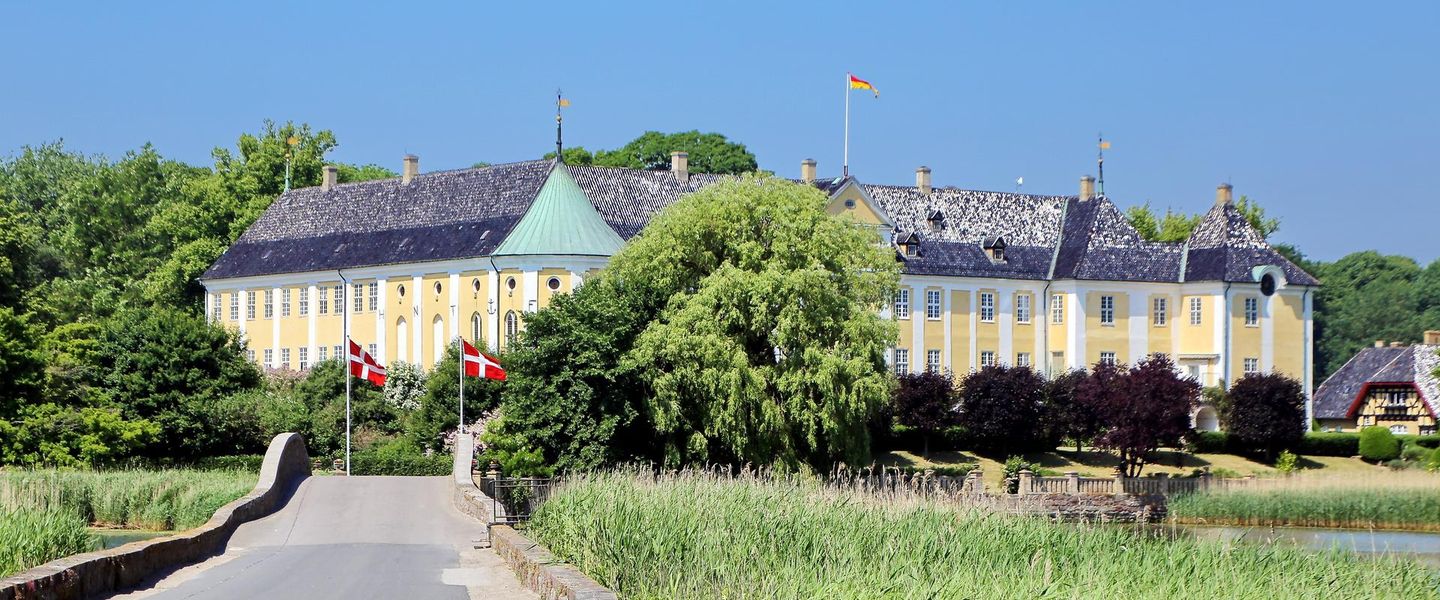


Næstved, Denmark, combines medieval churches, riverside walks, art, markets and easy access to South Zealand’s manors, coast and culture.
A Market Town by the Suså
Næstved lies in southern Zealand, where the Suså river reaches the low-lying landscape around the town. Its historic centre retains the character of an old Danish market town, with compact streets, former merchants’ houses and a group of medieval churches that reflect the prosperity of its trading past. The town’s position between Copenhagen and the southern coast makes it a useful base for exploring South Zealand, while its own museums, cultural venues and independent shops provide plenty of reasons to linger.Read more about Naestved
Medieval Heritage and Contemporary Culture
Gateway to South Zealand
When is the best time to visit Naestved?
Best: June–August · 21–23°C| Month | High (°C) | Rainfall (mm) |
|---|---|---|
| January | 4 | 35 |
| February | 3 | 30 |
| March | 5 | 30 |
| April | 11 | 25 |
| May | 17 | 25 |
| June (best) | 21 | 30 |
| July (best) | 23 | 35 |
| August (best) | 22 | 35 |
| September | 18 | 30 |
| October | 13 | 35 |
| November | 8 | 40 |
| December | 4 | 40 |
Getting to and around Naestved
How to get there
Transportation
Best attractions in Naestved
Næstved’s attractions are concentrated enough to explore without long transfers. Begin with the medieval centre around Axeltorv, where St Peter’s Church, St Martin’s Church and the former Helligåndshuset introduce the town’s religious and mercantile past. Næstved Museum adds archaeological, social and urban-history context, while Grønnegade Kaserne Kulturcenter brings exhibitions, concerts and other events into a former military setting. The town’s murals and public artworks reward a slower walk between the principal sights. Just beyond the centre, Rønnebæksholm combines a historic manor environment with contemporary art and cultural programming. Herlufsholm, set beside the Suså, offers a different perspective on the area’s educational and architectural heritage, although it lies outside the central sightseeing circuit. For a coastal change of scene, the harbour village of Karrebæksminde is a regional excursion rather than a city attraction, with maritime character and access to the shore.
-
Amusement park
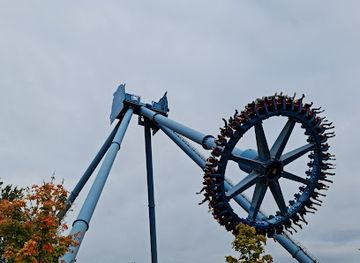
BonBon-Land
Cheeky candy characters, looping coasters and green picnic lawns combine at BonBon-Land, Denmark’s quirky countryside theme park for all ages.
33 min drive · 13 km from city centre
-
Park
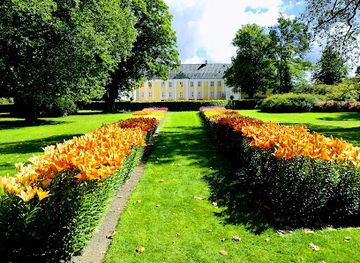
Gavnø Slot og Park
Romantic rococo castle on the Island of Flowers, where art-filled halls, tulip gardens, chapel and treetop adventures share a historic Danish estate.
23 min drive · 7.7 km from city centre
-
Museum
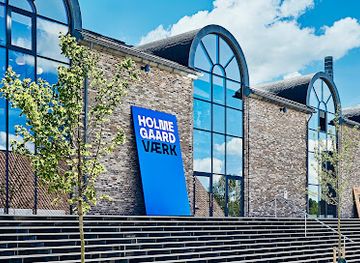
Holmegaard Værk
A historic Danish glassworks reborn as a vast living museum, where towering glass walls, working furnaces and ceramics collections illuminate 200 years of design.
30 min drive · 10 km from city centre
-
Tourist attraction
Grønnegades Kaserne Kulturcenter
Historic cavalry barracks turned vibrant cultural village with concert halls, theatre, galleries and a family‑friendly atmosphere in the heart of Næstved.
19 min drive · 6.3 km from city centre
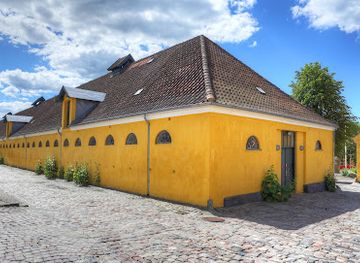
Best landmarks in Naestved
Næstved’s principal landmarks express the town’s medieval religious importance and later civic development. St Peter’s Church and St Martin’s Church dominate different parts of the historic centre, their substantial masonry and long ecclesiastical histories reflecting the resources of a prosperous medieval town. The former Helligåndshuset, associated with medieval charitable and religious activity, adds another layer to the central streetscape. Around Axeltorv and nearby lanes, older town houses and commercial buildings preserve the scale of a historic market town rather than a monumental capital. Outside the centre, Herlufsholm’s buildings and wooded setting recall the former Skovkloster and the school founded there in the sixteenth century by Herluf Trolle and Birgitte Gøye. Rønnebæksholm represents a later manor-house tradition and now links historic architecture with contemporary cultural life.
-
Tourist attraction
Ladby Kirkeruin
Medieval stone ruin on a wooded hilltop, still hosting outdoor worship services centuries after abandonment.
12 min drive · 3.9 km from city centre
-
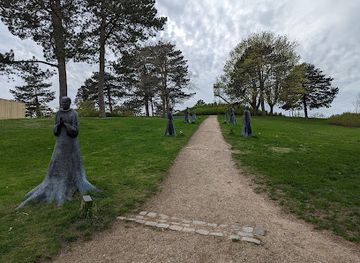
Memorial park
Mindesten for Peder Bodilsen
Denmark's smallest equestrian statue honors the visionary founder of Næstved on historic Munkebakken hill.
20 min drive · 6.7 km from city centre
-
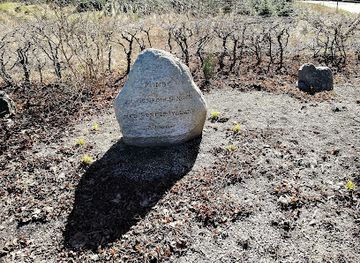
Memorial park
Genforeningssten i Saltø Skov
A granite memorial stone marking Denmark's 1920 reunification with South Jutland, standing at a forest crossroads near Næstved.
11 min drive · 3.6 km from city centre
-
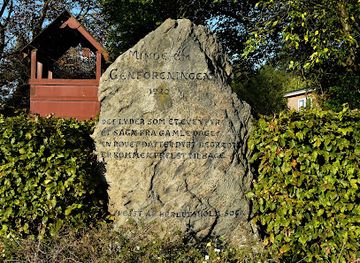
Memorial park
Genforeningssten i Herlufsholm
Diskret granitmindesmærke ved Herlufsholm, hvor lokal erindring om Danmarks genforening i 1920 står midt i nutidens trafik og hverdagsliv.
18 min drive · 6.0 km from city centre

Explore Naestved on the map
Plan your Naestved trip on one map. See where the top attractions, landmarks, restaurants, bars and hotels are, find what's near where you're staying, and book hotels and experiences in a few clicks.
Best hotels in Naestved
Best restaurants in Naestved
Næstved’s dining scene reflects the food traditions of Zealand: open sandwiches, rye bread, seasonal vegetables, pork, fish and simple preparations remain familiar foundations, while contemporary restaurants reinterpret Danish ingredients in more polished settings. The central streets around Axeltorv and Sct. Mortens Gade contain cafés, bakeries, casual eateries and restaurants suited to a town-centre lunch or early evening meal. Local food shopping and seasonal produce appear through independent retailers and market activity, though the range and schedule of markets can vary. Danish pastries, coffee and rye-based specialities make natural daytime choices, while menus may also draw on the coast and farmland of South Zealand. Visitors should expect a more local, regional dining rhythm than the concentrated restaurant scene of Copenhagen, with reservations and opening arrangements varying between establishments.
-
Fast food restaurant
McDonald's Ringsted
Large, family-friendly McDonald’s by Ringsted Designer Outlet, combining fast classics, a McCafé and big seating areas for an easy, low-stress meal stop.
44 min drive · 24 km from city centre
-
Chinese
WOK & CHOPSTICKS
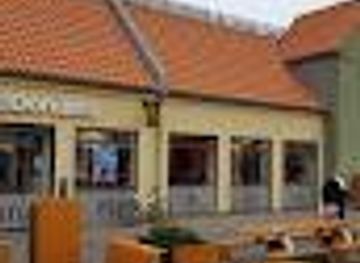
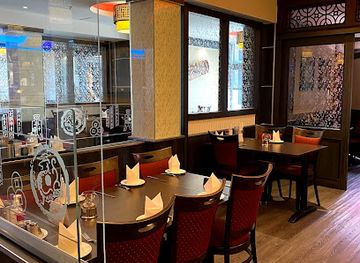
Casual Chinese cooking on Næstved’s central square, serving generous wok dishes, noodles and rice in a bright, unpretentious setting with dine-in and takeaway.
18 min drive · 6.1 km from city centre
-
Restaurant
Hotel Kirstine
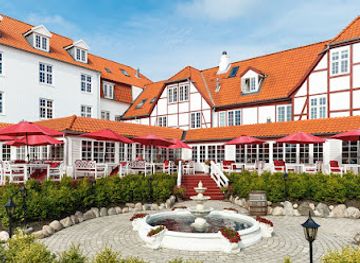
Half-timbered charm, leafy courtyards and Nordic comfort dining in the historic heart of Næstved, blending characterful rooms with a cozy wellness retreat.
19 min drive · 6.3 km from city centre
-
Restaurant
Restaurant Flammen
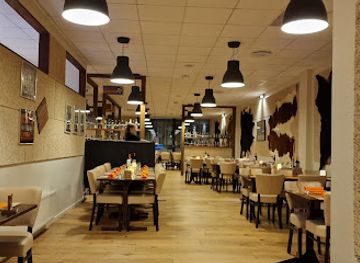
Hearty all‑you‑can‑eat grill buffet behind copper walls in central Næstved, bringing families, friends and groups together for relaxed, generous evening dining.
19 min drive · 6.5 km from city centre
Best bars in Naestved
Næstved’s nightlife is modest and regional rather than club-dominated. Evening activity centres on pubs, cafés and bars in or near the historic centre, where residents meet for conversation, beer, music and occasional live events. Grønnegade Kaserne Kulturcenter contributes a broader cultural dimension through concerts, performances and programmed events, while local venues may host seasonal entertainment rather than operate as nightly clubs. The town’s compact scale makes it practical to move between central establishments on foot, although late-night transport options outside the centre are more limited than in Copenhagen. Students, residents and visitors share the same small-town social spaces, and evenings can be particularly active during concerts, festivals and cultural programmes. Current event listings provide the most reliable picture of what is taking place during a visit.
-
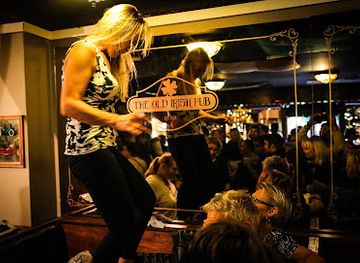
Irish pub
The Old Irish Pub
Authentic Irish pub energy in central Næstved, open late Friday and Saturday with live music and draught beer.
19 min drive · 6.2 km from city centre
-
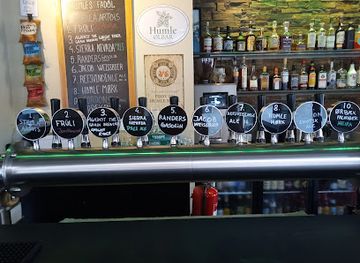
Bar
Humle Ølbar
Craft beer excellence in the heart of Næstved—where hops meet hospitality.
18 min drive · 6.0 km from city centre
-
Bar
Step Inn I / S
Long‑running Irish pub in central Næstved, blending cosy wooden interiors, sociable pints and late‑night weekend vibes on historic Ramsherred.
19 min drive · 6.4 km from city centre
-
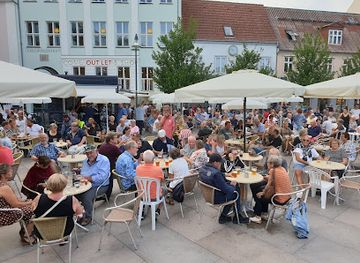
Bodega
Underhuset
A classic Danish bodega on Næstved’s Axeltorv, blending cosy wood-panel charm, cold beer and local live music into a friendly town-square living room.
18 min drive · 6.2 km from city centre

Best nightclubs in Naestved
Næstved’s nightlife is modest and regional rather than club-dominated. Evening activity centres on pubs, cafés and bars in or near the historic centre, where residents meet for conversation, beer, music and occasional live events. Grønnegade Kaserne Kulturcenter contributes a broader cultural dimension through concerts, performances and programmed events, while local venues may host seasonal entertainment rather than operate as nightly clubs. The town’s compact scale makes it practical to move between central establishments on foot, although late-night transport options outside the centre are more limited than in Copenhagen. Students, residents and visitors share the same small-town social spaces, and evenings can be particularly active during concerts, festivals and cultural programmes. Current event listings provide the most reliable picture of what is taking place during a visit.
-
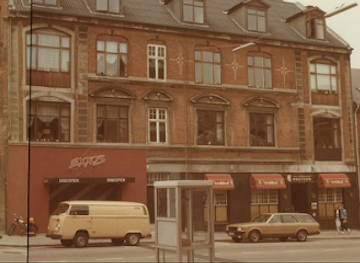
Night club
Avenue Næstved
Lively nightspot and flexible event hall in central Næstved, mixing dancefloor energy, festive dinners, stand-up comedy and themed parties under one roof.
20 min drive · 6.5 km from city centre
-
Night club
Bar z
Næstved's welcoming nightclub for Thursday-to-Saturday evening gatherings and social entertainment.
19 min drive · 6.3 km from city centre
-
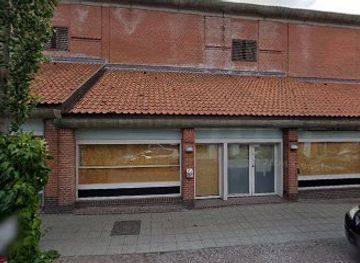
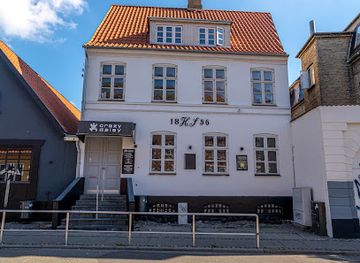
Bar
Crazy Daisy Næstved
High‑energy weekend nightclub in central Næstved, packing loud beats, flashing lights and a late‑night local crowd into a compact, classic Danish town‑club setting.
19 min drive · 6.4 km from city centre
Best shops in Naestved
Shopping in Næstved combines a traditional town centre with larger modern retail areas. Axeltorv, Sct. Mortens Gade and the surrounding streets contain independent shops, cafés and everyday services, while the pedestrianised sections offer an easy way to browse the central retail scene alongside historic buildings. Næstved Storcenter, outside the old centre, provides a broader concentration of national retailers and practical shopping. Visitors seeking local character should look for Danish design, small craft items, regional food products and bakery specialties rather than expecting a major luxury-shopping district. Market activity and seasonal stalls can add fresh produce, flowers or small goods, but their timing varies. The contrast between the older town streets and contemporary retail centre reflects Næstved’s role as a shopping hub for southern Zealand.
-
Shopping mall
Ringsted Outlet
Denmark’s only true outlet village, Ringsted Outlet combines open-air streets, big-name brands and year-round 30–70% discounts into an easy day of shopping.
44 min drive · 24 km from city centre
-
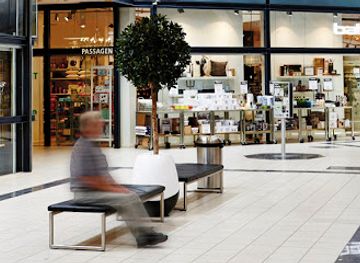
Shopping mall
Næstved Storcenter
South Zealand's premier shopping destination with 70+ stores, free parking, and regional reach.
22 min drive · 7.2 km from city centre
-
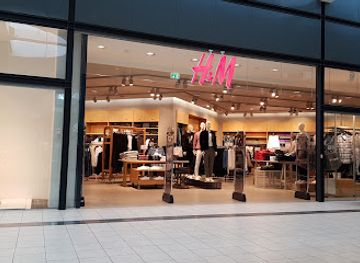
Clothing store
H&M
Bright, budget-friendly Scandinavian fashion for all ages inside Næstved’s main shopping centre, ideal for quick wardrobe updates during a wider mall visit.
22 min drive · 7.3 km from city centre
-
Sporting Goods Shop
Nike Factory Store
Discounted Nike sportswear and footwear in the heart of Ringsted Outlet, offering a warehouse-style selection of active gear for athletes, families and bargain hunters.
44 min drive · 24 km from city centre

Get your free copy of our complete guide to Naestved, delivered straight to you.
Everything on this page, from attractions and restaurants to essentials and local phrases, in one PDF you can read offline, print or share.
Already have an account? Sign in
Your Naestved guide is ready.
We'll send it to · Not you? Sign out

Getting your guide ready…
We are putting together a fresh copy of the Naestved guide. This can take up to a minute.
This can take a few moments. If your browser asks, choose Allow so the download can start. You'll find the guide in your Downloads folder.
Nothing happened? Download it again
Sorry, the guide is taking longer than usual. Please try again in a minute, or get it by email instead.
Naestved essentials
Currency and Payment
Safety
Emergency Situations
Do's and Don'ts
Local Tips
From Eve
Local phrases worth knowing
You don't need to get them perfect. A few words go a long way, and locals appreciate the effort.
Basics
| English | Local | Say it |
|---|---|---|
| Hello | Hej | [hey] |
| Goodbye | Farvel | [far-vel] |
| Yes | Ja | [ya] |
| No | Nej | [nay] |
| Please/You're welcome | Vær så venlig | [vair so ven-lee] |
| Thank you | Tak | [tahk] |
| Excuse me/Sorry | Undskyld | [oon-skyld] |
| How are you? | Hvordan har du det? | [vo-ron har doo deh] |
| Fine. And you? | Fint. Og dig? | [feent. oh day] |
| Do you speak English? | Taler du engelsk? | [tah-ler doo en-gelsk] |
| I don't understand | Jeg forstår ikke | [yeh for-stor ee-keh] |
Eating & Drinking
| English | Local | Say it |
|---|---|---|
| I'd like to see the menu, please | Jeg vil gerne se menuen, tak | [yeh veal gair-neh seh meh-noo-en, tahk] |
| I don't eat meat | Jeg spiser ikke kød | [yeh spee-ser ee-keh koo-eh] |
| Cheers! | Skål! | [skol] |
| I would like to pay, please | Jeg vil gerne betale, tak | [yeh veal gair-neh beh-tah-leh, tahk] |
Emergencies
| English | Local | Say it |
|---|---|---|
| Help! | Hjælp! | [hyelp] |
| Go away! | Gå væk! | [goh vayk] |
| Call the Police! | Ring til politiet! | [ring teel po-lee-tee-et] |
| Call a doctor! | Ring efter en læge! | [ring ef-ter en lay-eh] |
| I'm lost | Jeg er blevet væk | [yeh air bluh-vet vayk] |
| I'm ill | Jeg er syg | [yeh air sook] |
Shopping
| English | Local | Say it |
|---|---|---|
| I'd like to buy... | Jeg vil gerne købe... | [yeh veal gair-neh koo-beh] |
| I'm just looking | Jeg kigger bare | [yeh kee-ger bah-reh] |
| How much is it? | Hvor meget koster det? | [vor meh-eh ko-stehr deh] |
| That's too expensive | Det er for dyrt | [deh air for deer] |
| Can you lower the price? | Kan du sænke prisen? | [kan doo sain-keh pree-sen] |
Time & Numbers
| English | Local | Say it |
|---|---|---|
| What time is it? | Hvad er klokken? | [vad air kloh-ken] |
| It's one o'clock | Den er et | [den air et] |
| Half past (10) | Halv ti | [hahlv tee] |
| Morning | Morgen | [mor-gen] |
| Afternoon | Eftermiddag | [ef-ter-mee-dag] |
| Evening | Aften | [ahf-ten] |
| Yesterday | I går | [ee gur] |
| Today | I dag | [ee day] |
| Tomorrow | I morgen | [ee mor-gen] |
| 1 | Et | [et] |
| 2 | To | [toh] |
| 3 | Tre | [treh] |
| 4 | Fire | [feer-eh] |
| 5 | Fem | [fem] |
| 6 | Seks | [seks] |
| 7 | Syv | [soov] |
| 8 | Otte | [oh-teh] |
| 9 | Ni | [nee] |
| 10 | Ti | [tee] |
Transport & Directions
| English | Local | Say it |
|---|---|---|
| Where's a/the...? | Hvor er en/et...? | [vor air en/et] |
| What's the address? | Hvad er adressen? | [vad air ah-dress-en] |
| Can you show me (on the map)? | Kan du vise mig (på kortet)? | [kan doo vee-seh me (poh kohr-teh)] |
| When's the next (bus)? | Hvornår er næste (bus)? | [vor-nar air nai-steh (boos)] |
| A ticket (to ....) | En billet (til ....) | [en bee-let (teel ....)] |
History of Naestved
Origins beside the Suså
Næstved developed beside the Suså, Zealand’s largest river, in a landscape that supported farming, fishing and movement through southern Zealand. The settlement emerged during the early medieval period, and written evidence from the twelfth century records a town already associated with ecclesiastical and commercial activity. Its position near the river and the coast helped connect local production with wider routes across Zealand. The name is generally linked to an old settlement name rather than a single recorded founder. Although little of the earliest town survives as a complete building group, the medieval street pattern and the concentration of churches in the centre preserve the outline of a community that grew around trade, religious institutions and access to the river.
Medieval Churches and Monastic Influence
During the Middle Ages, Næstved became an important religious and commercial centre. St Peter’s Church and St Martin’s Church represented two substantial urban parishes, while religious institutions connected the town with wider ecclesiastical networks. The arrival of the Benedictine monks at Skovkloster, north of the town, strengthened Næstved’s cultural and economic importance; after the Reformation, the monastery buildings became associated with Herlufsholm. The town’s churches, former Helligåndshuset and fragments of older urban fabric reveal the resources available to a prosperous medieval community. Trade in agricultural goods and the town’s market functions supported merchants and craftsmen, helping Næstved develop an identity that still rests on its medieval centre.
Reformation and Merchant Town Growth
The Reformation of 1536 transformed Næstved’s religious landscape as Denmark adopted Lutheranism and monastic property passed to the Crown or new owners. Skovkloster was later acquired by Herluf Trolle and Birgitte Gøye, who founded Herlufsholm as a school in 1565. In the town itself, commercial life continued through markets, workshops and shipping connections, while merchant houses gradually shaped the streets around the central squares. Næstved’s position on routes across Zealand gave it an enduring role as a regional service and trading centre. The surviving churches and older houses therefore belong to a town whose religious institutions changed dramatically while its commercial functions remained comparatively stable.
Industry, Railways and Urban Expansion
The nineteenth century brought new forms of mobility and production to Næstved. Improved roads and the arrival of the railway connected the town more effectively with Copenhagen and other parts of Zealand, encouraging the movement of people, goods and ideas. Traditional market activity was joined by manufacturing, workshops and expanding retail businesses, while residential streets grew beyond the medieval core. Industrial development in the wider region included glassmaking at Holmegaard, whose later history is closely associated with southern Zealand’s design and manufacturing heritage. Næstved’s urban form consequently became a mixture of medieval streets, nineteenth-century civic and commercial buildings, railway-era expansion and the practical infrastructure of a modern regional town.
A Regional Cultural Centre
During the twentieth and early twenty-first centuries, Næstved developed from a market and industrial town into a regional centre for education, commerce and culture. Suburban growth broadened the town beyond its historic core, while changes in retail and transport altered the role of the old market streets. Former military buildings at Grønnegade were adapted for cultural use, and museums, galleries, public art and music programmes added new layers to the town’s identity. Nearby Rønnebæksholm became an important setting for contemporary art and cultural events. Today, Næstved’s appeal lies in the coexistence of living regional functions with a clearly preserved medieval centre and easy connections to the landscapes and coastal communities of South Zealand.
Naestved in Photos
Browse through our photo collection highlighting the charm and character of the destination.
Cities near Naestved
The closest cities to Naestved, if you have time for more than one stop.
-

-

-

-
-


Swipe for more cities
Explore more

Explore more of Denmark
Discover Denmark: A perfect blend of history, modern design, and the cozy concept of hygge. Explore vibrant cities, serene landscapes, and world-class cuisine.
Explore Denmark