
Nørrebrogade, North Zealand Travel Guide
Copenhagen’s multicultural main street in Nørrebro, where bikes, buses, shawarma joints and design boutiques share a lively, ever-changing urban stage.
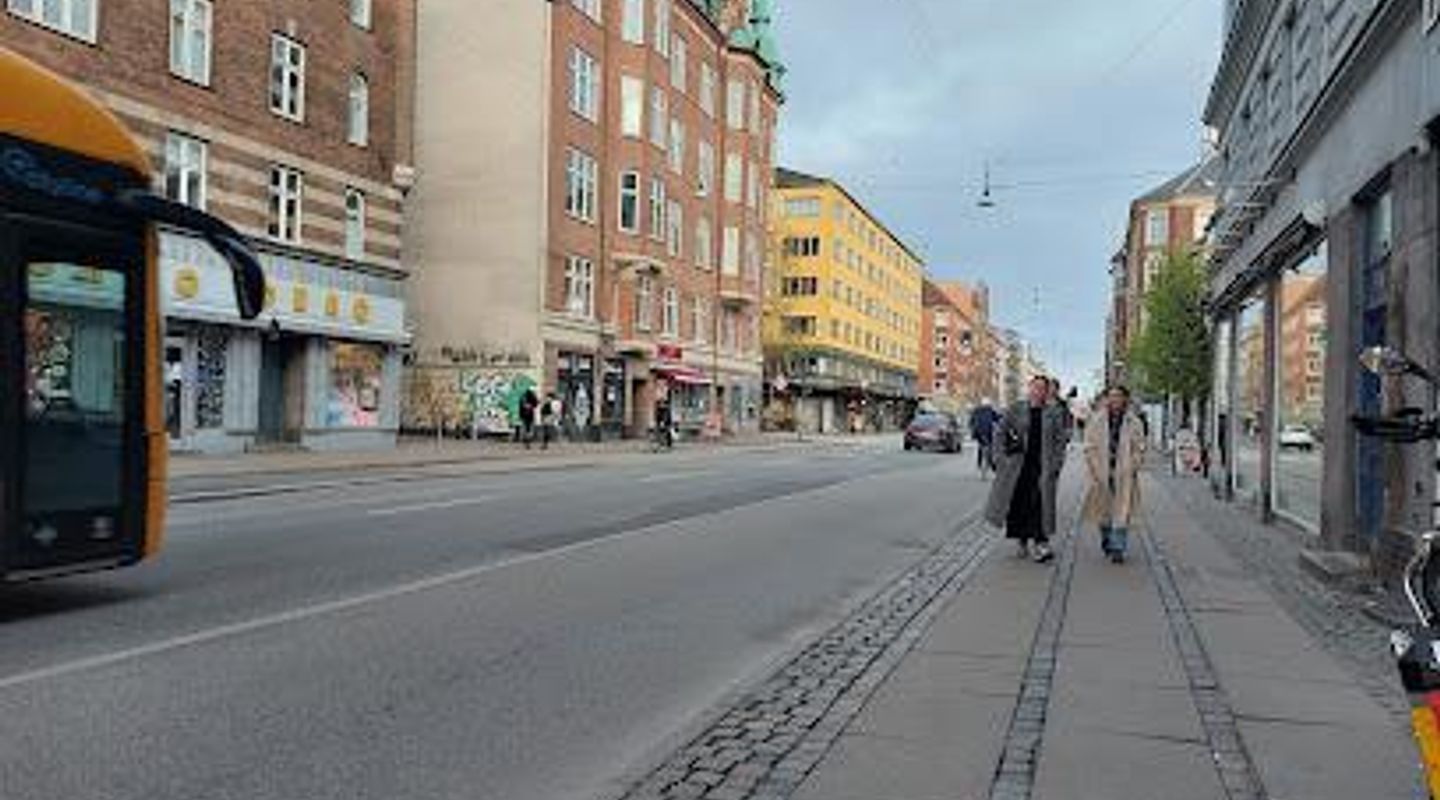
Nørrebrogade is the beating heart of Copenhagen’s Nørrebro district, a roughly 2 km-long urban artery pulsing with bikes, buses, and street life. Lined with multicultural eateries, vintage shops, independent boutiques and everyday services, this busy thoroughfare links the city lakes to Nørrebro Station. Along the way it brushes past green Assistens Cemetery and edgy Superkilen park, offering a vivid snapshot of modern, diverse Copenhagen in a single, walkable stretch.
A brief summary to Nørrebrogade
- Copenhagen, Nørrebro, 2200, DK
- Duration: 1 to 4 hours
- Free
-
 Outdoor
- Mobile reception: 5 out of 5

Know before you go
Hi, I'm Eve. Here are a few practical things to know before exploring Nørrebrogade.
- Walk at least the section from Queen Louise’s Bridge to Nørrebro Runddel to experience the densest mix of cafés, grocers, shops and side-street detours.
- Sample both a traditional Danish bakery and one of the many Middle Eastern or South Asian eateries to taste the street’s cultural diversity.
- Explore side streets like Elmegade, Jægersborggade and Blågårdsgade for independent design boutiques, speciality coffee and a slightly calmer vibe.
- Stay alert around the bike lanes and bus stops; Nørrebrogade is safe but remains a major traffic corridor with fast-moving cyclists.
- Combine your walk with a break in Assistens Cemetery or Superkilen park for greenery and public art just a short step off the main road.
Do you manage this location?
Take control to get all the benefits, like improved information, better appearance, and stronger visibility across AI-powered discovery. Learn more about listing your business on Evendo
Activate your presenceOther nearby places you may find interesting
The closest places of the same kind, if this one is not quite what you had in mind.
Explore Nørrebrogade on the Map
A handpicked selection of must-see spots near Nørrebrogade, mapped for you.
Unlock the Best of Nørrebrogade
Buy tickets
-
No tickets available
Book tours with entry


Book tours without entry

Getting There
-
Metro and walk from central Copenhagen
From central Copenhagen, take the M3 Cityringen metro to Nørrebro or Nørrebro Runddel; trains run every few minutes and the ride typically takes 8–12 minutes. A single zone 2–3 ticket generally costs around 20–30 DKK one way. From either station, Nørrebrogade is directly outside or within a short, level walk, with lifts and escalators available for step-free access.
-
City bus along Nørrebrogade
Frequent city buses, including the 5C line, run the length of Nørrebrogade between the lakes and Nørrebro Station, connecting with the inner city in about 10–20 minutes depending on traffic. Standard city bus tickets usually cost around 20–30 DKK and can be bought via travel apps or ticket machines. Buses are low-floor with dedicated spaces for wheelchairs and prams, though they can be crowded at rush hour.
-
Cycling from the inner city
Copenhagen’s dense network of bike lanes makes cycling to Nørrebrogade straightforward, with a ride from the city centre typically taking 10–20 minutes at a leisurely pace. Numerous bike-rental shops offer standard bicycles from roughly 100–200 DKK per day, with helmets and lights often included or available at a small surcharge. The route is flat but busy, so it suits riders who are comfortable sharing space with heavy bike traffic.
-
Walking from the city lakes
From the inner-city side of Copenhagen’s lakes, a relaxed walk across Queen Louise’s Bridge and onto Nørrebrogade takes about 15–25 minutes to reach the liveliest central stretch. Pavements are wide and mostly level, making the route accessible for most visitors, though crossings over bike lanes require attention. This option is free and ideal in mild weather if you want to feel the gradual shift from old town to Nørrebro’s multicultural streetscape.
For the on-the-go comforts that matter to you
-
 Restrooms
-
 Drink Options
-
 Drinking Water
-
 Food Options
-
 Seating Areas
-
 Sheltered Areas
-
 Trash Bins
-
 Information Boards
Discover more about Nørrebrogade
A vibrant artery through multicultural Nørrebro
Nørrebrogade is the principal thoroughfare of Nørrebro, running roughly two kilometres from the inner lakes north-west to Nørrebro Station. For much of the way it is framed by dense apartment blocks, supermarket façades, kebab stands and independent shops, with a ceaseless flow of cyclists and buses threading between. It feels less like a staged attraction and more like the everyday living room of one of Copenhagen’s most diverse districts.What defines the street is its mix of cultures. Middle Eastern bakeries sit beside classic Danish konditori, African hair salons neighbour Scandinavian design stores, and grocery shops spill crates of herbs and spices onto the pavement. You hear several languages in a single block, and you can eat your way around the world without leaving the neighbourhood.From historic gateway road to contemporary city street
Nørrebrogade traces its origins to the old road that once led through Copenhagen’s northern city gate, when the area beyond the fortifications remained mostly fields and scattered houses. As the city expanded in the 19th and early 20th centuries, the road was gradually built up into the dense urban corridor visible today, with classic five- and six-storey tenements lining much of its length.The street has quietly witnessed labour struggles, social movements and waves of migration that shaped modern Copenhagen. In recent decades, city planners have reimagined Nørrebrogade as a people-focused street, narrowing space for cars and enhancing conditions for buses, cyclists and pedestrians. Today dedicated bike lanes, busy bus corridors and wide pavements express Copenhagen’s shift toward more sustainable urban life.Landmarks along the way: lakes, cemetery and Superkilen
At its southeastern end, Nørrebrogade crosses Queen Louise’s Bridge over the lakes, a favourite local hangout on sunny days. Just beyond, side streets peel off toward compact shopping lanes like Elmegade and Jægersborggade, known for design boutiques, speciality coffee and small galleries. A little further up, the long yellow walls of Assistens Cemetery form one of the street’s most atmospheric stretches.Assistens is both cemetery and park, with winding paths, leafy trees and the graves of several notable Danes. The mood shifts again as you continue north towards Nørrebro Runddel and the Superkilen linear park, where bold coloured surfaces, playgrounds and public art pieces from around the world underscore the area’s global character. At the far end, Nørrebro Station anchors the district with rail, metro and bus connections.Street life, food and everyday discoveries
Much of Nørrebrogade’s appeal lies in its casual street life rather than in single headline sights. Shawarma joints and falafel counters compete with burger spots, ramen bars and traditional smørrebrød cafés. Green grocers stack pyramids of fruit on pedestrianised segments, while second-hand shops, sneaker boutiques and discount stores all find their place along the same strip.Side streets like Blågårdsgade add an extra layer of atmosphere, with tightly packed bars and cafés spilling onto the pavement on warm evenings. You can pick up a coffee and simply watch the endless procession of bikes roll past, or duck into a courtyard playground or pocket park for a quieter break from the traffic.Experiencing Nørrebrogade like a local
Exploring Nørrebrogade is less about ticking off landmarks and more about moving slowly, observing details and dipping into whatever catches your eye. Early in the day, delivery vans and commuters dominate; by afternoon the pavements fill with shoppers, students and parents with prams. In the evenings, neon signs from takeaways and bars tint the facades, and the soundscape shifts from clinking cups to music and chatter.The street’s mix of grit and charm is part of its character. It remains a working artery with buses and ambulances, but pockets of greenery, inventive urban spaces and a welcoming, lived-in feel make it a rewarding place to wander. Staying flexible with your time lets you follow your curiosity down side streets or pause for an unplanned pastry, coffee or plate of mezze.Practicalities for a comfortable visit
Nørrebrogade is generally flat and easy to navigate on foot, with frequent crossings and well-marked bike lanes, though the pace of traffic can feel intense for the uninitiated. Weather changes quickly in Copenhagen, so layers and a waterproof jacket help you enjoy the street in all seasons. Benches, bus shelters and the edges of nearby parks offer places to sit, and a scattering of supermarkets, takeaway spots and cafés means you are never far from a drink or snack.As on any busy city street, it is wise to keep an eye on belongings and be mindful when crossing the bike lanes. Allowing at least a couple of hours lets you walk a substantial stretch, detour into a side street or two, and pause for a drink or meal while absorbing one of Copenhagen’s most characteristic urban scenes.












Your all‑in‑one travel companion app
Explore expert travel guides, compare and book tours, experiences, hotels, and more—all from the palm of your hand. Download now for seamless trip planning wherever your wanderlust takes you.


Explore More of North Zealand
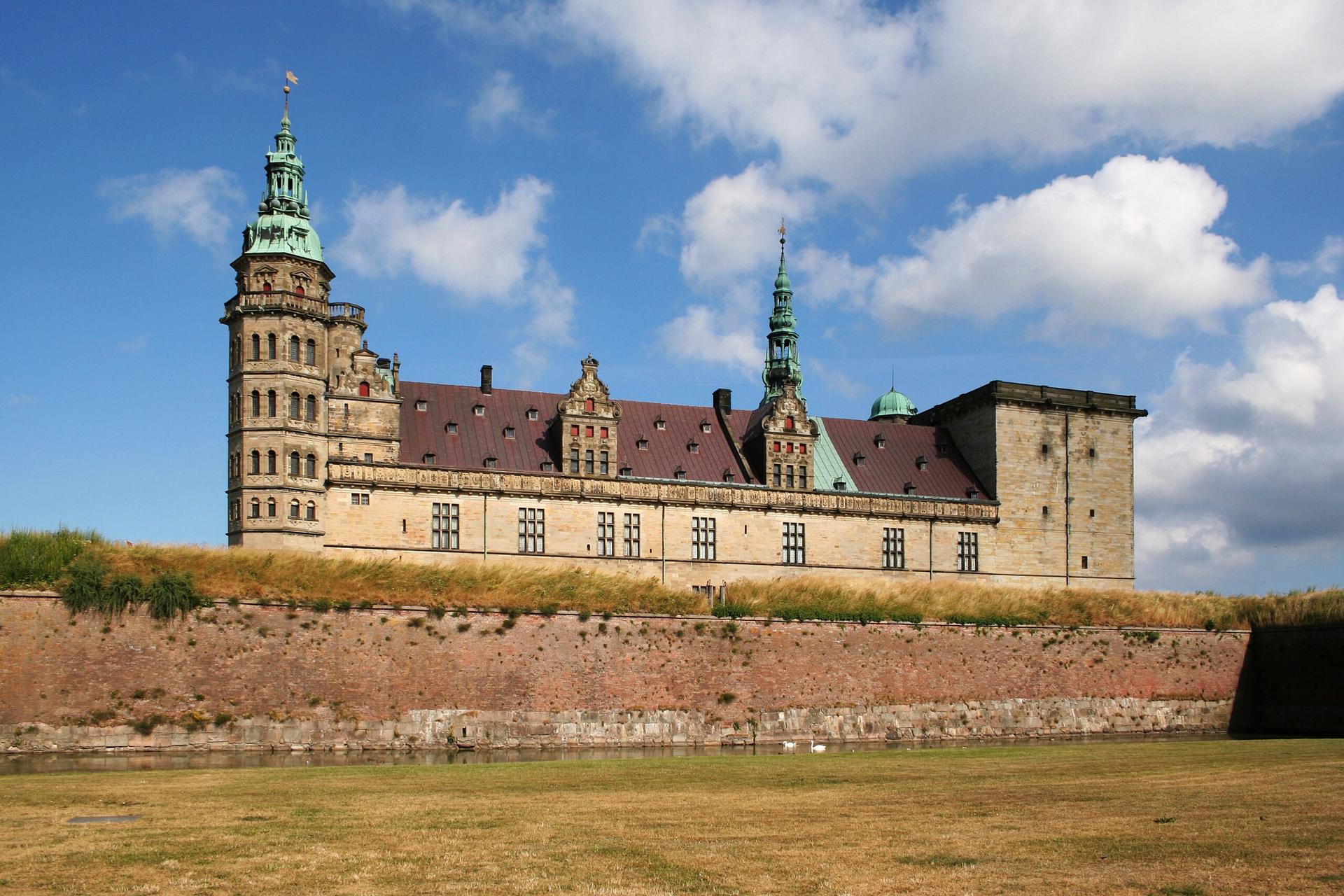
Looking beyond Nørrebrogade? Discover North Zealand for broader travel guides, local hot-spots, and regional highlights.
Explore North Zealand
Story-rich escape rooms, cinematic sets and clever puzzles make this Østerbro venue one of Copenhagen’s most atmospheric indoor group adventures.
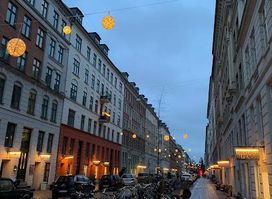
A short Nørrebro side street turned creative powerhouse, where independent makers, specialty food and relaxed urban life share the same cobbled stage.
