Workers Museum Travel Guide
Free Guide: Step into Copenhagen’s historic Workers’ Assembly Hall and trace 150 years of working-class life, from cramped attic flats and factory floors to activism, cafés and children’s play.


A brief summary of Workers Museum
Step into Copenhagen’s historic Workers’ Assembly Hall and trace 150 years of working-class life, from cramped attic flats and factory floors to activism, cafés and children’s play.
Set in the historic Workers’ Assembly Hall from 1879, Copenhagen’s Workers Museum (Arbejdermuseet) brings 150 years of Danish working-class life vividly to life. Wander through recreated 1930s and 1950s apartments, explore exhibitions on industrial work, activism and the labour movement, and let children play their way into history in the immersive Kids’ Workers’ Museum. With a listed banquet hall, rich period details and the atmospheric Café & Øl-Halle 1892 in the basement, this is both a social history museum and a living monument to the rise of the Danish welfare state.
On-site amenities
 Restrooms
 Drink options
 Drinking water
 Food options
 Seating areas
 Sheltered areas
 Trash bins
 Information boards
 Visitor centre
Opening hours
- Mon10 am–5 pm
- Tue10 am–5 pm
- Wed10 am–5 pm
- Thu10 am–8 pm
- Fri10 am–5 pm
- Sat10 am–5 pm
- Sun10 am–5 pm
Opening hours as listed on the venue’s Google Business Profile. Hours can change for services and special events, so check with the venue before you go.
- Address
- Rømersgade 22, 1362 København
- Phone
- Website
Getting there
Metro
City Bus
Bicycle
Taxi / Rideshare
Discover more about Workers Museum
A historic house of the labour movement
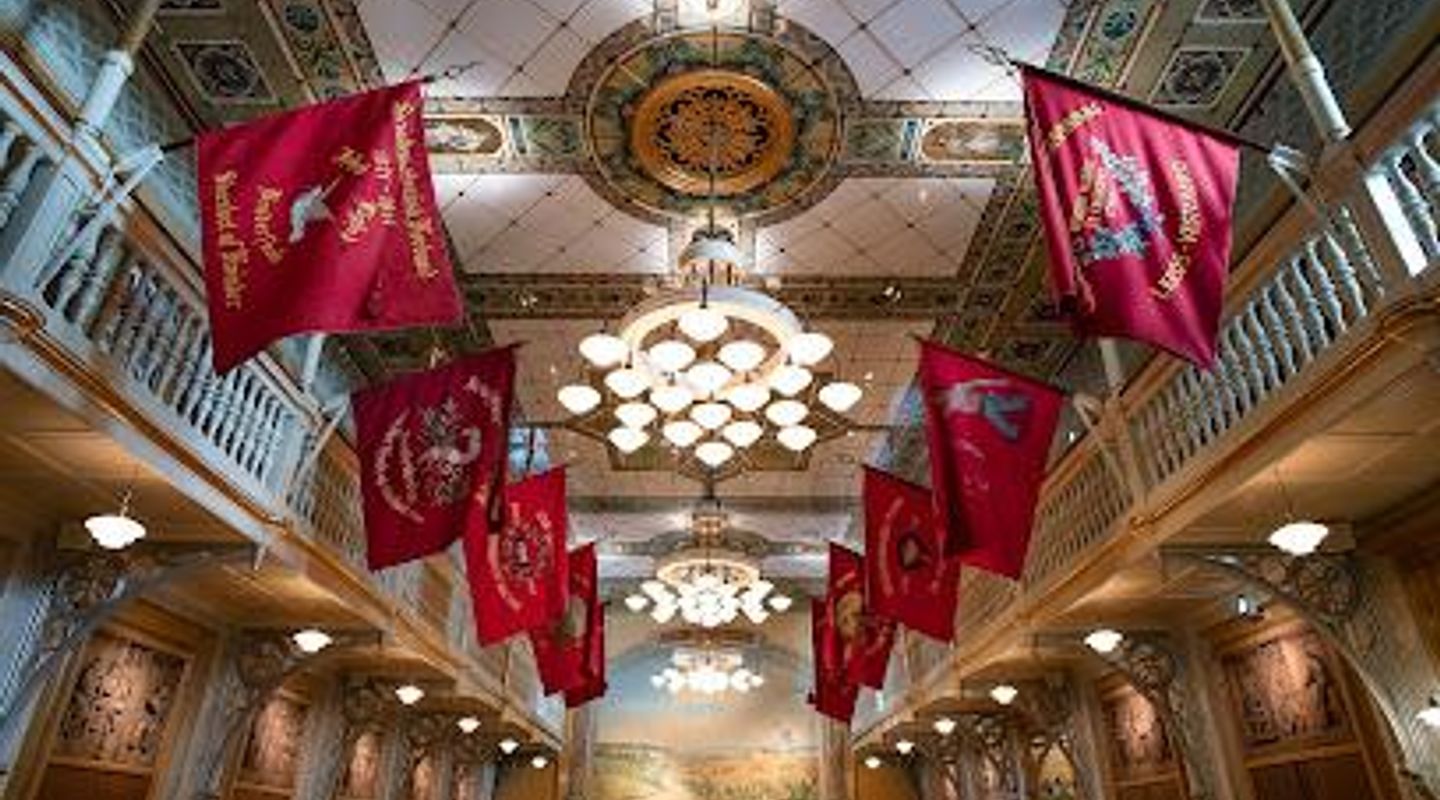
The Workers Museum is housed in Copenhagen’s former Workers’ Assembly Hall, completed in 1879 as the first purpose-built meeting place for Denmark’s labour movement. Behind its sober brick façade lies a richly decorated interior, where trade unions once gathered to debate, organise and celebrate. The grand banquet hall, with painted murals, banners and balconies, still radiates the pride of the craftsmen and labourers who funded and used the building.Over the years, this hall has hosted everything from rowdy political meetings to theatre performances and festive parties. It is also closely tied to major figures in Danish social democracy, including Thorvald Stauning, the working-class boy who became Denmark’s longest-serving prime minister. Today the building is listed, preserving the architecture and atmosphere of a formative era in the country’s democratic life.
Everyday life in cramped rooms and backyard streets
At the heart of the museum are detailed recreations of working-class homes and streets from different periods. You can step into a narrow attic flat from around 1900, where a whole family squeezed into a couple of dim rooms under the roof. Further on, a 1950s apartment shows how consumer goods, radios and better furniture slowly transformed daily life as incomes rose after the Second World War.Shops, a pawn broker and street scenes reveal what could be bought on a tight budget and what had to be sold when money ran out. Textiles, toys and kitchen utensils are carefully chosen to reflect what families actually used, from enamel pots to hand-embroidered cushions. Moving through these rooms, you trace the shift from poverty and rationing to the emerging comfort of the welfare state.
Factories, unions and the making of modern Denmark
Beyond the domestic interiors, the museum explores how industrial work reshaped Copenhagen. Exhibitions on factory life immerse you in the noise and pace of bottling halls, shipyards and breweries, where long hours and repetitive tasks were balanced by camaraderie and collective organisation. Tools, machinery and photographs chart the transition from manual labour to more mechanised production.Another strand follows the growth of trade unions, co-operatives and political parties that campaigned for shorter working days, safer conditions and social security. Posters, banners and leaflets tell the story of strikes, demonstrations and negotiations that gradually established rights many now take for granted. The narrative links these struggles to the creation of Denmark’s modern welfare system, connecting individual lives with national change.
Children’s history through play and imagination
The Children’s Workers’ Museum is a self-contained world designed for younger visitors but engaging for adults as well. Here, children can take a job at a 1930s-style grocery shop, sort bottles at a miniature brewery or type letters in a union office. Everything is hands-on, encouraging them to learn by doing rather than just looking.Period costumes, a recreated dance school and a small flat invite roleplay and storytelling about what it meant to grow up in a working-class family generations ago. Simple tasks, like weighing goods or delivering messages, highlight how responsibility and work entered children’s lives early. This playful space turns social history into something tangible and memorable.
Café culture steeped in time
Downstairs, Café & Øl-Halle 1892 offers a sensory extension of the exhibitions. This listed basement restaurant has been restored to its late 19th-century appearance, with dark wood, tiled floors and snug booths. Traditional Danish dishes and classic drinks echo what workers might have ordered after a meeting or a long shift.Sitting here, you can almost imagine the smoke-filled conversations about politics, union affairs or everyday worries that once filled the room. The café underlines how social life, not just work and struggle, forms part of the labour movement’s history.
A museum of memory in the city’s centre
Located in the Indre By district, the museum is woven into Copenhagen’s urban fabric rather than standing apart from it. Its exhibitions blend objects, architecture, soundscapes and personal stories to illuminate how ordinary people shaped the city and the country. Rather than focusing on elites, it invites you to see history from the perspective of maids, dockers, typists and their children.As you leave, the red flags, narrow staircases and factory sirens linger in the mind. The Workers Museum functions as both a historical archive and a living reminder of collective action, solidarity and the everyday routines that underpin big political changes.
Evendo Review Centre
 Google
Guest reviews
Best time to go
Quietest: Jan, Feb & Mar · before 8am or at 9pm
Busy times are Evendo estimates for a typical year, to help you plan. Actual crowds vary with events, school holidays and the weather.
Explore Workers Museum on the map
A handpicked selection of must-see spots near Workers Museum, mapped for you.
Get your free copy of our complete guide to Workers Museum, delivered straight to you.
Everything on this page, from opening hours and how to get there to Eve’s tips and the best time to go, in one PDF you can read offline, print or share.
Already have an account? Sign in
Your Workers Museum guide is ready.
We'll send it to · Not you? Sign out

Getting your guide ready…
We are putting together a fresh copy of the Workers Museum guide. This can take up to a minute.
This can take a few moments. If your browser asks, choose Allow so the download can start. You'll find the guide in your Downloads folder.
Nothing happened? Download it again
Sorry, the guide is taking longer than usual. Please try again in a minute, or get it by email instead.
Other nearby places you may find interesting
The closest places of the same kind, if this one is not quite what you had in mind.
-
-
-
-
-


Swipe for more places
More to explore near Workers Museum

 Best experiences near Workers Museum

 Best hotels near Workers Museum

 Best landmarks near Workers Museum

 Best attractions near Workers Museum

 Best shops near Workers Museum

 Best restaurants near Workers Museum

 Best bars near Workers Museum
Do you manage this location?
Take control to get all the benefits, like improved information, better appearance, and stronger visibility across AI-powered discovery.
Explore more

Explore more of North Zealand
Explore North Zealand, Denmark's enchanting region of castles, beaches, and royal estates, perfect for history buffs, nature enthusiasts, and seaside lovers.
Explore North Zealand
Explore more of Denmark
Discover Denmark: A perfect blend of history, modern design, and the cozy concept of hygge. Explore vibrant cities, serene landscapes, and world-class cuisine.
Explore Denmark