Glasmuseet Ebeltoft Travel Guide
Free Guide: A waterfront museum where glowing furnaces, bold contemporary glass art and immersive installations bring Ebeltoft’s sea light and creative energy together under one roof.


A brief summary of Glasmuseet Ebeltoft
A waterfront museum where glowing furnaces, bold contemporary glass art and immersive installations bring Ebeltoft’s sea light and creative energy together under one roof.
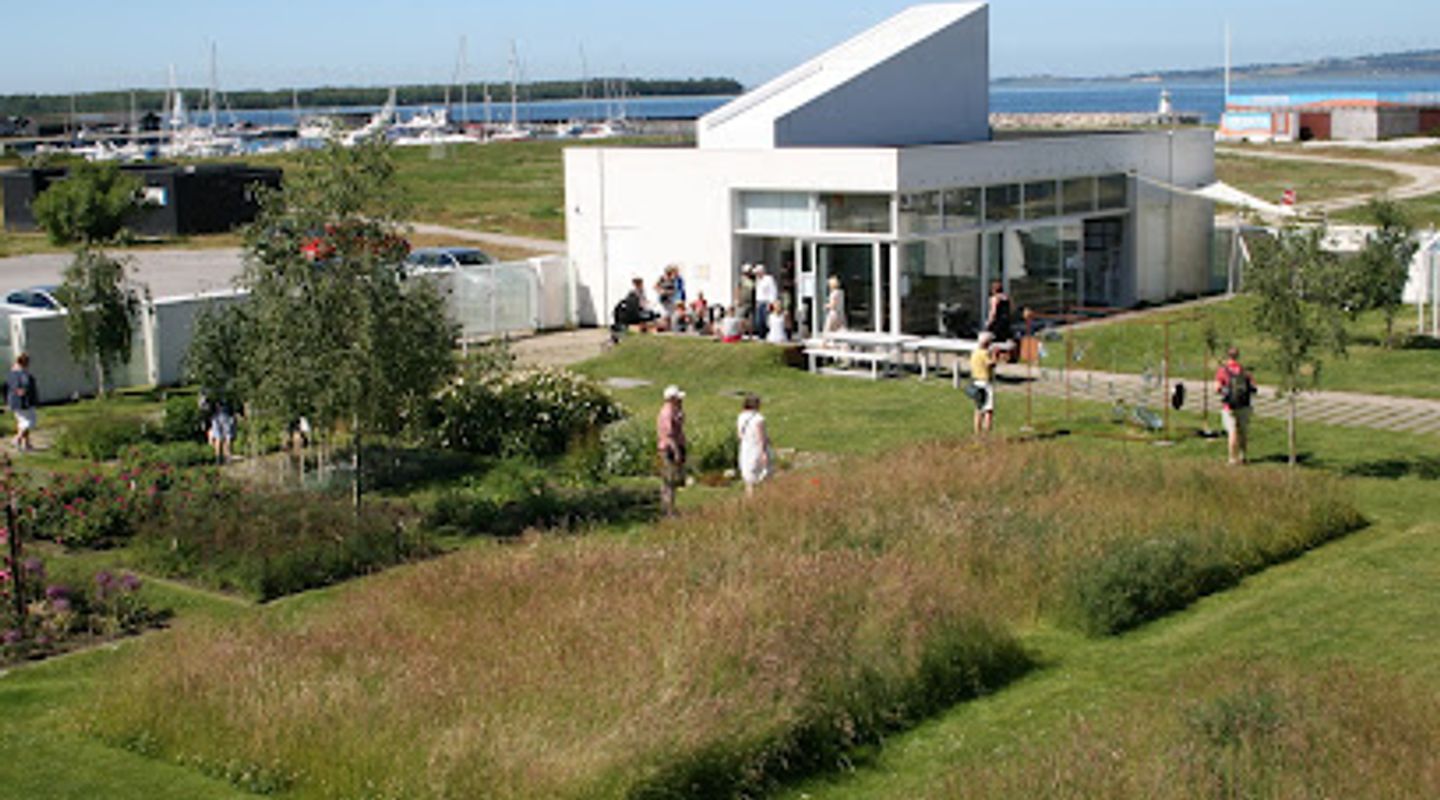
Beautifully set by the waterfront in the old town of Ebeltoft, Glasmuseet Ebeltoft is Denmark’s international museum for modern glass. Inside its bright, minimalist galleries you encounter an outstanding collection of contemporary glass art from around the world, alongside ambitious temporary exhibitions, an atmospheric installation space and a working glass workshop. A stylish shop, café and garden round out an experience that appeals to design lovers, families and the simply curious.
On-site amenities
 Restrooms
 Drink options
 Food options
 Seating areas
 Trash bins
 Information boards
 Visitor centre
Opening hours
- Every day10 am–5 pm
Opening hours as listed on the venue’s Google Business Profile. Hours can change for services and special events, so check with the venue before you go.
- Address
- Strandvejen 8, 8400 Ebeltoft
- Phone
- Website
Getting there
Regional bus from Aarhus
Car from Aarhus and Aarhus Airport
Local bus within Djursland
Walking within Ebeltoft
Discover more about Glasmuseet Ebeltoft
Modern glass art by the Ebeltoft waterfront
Glasmuseet Ebeltoft occupies a sleek, light-filled building on the harbourfront, where floor-to-ceiling windows draw the surrounding sea and sky into the galleries. Inside, the focus is firmly on contemporary glass art, with works that range from delicate vessels and shimmering sculptures to bold conceptual installations that use light, shadow and reflection as integral parts of the piece. The interplay between the cool Nordic light, the transparent material and the water just outside is part of the museum’s quiet drama.At its core lies an international collection of more than a thousand works, built up since the museum’s founding in the 1980s. Artists from Denmark and across the globe are represented, and the display is regularly refreshed, so returning visitors encounter new combinations and narratives. Explanatory texts focus on technique and ideas rather than biography alone, helping you read the glass as more than just beautiful objects.
Changing exhibitions and immersive installations
Alongside the core collection, the museum stages changing exhibitions that spotlight new voices, themes and techniques in glass. These might explore the boundaries between craft and sculpture, investigate environmental questions through material, or give space to younger artists experimenting with form. The curatorial approach is contemporary and often playful, inviting you to move around pieces, peer through them and notice how perspectives shift.One of the most distinctive experiences is an installation space where mirrors, coloured glass and carefully controlled lighting create the sensation of stepping into an otherworldly environment. Here the boundaries of the room dissolve and reflections multiply, echoing the limitless horizons of sea and sky outside. It is as much about how your body feels in space as about the individual works, and many visitors linger to let their senses adjust.
Heat, craft and creativity in the glass workshop
Step out to the garden and you encounter the museum’s working glass workshop, where the alchemy of molten sand into glowing art plays out in real time. Behind protective barriers, glassblowers gather honey-like glass from the furnace, shape it with wooden blocks and metal tools, and coax it into vessels, sculptures or components for larger works. The roar of the furnace, the hiss of steam and the rhythmic turning of pipes are a reminder that every polished piece in the galleries began in sweat and heat.At certain times of year, especially during Danish school holidays, the workshop also becomes a space for simple, guided activities such as small-scale casting or decorating glass elements. These short sessions introduce children and adults to the basics of working with glass, connecting the refined art indoors with hands-on making.
Family-friendly discovery and digital learning
Glasmuseet Ebeltoft is designed to be approachable, even if you have never thought of yourself as an art museum person. A dedicated learning area encourages younger visitors to explore glass through touchable samples, magnifying lenses, films and simple optical games. Elsewhere, digital stations delve into techniques, from blowing and casting to grinding and engraving, using short videos and interactive elements to explain the processes.Because most of the museum is on just a few levels with lifts and wide circulation areas, it is generally easy to navigate with a stroller or wheelchair. Benches and occasional seating are dotted through the galleries, inviting you to pause and take in how a piece changes as daylight shifts across its surface during your visit.
Shop, café and garden with a sea breeze
Before you leave, the museum shop presents one of Denmark’s widest selections of handmade glass by Danish and international makers, ranging from small, affordable pieces to ambitious one-off works. It is an excellent place to see how contemporary glass art translates into everyday design objects such as vases, drinking glasses or jewellery.A small café area offers drinks and light refreshments, often with a glimpse of the harbour through large windows. On fine days, the garden becomes an outdoor living room, with views of boats and the old town’s rooftops beyond. Combined with the compact size of the museum – most visits last one to two hours – this makes Glasmuseet Ebeltoft a natural pause point in a wider exploration of town, sea and surrounding national park landscapes.
Evendo Review Centre
 Google
Guest reviews
Best time to go
Quietest: Jan, Feb & Nov · before 8am or at 6pm or at 7pm
Busy times are Evendo estimates for a typical year, to help you plan. Actual crowds vary with events, school holidays and the weather.
Explore Glasmuseet Ebeltoft on the map
A handpicked selection of must-see spots near Glasmuseet Ebeltoft, mapped for you.
Get your free copy of our complete guide to Glasmuseet Ebeltoft, delivered straight to you.
Everything on this page, from opening hours and how to get there to Eve’s tips and the best time to go, in one PDF you can read offline, print or share.
Already have an account? Sign in
Your Glasmuseet Ebeltoft guide is ready.
We'll send it to · Not you? Sign out

Getting your guide ready…
We are putting together a fresh copy of the Glasmuseet Ebeltoft guide. This can take up to a minute.
This can take a few moments. If your browser asks, choose Allow so the download can start. You'll find the guide in your Downloads folder.
Nothing happened? Download it again
Sorry, the guide is taking longer than usual. Please try again in a minute, or get it by email instead.
Other nearby places you may find interesting
The closest places of the same kind, if this one is not quite what you had in mind.
-
-
-
-
-


Swipe for more places
More to explore near Glasmuseet Ebeltoft

 Best experiences near Glasmuseet Ebeltoft
 Best hotels near Glasmuseet Ebeltoft
 Best landmarks near Glasmuseet Ebeltoft
 Best attractions near Glasmuseet Ebeltoft
 Best shops near Glasmuseet Ebeltoft
 Best restaurants near Glasmuseet Ebeltoft
 Best bars near Glasmuseet Ebeltoft
Do you manage this location?
Take control to get all the benefits, like improved information, better appearance, and stronger visibility across AI-powered discovery.
Explore more
Explore more of Samsø
Samsø: Explore Denmark's eco-friendly island, rich in natural beauty, culinary delights, and cultural heritage.
Explore Samsø
Explore more of Denmark
Discover Denmark: A perfect blend of history, modern design, and the cozy concept of hygge. Explore vibrant cities, serene landscapes, and world-class cuisine.
Explore Denmark