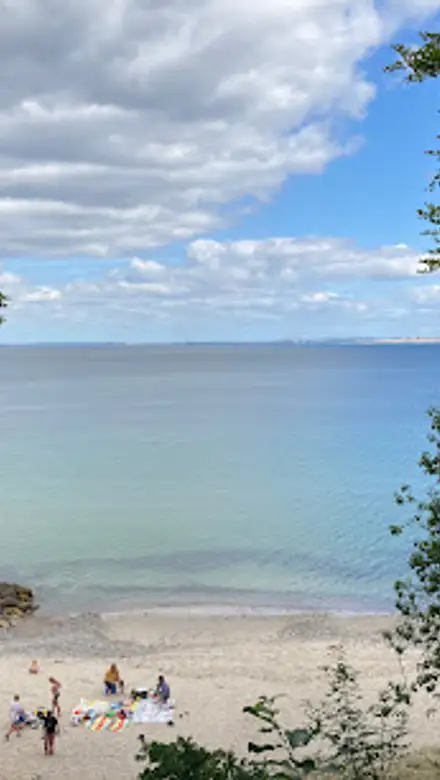
Marselisborg Deer Park Travel Guide
Free Guide: Free-roaming deer in an ancient Danish forest—a wild escape just minutes from the city.


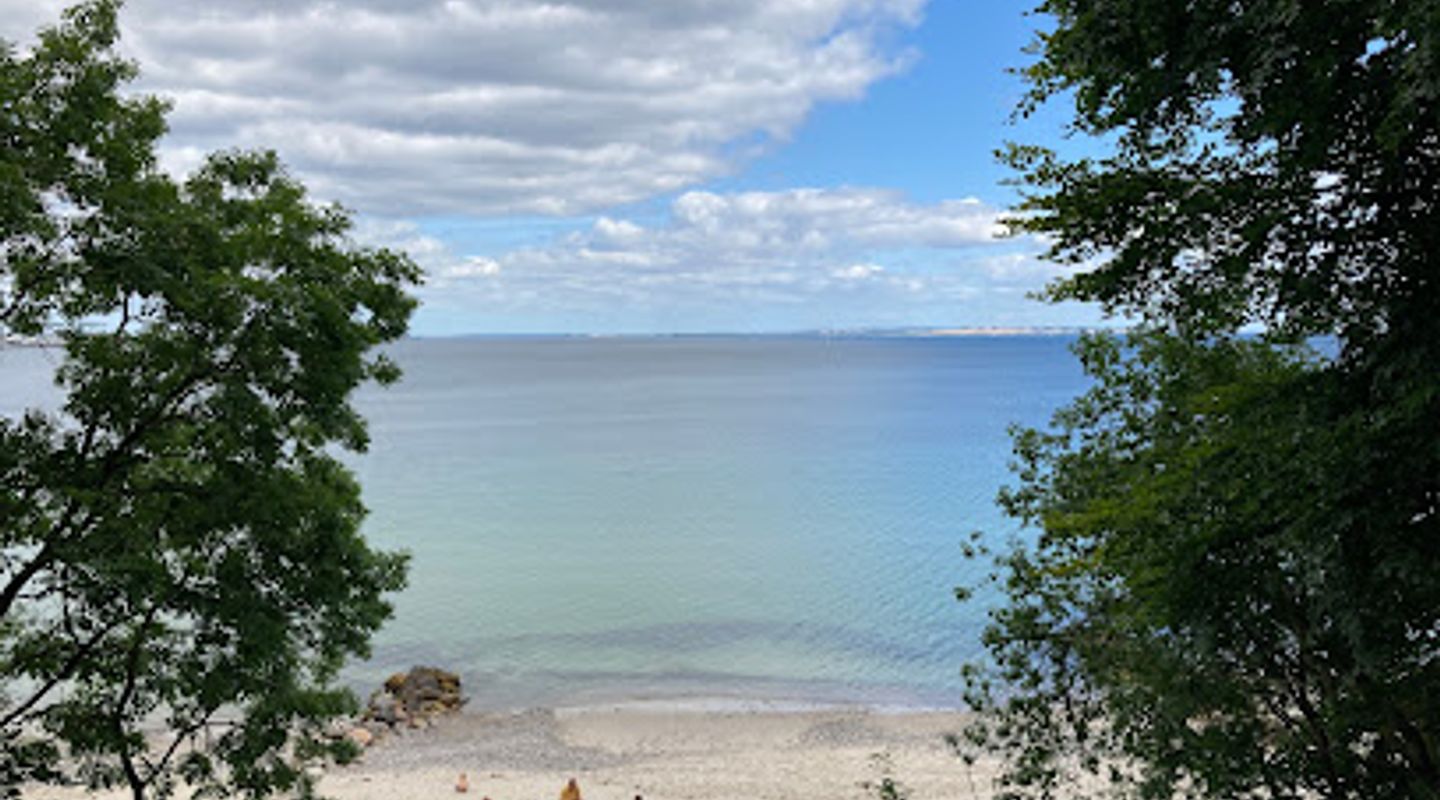
A brief summary of Marselisborg Deer Park
Free-roaming deer in an ancient Danish forest—a wild escape just minutes from the city.
A serene 22-hectare woodland sanctuary south of Aarhus where sika deer, fallow deer, and roe deer roam freely through ancient forests and rolling hills. This free-access nature preserve offers peaceful walking trails, scenic vistas across Aarhus Bay, and authentic wildlife encounters without the constraints of traditional zoos. Perfect for families, nature photographers, and anyone seeking a quiet escape into Danish woodland.
On-site amenities
 Restrooms
 Drinking water
 Picnic areas
 Trash bins
 Information boards
 Seating areas
Opening hours
- Every dayOpen 24 hours
Opening hours as listed on the venue’s Google Business Profile. Hours can change for services and special events, so check with the venue before you go.
- Address
- Ørneredevej 6, 8270 Højbjerg
- Phone
Getting there
Bus from Aarhus City Center
Car from Aarhus City Center
Cycling from Aarhus
Walking from Marselisborg Strand Beach
Discover more about Marselisborg Deer Park
A Living Landscape of Danish Wildlife
Marselisborg Deer Park spans 22 hectares within the northern reaches of the Marselisborg Forests, a landscape shaped by centuries of careful stewardship. Established in 1932, the park was designed as a conservation area rather than a hunting ground—a pioneering concept that allowed visitors to observe native Danish fauna in conditions closely resembling their natural habitat. The terrain here is notably hilly and more open than the surrounding forest, with sparse but impressive old-growth trees creating a primeval atmosphere that transports you far from the nearby city.Three species of deer inhabit the park: sika deer with their distinctive calls and impressive antlers, fallow deer recognizable by their spotted coats, and smaller roe deer. Wild boars occupy their own secure enclosure, safely separated from visitors while remaining visible. The park's design allows these animals to behave naturally, grazing on woodland vegetation and following seasonal rhythms of mating, calving, and foraging.
Pathways Through Time and Nature
Well-maintained walking paths wind through the woodland, offering multiple routes suited to different energy levels and interests. The terrain is uneven and sometimes steep, rewarding those who venture beyond the main trails with intimate encounters with the forest ecosystem. Historic mill ponds—Pouls Dam, Thorsmølledam, and Varna Dam—punctuate the landscape, their waters reflecting ancient trees and creating idyllic resting spots. The Skambækken stream meanders through the forest, its gentle flow audible in quieter moments.From elevated vantage points, particularly the vista known as Udsigten (The View), you can see across Aarhus Bay toward the distant Mols peninsula. These panoramic moments remind visitors of the park's strategic location between urban Aarhus and the broader Marselisborg Forest system.
Respecting the Wild: Essential Guidelines for Visitors
The park operates on principles of minimal intervention and animal welfare. Feeding is strictly prohibited—the animals' digestive systems cannot process human food, and feeding creates dangerous dependencies. During June and July, female deer nurse calves and exhibit protective aggression; visits are discouraged during this sensitive period. From September through November, rutting males become territorial and aggressive, particularly sika bucks with their sharp antlers. These seasonal closures protect both animals and visitors.Visitors must remain on designated paths, maintain distance from herds, and avoid sudden movements or loud noises. Dogs are not permitted, and collecting chestnuts or acorns—which form part of the animals' natural diet—is forbidden. The wild boars, permanently fenced for safety, should never be approached or fed under any circumstances.
Facilities and Practical Considerations
Krudthuset, located in the eastern section of the park, provides free water, toilets, and accessible facilities year-round. Parking is plentiful and free near the main entrance. The park opens at sunrise and closes at sunset, operating daily throughout the year except during the September-to-November mating season when public access is restricted. Stormy weather poses risks from falling branches and should be avoided.The park's open-air nature means weather significantly affects the experience. Winter snow transforms the landscape into a pristine setting suitable for sledding and skiing. Spring and early summer offer the best wildlife viewing, though June-July restrictions apply. Autumn provides dramatic colors but coincides with the mating season closure.
A Safari Without Exotic Spectacle
Unlike traditional zoos, Marselisborg presents no exotic animals or theatrical displays. Instead, it offers something rarer: the opportunity to observe common European species behaving as they would in genuine wilderness. The sparse woodland, hilly terrain, and absence of artificial structures create an authentic safari experience rooted in Danish ecology. Early mornings and late afternoons yield the most active wildlife viewing, when deer emerge to feed and the forest falls quiet.The park's commitment to conservation extends beyond its boundaries. Administered by Aarhus Municipality, it serves as a living laboratory for wildlife management and a refuge for native species in an increasingly urbanized region.
Evendo Review Centre
 Google
Guest reviews
Best time to go
Quietest: Jun, Jul & Sep · before 6am or at 9pm
Busy times are Evendo estimates for a typical year, to help you plan. Actual crowds vary with events, school holidays and the weather.
Explore Marselisborg Deer Park on the map
A handpicked selection of must-see spots near Marselisborg Deer Park, mapped for you.
Get your free copy of our complete guide to Marselisborg Deer Park, delivered straight to you.
Everything on this page, from opening hours and how to get there to Eve’s tips and the best time to go, in one PDF you can read offline, print or share.
Already have an account? Sign in
Your Marselisborg Deer Park guide is ready.
We'll send it to · Not you? Sign out

Getting your guide ready…
We are putting together a fresh copy of the Marselisborg Deer Park guide. This can take up to a minute.
This can take a few moments. If your browser asks, choose Allow so the download can start. You'll find the guide in your Downloads folder.
Nothing happened? Download it again
Sorry, the guide is taking longer than usual. Please try again in a minute, or get it by email instead.
Unlock the best of Marselisborg Deer Park
Skip-the-line tickets, guided tours with entry, and walking tours of the area, booked in a few clicks.

Other nearby places you may find interesting
The closest places of the same kind, if this one is not quite what you had in mind.
-
Tidselkorridoren A winding botanical art corridor celebrating Samsø's wildflowers and native plants.
-
Vesborg Fyr Historic lighthouse on Samsø’s southwestern tip, blending medieval ramparts, sweeping sea views and classic Danish coastal atmosphere in one compact headland.
-
Falkecenter Samsø ApS High‑speed falcons, soaring eagles and silent owls in a one‑hour open‑air show that brings the ancient art of falconry to life on the island of Samsø.
-
Ballebjerg Samsø’s highest hill, crowned by a 1920 watchtower and wrapped in wide Kattegat horizons, offering simple, far-reaching views over fields, sea and islands.
-
Samsø Labyrinten Lose yourself in the world’s largest labyrinth, where quiz questions guide you through 5.5 km of leafy paths, hidden goals, play areas and tranquil island nature.
Swipe for more places
More to explore near Marselisborg Deer Park

 Best experiences near Marselisborg Deer Park
 Best hotels near Marselisborg Deer Park
 Best landmarks near Marselisborg Deer Park
 Best attractions near Marselisborg Deer Park
 Best shops near Marselisborg Deer Park
 Best restaurants near Marselisborg Deer Park
 Best bars near Marselisborg Deer Park
Do you manage this location?
Take control to get all the benefits, like improved information, better appearance, and stronger visibility across AI-powered discovery.
Explore more
Explore more of Samsø
Samsø: Explore Denmark's eco-friendly island, rich in natural beauty, culinary delights, and cultural heritage.
Explore Samsø
Explore more of Denmark
Discover Denmark: A perfect blend of history, modern design, and the cozy concept of hygge. Explore vibrant cities, serene landscapes, and world-class cuisine.
Explore Denmark