

Skagen Bunkermuseum, Skagen Travel Guide
Free Guide: Explore a genuine World War II German medical bunker in the dunes of Skagen, where original rooms, artifacts and sea air bring the Atlantic Wall to life.


A brief summary of Skagen Bunkermuseum
Explore a genuine World War II German medical bunker in the dunes of Skagen, where original rooms, artifacts and sea air bring the Atlantic Wall to life.
Set in a preserved World War II German medical bunker on Skagen’s windswept headland, Skagen Bunkermuseum offers an atmospheric dive into life on the Atlantic Wall. Original rooms, uniforms, weapons and documents recreate the wartime medical station that once treated wounded soldiers, while exhibits and film projections place the bunker in the wider story of German coastal defences along Denmark’s north coast. Outside, dunes and scattered concrete ruins underline how close history lies to the sea.
On-site amenities
 Restrooms
 Trash bins
 Information boards
Opening hours
- Every day11 am–3 pm
Opening hours as listed on the venue’s Google Business Profile. Hours can change for services and special events, so check with the venue before you go.
- Address
- Fyrvej 59, 9990 Skagen
- Phone
- Website
Getting there
Train and local bus from Frederikshavn
Car from central Skagen
Taxi within Skagen area
Walking from Skagen town
Discover more about Skagen Bunkermuseum
A wartime bunker at Denmark’s northern edge
Skagen Bunkermuseum occupies a genuine German World War II bunker, type Regelbau 638, built as a sanitary bunker for treating wounded soldiers stationed on the Skagen headland. Hidden low in the dunes near the lighthouse, the reinforced concrete structure was part of the Atlantic Wall, the chain of fortifications that once stretched along much of Europe’s western coastline. Here, at the tip of Jutland, the bunker helped guard the busy sea lanes where the North Sea and the Baltic approaches meet.From the outside, the building still looks resolutely functional: thick walls, narrow openings and a profile designed to disappear into the sand and withstand bombardment. Step through the entrance, and you move from open coastal light into a compact underground world where wartime routines once unfolded around the clock. The museum preserves this sense of confinement and protection, reminding you that for the soldiers here, the bunker was both workplace and shelter.
Inside the preserved medical station
The interior has been laid out as a modern war museum while respecting the original room plan of the medical bunker. Corridors lead past treatment spaces, an operations room and small quarters where medical staff and soldiers once worked in shifts. Simple bunks, desks and equipment evoke the practical, stripped-back conditions of a frontline aid post, far from large city hospitals but close to potential attack.Display cases and reconstructed scenes show how wounded soldiers were received, assessed and stabilised before being moved further from the front. The compact scale of the bunker makes it easy to picture stretchers arriving through the doors and staff working in cramped rooms lit by dim electric lamps. Pipes, cables and heavy doors underline how carefully engineered these structures were to keep functioning even under threat.
Artifacts, weapons and personal traces
Beyond the medical narrative, the museum presents a broad selection of World War II objects connected to the German presence in North Jutland. Uniforms hang neatly pressed, insignia still visible, next to helmets, field gear and everyday items that once filled the pockets of soldiers far from home. Weapons, including a notable MG-42 machine gun, illustrate the firepower that bunkers along this coast could bring to bear on sea and land targets.Among the most thought‑provoking elements are original documents and letters that link this remote outpost to the wider war. Exhibits highlight correspondence and orders that reference major operations such as D‑Day, showing how events unfolding hundreds of kilometres away were monitored from within these concrete walls. Together, the objects and texts turn the bunker from an anonymous ruin into a place where individual stories and global strategy intersected.
Film, interpretation and language support
A small film room adds another layer to the visit, with historic footage and explanatory material that set the bunker within the broader context of occupation and coastal defence in Denmark. Visual material helps convey the scale of the Atlantic Wall and the network of fortifications that once dotted dunes and headlands all along the coast.To make the content accessible, the museum provides written information and brochures in English, and many of the signs around the bunker include English text alongside Danish. This allows international visitors to follow the storyline of the bunker, understand technical details of its construction and function, and connect exhibits to wider historical themes without needing specialist knowledge.
Dunes, sea air and surrounding bunkers
The setting is an important part of the experience. Step back outside and you are immediately surrounded by Skagen’s characteristic dune landscape, with long views, strong sea breezes and shifting light. Scattered across the shoreline, other wartime bunkers are slowly being claimed by sand and waves, quietly illustrating how quickly nature begins to soften even the hardest concrete.Many visitors combine the museum with a walk along the beach or a visit to nearby coastal landmarks, using the bunker as a focal point for reflecting on the area’s layered history. The contrast between the peaceful, scenic surroundings and the building’s original purpose gives the site a contemplative atmosphere, where it is easy to imagine both the tension of wartime watchfulness and the relief of the war’s end.
Evendo Review Centre
 Google
Guest reviews
Best time to go
Quietest: Jan, Mar & Nov · before 8am or at 5pm or at 6pm
Busy times are Evendo estimates for a typical year, to help you plan. Actual crowds vary with events, school holidays and the weather.
Explore Skagen Bunkermuseum on the map
A handpicked selection of must-see spots near Skagen Bunkermuseum, mapped for you.
Get your free copy of our complete guide to Skagen Bunkermuseum, delivered straight to you.
Everything on this page, from opening hours and how to get there to Eve’s tips and the best time to go, in one PDF you can read offline, print or share.
Already have an account? Sign in
Your Skagen Bunkermuseum guide is ready.
We'll send it to · Not you? Sign out

Getting your guide ready…
We are putting together a fresh copy of the Skagen Bunkermuseum guide. This can take up to a minute.
This can take a few moments. If your browser asks, choose Allow so the download can start. You'll find the guide in your Downloads folder.
Nothing happened? Download it again
Sorry, the guide is taking longer than usual. Please try again in a minute, or get it by email instead.
Other nearby places you may find interesting
The closest places of the same kind, if this one is not quite what you had in mind.
-
-
-
-
-


Swipe for more places
More to explore near Skagen Bunkermuseum

 Best experiences near Skagen Bunkermuseum
 Best hotels near Skagen Bunkermuseum
 Best landmarks near Skagen Bunkermuseum
 Best attractions near Skagen Bunkermuseum
 Best shops near Skagen Bunkermuseum
 Best restaurants near Skagen Bunkermuseum
 Best bars near Skagen Bunkermuseum
Do you manage this location?
Take control to get all the benefits, like improved information, better appearance, and stronger visibility across AI-powered discovery.
Explore more
Explore more of Skagen
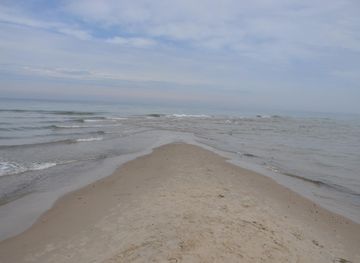
Discover Skagen, Denmark's northernmost town, where two seas meet, artists find inspiration, and nature's beauty is unparalleled.
Explore Skagen
Explore more of Denmark
Discover Denmark: A perfect blend of history, modern design, and the cozy concept of hygge. Explore vibrant cities, serene landscapes, and world-class cuisine.
Explore Denmark
