

Skagen Kystbatteri, Skagen Travel Guide
World War II concrete, windswept dunes and wide North Sea horizons meet at Skagen Kystbatteri, a former German coastal fortress turned evocative bunker museum.
Set among windswept dunes on Denmark’s northern tip, Skagen Kystbatteri – also known as Skagen Bunker Museum – is a remarkably intact German World War II coastal battery. Inside the concrete corridors of a former command bunker you find exhibitions on life at the Atlantic Wall, weaponry and communications, and the strategic role Skagen played in guarding the entrance to the Skagerrak. Outside, scattered bunkers, gun positions and sweeping North Sea views create a powerful blend of military history and raw coastal landscape.
A brief summary to Skagen Kystbatteri
- Skagen, 9990, DK
- Click to display
- Click to display
- Duration: 1 to 2 hours
- Budget
-
 Mixed
Mixed
- Mobile reception: 4 out of 5

Know before you go
Hi, I'm Eve. Here are a few practical things to know before exploring Skagen Kystbatteri.
- Bring a warm layer even in summer; thick concrete keeps interiors cool and winds on the exposed dunes can be strong.
- Combine your visit with a walk along the nearby coast to see additional bunkers and appreciate the battery’s strategic position.
- Check seasonal opening hours in advance; the museum typically has reduced winter schedules focused on holiday periods.
- Wear sturdy shoes suitable for sand and uneven terrain if you plan to explore the outdoor bunkers in the dunes.
- Allow extra time if you are interested in military history; exhibits include detailed information panels worth reading closely.
Do you manage this location?
Take control to get all the benefits, like improved information, better appearance, and stronger visibility across AI-powered discovery. Learn more about listing your business on Evendo
Activate your presenceOther nearby places you may find interesting
The closest places of the same kind, if this one is not quite what you had in mind.

Explore Skagen Kystbatteri on the Map
A handpicked selection of must-see spots near Skagen Kystbatteri, mapped for you.
Getting There
-
Car
From central Skagen, driving to Skagen Kystbatteri typically takes about 5–10 minutes. The route follows local roads towards the lighthouse area and is straightforward, with paved surfaces suitable for all standard vehicles. Parking near the museum is generally free or low-cost; in peak summer some nearby lots may charge a modest daily fee, often in the range of 20–40 DKK. Spaces can fill during busy holiday periods, so arriving earlier in the day improves your chances of finding a convenient spot.
-
Bicycle
Cycling is a popular way to reach the bunkers from Skagen town, usually taking around 10–20 minutes depending on your starting point and pace. The terrain is mostly flat, with dedicated cycle paths or quiet roads for much of the way. Expect some sections with sandy patches and coastal wind, which can make the ride feel more demanding. Standard city bikes are adequate, and this option is suitable for most ages comfortable with short rides.
-
On Foot
If you enjoy walking, you can reach Skagen Kystbatteri from the town centre in roughly 30–45 minutes. The walk follows established pavements and coastal paths, with generally level ground but some sandy stretches near the dunes. It is accessible for most reasonably fit visitors, though those with limited mobility may find the final sandy approach more challenging. Sturdy footwear and a windproof layer are recommended, especially outside high summer.
-
Taxi
Local taxis in Skagen can take you directly to the museum area in about 5–10 minutes from most central accommodations. Fares for such a short trip typically fall in the range of 80–140 DKK, depending on traffic, time of day and any waiting time. Taxis are a convenient option for visitors with limited mobility or when weather conditions make walking or cycling less appealing, but they may be less available late at night or outside peak holiday seasons.
For the on-the-go comforts that matter to you
-
 Restrooms
-
 Seating Areas
-
 Trash Bins
-
 Information Boards
Discover more about Skagen Kystbatteri
War on the Edge of Two Seas
Perched near Denmark’s northernmost point, Skagen Kystbatteri formed part of the German Atlantic Wall, a chain of coastal fortifications built during World War II. Here the German navy and army monitored the narrow strait where ships bound for Norway and the Baltic had to pass, making Skagen a strategic choke point. The low silhouettes of bunkers, partly buried in dunes, were designed to be difficult to spot from the sea or air.Today the main command bunker has been transformed into Skagen Bunker Museum, preserving much of its original layout. Stepping inside, you move through thick concrete walls into cramped rooms where officers once coordinated artillery fire, watched radar screens and listened to coded radio messages. The structure’s solidity is striking: this was built to withstand bombardment and the harsh North Sea climate.Life Inside the Concrete Labyrinth
The museum focuses strongly on everyday life for the soldiers stationed here. Mannequins, uniforms, personal belongings and reconstructed barracks scenes show how up to several dozen men lived in a world of steel doors, narrow bunks and dim electric light. Photographs, maps and documents explain how shifts were organised, how the men coped with isolation, and how relations with the local Danish population developed under occupation.One room is dedicated to communications, with original or period-correct radios, telephones and signal equipment. Another focuses on the battery’s artillery: heavy guns capable of reaching far into the Skagerrak once stood in emplacements nearby. Panels explain firing procedures, spotting from observation posts and the complex coordination required to hit fast‑moving ships in rough seas.Bunkers in the Dunes
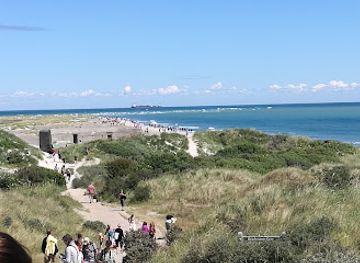
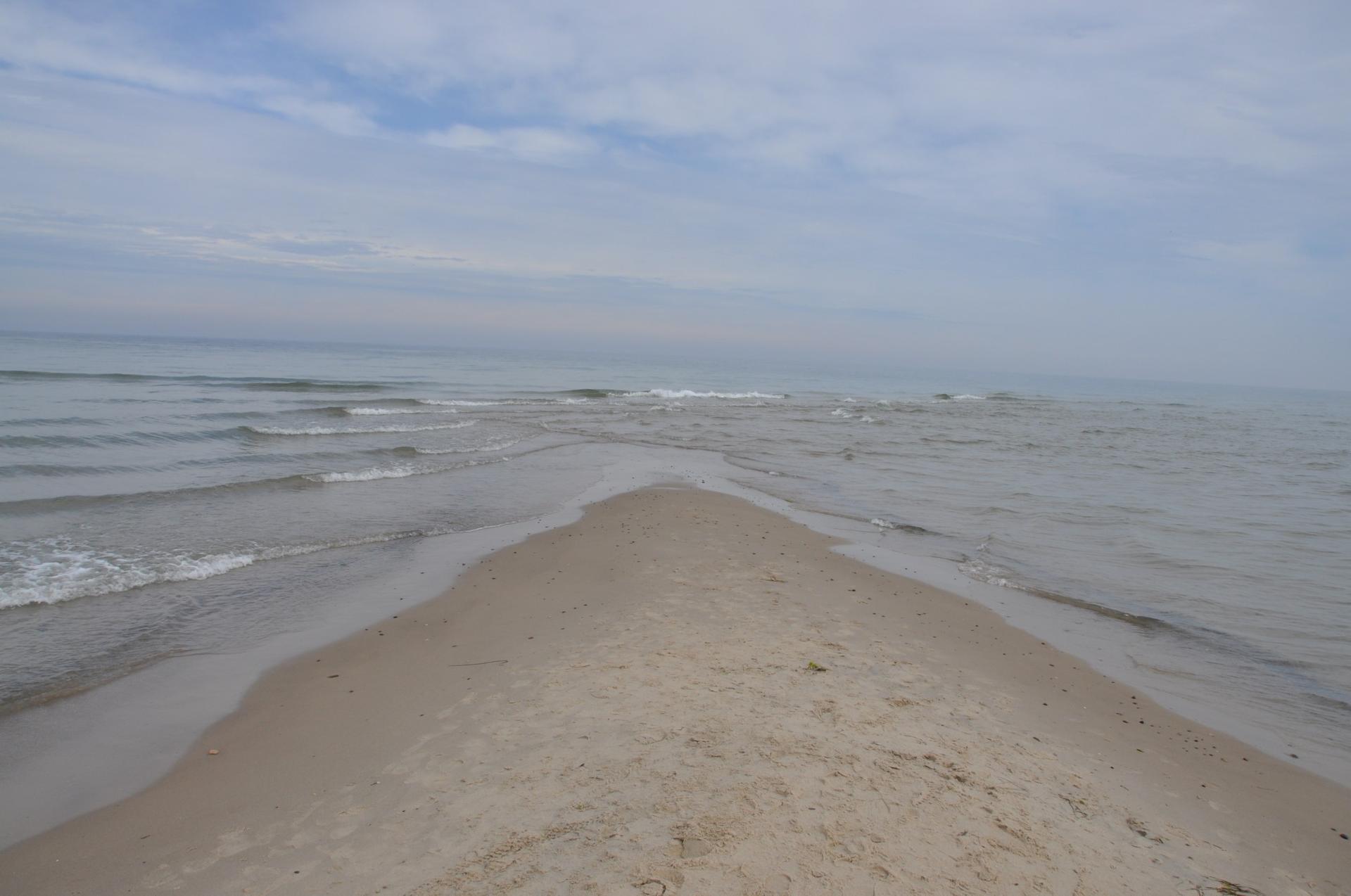
Outside the museum bunker, paths lead through heather and sand to additional fortifications. You can explore open gun positions, ammunition bunkers and smaller shelters scattered along the dune ridge. Their low, angular forms have been partly softened by sand and grasses, yet details like observation slits, mounting points and blast walls still reveal their original purpose.The setting adds a powerful layer to the experience. On windy days, waves crash on the nearby beach and the roar of the sea mixes with the whistling of the wind around concrete corners. In calmer weather, the open horizon and big sky make it easier to imagine watch crews scanning for silhouettes of ships or aircraft on the edge of visibility.From Fortress to Coastal Heritage
Skagen Kystbatteri is also a story of reuse and memory. After the war the complex was abandoned, its guns removed and many entrances filled. Over time, local heritage enthusiasts helped preserve parts of the site and develop the museum, turning a symbol of occupation into a place of learning about conflict, occupation and the lives of both soldiers and civilians.Exhibitions place the battery within the wider context of the Atlantic Wall and the North Jutland coastline, where similar bunkers still dot the beaches. Displays in both Danish and additional languages guide you through the broader history, from the construction of the defences to their fate after 1945. Throughout, the focus remains on concrete evidence: steel doors you can touch, thick walls you can lean against, and objects recovered from the site.Visiting the Battery Today
A visit typically combines time inside the museum bunker with a self‑guided walk among the surrounding installations. Families often appreciate the tangible, physical nature of the site: children can see how thick the walls are, how narrow the bunks were and how low the ceilings feel. History enthusiasts find detailed information on weapons, strategies and wartime technology, while casual visitors are often struck by the contrast between the brutalist concrete and the beautiful Skagen light.Seasonal opening hours reflect the coastal climate: the bunker is usually open in school holidays, spring, summer and early autumn, with shorter hours outside peak season. Even when the interior is closed, some exterior bunkers remain visible in the landscape, though the full experience comes from combining the atmospheric setting with the carefully curated indoor displays.












Your all‑in‑one travel companion app
Explore expert travel guides, compare and book tours, experiences, hotels, and more—all from the palm of your hand. Download now for seamless trip planning wherever your wanderlust takes you.


Explore More of Skagen
Looking beyond Skagen Kystbatteri? Discover Skagen for broader travel guides, local hot-spots, and regional highlights.
Explore Skagen
Coastal village jazz in North Jutland, where intimate concerts, Nordic light and autumn sea air blend into a quietly unforgettable festival week.

A World War II Atlantic Wall bunker turned intimate war museum, set in Skagen’s dunes where concrete corridors meet big skies and the restless North Sea.
