

Schackenborg Castle Travel Guide
Free Guide: Baroque borderland castle at the end of a storybook village street, blending royal history, tranquil gardens and discreet cultural experiences in Southern Jutland.


A brief summary of Schackenborg Castle
Baroque borderland castle at the end of a storybook village street, blending royal history, tranquil gardens and discreet cultural experiences in Southern Jutland.
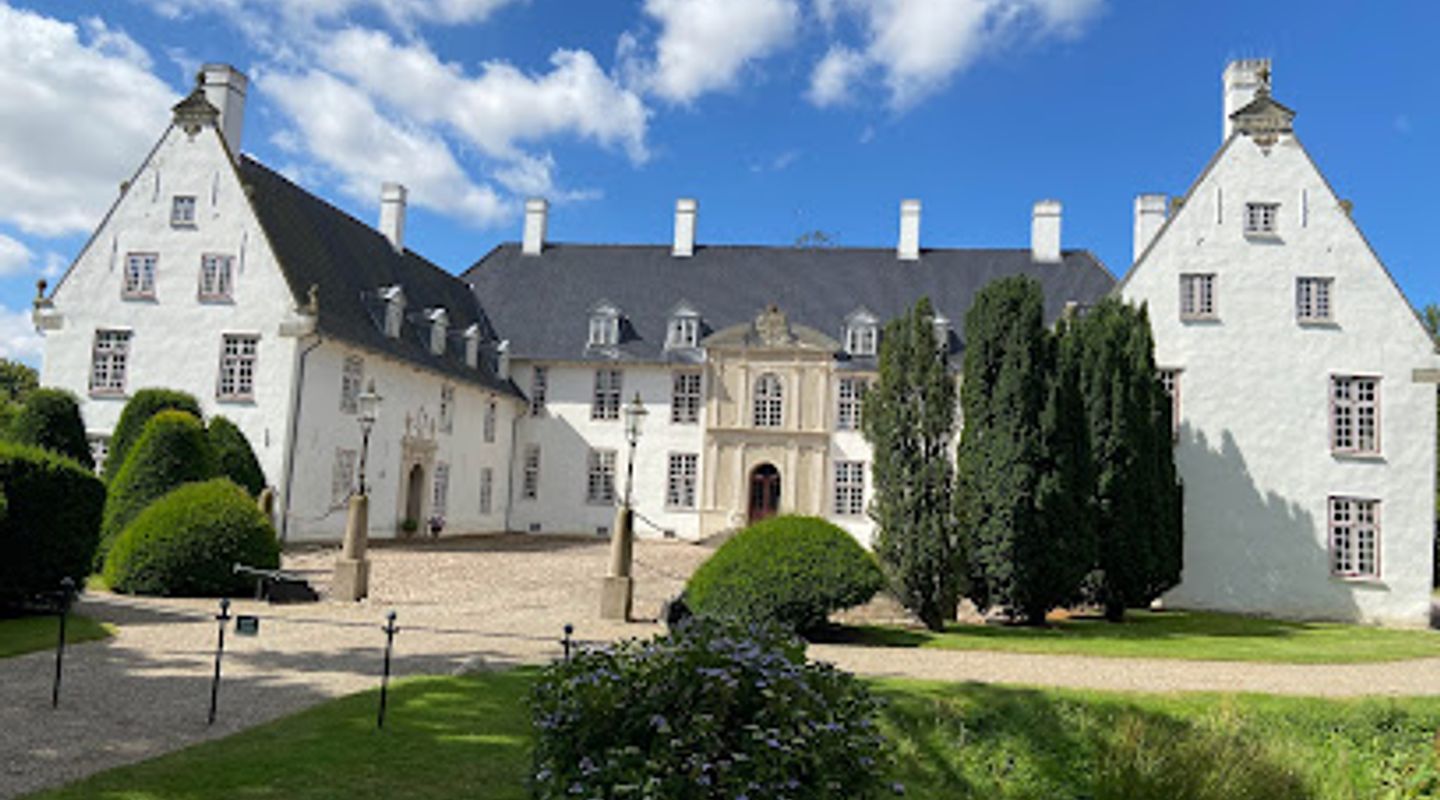
Set at the end of the storybook village street of Møgeltønder in Southern Jutland, Schackenborg Castle is a baroque manor with deep royal roots and a tranquil castle garden. Once the stronghold of Ribe’s bishops and later the seat of the von Schack family for 11 generations, it became a royal residence in the late 20th century. Today the estate combines historic architecture, curated gardens and occasional guided experiences, offering a calm, atmospheric window onto Denmark’s borderland history.
On-site amenities
 Restrooms
 Drink options
 Drinking water
 Food options
 Seating areas
 Sheltered areas
 Picnic areas
 Trash bins
 Information boards
 Visitor centre
- Address
- Schackenborg 1, 6270 Tønder
- Phone
- Website
Getting there
Regional train and taxi from Sønderborg or Esbjerg
Drive from Tønder and surrounding South Jutland
Cycling from Tønder and nearby villages
Local bus from Tønder to Møgeltønder
Discover more about Schackenborg Castle
A Borderland Castle with Deep Roots
Schackenborg Castle anchors the tiny village of Møgeltønder in Southern Jutland, just a few kilometres from the German border. The estate began as Møgeltønderhus, a fortified residence of the Catholic bishops of Ribe, raised to watch over the fertile marshlands and guard the waterway linking the Vidå river to Tønder. After the Reformation the property passed to the Danish crown, reflecting the sweeping religious and political changes reshaping the kingdom.In 1661 King Frederick III granted the aging stronghold to Count Hans von Schack in recognition of his military service. The medieval buildings were largely demolished and replaced with a new baroque manor, Schackenborg, whose balanced façades and sober elegance still define the castle today. For the next eleven generations the von Schack family shaped the estate and surrounding farmlands, leaving an architectural footprint that feels both aristocratic and distinctly rural.
From Noble Seat to Modern Royal Estate
In the late 20th century Schackenborg entered a new chapter when it reverted to the Danish royal family. Extensive restoration works preserved the baroque character while adapting interiors to modern standards. For many years it served as the residence of Prince Joachim, bringing a contemporary royal presence to this quiet corner of Jutland.Today the castle is owned and managed by a foundation that oversees both preservation and public experiences. Selected rooms host cultural events and gastronomic evenings, while parts of the south wing retain a private residential function. The estate’s story now weaves together noble lineage, royal ties and a careful opening to visitors, balancing privacy with access.
Gardens, Courtyard and Village Setting
Although the main interiors are only accessible on specific tours or for special events, the castle garden is a highlight in its own right. Formal lawns, clipped hedges and mature trees frame views of the pale baroque façades, with gravel paths inviting slow, contemplative walks. From the courtyard you sense the castle’s compact scale: more manor than fortress, it feels intimately connected to the surrounding landscape.Outside the gates, Slotsgaden, Møgeltønder’s principal street, stretches toward the village church. Often cited as one of Denmark’s most beautiful village streets, it is lined with low, thatched houses and cobbled verges that seem to have changed little in centuries. The transition from village lane to castle forecourt is seamless, creating the impression that the manor and the settlement grew together.
Experiences, Events and Seasonal Atmosphere
Schackenborg’s calendar features guided garden tours, storytelling experiences and occasional concerts or talks in historic rooms. Seasonal offerings, such as winter stays or gourmet evenings in the castle’s dining hall, highlight the estate’s role as both cultural venue and quiet retreat. These curated events place emphasis on history, gastronomy and slow enjoyment rather than spectacle.The atmosphere changes subtly with the seasons. In spring and summer the garden feels light and open, ideal for combining with a wander through the village and a visit to the nearby church. Autumn brings misty mornings over the flat marshland, adding drama to the approach. In winter the castle’s pale walls stand out against bare trees and low skies, making the estate feel almost like a stage set for Nordic fairy tales.
A Gentle Stop in the South Jutland Landscape
Schackenborg Castle is not a grand museum complex but a finely scaled historic estate best appreciated at an unhurried pace. Its significance lies in its layered story: ecclesiastical fortress, baroque manor, noble family seat, royal residence and now a carefully managed cultural property. The castle and its gardens form the natural endpoint of any visit to Møgeltønder, rewarding travellers who venture to Denmark’s quieter southwest corner with a sense of calm, continuity and understated elegance.
Evendo Review Centre
 Google
Guest reviews
Best time to go
Quietest: Jan, Feb & Mar · before 8am or at 8pm
Busy times are Evendo estimates for a typical year, to help you plan. Actual crowds vary with events, school holidays and the weather.
Explore Schackenborg Castle on the map
A handpicked selection of must-see spots near Schackenborg Castle, mapped for you.
Get your free copy of our complete guide to Schackenborg Castle, delivered straight to you.
Everything on this page, from opening hours and how to get there to Eve’s tips and the best time to go, in one PDF you can read offline, print or share.
Already have an account? Sign in
Your Schackenborg Castle guide is ready.
We'll send it to · Not you? Sign out

Getting your guide ready…
We are putting together a fresh copy of the Schackenborg Castle guide. This can take up to a minute.
This can take a few moments. If your browser asks, choose Allow so the download can start. You'll find the guide in your Downloads folder.
Nothing happened? Download it again
Sorry, the guide is taking longer than usual. Please try again in a minute, or get it by email instead.
Other nearby places you may find interesting
The closest places of the same kind, if this one is not quite what you had in mind.
-
-
-
-
-


Swipe for more places
More to explore near Schackenborg Castle

 Best experiences near Schackenborg Castle
 Best hotels near Schackenborg Castle
 Best landmarks near Schackenborg Castle
 Best attractions near Schackenborg Castle
 Best shops near Schackenborg Castle
 Best restaurants near Schackenborg Castle
 Best bars near Schackenborg Castle
Do you manage this location?
Take control to get all the benefits, like improved information, better appearance, and stronger visibility across AI-powered discovery.
Explore more
Explore more of Sønderjylland
Sønderjylland: A Journey Through Denmark's Scenic Landscapes, Rich History, and Vibrant Traditions.
Explore Sønderjylland
Explore more of Denmark
Discover Denmark: A perfect blend of history, modern design, and the cozy concept of hygge. Explore vibrant cities, serene landscapes, and world-class cuisine.
Explore Denmark
