Slotsgaden, Møgeltønder
A cobbled castle street of linden trees and thatched cottages, linking church and royal estate in one of Denmark’s most atmospheric village walks.
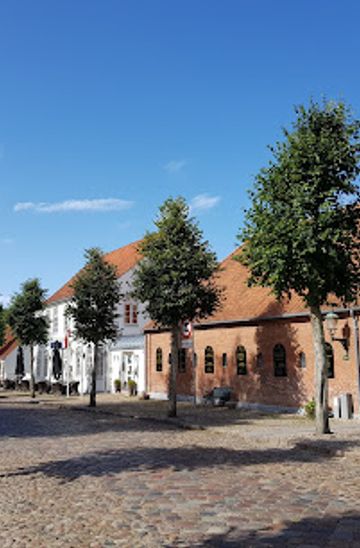
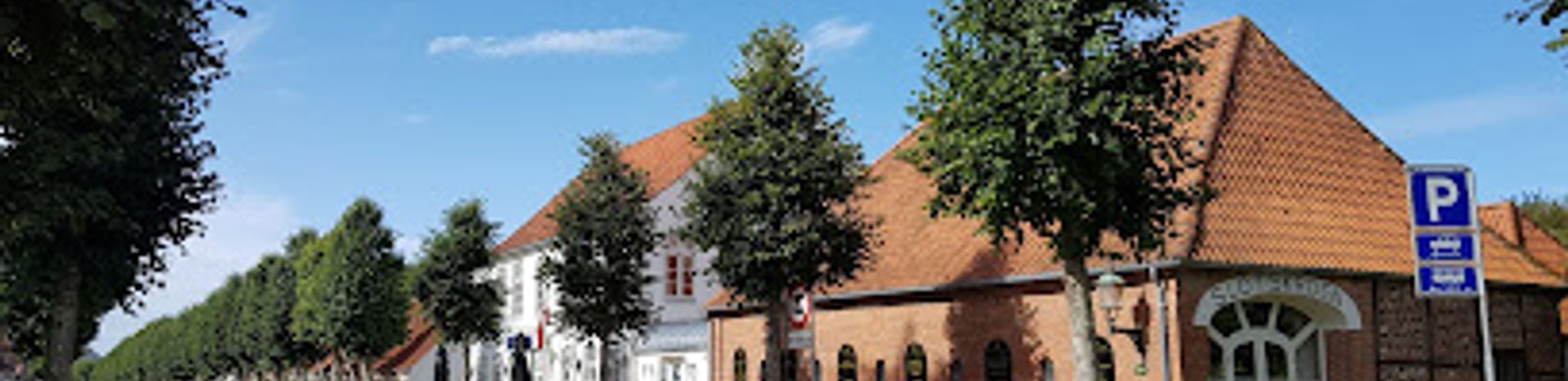
Slotsgaden in Møgeltønder is a storybook-perfect castle street in southern Denmark, famed for its cobbled lane, long row of thatched cottages from the 1700s and 1800s, and graceful linden trees arching overhead. Stretching between Møgeltønder Church and Schackenborg Castle, this remarkably well-preserved street offers a rare, immersive glimpse of historic village life, where royal history, rural charm, and quiet everyday rhythms blend into one of Denmark’s most atmospheric small-town walks.
A brief summary to Slotsgaden Møgeltønder
- Slotsgaden 23, Tønder, 6270, DK
- Duration: 0.5 to 2 hours
- Free
-
 Outdoor
- Mobile reception: 4 out of 5

Know before you go
Hi, I'm Eve. Here are a few practical things to know before exploring Slotsgaden Møgeltønder.
- Aim to walk Slotsgaden end to end, from Møgeltønder Church to Schackenborg Castle, to appreciate how the street links village life, faith, and noble history.
- Visit in early morning or late afternoon for softer light on the thatched roofs and fewer people in your photos.
- Wear comfortable shoes; the cobblestones are charming but uneven, especially in wet or icy weather.
- Be respectful of residents: keep noise down, avoid peering into windows, and stick to public paths when taking photos.
- Combine your walk with a visit inside Møgeltønder Church or a guided tour of Schackenborg’s gardens when available in summer.
Do you manage this location?
Take control to get all the benefits, like improved information, better appearance, and stronger visibility across AI-powered discovery. Learn more
Activate your presence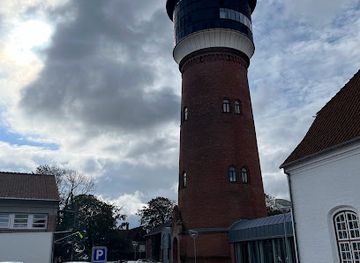
Getting There
-
Car from Tønder
From central Tønder, driving to Møgeltønder takes about 10–15 minutes. The route follows local country roads across flat farmland and is straightforward in all seasons, though winter conditions can be windy and wet. Parking is generally available on the edges of the village near Slotsgaden; some spaces may be time-limited, so always check local signs. Fuel stations are in Tønder rather than in the village, and there are no road tolls.
-
Regional bus within Southern Jutland
Regional buses connect Tønder with Møgeltønder in roughly 15–25 minutes of travel time, depending on the specific line and intermediate stops. Services are more frequent on weekdays and may be reduced on weekends and public holidays. Tickets typically cost in the range of 20–35 DKK one way, purchasable from ticket machines, apps, or on board where available. Buses usually stop near the church, a short walk from the eastern entrance to Slotsgaden, but check the latest timetable, especially in winter when departures can be less frequent.
-
Bicycle from Tønder and nearby villages
For a more scenic approach, many visitors cycle from Tønder or neighbouring villages through the flat marshland landscape. Expect about 30–40 minutes’ cycling time from Tønder, longer if you stop for photos. The terrain is mostly level but exposed to wind, so conditions can feel challenging on breezy days. Surfaces are a mix of smaller roads and designated bike-friendly routes; bring lights and reflective gear if returning after dark, as rural stretches can be dimly lit.
For the on-the-go comforts that matter to you
-
 Restrooms
-
 Drink Options
-
 Drinking Water
-
 Food Options
-
 Seating Areas
-
 Trash Bins
-
 Information Boards
Discover more about Slotsgaden Møgeltønder
A storybook street in the shadow of a royal castle
Slotsgaden is the gently curving spine of Møgeltønder, a small village close to the German border in southern Jutland. This modest lane has an outsized reputation: it is often described as one of Denmark’s most beautiful rural streets, and it only takes a few steps on the cobblestones to understand why. Linden trees frame the roadway, their branches forming a soft green tunnel in summer and a tracery of silhouettes in winter.At one end of the street rises Møgeltønder Church, with origins in the 12th century and one of the country’s oldest functioning church organs. At the other end stands Schackenborg Castle, a former noble estate later associated with the Danish royal family. Walking Slotsgaden is not just a pleasant stroll; it is a linear journey from parish church to manor house, echoing centuries of local life, power, and faith.Thatched cottages and farmsteads frozen in time
The real charm of Slotsgaden lies in the long, almost uninterrupted sequence of whitewashed and brick cottages, many of them under thick thatched roofs. A remarkable number date from the 1700s and 1800s, when this was a prosperous agricultural community tied to the estate economy of Schackenborg. Their low facades, small-paned windows, and painted doors form a harmonious streetscape that feels more like a film set than a functioning village.Some houses once belonged to craftsmen or tenant farmers, others to local officials or tradespeople connected to the castle. A few larger farms sit slightly back from the road, hinting at mixed-use courtyards and stables behind the front ranges. While some interiors have been modernized for contemporary living, the outward appearance is carefully maintained, preserving the rhythm of gables, chimneys, and thatch that makes the street so distinctive.Between church and castle: layers of local history
Slotsgaden’s position linking church and castle reflects the traditional structure of rural power. Møgeltønder Church, with its Romanesque nave and later Gothic tower, served as a spiritual anchor for villagers and estate workers alike. Inside, colourful frescoes and painted furnishings speak to centuries of devotion and artistic patronage.Schackenborg Castle, originally known as Møgeltønderhus, traces its roots back to the Middle Ages. In the 17th century it became a seat of the noble Schack family, whose influence shaped both the estate and the surrounding village. In more recent times, the castle gained renewed attention as a residence of a Danish prince, bringing a discreet royal aura to this otherwise quiet corner of the country.Atmosphere, everyday life, and quiet Danish hygge
Despite its postcard looks, Slotsgaden remains a lived-in street. You may see bikes resting against whitewashed walls, flowerpots overflowing with geraniums, and laundry lines tucked into back gardens. In summer, roses climb up timber facades and the linden trees hum with bees; in autumn and winter, mist and low light can make the thatched roofs look almost sculptural.Away from major roads and traffic noise, the ambience is unhurried. The street invites slow wandering, quiet photography, and simple observation—watching cats patrol low stone walls, listening to the wind in the trees, or pausing on a bench to take in the pattern of roofs and chimneys. Small cafés or antiques spaces in historic buildings nearby add to the sense of gentle rural hygge without disturbing the underlying tranquillity.Part of a wider landscape of marshes and heritage
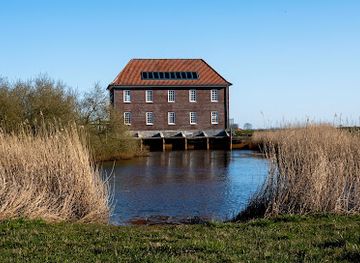
Slotsgaden is also a gateway to the broader cultural landscape of southern Jutland. Just beyond the village stretch flat fields and marshlands that form part of the Wadden Sea region, a coastal environment known for birdlife, changing tides, and big skies. Historically, this landscape shaped the economy of the area, from farming and cattle to trade along old routes linking Denmark and the German states.Nearby, visitors encounter traces of earlier eras, such as the site of the famous Golden Horn finds at Gallehus, now marked by memorial stones, or museums in Tønder that display replicas of these early medieval treasures. Seen in this context, Slotsgaden is more than a pretty street: it is a visible, walkable thread tying together village architecture, noble estates, ecclesiastical history, and a distinctive marshland environment at the edge of the North Sea world.Experiencing Slotsgaden through the seasons
Any season offers a different mood along Slotsgaden. Spring brings fresh leaves to the linden trees and bright flowers against white walls. Long summer evenings stretch the golden hour light across the thatch, ideal for unhurried photography. In autumn, the trees glow yellow and the cobbles gleam after rain. Even on cold, windy days, the street has a stark beauty, with smoke rising from chimneys and the castle and church looming more dramatically against low grey skies.Whether you stay a short while or linger for hours, the essence of the experience remains the same: a remarkably intact Danish village street where history feels close at hand and everyday life unfolds at a wonderfully slow pace.Explore the best of what Slotsgaden Møgeltønder has to offer













More about Southern Jutland
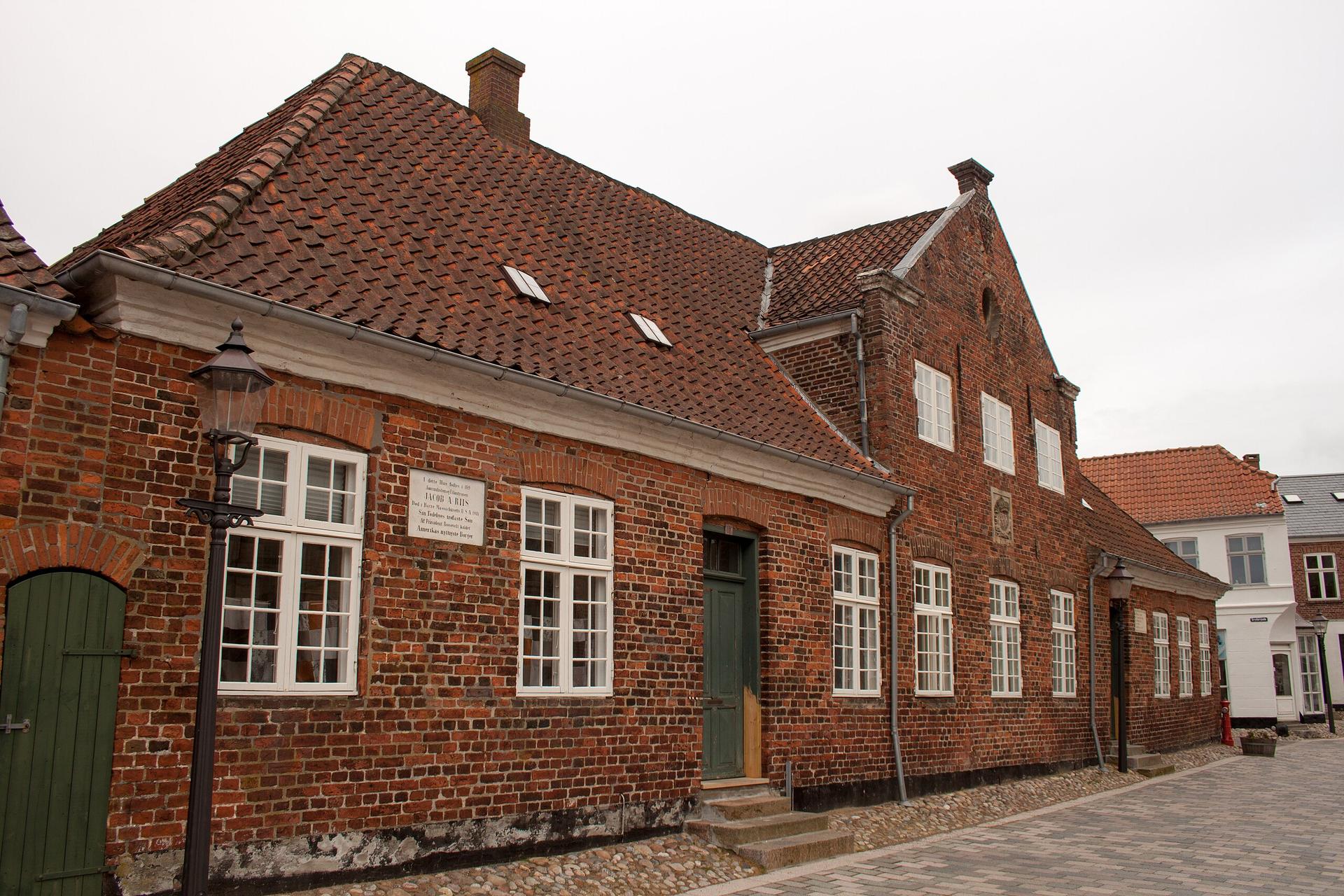
Explore Southern Jutland: A blend of scenic nature, rich history, and delightful cuisine in Denmark's picturesque region.
Tell me more about Southern Jutland
A small island museum preserving Denmark’s last active oar-powered lifeboat and the gripping rescue stories of Rømø’s storm-battered North Sea coast.

Craftsmanship, lace and silver in a historic borderland town museum, crowned by a former water tower with sweeping views over Tønder and the surrounding marshes.