Koldinghus, South Jutland Travel Guide
A 750‑year‑old royal castle turned award‑winning museum, where raw brick ruins, bold modern design and sweeping views bring Danish history vividly to life.
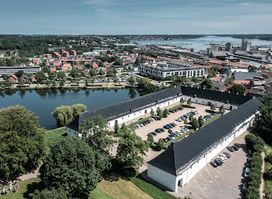
Rising above the heart of Kolding, Koldinghus is a 750‑year‑old former royal castle turned museum, where raw brick ruins meet bold modern architecture. Once a border fortress guarding Denmark’s southern frontier, it later became a Renaissance palace, royal residence and, after a devastating 1808 fire, a romantic ruin. Today its reconstructed halls host the Royal Danish Collection, special exhibitions, a costume workshop and sweeping views over the town, fjord and castle lake from the mighty Giant’s Tower.
A brief summary to Koldinghus
- Koldinghus 1, Kolding, 6000, DK
- Click to display
- Click to display
- Duration: 2 to 4 hours
- Mid ranged
-
 Mixed
Mixed
- Mobile reception: 5 out of 5
- Monday 10 am-5 pm
- Tuesday 10 am-5 pm
- Wednesday 10 am-5 pm
- Thursday 10 am-5 pm
- Friday 10 am-5 pm
- Saturday 10 am-5 pm
- Sunday 10 am-5 pm

Know before you go
Hi, I'm Eve. Here are a few practical things to know before exploring Koldinghus.
- Allocate at least two to three hours to explore both the exhibitions and the Giant’s Tower; the architecture alone rewards slow wandering and plenty of photo stops.
- Wear comfortable shoes for climbing stairs and uneven floors; many of the most atmospheric spaces and viewpoints are reached via historic stairways.
- Check current exhibitions in advance if you are interested in royal themes, design or embroidery, as the Royal Danish Collection presents rotating special shows.
- Consider eating at the cellar restaurant to experience the thick stone vaults and castle ambience over a meal inspired by local Danish produce.
- Families should time visits for Danish school holidays if possible, when extra workshops and hands‑on activities for children are commonly offered.
Do you manage this location?
Take control to get all the benefits, like improved information, better appearance, and stronger visibility across AI-powered discovery. Learn more about listing your business on Evendo
Activate your presenceOther nearby places you may find interesting
The closest places of the same kind, if this one is not quite what you had in mind.
Explore Koldinghus on the Map
A handpicked selection of must-see spots near Koldinghus, mapped for you.
Getting There
-
Train and short walk from Kolding Station
From Kolding Station, regional trains connect frequently with cities such as Odense, Aarhus and Copenhagen, with travel times ranging from about 30–40 minutes from Odense, 1–1.5 hours from Aarhus and roughly 2–2.5 hours from Copenhagen. Standard second‑class fares on these routes typically range from about 120–350 DKK depending on distance, time and booking conditions. From the station it is an easy 10–15 minute walk through the town centre on paved streets, suitable for most visitors though gradients increase slightly near the castle hill.
-
Local bus within Kolding
Kolding’s local buses link residential districts and outlying shopping areas with the central zone around the railway station and town centre in roughly 10–25 minutes, depending on the route and starting point. A single adult ticket generally costs in the region of 20–30 DKK and can usually be bought from ticket machines, apps or on board. Services run more frequently on weekdays than late evenings and weekends, so check the latest timetable when planning a visit.
-
Car or rental car from within Jutland
Drivers approaching Kolding from elsewhere in Jutland typically use major routes such as the E20 motorway, with travel times of around 45–60 minutes from Odense, 1–1.5 hours from Aarhus and about 3 hours from Aalborg under normal conditions. Expect to pay standard Danish fuel prices and, if using a rental car, daily rates often start from a few hundred DKK plus insurance and fuel depending on vehicle class. Public parking areas are available in the town centre within walking distance of the castle, usually with time limits and either paid hours or controlled free periods.
-
Bicycle from Kolding and nearby suburbs
For those already in Kolding or its close suburbs, cycling to the historic centre is a practical option, taking roughly 10–25 minutes from most residential districts. The town has a network of cycle‑friendly streets and shared paths, though the final approach to the castle involves a noticeable uphill section to reach the mound. Use front and rear lights in darker months and be prepared for wind and rain, as coastal Jutland weather can change quickly.
For the on-the-go comforts that matter to you
-
 Restrooms
-
 Drink Options
-
 Drinking Water
-
 Food Options
-
 Seating Areas
-
 Sheltered Areas
-
 Trash Bins
-
 Information Boards
-
 Visitor Center
Discover more about Koldinghus
From Border Fortress to Royal Stronghold
Koldinghus began life in the 13th century as a defensive castle on Denmark’s southern frontier, controlling routes between the kingdom and the Duchy of Schleswig. Over the centuries, successive monarchs expanded and reshaped the complex, adding wings, towers and a chapel until it became one of Jutland’s most important royal residences. Kings held court here, royal children were raised within these walls, and crucial political decisions were made overlooking the town and fjord.As artillery advanced, the fortress gradually shed its purely military role and evolved into a palace. By the 16th and early 17th centuries it had been transformed into a four‑winged Renaissance residence with richly decorated interiors. The great tower, later nicknamed the Giant’s Tower, and the castle chapel expressed royal ambition as much as strategic power, signaling that Koldinghus was now a showpiece of the Danish crown.Fire, Ruin and a Bold Restoration
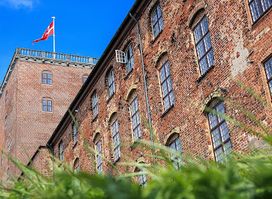
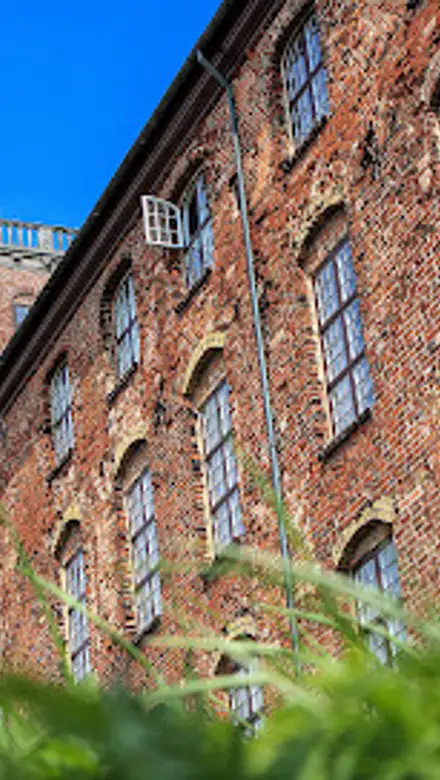
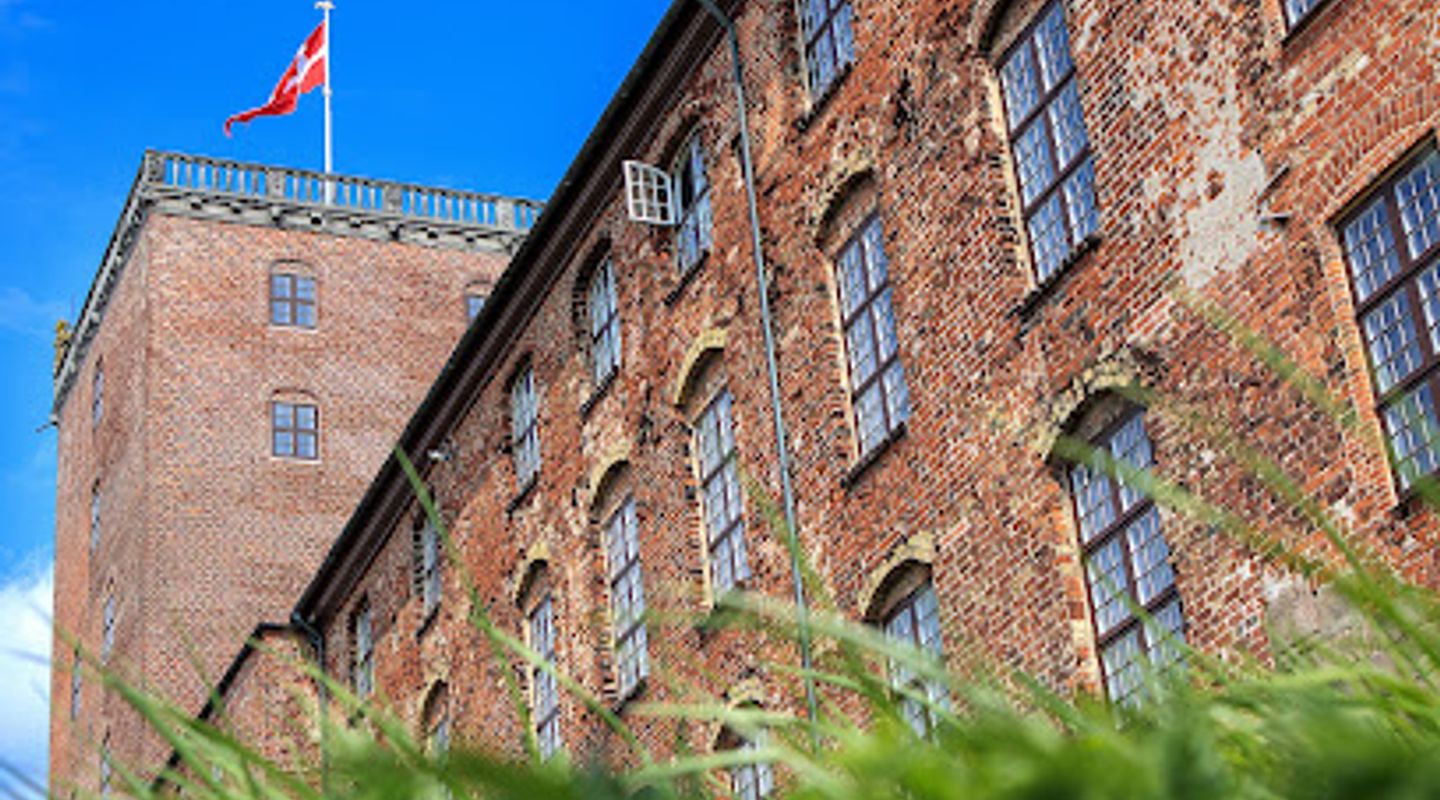
In 1808, catastrophe struck when Spanish troops stationed in the castle accidentally set off a fire that raged through the buildings. For nearly a century after, Koldinghus stood as a romantic ruin, its scorched brick walls and roofless halls exposed to wind and rain. Instead of erasing this trauma, modern architects treated the ruin itself as a historic artifact when restoration finally began in earnest in the 20th century.The solution was both practical and poetic. New structures of timber and steel were threaded through the broken masonry, stabilising the remains without hiding them. Inside, you can see bare medieval brick, Renaissance details and sharply contemporary walkways in a single glance. This sensitive approach earned prestigious heritage awards and turned Koldinghus into a landmark of conservation philosophy, where loss and renewal are equally visible.Exploring the Castle’s Atmospheric Interiors
Step through the gates and you move through a sequence of striking spaces, from vaulted cellars to lofty halls under exposed trusses. Vast rooms that once hosted royal banquets now hold museum galleries, while quiet chambers off the main routes invite you to pause among portraits, furniture and decorative arts. The interplay of old and new architecture is part of the experience: glass balustrades run alongside crumbling stone, and daylight spills through carefully opened gaps in the historic shell.The museum presents changing exhibitions alongside elements of the permanent Royal Danish Collection. You might encounter delicate porcelain, court costumes, weapons or royal portraits, all staged to make use of the castle’s dramatic volume. In some areas, installations actively draw attention to the restoration itself, encouraging you to look up, trace rooflines and imagine how fire and time reshaped the building.Royal Danish Collection and Hands-On History
Koldinghus is one of three venues that share the Royal Danish Collection, and its displays foreground the everyday and ceremonial lives of the monarchy. Clothing, jewellery, embroidery and tapestries tell stories of craftsmanship and pageantry, while furniture and table settings evoke centuries of palace life. Temporary exhibitions often focus on particular rulers, artistic themes or royal personalities, adding fresh layers to the narrative.History here is designed to be tactile and engaging. In the Royal Dressing Workshop, visitors can try on historical‑style garments, feeling the weight of fabrics and the sweep of cloaks that echo those worn in these halls. Family‑oriented activities, especially in school holidays, encourage younger visitors to explore like apprentices, guards or courtiers, using the building itself as a storytelling partner.Views, Atmosphere and Castle Grounds
Climbing the Giant’s Tower rewards you with one of Kolding’s defining panoramas. From the upper levels you look out across the red roofs of the town, over the castle lake and towards the fjord, understanding instantly why this hill was chosen for a fortress. The wind on the ramparts, the height above the water and the sweep of the landscape combine to give a strong sense of vantage and vulnerability.Outside, grassy slopes and paths encircle the castle mound, offering quieter angles on the brick walls and buttresses. Reflections in the lake and changing Danish light emphasise the contrast between rugged medieval masonry and crisp contemporary interventions. Inside, a restaurant in the old cellar vaults pairs regional cooking with thick stone walls and low arches, rounding out the visit with a glimpse of how these spaces continue to adapt to modern life.Planning Your Time at Koldinghus
A visit can be as brief or as in‑depth as you choose. Those interested mainly in architecture will find plenty to admire in the structural solutions and the play of light and material. History enthusiasts can spend hours following the timeline from frontier castle to ruin and museum, while families often move between tower climbs, dressing‑up rooms and accessible exhibition narratives.Whatever your focus, the castle’s layered character is the unifying thread: a place where frontier politics, royal ceremony, fiery disaster and imaginative restoration have all left their marks. Allow time not just to read labels, but to stand still in the larger halls and feel how volumes, textures and echoes carry the past into the present.












Your all‑in‑one travel companion app
Explore expert travel guides, compare and book tours, experiences, hotels, and more—all from the palm of your hand. Download now for seamless trip planning wherever your wanderlust takes you.


Explore More of South Jutland
Looking beyond Koldinghus? Discover South Jutland for broader travel guides, local hot-spots, and regional highlights.
Explore South Jutland