

Free South Jutland Travel Guide & Mobile App
Explore South Jutland with free travel guides. Discover regional history, expert tips, proposed trips, and audio guides on web or mobile app.


Explore South Jutland for Danish-German history, island coastlines, Wadden Sea landscapes, market towns and distinctive Sønderjysk food traditions.
Read more about South Jutland
When is the best time to visit South Jutland?
Best: June–August · 20–22°C| Month | High (°C) | Rainfall (mm) |
|---|---|---|
| January | 4 | 55 |
| February | 4 | 40 |
| March | 7 | 45 |
| April | 11 | 40 |
| May | 16 | 45 |
| June (best) | 20 | 55 |
| July (best) | 22 | 65 |
| August (best) | 21 | 65 |
| September | 17 | 60 |
| October | 13 | 55 |
| November | 8 | 50 |
| December | 6 | 55 |
Getting to and around South Jutland
How to get there
Transportation
Top city travel guides in South Jutland
The cities of South Jutland, and the easiest places to base yourself.
-

-

-


Swipe for more cities
Destinations in South Jutland
Resorts, valleys and scenic spots worth a trip of their own.
-

-

-

-

-


Swipe for more destinations
Best attractions in South Jutland
South Jutland’s attractions range from war history and historic towns to islands, marshes and open coast. Around Sønderborg, visitors can explore Sønderborg Castle, the Dybbøl Banke historic landscape and the coastal Gendarmstien walking route. Haderslev offers a medieval town centre and cathedral, while Aabenraa combines maritime heritage with access to the eastern fjord landscape. Tønder is a base for historic streets, lace traditions and excursions into the western border country. The Wadden Sea National Park provides the region’s most distinctive natural setting, with tidal flats, salt marshes, migrating birds and guided nature experiences. Rømø adds a broad-beached island landscape reached by causeway, while Als offers gardens, coastal paths and small harbours. Frøslev Camp provides a serious historical museum experience connected with the German occupation. Across the region, village churches, manor houses, farm landscapes and museums reveal a borderland shaped by agriculture, trade and changing national identities. Outdoor activities are generally low-intensity but varied, including cycling, birdwatching, walking, sailing and beach exploration, provided visitors follow tide, weather and conservation guidance.
-
Theme park
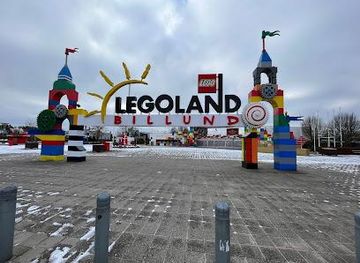
LEGOLAND® Billund Resort
The original LEGO theme park in the heart of Denmark, where miniature worlds, family coasters and playful themed lands turn Billund into a multi-day brick-built adventure.
-
History museum
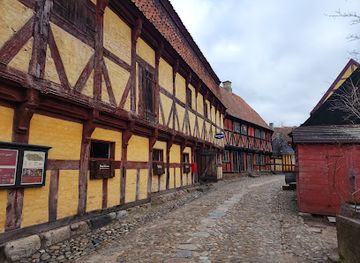
The Old Town
Walk through 400 years of Danish everyday life in a single open‑air town, from half‑timbered alleys and vintage cars to 1970s flats and a 2014 city street.
-
Zoo
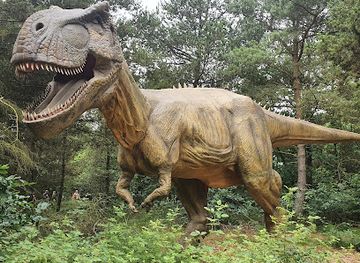
Givskud Zoo Zootopia
Drive‑through safari, life‑size dinosaurs and spacious animal habitats combine at Givskud Zoo – ZOOTOPIA for one of Denmark’s most immersive family wildlife days out.
-
Museum
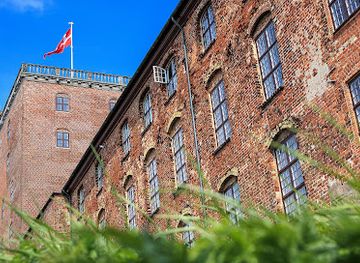
Koldinghus
A 750‑year‑old royal castle turned award‑winning museum, where raw brick ruins, bold modern design and sweeping views bring Danish history vividly to life.
Best landmarks in South Jutland
Sønderborg Castle is one of South Jutland’s most recognisable buildings, standing beside Als Sound and reflecting the region’s medieval, royal and military history. The Dybbøl Banke fortifications and memorial landscape mark the decisive 1864 battle and are central to Danish remembrance of the Schleswig conflicts. Haderslev Cathedral dominates the old town with its long medieval history, while the streets around it preserve the scale of a former market centre. Tønder’s historic centre is notable for brick and half-timbered buildings shaped by trade with the marshes and neighbouring Germany. Frøslev Camp is a landmark of a different kind: its preserved barracks and exhibitions embody the history of occupation and imprisonment. On the western edge, the Wadden Sea itself is the defining natural landmark, its tidal flats and marshes continually reworked by water, wind and sediment. The causeway to Rømø, the broad island beach and the coastal landscapes of Als add strong geographical contrasts to the region’s built heritage.
-
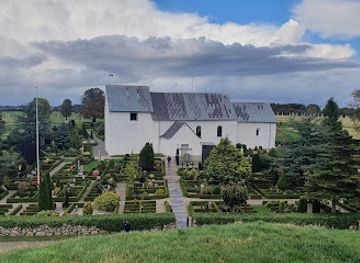
Historical landmark
Jelling Mounds, Runic Stones and Church
Denmark's birth certificate in stone: where Viking paganism met Christian conversion in 965 AD.
-
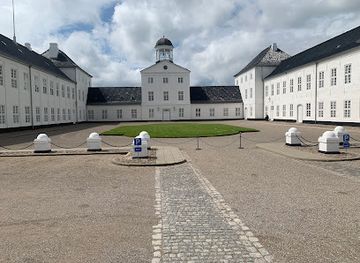
Historical landmark
Gråsten Palace
A lived‑in royal summer palace with romantic lakeside gardens, a lavish Baroque church and centuries of Danish history quietly unfolding in southern Jutland.
-
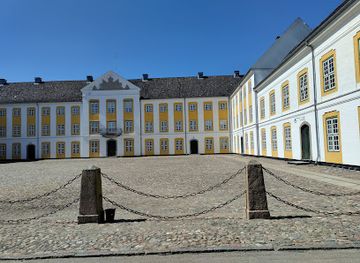
Castle
Augustenborg Palace
Denmark's largest baroque palace complex overlooking the fjord, where ducal history meets timeless gardens.
-
Memorial park
Befrielsessten i Vester Sottrup
A quiet stone marking Denmark's liberation and Vester Sottrup's wartime legacy.
Explore South Jutland on the map
Plan your trip on one map. See where the top cities, national parks and sights are, and book hotels and experiences in a few clicks.
Best hotels in South Jutland
Best restaurants in South Jutland
South Jutland’s food culture reflects both farming country and a maritime borderland. Sønderjysk kaffebord, an elaborate coffee table of cakes and pastries, is the region’s best-known culinary tradition and is usually encountered at selected cafés, cultural sites or traditional events rather than as an everyday menu item. Ringrider sausage is associated with the region’s riding festivals and is commonly found at local gatherings and food outlets. Tønder and the western marshes provide access to produce from fertile agricultural land, while coastal towns offer fish and seafood alongside familiar Danish dishes. Restaurants range from contemporary kitchens in the larger towns to country inns, bakeries, cafés and traditional public houses. Local cheeses, seasonal vegetables, breads, cakes and meat products make good market purchases, and German influences may appear in borderland baking and shopping culture. Menus change seasonally, so asking about regional ingredients is often more useful than looking for one fixed South Jutland cuisine.
-
Pizza
Ristorante Pizzeria Italia
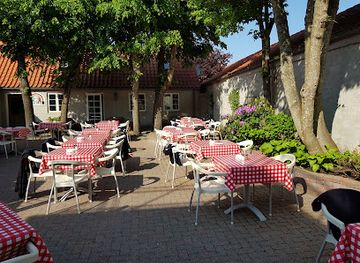
Cosy Italian restaurant in Ringkøbing’s old town, serving crisp pizzas, homemade pasta and hearty three‑course menus with both indoor tables and a small patio.
-
French
Restaurant ET
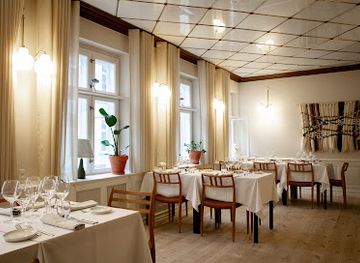
Elegant French‑Danish bistro dining in a cobbled Aarhus courtyard, pairing generous classic dishes with an all‑French wine cellar and warmly polished service.
-
Brewpub
Søgaards Bryghus
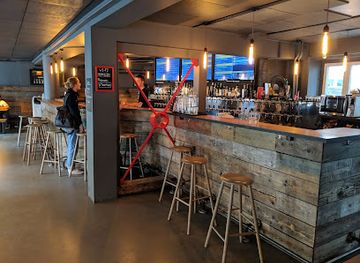
Family-run Aalborg brewpub brewing fresh beers and spirits since 2004, with Italian gastropub eats, café pastries, and lively indoor-outdoor vibes in the city heart.
-
Restaurant
Den Rustikke
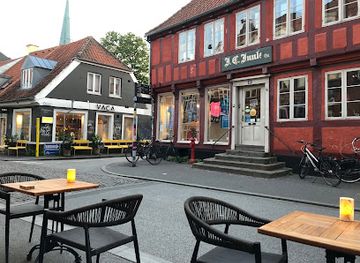
Relaxed French–Italian inspired bistro on atmospheric Mejlgade in Aarhus C, serving generous fixed-price menus in a cosy, candlelit rustic setting.

Best bars in South Jutland
Evening life in South Jutland is centred more on pubs, cafés, restaurants and cultural events than on a large nightclub circuit. Sønderborg has the broadest urban choice, with bars and venues associated with its town centre and student and visitor population, while Haderslev and Aabenraa provide smaller local scenes. Traditional Danish pubs and historic inns are common places for an informal drink, conversation or live music, and some breweries and food venues offer locally produced beer. Tønder’s evening atmosphere is generally quieter, with restaurants, cafés and occasional music or festival activity rather than late-night clubbing. Rural villages often settle early outside event periods. Summer brings more activity to harbours, coastal towns and island destinations, but opening arrangements and performances vary, so visitors should check locally rather than assume that a venue operates year-round.
-
Bar
Taphouse
Copenhagen’s craft-beer playground with 60+ rotating taps, minimalist Scandinavian design and a relaxed, conversation-first atmosphere off City Hall Square.
-
Bar
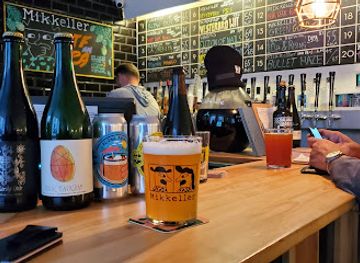
Mikkeller Bar
Intimate cellar bar in Vesterbro where the Mikkeller story began, pouring world-class craft beers, rare bottles and simple Nordic bar snacks in sleek Danish surrounds.
-
Bar
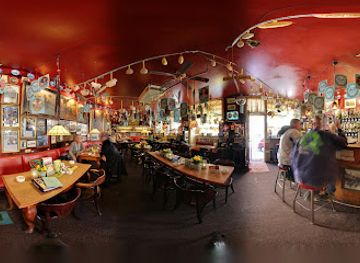
Jernbanecafeen
Densely decorated, railway‑themed pub opposite Copenhagen Central Station, where model trains, red carpets and cold beer create a lively Vesterbro living room.
-
Bar
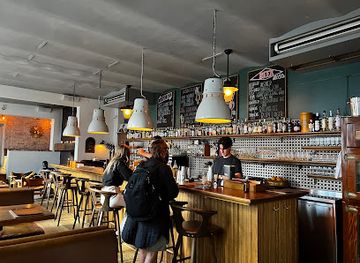
Lidkoeb
Three floors of cocktails, hygge and whisky warmth tucked behind a Vesterbro courtyard in one of Copenhagen’s most atmospheric bar spaces.
Best nightclubs in South Jutland
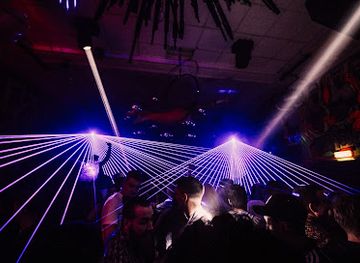
Evening life in South Jutland is centred more on pubs, cafés, restaurants and cultural events than on a large nightclub circuit. Sønderborg has the broadest urban choice, with bars and venues associated with its town centre and student and visitor population, while Haderslev and Aabenraa provide smaller local scenes. Traditional Danish pubs and historic inns are common places for an informal drink, conversation or live music, and some breweries and food venues offer locally produced beer. Tønder’s evening atmosphere is generally quieter, with restaurants, cafés and occasional music or festival activity rather than late-night clubbing. Rural villages often settle early outside event periods. Summer brings more activity to harbours, coastal towns and island destinations, but opening arrangements and performances vary, so visitors should check locally rather than assume that a venue operates year-round.
-
Disco club
East End Holstebro
Holstebro's premier electronic dance venue where late-night energy meets cultural sophistication.
-
Night club
GBAR
Colourful LGBTQ+ bar and nightclub in central Aarhus, mixing drag shows, big pop anthems and a welcoming dance floor where everyone is invited to be themselves.
-
Night club
Bernhardt Natklub
High‑energy basement nightclub on Store Torv with sleek interiors, strong cocktails, DJs and a 20+ weekend crowd dancing in Aarhus until 5am.
-
Night club
Hornsleth Bar Aarhus
Artistic nightclub where Danish conceptual art meets electronic music and creative cocktails.


Best shops in South Jutland
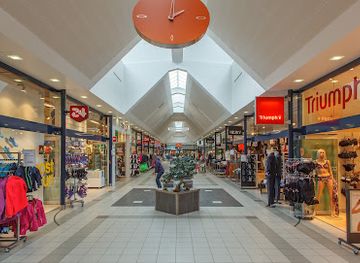
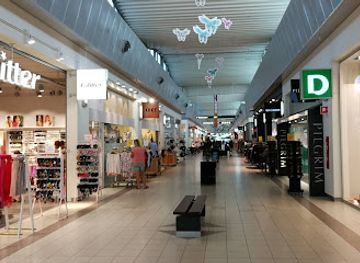
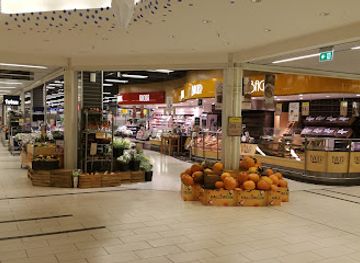
Shopping in South Jutland is strongest in historic town centres, local markets and specialist food shops rather than in large luxury retail districts. Sønderborg, Aabenraa and Haderslev have the broadest selection of everyday shops, independent retailers, cafés and galleries, while Tønder is particularly suited to browsing in an old-town setting. Look for regional cakes, breads, sausages, cheeses, preserves and other farm products, especially at food halls, seasonal markets and farm shops. Craft traditions associated with the region include lace and textile work, and Tønder’s lace heritage is reflected in local cultural displays and specialist interests, though stock varies between retailers. Rømø and coastal communities offer practical seaside goods and souvenirs rather than extensive designer shopping. Antique shops, booksellers, ceramics, jewellery and small galleries are more likely to be found in the older market towns. Near the German border, cross-border shopping is part of everyday regional life, but visitors should compare prices and confirm payment and tax arrangements before making larger purchases.
-
Shopping mall
Aalborg Storcenter
North Jutland’s largest mall, blending bright indoor “streets”, Denmark’s biggest Bilka hypermarket and family-friendly events into an all-weather City Syd shopping hub.
-
Shopping mall
Bruuns Galleri
A busy city-centre mall fused with Aarhus Central Station, offering fashion, food, cinema and a rooftop minigolf course under one convenient urban roof.
-
Shopping mall
Randers Storcenter
Modern indoor mall with nearly 60 shops, Bilka hypermarket and 1,800 free parking spaces, offering relaxed, all-weather shopping on one level in southern Randers.
-
Shopping mall
Storcenter Nord
Lively northern Aarhus mall blending everyday shopping, casual dining and a colourful coral aquarium with family-friendly play spaces, all sheltered from the Danish weather.

Get your free copy of our complete guide to South Jutland, delivered straight to you.
Everything on this page, from attractions and restaurants to essentials and local phrases, in one PDF you can read offline, print or share.
Already have an account? Sign in
Your South Jutland guide is ready.
We'll send it to · Not you? Sign out

Getting your guide ready…
We are putting together a fresh copy of the South Jutland guide. This can take up to a minute.
This can take a few moments. If your browser asks, choose Allow so the download can start. You'll find the guide in your Downloads folder.
Nothing happened? Download it again
Sorry, the guide is taking longer than usual. Please try again in a minute, or get it by email instead.
South Jutland essentials
Currency and Payment
Safety
Emergency Situations
Do's and Don'ts
Local Tips
From Eve
Local phrases worth knowing
You don't need to get them perfect. A few words go a long way, and locals appreciate the effort.
Basics
| English | Local | Say it |
|---|---|---|
| Hello | Hej | [Hay] |
| Goodbye | Farvel | [Far-vel] |
| Yes | Ja | [Ya] |
| No | Nej | [Nay] |
| Please/You're welcome | Vær så venlig | [Vair so ven-lee] |
| Thank you | Tak | [Tahk] |
| Excuse me/Sorry | Undskyld | [Oon-skul] |
| How are you? | Hvordan har du det? | [Vor-den har do deh?] |
| Fine. And you? | Fint. Og du? | [Feent. Oh do?] |
| Do you speak English? | Taler du engelsk? | [Tay-ler do eng-elsk?] |
| I don't understand | Jeg forstår ikke | [Yai for-stor ik-ke] |
Eating & Drinking
| English | Local | Say it |
|---|---|---|
| I'd like to see the menu, please | Jeg vil gerne se menuen, tak | [Yai vil gair-ne say men-oo-en, tahk] |
| I don't eat meat | Jeg spiser ikke kød | [Yai spee-ser ik-ke kerd] |
| Cheers! | Skål! | [Skol] |
| I would like to pay, please | Jeg vil gerne betale, tak | [Yai vil gair-ne be-ta-le, tahk] |
Emergencies
| English | Local | Say it |
|---|---|---|
| Help! | Hjælp! | [Yelp] |
| Go away! | Gå væk! | [Go vek] |
| Call the Police! | Ring til politiet! | [Ring til po-li-ti-et] |
| Call a doctor! | Ring efter en læge! | [Ring ef-ter en lay-eh] |
| I'm lost | Jeg er faret vild | [Yai air far-et vil] |
| I'm ill | Jeg er syg | [Yai air soo-ig] |
Shopping
| English | Local | Say it |
|---|---|---|
| I'd like to buy... | Jeg vil gerne købe... | [Yai vil gair-ne ku-beh] |
| I'm just looking | Jeg kigger bare | [Yai kee-ger bar-eh] |
| How much is it? | Hvor meget koster det? | [Vor mai-hed koster deh?] |
| That's too expensive | Det er for dyrt | [Deh air for dyert] |
| Can you lower the price? | Kan du sænke prisen? | [Kan do sen-ke pree-sen?] |
Time & Numbers
| English | Local | Say it |
|---|---|---|
| What time is it? | Hvad tid er det? | [Vad teed air deh?] |
| It's one o'clock | Det er et klokkeslæt | [Deh air et klok-ke-slet] |
| Half past (10) | Halv ti | [Halv tee] |
| Morning | Morgen | [Mor-en] |
| Afternoon | Eftermiddag | [Ef-ter-mi-dag] |
| Evening | Aften | [Af-ten] |
| Yesterday | I går | [Ee gor] |
| Today | I dag | [Ee day] |
| Tomorrow | I morgen | [Ee mor-en] |
| 1 | 1 | [1] |
| 2 | 2 | [2] |
| 3 | 3 | [3] |
| 4 | 4 | [4] |
| 5 | 5 | [5] |
| 6 | 6 | [6] |
| 7 | 7 | [7] |
| 8 | 8 | [8] |
| 9 | 9 | [9] |
| 10 | 10 | [10] |
Transport & Directions
| English | Local | Say it |
|---|---|---|
| Where's a/the...? | Hvor er en...? | [Vor air en...?] |
| What's the address? | Hvad er adressen? | [Vad air a-dres-sen?] |
| Can you show me (on the map)? | Kan du vise mig (på kortet)? | [Kan do vee-seh mai (po kort-et)?] |
| When's the next (bus)? | Hvornår går den næste (bus)? | [Vor-nor gor den nes-te (bus)?] |
| A ticket (to ....) | En billet (til ....) | [En bi-let (til ....)] |
History of South Jutland
Early settlements and the Schleswig borderland
South Jutland has been inhabited since prehistoric times, with farming communities, burial monuments and later trading settlements reflecting its position between the North Sea and the Baltic. The region became part of the wider historical duchy of Schleswig, whose political and cultural connections extended southwards into the German-speaking lands. Danish and German influences developed alongside one another over centuries, particularly in towns, churches and commercial networks. This layered history explains why Sønderjylland cannot be understood solely through modern national borders: its identity was formed through changing rulers, languages, economic ties and local communities.
Medieval towns, churches and trade
During the Middle Ages, towns such as Haderslev, Aabenraa, Sønderborg and Tønder developed as centres of administration, trade and craft production. Churches and market places became important landmarks, while coastal harbours connected the region with wider Baltic and North Sea commerce. Tønder’s prosperity was strengthened by its position near the western marshes and sea routes, even though silting and shifting waterways later altered its maritime importance. Manor houses, village churches and farmsteads that survive across South Jutland reflect the agricultural economy and the influence of regional landowners.
The duchies and the Schleswig conflicts
For centuries, Schleswig was linked to the Danish monarchy while retaining its own legal and administrative traditions, and neighbouring Holstein was associated with the German Confederation. Tensions over language, sovereignty and national identity intensified during the nineteenth century. The Schleswig Wars of 1848–50 and the conflict of 1864 transformed the region. After Denmark’s defeat in 1864, Schleswig, Holstein and Lauenburg came under Prussian and Austrian control, and South Jutland became part of the German Empire. Fortifications and memorials around Dybbøl remain among the clearest reminders of this period.
German rule and the Battle of Dybbøl
The Battle of Dybbøl on 18 April 1864 was a decisive Danish defeat during the Second Schleswig War. The Danish army’s fortified position near Sønderborg was stormed by Prussian forces, and the battle became central to Danish historical memory. Under German rule, the region experienced administrative, educational and military changes, while Danish cultural associations continued to preserve language and national traditions. The borderland’s mixed identity was not erased, and the decades before 1920 left a legacy still visible in museums, memorials and the bilingual character of parts of the region.
The 1920 reunification and the new border
After the First World War, plebiscites were held in Schleswig to determine whether districts should belong to Denmark or Germany. Northern Schleswig voted for Denmark and was formally reunited with the country in 1920, while central and southern areas remained in Germany. The present Danish-German border largely dates from this settlement. Reunification is commemorated across South Jutland, but it also established a national minority framework in which Danish and German communities on both sides of the border retain cultural institutions, schools and associations.
Occupation, resistance and Frøslev Camp
During the German occupation of Denmark from 1940 to 1945, South Jutland’s position beside Germany gave the region particular strategic importance. Frøslevlejren, established in 1944 near the border, was intended by the Danish authorities and German occupation administration to prevent Danish prisoners being deported to concentration camps, though prisoners were nevertheless transferred onwards in some cases. After liberation, the camp was used for other detention purposes before becoming a memorial and museum site. Its surviving buildings document both occupation history and the difficult aftermath of war.
From border frontier to cross-border region
After the Second World War, South Jutland gradually developed from a politically sensitive frontier into a region marked by regular cooperation with northern Germany. Agriculture, manufacturing, tourism and transport remain important parts of the economy, while the border supports commuting, trade and cultural exchange. The Danish-German minority model has become an internationally noted example of peaceful coexistence. Today, historic conflict sites stand alongside cross-border cultural projects, nature tourism and everyday commercial links, giving South Jutland a contemporary identity that is both Danish and strongly connected to its southern neighbour.
South Jutland in Photos
Browse through our photo collection highlighting the charm and character of the destination.
Neighbouring regions of South Jutland
The closest regions to South Jutland, if you have time for more than one.
-

-

-

-

-


Swipe for more regions
Explore more

Explore more of Denmark
Discover Denmark: A perfect blend of history, modern design, and the cozy concept of hygge. Explore vibrant cities, serene landscapes, and world-class cuisine.
Explore Denmark