

Fehmarn, The North Sea Islands Travel Guide
Sun-drenched Fehmarn is the Baltic’s breezy island escape, blending wild beaches, storied towns, top cycling, and Germany’s most maritime holiday atmosphere.
Fehmarn is Germany's third-largest island, set on the glittering Baltic Sea just south of Denmark. Known for its golden beaches, picturesque port towns, and tranquil rural landscapes, Fehmarn offers cycling, birdwatching, water sports, and a laid-back maritime atmosphere. Its storied past, visible in lighthouses and classic Hanseatic villages, blends seamlessly into the modern leisure resorts, making it a favored escape for nature lovers and families alike.
A brief summary to Fehmarn
- Fehmarn, DE

Know before you go
Hi, I'm Eve. Here are a few practical things to know before exploring Fehmarn.
- Renting a bike is the easiest and most enjoyable way to explore the island’s scenic coastline and rural interior.
- Local seafood stalls around Burgstaaken harbor serve up freshly smoked fish and classic Fischbrötchen sandwiches.
- Look out for migratory birds at Wallnau nature reserve—spring and autumn bring spectacular flocks.
- If you're planning a summer visit, book accommodation early as Fehmarn is especially popular during German school holidays.
- Explore the historic lighthouses, especially Flügge and Staberhuk, for panoramic views across the Baltic Sea.
Do you manage this location?
Take control to get all the benefits, like improved information, better appearance, and stronger visibility across AI-powered discovery. Learn more about listing your business on Evendo
Activate your presenceExplore Fehmarn on the Map
A handpicked selection of must-see spots near Fehmarn, mapped for you.
Getting There
-
Driving
Reaching Fehmarn from the heart of Denmark’s North Sea Islands is most direct by car. After crossing onto the German mainland, follow signs for Puttgarden—a well-known ferry terminal. The route leads onto the sweeping Fehmarnsund Bridge, which marks the island’s gateway. Expect bridge tolls to be included in motorway fees (no separate charge). The journey typically concludes with a drive across open fields, taking about 2.5 to 3.5 hours from Sylt or Rømø, with free parking available at most beaches, though spots fill up in the summer.
-
Public Transport and Ferry
Travelers can take a combination of trains and ferries from the Danish islands: reach Rødbyhavn on Lolland, board the frequent Scandlines ferry to Puttgarden (single tickets usually €10–15 per pedestrian passenger for the crossing, ~45 minutes), then continue by local bus or taxi into Burg, the main town on Fehmarn. Buses from the terminal to central Fehmarn run frequently (tickets about €2–3). Ferries operate year-round, but be mindful of reduced winter schedules.
-
Cycling
For the adventurous, long-distance cycle routes connect Denmark’s Baltic and North Sea coasts, utilizing ferries to Puttgarden and dedicated bike lanes across Fehmarn’s gentle terrain. Allow for a full day of travel including ferry time and possible weather delays. Ferries welcome bicycles for an added fee around €6–8.
Discover more about Fehmarn
More to explore near Fehmarn









Your all‑in‑one travel companion app
Explore expert travel guides, compare and book tours, experiences, hotels, and more—all from the palm of your hand. Download now for seamless trip planning wherever your wanderlust takes you.


Explore More of The North Sea Islands
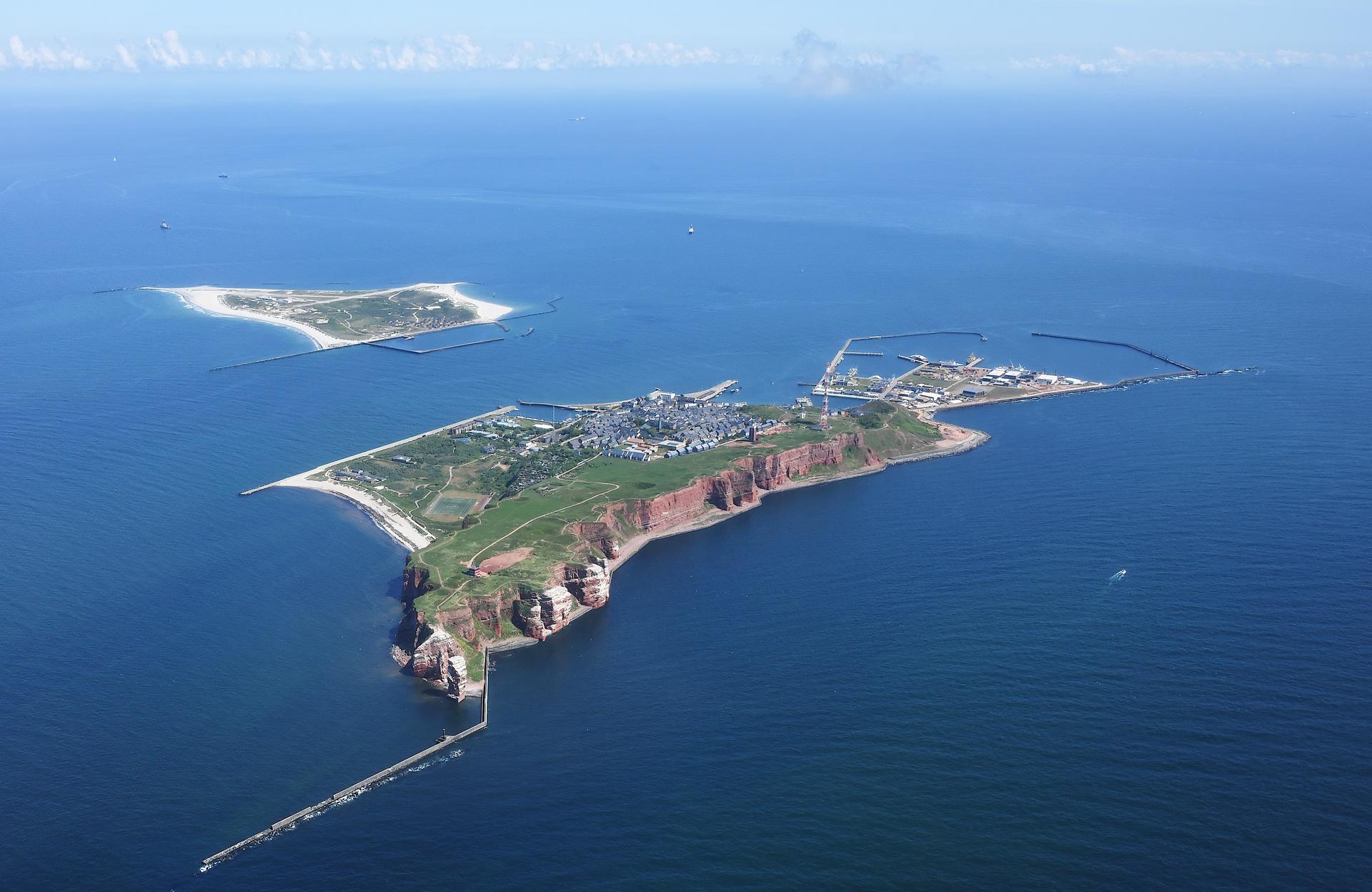
Looking beyond Fehmarn? Discover The North Sea Islands for broader travel guides, local hot-spots, and regional highlights.
Explore The North Sea Islands