

The North Sea Islands, Denmark Travel Guide
Discover the North Sea Islands of Denmark: idyllic sandy beaches, vibrant local culture, and unique natural landscapes await you on Fanø, Rømø, and Mandø.
The North Sea Islands of Denmark are a captivating escape for those seeking a blend of natural beauty, rich history, and vibrant local culture. These islands, including Fanø, Rømø, and Mandø, offer pristine sandy beaches, stunning dunes, and picturesque landscapes that are perfect for relaxation and exploration. Each island has its own unique charm. Fanø is famous for its well-preserved traditional houses and delightful seal safaris. Rømø boasts one of the widest sandy beaches in Europe, ideal for kite-flying and beach sports. Mandø, accessible only during low tide via a causeway, offers a tranquil retreat and the chance to witness the mesmerizing phenomenon of the Wadden Sea. Visitors can immerse themselves in the islands' maritime heritage, indulge in fresh seafood, and enjoy outdoor activities like cycling, horse riding, and bird watching. The local festivals and markets provide a glimpse into the islanders' way of life, making every visit a memorable experience.

Know before you go
Hi, I'm Eve. Here are a few practical things to know before exploring The North Sea Islands.
- Visit during the summer months for the best weather and vibrant local festivals.
- Check the tide schedule before planning a trip to Mandø to avoid getting stranded.
- Rent a bike to explore the islands' scenic routes and hidden gems at your own pace.
- Try local seafood dishes, especially the freshly caught North Sea fish and shrimp.
- Book accommodations in advance, especially during peak tourist season.
Top City Travel Guides in The North Sea Islands
The cities of The North Sea Islands, and the easiest places to base yourself.

Explore The North Sea Islands: Things to Do, Places to Eat, Hotels & More
Handpicked recommendations for top attractions, local dining, accommodations, and more

Top Attractions & Sightseeing in The North Sea Islands
Top-rated picks
Best Attractions
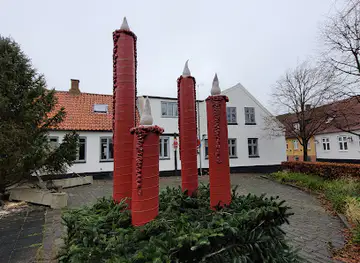
Bornholm
Dramatic cliffs, dune-soft beaches and round churches meet creative harbour towns on Denmark’s sunniest Baltic island, a compact escape rich in nature and history.

Frederiksborg Castle
A storybook Renaissance palace on an island in a lake, where Denmark’s royal past, national portrait gallery, and sculpted Baroque gardens meet in one spectacular setting.

Kronborg Castle
UNESCO‑listed Renaissance fortress, royal palace and Hamlet’s legendary Elsinore, guarding the Øresund Strait from the tip of Helsingør with sea views and storied casemates.

LEGOLAND® Billund Resort
The original LEGO theme park, where 80 million bricks, 45+ rides and immersive themed lands turn family imagination into a full-day adventure in Billund.

Best landmarks in The North Sea Islands
Top-rated picks
Best Landmarks
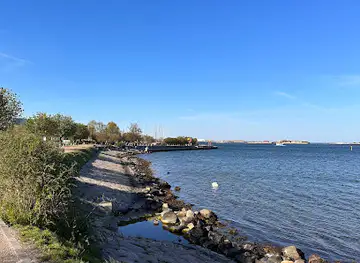
The Little Mermaid
Copenhagen’s quietly powerful harbour icon, a small bronze mermaid on Langelinie whose fairytale origins and waterfront setting have come to symbolise the city.

Wadden Sea National Park
Denmark’s largest national park, Wadden Sea is a UNESCO-listed coastal wilderness on Fanø, renowned for vast tidal flats, rare wildlife, and unforgettable migratory bird displays.

Møn
Denmark's white chalk cliffs meet pristine Dark Skies on a UNESCO-protected island of medieval charm and natural wonder.

Møns Klint
Denmark's most dramatic white chalk cliffs rise 128 meters above the Baltic, offering geological wonders, coastal trails, and adventure activities.

Best restaurants in The North Sea Islands
Top-rated picks
Best Restaurants

Noma
Waterside New Nordic icon where seasonal tasting menus, quiet design and an open kitchen turn dinner on Refshaleøen into an immersive culinary journey.
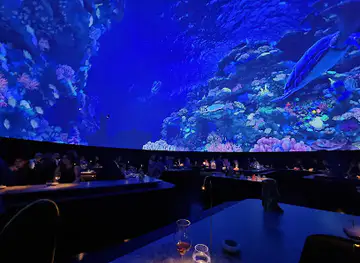
Alchemist
A boundary-pushing Copenhagen icon where fine dining, art installation and social commentary fuse into a five-hour, 50-course immersive experience under a vast projected dome.

Alimentum
A discreet Michelin-starred dining room in central Aalborg, where farm-driven Nordic tasting menus and thoughtful drink pairings turn an evening into a slow, seasonal journey.
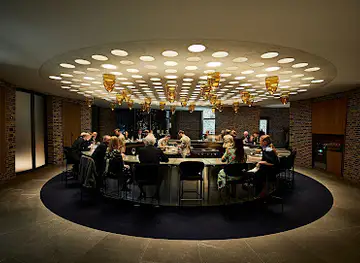
Restaurant Lyst
Ambitious New Nordic tasting menus served inside Fjordenhus, where avant‑garde architecture, fjord views and hyper‑local sourcing merge into one immersive evening.

Best bars in The North Sea Islands
Top-rated picks
Best Bars
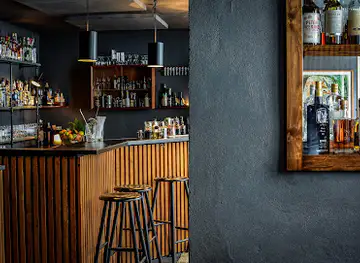
Duck and Cover - Cocktailbar
An intimate Vesterbro basement bar where mid-century Danish coziness meets finely tuned, Nordic-accented cocktails crafted for slow, lingering evenings.

Ruby
Canal-side townhouse speakeasy where Copenhagen’s vintage charm meets meticulous cocktail craft in a series of intimate, living-room style salons.
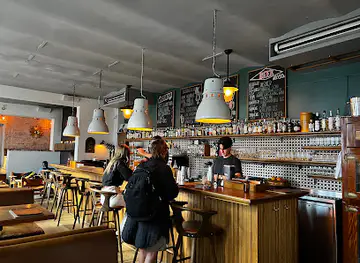
Lidkoeb
Multi-level cocktail and whisky bar hidden in a Vesterbro courtyard, pairing Scandinavian hygge with inventive drinks and a softly glowing fireplace.

1656 Cocktail Bar
Copenhagen's unmarked speakeasy where craft cocktails and mystery meet in intimate elegance.

Best nightclubs in The North Sea Islands
Top-rated picks
Best Nightclubs

Culture Box
Copenhagen’s dedicated home for underground electronic music, with three distinct rooms, late-weekend hours and a strong safer-space ethos.

Tucan Swinger & wellness Club
Discreet countryside swinger and wellness club near Kolding, blending spa comforts, erotic playrooms and a structured, adults-only nightlife atmosphere.

East End Holstebro
A compact, high-energy nightclub on Østergade where Holstebro’s weekends run late, fueled by DJs, dance hits, colorful lights and a lively local crowd.

Club Stygge
Compact late-night nightclub in central Aalborg, serving up loud party hits, crowded dance floors and classic weekend club vibes on busy Vesterå.

Best shops in The North Sea Islands
Top-rated picks
Best Shops

Salling Aarhus
Denmark's iconic department store with a rooftop offering Europe's most distinctive 360-degree city views.

Viking Souvenirs
Compact, central and packed with Danish and Viking‑themed gifts, Viking Souvenirs on Strøget is an easy one‑stop shop for last‑minute presents and mementos.

Ringsted Outlet
Denmark’s only true outlet village, blending big-name brands, Danish design and open-air streets with year-round savings and easy, family-friendly comforts.

Danish Souvenirs & Luggages
Central Copenhagen one-stop shop for classic Danish souvenirs and practical luggage, set on lively Amagertorv in the heart of the historic pedestrian district.

Explore The North Sea Islands on the Map
A handpicked selection of must-see spots in The North Sea Islands, mapped for you.
The North Sea Islands Essentials
-
The North Sea Islands in Denmark can be accessed via several major transportation hubs. The nearest international airport is Billund Airport, approximately 90 kilometers away. From the airport, you can rent a car or take a bus to the coastal towns of Esbjerg or Ribe and then catch a ferry to the islands. Alternatively, you can take a train from Copenhagen to Esbjerg, which offers a scenic route through the Danish countryside. The ferry services to the islands are frequent and reliable, making them a convenient option for travelers.
-
Once on the North Sea Islands, getting around is relatively straightforward. Bicycles are a popular and eco-friendly way to explore the islands, with many rental shops available. Local buses operate regularly between key locations on the islands, and taxis are also available, although they can be more expensive. For those who prefer driving, car rentals are an option, but be mindful of the narrow roads and local driving regulations.
-
The official currency in Denmark is the Danish Krone (DKK). Credit cards are widely accepted in hotels, restaurants, and shops on the North Sea Islands. However, it is advisable to carry some cash for smaller establishments or in case of any card payment issues. ATMs are available in larger towns across the islands, so withdrawing cash is convenient for travelers.
-
The North Sea Islands are generally very safe for tourists. Crime rates are low, but as with any travel destination, it is advisable to take standard precautions. Avoid leaving your belongings unattended and be cautious in crowded areas. There are no specific high-crime areas targeting tourists, but always stay vigilant and aware of your surroundings, especially at night.
-
In case of emergency, dial 112 for immediate assistance. The islands have local police stations and medical facilities. It is recommended to have travel insurance that covers medical emergencies. Pharmacies are available for minor health issues, and many staff members speak English, making it easier to communicate your needs.
-
Fashion: Do dress in layers and bring waterproof clothing, as the weather can be unpredictable. Avoid excessively casual attire in finer dining establishments. Religion: Do respect local customs, especially in religious sites. Public Transport: Do be punctual, as buses and ferries operate on strict schedules. Don't be noisy or disruptive. Greetings: Do greet people with a firm handshake and maintain eye contact. Eating & Drinking: Do try local seafood delicacies and traditional Danish pastries. Don't forget to say 'tak' (thank you) after meals.
-
To experience the North Sea Islands like a local, visit the local markets where you can buy fresh produce and traditional Danish goods. Engage with locals, as they are often friendly and willing to share stories about the islands' history and culture. Don't miss out on exploring the scenic coastal paths and bird-watching spots. Try to visit during local festivals to experience the vibrant community spirit and traditional Danish celebrations.
When is the best time to visit The North Sea Islands?
Useful Local Phrases for The North Sea Islands
You don't need to speak the language perfectly. Even learning a few simple words can make conversations warmer—and locals usually appreciate the effort.
— Eve

Here are the phrases I use most often in The North Sea Islands. Try a few—you'll be surprised how far they go! 😊
❤️
-
- HelloHej
[hay] - GoodbyeFarvel
[fahr-vel] - YesJa
[yah] - NoNej
[nay] - Please/You're welcomePlease/Værsgo
[pleez/vair-skuh] - Thank youTak
[tahk] - Excuse me/SorryUndskyld
[oon-skuld] - How are you?Hvordan har du det?
[vor-dahn har doo deh] - Fine. And you?Fint. Og du?
[feent. oh doo?] - Do you speak English?Taler du engelsk?
[tay-lur doo eng-elsk?] - I don't understandJeg forstår ikke
[yai for-stor ig-kah]
- HelloHej
-
- I'd like to see the menu, pleaseJeg vil gerne se menuen, tak
[yai vil gair-nuh say meh-nu-en, tahk] - I don't eat meatJeg spiser ikke kød
[yai spee-sir ig-kah kuhth] - Cheers!Skål!
[skawl] - I would like to pay, pleaseJeg vil gerne betale, tak
[yai vil gair-nuh beh-tah-leh, tahk]
- I'd like to see the menu, pleaseJeg vil gerne se menuen, tak
-
- Help!Hjælp!
[yelp] - Go away!Gå væk!
[go vehk] - Call the Police!Ring til politiet!
[ring til po-li-ti-et] - Call a doctor!Ring efter en læge!
[ring ef-ter en lay-eh] - I'm lostJeg er faret vild
[yai air fah-ret vil] - I'm illJeg er syg
[yai air soo-ee]
- Help!Hjælp!
-
- I'd like to buy...Jeg vil gerne købe...
[yai vil gair-nuh kuh-buh] - I'm just lookingJeg kigger bare
[yai kee-gur bah-reh] - How much is it?Hvor meget koster det?
[vor mai-eth koh-stur deh] - That's too expensiveDet er for dyrt
[deh air for dyurt] - Can you lower the price?Kan du sænke prisen?
[kan doo sen-keh pree-sen]
- I'd like to buy...Jeg vil gerne købe...
-
- What time is it?Hvad tid er det?
[vadh teed air deh] - It's one o'clockDet er et klokkeslæt
[deh air et klok-keh-slet] - Half past (10)Halv efter (10)
[halv ef-ter (10)] - MorningMorgen
[mor-ren] - AfternoonEftermiddag
[ef-ter-mi-dahg] - EveningAften
[af-ten] - YesterdayI går
[ee gor] - TodayI dag
[ee day] - TomorrowI morgen
[ee morn] - 11
[1] - 22
[2] - 33
[3] - 44
[4] - 55
[5] - 66
[6] - 77
[7] - 88
[8] - 99
[9] - 1010
[10]
- What time is it?Hvad tid er det?
-
- Where's a/the...?Hvor er en/den...?
[vor air en/den...?] - What's the address?Hvad er adressen?
[vadh air ad-res-sen] - Can you show me (on the map)?Kan du vise mig (på kortet)?
[kan doo vee-seh mai (poh kor-tet)?] - When's the next (bus)?Hvornår går den næste (bus)?
[vor-nor gor den nes-teh (bus)?] - A ticket (to ....)En billet (til ....)
[en bee-let (til ....)]
- Where's a/the...?Hvor er en/den...?
History of The North Sea Islands
-
The North Sea Islands in Denmark, including Fanø, Rømø, and Mandø, have a rich prehistoric history. Archaeological findings suggest that these islands were inhabited by humans as far back as the Mesolithic period. Flint tools and remnants of early settlements provide evidence of a thriving hunter-gatherer community.
-
During the Viking Age (800-1050 AD), the North Sea Islands played a significant role as maritime hubs. The islands were strategically located for trade, raids, and exploration. Archaeological discoveries, such as Viking longhouses and burial mounds, reveal the islands' importance in Viking society.
-
In the Middle Ages, the North Sea Islands became part of the Hanseatic League, a powerful commercial and defensive confederation of merchant guilds and market towns in Northwestern and Central Europe. This connection brought prosperity and development to the islands, making them key players in the Baltic and North Sea trade routes.
-
The North Sea Islands are part of the Wadden Sea, a UNESCO World Heritage site known for its unique tidal flats and biodiversity. The Wadden Sea has been a vital resource for the islanders for centuries, providing fish, seals, and other marine resources. The relationship between the islands' inhabitants and the Wadden Sea is deeply rooted in their history and culture.
-
The islands have a long-standing maritime heritage, with sailing and shipbuilding being crucial aspects of their culture. The island of Fanø, in particular, was known for its shipyards in the 18th and 19th centuries. Many of the islanders were skilled sailors and shipbuilders, contributing to Denmark's naval prowess.
-
During World War II, the North Sea Islands were occupied by German forces. The islands' strategic location made them important for the German military, who established bunkers and fortifications. The remnants of these wartime structures can still be seen today, serving as a stark reminder of the islands' role in the conflict.
-
In the 20th century, the North Sea Islands began to develop as tourist destinations. Their natural beauty, unique landscapes, and rich cultural heritage attracted visitors from around the world. Today, tourism is a major economic driver for the islands, with sustainable practices ensuring the preservation of their natural and historical treasures.
Neighbouring Regions of The North Sea Islands
The closest regions to The North Sea Islands, if you have time for more than one.




Your all‑in‑one travel companion app
Explore expert travel guides, compare and book tours, experiences, hotels, and more—all from the palm of your hand. Download now for seamless trip planning wherever your wanderlust takes you.


Explore More of Denmark

Looking beyond The North Sea Islands? Discover Denmark for broader travel guides, local hot-spots, and regional highlights.
Explore DenmarkThe North Sea Islands in Photos
Browse through our photo collection highlighting the charm and character of the destination.


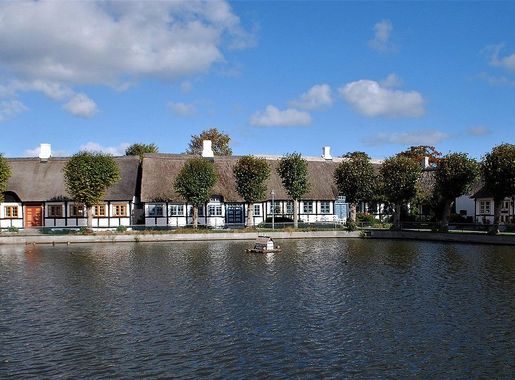


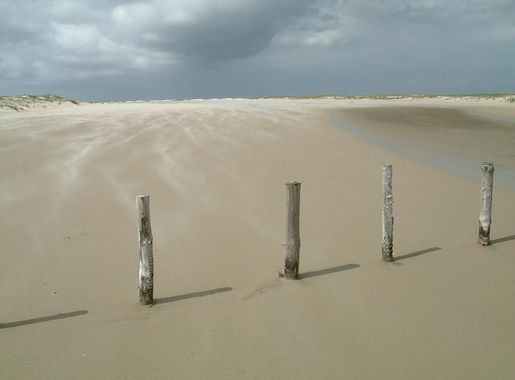


The North Sea Islands: Denmark's Coastal Gems
The North Sea Islands of Denmark are a captivating escape for those seeking a blend of natural beauty, rich history, and vibrant local culture. These islands, including Fanø, Rømø, and Mandø, offer pristine sandy beaches, stunning dunes, and picturesque landscapes that are perfect for relaxation and exploration. Each island has its own unique charm. Fanø is famous for its well-preserved traditional houses and delightful seal safaris. Rømø boasts one of the widest sandy beaches in Europe, ideal for kite-flying and beach sports. Mandø, accessible only during low tide via a causeway, offers a tranquil retreat and the chance to witness the mesmerizing phenomenon of the Wadden Sea. Visitors can immerse themselves in the islands' maritime heritage, indulge in fresh seafood, and enjoy outdoor activities like cycling, horse riding, and bird watching. The local festivals and markets provide a glimpse into the islanders' way of life, making every visit a memorable experience.