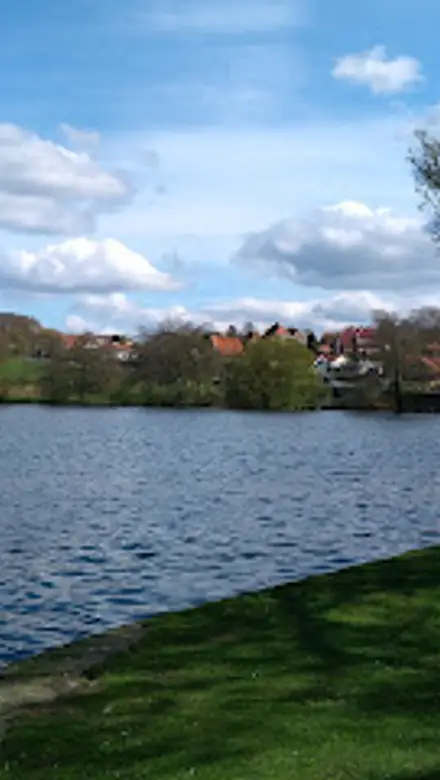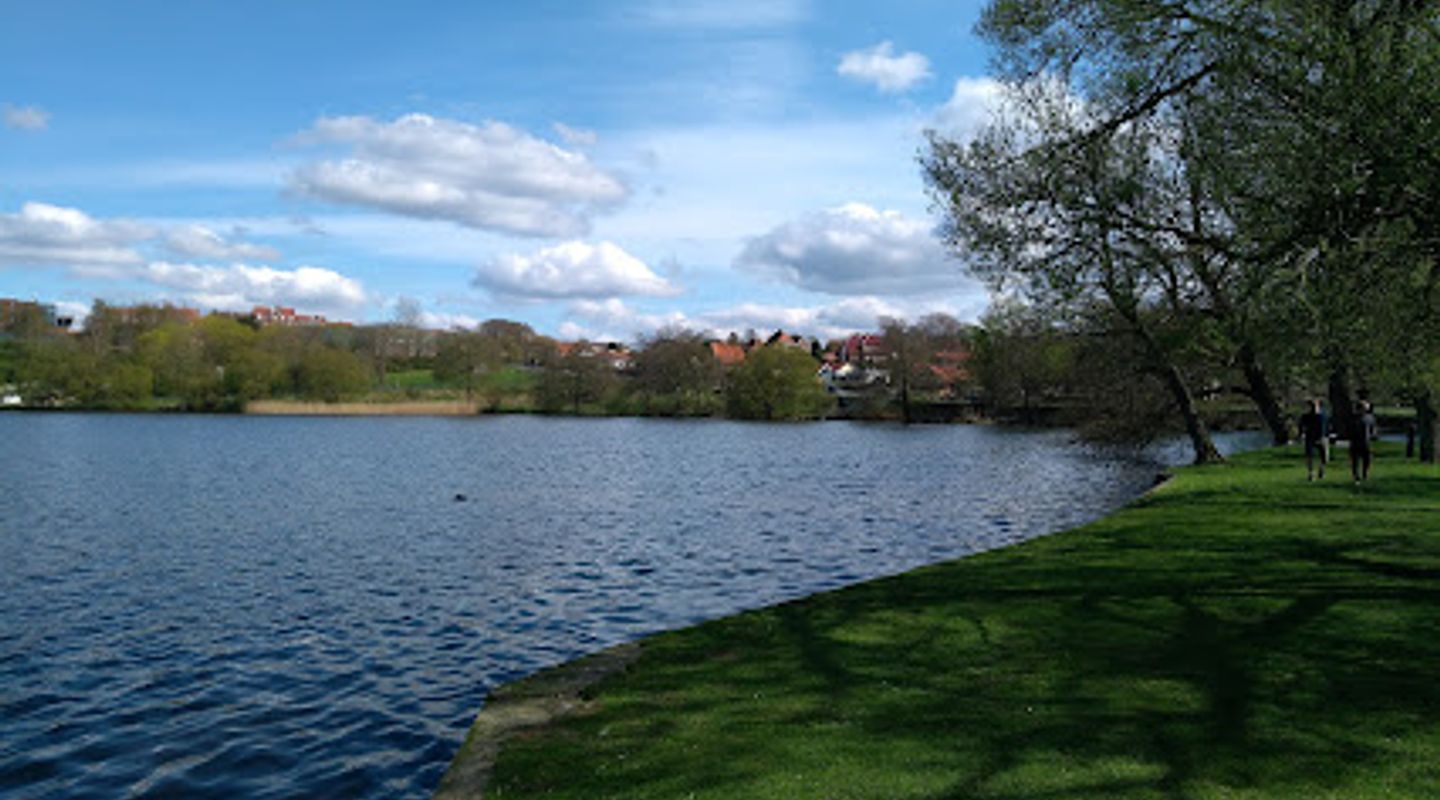
Søparken, Viborg Travel Guide
Atmospheric living museum in a historic 1820s papermill, featuring live demonstrations, hands-on crafts, and working steam machines in rural Viborg.
Bruunshaab Gamle Papfabrik in Viborg is an atmospheric working papermill museum set in a historic 19th-century industrial complex. Visitors encounter original steam machinery, roaring production halls, and often live demonstrations by skilled craftspeople—offering an immersive experience of Denmark’s industrial past. The factory, founded in 1821, has been lovingly preserved as a living museum and is a unique place to witness traditional handmade paper production and browse engaging historical exhibits.
A brief summary to Søparken
- 2 th, Søparken 5, Viborg, DK
- Click to display
- Monday 7 am-6 pm
- Tuesday 7 am-6 pm
- Wednesday 7 am-6 pm
- Thursday 7 am-6 pm
- Friday 7 am-6 pm
- Saturday 7 am-6 pm
- Sunday 7 am-6 pm

Know before you go
Hi, I'm Eve. Here are a few practical things to know before exploring Søparken.
- Visit on a day when the machinery is running to experience the sights, sounds, and smells of paper production in action.
- Combine your visit with a picnic or nature walk; scenic trails and a peaceful pond surround the factory.
- Check for family craft workshops or hands-on sessions—these can be especially engaging for children and adults alike.
- Don’t miss the gift shop for unique, handmade paper products created at the factory.
- Bring a light jacket; the old factory halls can be cool year-round, especially in areas not heated for preservation.
Do you manage this location?
Take control to get all the benefits, like improved information, better appearance, and stronger visibility across AI-powered discovery. Learn more about listing your business on Evendo
Activate your presenceOther nearby places you may find interesting
The closest places of the same kind, if this one is not quite what you had in mind.

Explore Søparken on the Map
A handpicked selection of must-see spots near Søparken, mapped for you.
Getting There
-
Walking
From Viborg’s town center, the papermill can be reached by a pleasant walk that takes visitors out past local shops and the town’s leafy outskirts. On foot, it’s roughly a 30–40 minute stroll. The path provides glimpses of residential neighborhoods before leading towards the scenic rural sweep south of Viborg; the factory’s characteristic brick chimney becomes visible approaching the site. The route is mostly level, but sturdy shoes are recommended.
-
Public Transport
Local buses from Viborg’s main station connect towards the outskirts with stops within a short walk of the papermill. Expect a journey of about 10–15 minutes; a standard adult fare for a single ride is typically 24–28 DKK. Most services run hourly during weekdays. From the closest bus stop, the factory’s towers and red brickwork are clearly visible within a few minutes’ walk through green fields.
-
Taxi
A taxi from Viborg’s city center will whisk you to the papermill in about 10 minutes, making this the quickest and most comfortable choice if you are short on time or traveling with family. Fares generally fall in the range of 100–140 DKK, depending on traffic and time of day.
-
Driving
Visitors arriving by car will find free parking onsite, though spaces beside the entrance can be limited during weekends and holidays. The route from central Viborg to the factory is direct and signed at the approach. There are no tolls or special fees. Motorists should be aware that access involves a stretch on narrow rural roads as you near the final approach.
Discover more about Søparken













Your all‑in‑one travel companion app
Explore expert travel guides, compare and book tours, experiences, hotels, and more—all from the palm of your hand. Download now for seamless trip planning wherever your wanderlust takes you.


Explore More of Viborg
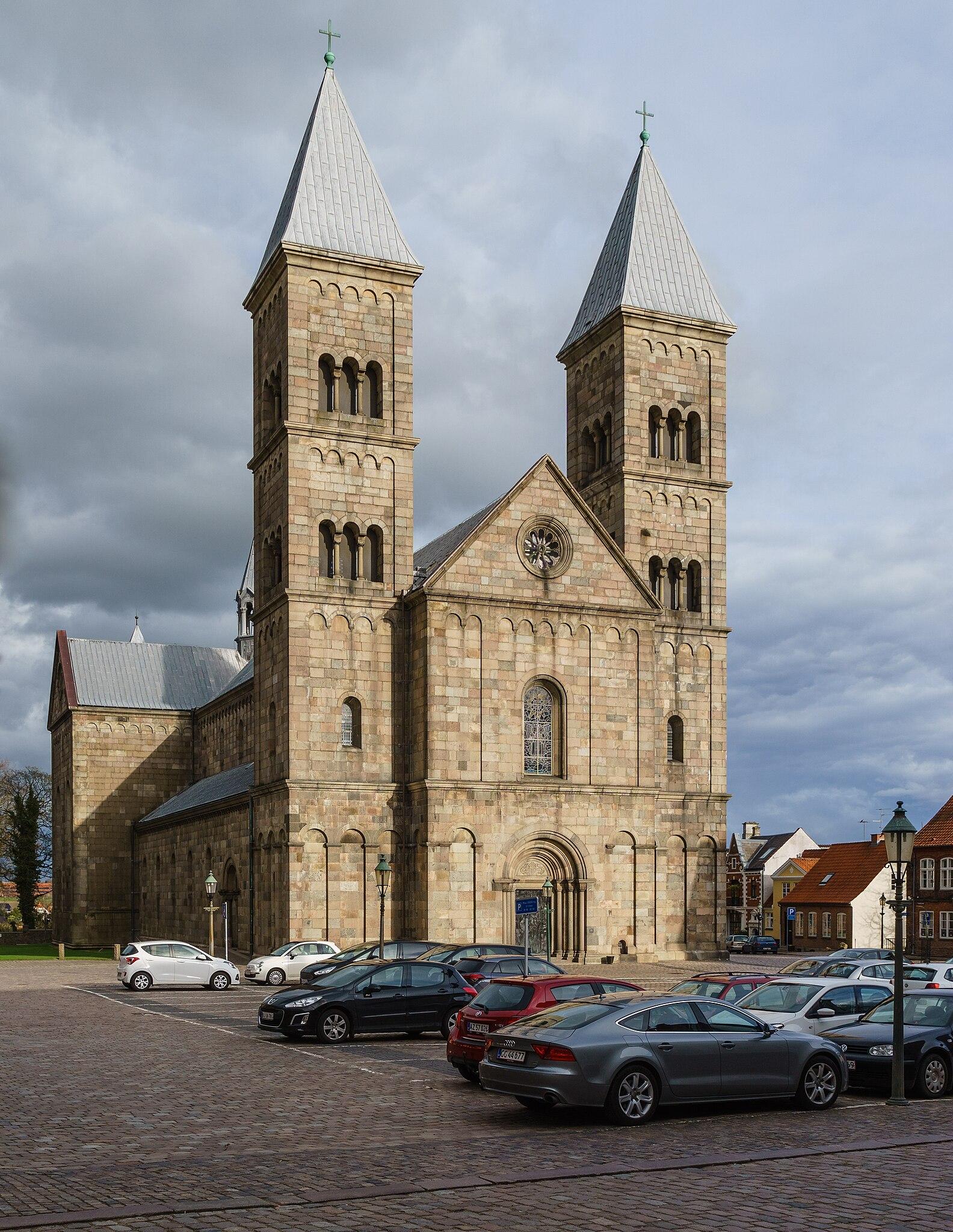
Looking beyond Søparken? Discover Viborg for broader travel guides, local hot-spots, and regional highlights.
Explore Viborg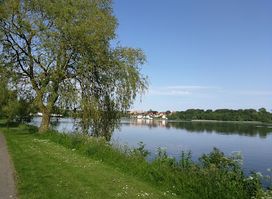
Deep, clear waters, Ice Age hills and centuries of castles and manors make Hald Sø a striking blend of wild Danish nature and quiet cultural landscape.

A small willow-framed oasis in central Viborg, perfect for a short, tranquil pause amid trees, lawns and soft light between the city’s historic sights.