

Museum Wibergis, Viborg Travel Guide
Free Guide: Autumn 2026: Step into 1000 years of Danish power struggles through vivid animation and immersive storytelling.


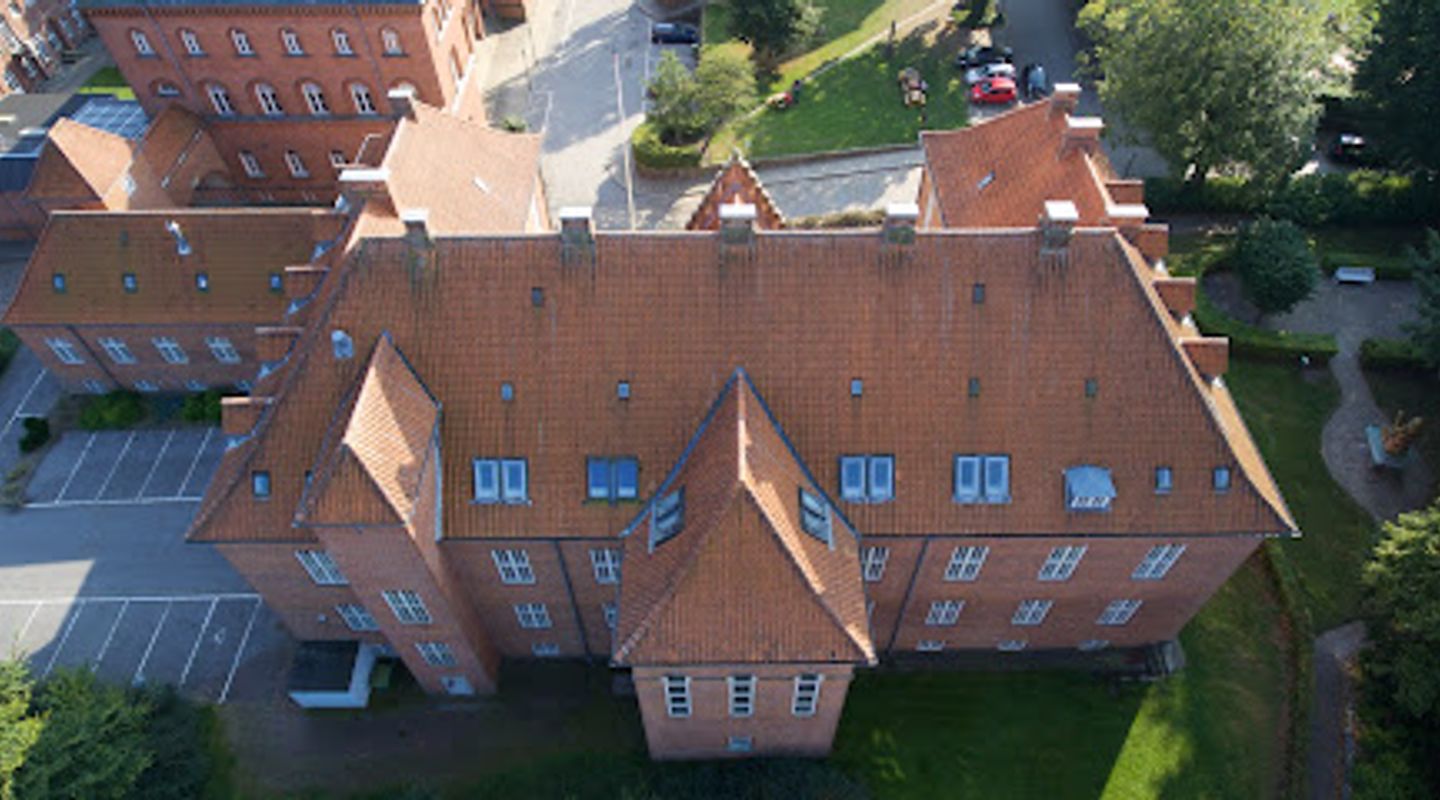
A brief summary of Museum Wibergis
Autumn 2026: Step into 1000 years of Danish power struggles through vivid animation and immersive storytelling.
Museum Wibergis is a bold new cultural institution opening in autumn 2026 in Viborg's historic Cathedral Quarter. Through vivid animation, immersive soundscapes, and interactive exhibits, it tells 1000 years of Danish history centered on Viborg's unique role as a seat of power, nobility, and religious influence. The museum explores Denmark's complex power struggles with nuance and artistic flair, inviting visitors to experience history as a living, contested narrative rather than settled fact.
On-site amenities
 Restrooms
 Drink options
 Food options
 Seating areas
 Information boards
 Visitor centre
- Address
- Gråbrødre Kirke Str. 3, 8800 Viborg
- Phone
- Website
Getting there
Bus from Aarhus
Train from Aarhus
Car from Aarhus
Cycling from Central Viborg
Discover more about Museum Wibergis
A New Vision of Danish Power and History
Museum Wibergis opens in autumn 2026 as Viborg's flagship cultural institution, housed in the heart of the Cathedral Quarter where Danish kings were once chosen and celebrated. The museum tells the story of 1000 years of Danish history through the lens of Viborg's extraordinary significance as a center of power, nobility, the church, and royal homage. Rather than presenting history as a simple chronology, the museum explores the complexity of power itself—how it shifted between competing interests, how alliances formed and fractured, and how ordinary people navigated extraordinary circumstances.
Immersive Design and Artistic Innovation
The museum's approach to storytelling is distinctly contemporary. Vivid animation, bold color palettes, and carefully designed soundscapes create an environment where history feels immediate and visceral. Interactive experiences, video mapping, games, and expanded comics invite visitors to engage actively rather than passively observe. Creative productions including films and illustrations transform traditional museum content into dynamic, multisensory narratives. This artistic ambition reflects a curatorial philosophy that sees museums not as repositories of artifacts but as spaces where visitors can grapple with complex historical questions.
Power, Conflict, and Consequence
At its core, Museum Wibergis examines the human dimensions of historical power. The narrative encompasses the rise and fall of influence, shifting alliances, betrayal, and the consequences of choice. Visitors encounter stories of nobles who traded, feasted, and fought duels; a church that grew wealthy and powerful; and the bloody clash between Protestants and Catholics during the Reformation. The museum's central premise—that no historical truth is simple and every choice carries consequences—encourages visitors to think critically about how power operates and who bears its costs.
The Cathedral Quarter Setting
Located in Viborg's historic Cathedral Quarter, the museum sits amid centuries of architectural and cultural heritage. Just outside its windows stand the physical remnants of the power struggles it documents. This spatial relationship between museum and landscape creates a dialogue between interpretation and evidence, allowing visitors to move between the curated narratives inside and the historical geography outside. The location itself becomes part of the exhibition, grounding abstract historical concepts in tangible place.
An Inclusive and Interactive Experience
Museum Wibergis is designed as an inclusive space where diverse visitors can find entry points into Danish history. Interactive elements, guided tours, and varied interpretive approaches accommodate different learning styles and levels of prior knowledge. The museum positions itself not as an authority dispensing facts but as a facilitator of historical understanding, inviting visitors to form their own interpretations of complex events.
Evendo Review Centre
 Google
Guest reviews
Best time to go
Quietest: Jan, Feb & Dec · before 7am or from 8pm
Busy times are Evendo estimates for a typical year, to help you plan. Actual crowds vary with events, school holidays and the weather.
Explore Museum Wibergis on the map
A handpicked selection of must-see spots near Museum Wibergis, mapped for you.
Get your free copy of our complete guide to Museum Wibergis, delivered straight to you.
Everything on this page, from opening hours and how to get there to Eve’s tips and the best time to go, in one PDF you can read offline, print or share.
Already have an account? Sign in
Your Museum Wibergis guide is ready.
We'll send it to · Not you? Sign out

Getting your guide ready…
We are putting together a fresh copy of the Museum Wibergis guide. This can take up to a minute.
This can take a few moments. If your browser asks, choose Allow so the download can start. You'll find the guide in your Downloads folder.
Nothing happened? Download it again
Sorry, the guide is taking longer than usual. Please try again in a minute, or get it by email instead.
Other nearby places you may find interesting
The closest places of the same kind, if this one is not quite what you had in mind.
-
-
-
-
-


Swipe for more places
More to explore near Museum Wibergis

 Best experiences near Museum Wibergis
 Best hotels near Museum Wibergis
 Best landmarks near Museum Wibergis
 Best attractions near Museum Wibergis
 Best shops near Museum Wibergis
 Best restaurants near Museum Wibergis
 Best bars near Museum Wibergis
Do you manage this location?
Take control to get all the benefits, like improved information, better appearance, and stronger visibility across AI-powered discovery.
Explore more

Explore more of Viborg
Discover Viborg, Denmark's hidden gem where medieval history, stunning nature, and vibrant culture converge for an unforgettable travel experience.
Explore Viborg
Explore more of Denmark
Discover Denmark: A perfect blend of history, modern design, and the cozy concept of hygge. Explore vibrant cities, serene landscapes, and world-class cuisine.
Explore Denmark
