Noma Travel Guide
Free Guide: A discreet waterfront dining room where New Nordic cuisine, fermentation and foraged flavors turn a long Copenhagen evening into a meticulously staged culinary journey.


A brief summary of Noma
A discreet waterfront dining room where New Nordic cuisine, fermentation and foraged flavors turn a long Copenhagen evening into a meticulously staged culinary journey.
Hidden on Copenhagen’s former industrial waterfront at Refshalevej, **Noma** is a pioneering fine-dining restaurant that helped redefine New Nordic cuisine. Behind low-slung, timber-clad buildings and wild herb gardens, chef René Redzepi’s team serves ambitious seasonal tasting menus built on foraged plants, local seafood and game, fermentation and meticulous craft. Intimate, choreographed service and an understated, nature-inspired interior turn a meal here into a lengthy, theatrical culinary journey.
On-site amenities
 Restrooms
 Drink options
 Food options
 Seating areas
 Information boards
Opening hours
- MonClosed
- Tue5 pm–11 pm
- Wed5 pm–11 pm
- Thu5 pm–11 pm
- Fri12 pm–5:30 pm, 6 pm–11:30 pm
- SatClosed
- SunClosed
Opening hours as listed on the venue’s Google Business Profile. Hours can change for services and special events, so check with the venue before you go.
- Address
- Refshalevej 96, 1432 København K
- Phone
- Website
Getting there
Public transport and short walk
Harbor ferry
Taxi or rideshare
Cycling
Discover more about Noma
A quiet corner of Copenhagen’s waterfront
Noma occupies a cluster of converted industrial buildings on Refshaleøen, a once-working shipyard area that has transformed into one of Copenhagen’s most creative districts. The restaurant’s low-profile entrance, discreet signage and waterside setting lend it an almost secretive feel, as if you have stepped into a self-contained culinary enclave on the edge of the city.From outside, the architecture is deliberately understated: timber, glass and stone blend with native plantings, rough cobbles and views across the harbor. The setting feels both coastal and slightly wild, with open skies and salty air reminding you how closely the experience here is tied to the landscapes and seasons of Scandinavia.
Inside a world built around the seasons
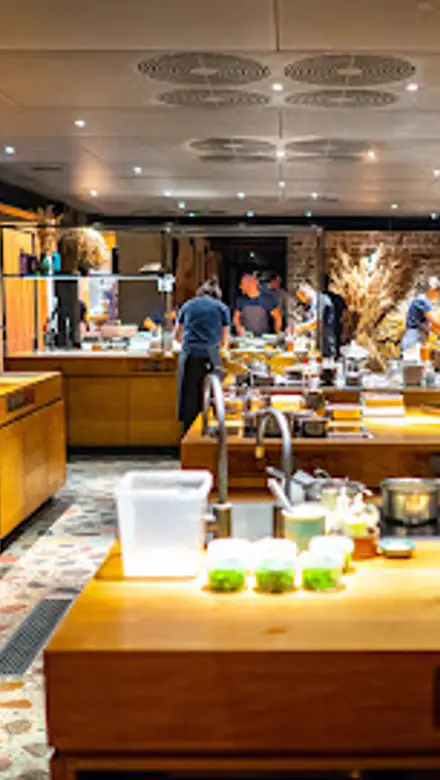
Cross the threshold and you move into a carefully choreographed interior, all pale woods, soft textiles and flickering candlelight. The design language is minimal yet warm: long wooden tables, exposed beams and ceramics in earthy tones echo the forests, fields and shores that inspire the kitchen. Nothing is flashy; the focus is on tactility, light and a sense of calm.Noma structures its year around distinct seasonal menus, traditionally focusing in turn on seafood, vegetable-driven dishes and game and forest flavors. The entire space responds to these shifts: vases hold whatever is blooming or drying at that moment, and the colors and textures on the table subtly mirror what appears on the plate. You are reminded, course by course, that this is a restaurant built on time and place rather than static signatures.
The craft behind New Nordic cuisine
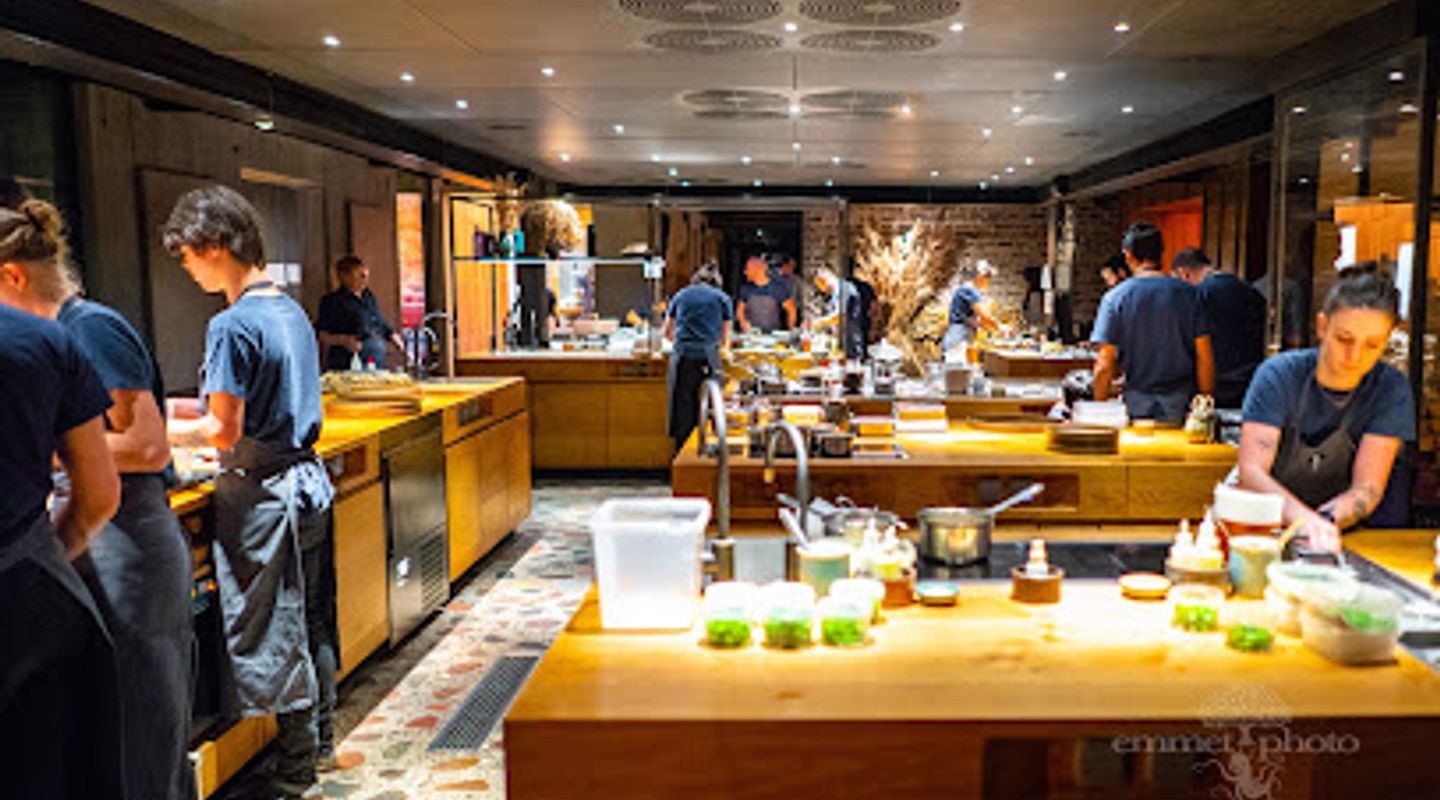
In the open kitchen and adjacent preparation spaces, cooks work with techniques that have become hallmarks of New Nordic cuisine: pickling, smoking, fermenting, drying and curing. A dedicated fermentation lab produces vinegars, garums, misos and kombuchas from local ingredients, providing layers of flavor that run like a quiet bass note through the menu.Foraged herbs, flowers, berries, seaweeds and mushrooms appear alongside pristine seafood, carefully aged meats and roots pulled from surrounding farms. Many elements are prepared over open flame or in custom grills; others arrive raw or barely warmed, emphasizing texture and delicacy. The menu is fixed, unfolding as a long tasting sequence in which each dish is introduced at the table by a member of the kitchen or service team.
An immersive dining ritual
A meal at Noma is deliberately extended, often lasting several hours as small dishes arrive in quick yet balanced succession. The service style is polished but relaxed: staff move through the room with practiced ease, sharing details about ingredients, preparation and origins without breaking the restaurant’s gentle rhythm.Beverage pairings highlight both classic wines and more experimental options, including natural bottles and intricate non-alcoholic pairings built from juices, infusions and ferments. Large windows keep you visually connected to the outside world, where the light over the water shifts from bright Nordic afternoon to deep dusk as the experience progresses.
Design, gardens and a sense of experimentation
Beyond the main dining room, Noma’s small outbuildings and surrounding grounds play a quiet but important role. Kitchen gardens and planters supply herbs and seasonal plants, while storage spaces and the fermentation lab demonstrate how much of the work happens behind the scenes, long before a dish is plated.The restaurant’s design invites you to notice small details: hand-thrown plates, bespoke glassware, the grain in a tabletop, or a glimpse of cooks assembling a course at the pass. The atmosphere balances Nordic restraint with a constant sense of experimentation, as if the entire property is an evolving workshop dedicated to flavor, craft and the Nordic landscape.
Practicalities of an exclusive experience
Reservations are essential here and can require considerable advance planning. The restaurant operates limited services across selected evenings, with a single extended tasting menu at a premium price point that reflects the intensive labor, sourcing and research involved. Dining here is less about a quick meal and more about dedicating a half-day to a singular culinary event.Despite its global profile, the physical space remains surprisingly intimate: relatively few tables, close interaction with the team and a low hum of conversation instead of bustling noise. It is a place where Copenhagen’s maritime setting, contemporary design culture and gastronomic innovation converge inside a modest cluster of buildings on the harbor’s edge.
Evendo Review Centre
 Google
Guest reviews
Best time to go
Quietest: Jan, Feb & Nov · before 1pm or from 11pm
Busy times are Evendo estimates for a typical year, to help you plan. Actual crowds vary with events, school holidays and the weather.
Explore Noma on the map
A handpicked selection of must-see spots near Noma, mapped for you.
Get your free copy of our complete guide to Noma, delivered straight to you.
Everything on this page, from opening hours and how to get there to Eve’s tips and the best time to go, in one PDF you can read offline, print or share.
Already have an account? Sign in
Your Noma guide is ready.
We'll send it to · Not you? Sign out

Getting your guide ready…
We are putting together a fresh copy of the Noma guide. This can take up to a minute.
This can take a few moments. If your browser asks, choose Allow so the download can start. You'll find the guide in your Downloads folder.
Nothing happened? Download it again
Sorry, the guide is taking longer than usual. Please try again in a minute, or get it by email instead.
Other nearby places you may find interesting
The closest places of the same kind, if this one is not quite what you had in mind.
-
-
-
-
-


Swipe for more places
More to explore near Noma

 Best experiences near Noma
 Best hotels near Noma
 Best bars near Noma
Do you manage this location?
Take control to get all the benefits, like improved information, better appearance, and stronger visibility across AI-powered discovery.
Explore more
Explore more of Zealand
Discover the charm of Zealand, Denmark's largest island, blending vibrant city life in Copenhagen with serene coastal beauty and rich cultural heritage.
Explore Zealand
Explore more of Denmark
Discover Denmark: A perfect blend of history, modern design, and the cozy concept of hygge. Explore vibrant cities, serene landscapes, and world-class cuisine.
Explore Denmark