Background

DECAN Refuge: A Sanctuary for Wildlife

Discover Djibouti's wildlife at DECAN Refuge: a sanctuary for rescued animals, offering a tranquil escape and a chance to support conservation efforts just outside Djibouti City.

4.3

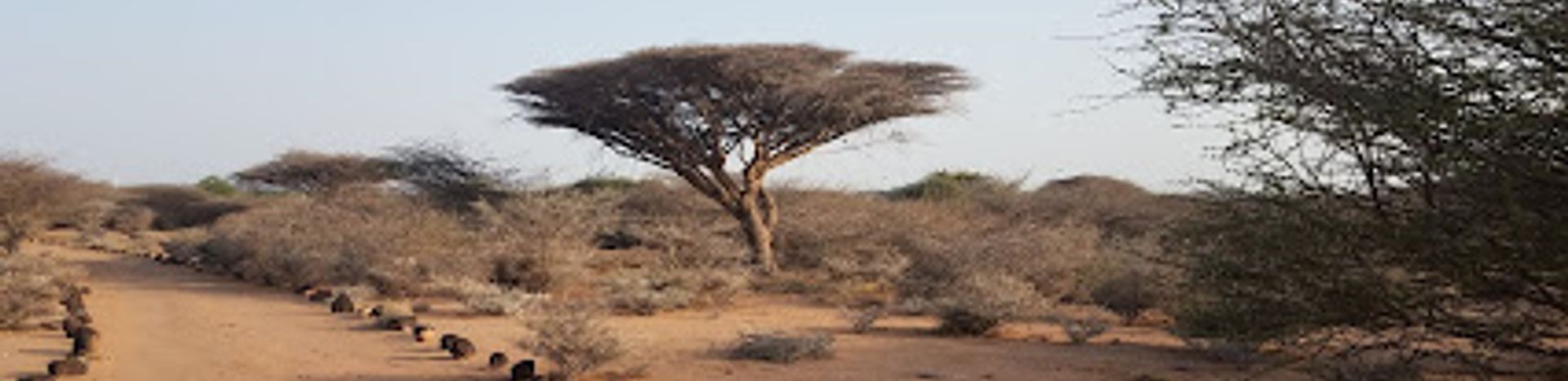
Escape the city bustle and discover DECAN Refuge, a haven for rescued wildlife just a short drive from Djibouti City. This nature preserve offers a unique opportunity to observe animals such as cheetahs, lions, ostriches, and various antelopes in a semi-natural environment. Founded by a French veterinarian, DECAN focuses on rehabilitating animals orphaned or rescued from illegal trafficking, providing them with a safe and protected home. While many animals remain in the refuge due to their inability to survive in the wild, visitors can witness their beauty and learn about conservation efforts in Djibouti. Open during late afternoons, it's an ideal spot for photography, bird-watching, and a tranquil stroll amidst Djibouti's unique landscapes. Don't miss the chance to see the big cats being fed, usually around 5 PM, for an exhilarating experience.

A brief summary to DECAN Refuge

Local tips

  • Visit during the late afternoon (3:30 PM - 6:30 PM) for the best chance to see animals active and the big cats being fed.
  • Bring binoculars for enhanced wildlife viewing, especially for birdwatching, as DECAN attracts diverse bird species.
  • Check for guided tour availability to gain deeper insights into the refuge's conservation efforts and the animals' stories.
  • Wear comfortable shoes suitable for walking on uneven terrain, as you'll be exploring the refuge's grounds.
  • Consider bringing water and snacks, as facilities within the refuge may be limited.
widget icon

Getting There

  • Taxi/Ride-Share

    From central Djibouti City (e.g., Place Menelik), a taxi or ride-share is the most practical way to reach DECAN Refuge. Negotiate the fare beforehand, aiming for approximately 3,000 DJF to 4,000 DJF for a round trip, including waiting time at the refuge. The journey takes about 20-30 minutes along RN2. Be clear about the agreed waiting time to avoid potential fare disputes. Note that taxis may increase prices after dark.

  • Public Transport

    To reach DECAN Refuge by public transport from Djibouti City, head to the bus station near Place Menelik. Look for a local bus heading towards areas outside the city along RN2. Inquire with the driver to confirm they can drop you off near DECAN Refuge (BP 2136, RN2). The bus fare is approximately 200 DJF per person. From the drop-off point on RN2, there's a short walk (around 10 minutes) to the refuge entrance. Ensure you know the return bus schedule, as service may be infrequent.

Unlock the Best of DECAN Refuge

Buy tickets

    No tickets available

Book tours with entry

    No tours available

Book tours without entry

    No tours available

Discover more about DECAN Refuge

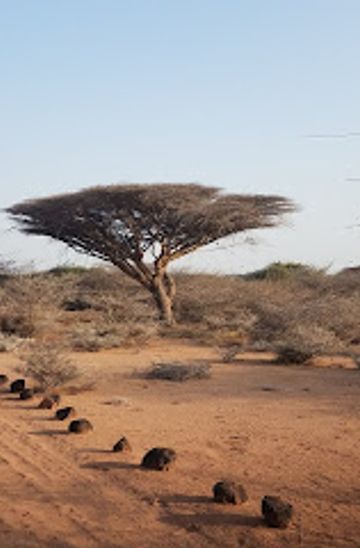
DECAN Refuge, whose name stands for Découvrir et Aider la Nature (Discover and Help Nature), offers a serene escape from the urban environment of Djibouti City. Located approximately 10 kilometers south of the capital along RN2, this well-organized wildlife refuge provides a sanctuary for animals that have been orphaned, injured, or rescued from the illegal wildlife trade. Founded in 2001 by French veterinarian Bertrand Lafrance, DECAN began as a modest effort to protect sea turtles and has since grown into a vital rehabilitation center for a diverse range of species. Unlike a traditional zoo, DECAN strives to create a natural environment where animals can thrive. The refuge spans approximately 30 acres, with plans for expansion to encompass a larger area, including a mangrove ecosystem. Visitors can observe a variety of animals, including cheetahs, lions, ostriches, Somali donkeys, caracals, antelopes, kudus, zebras, and porcupines. Many of these animals were victims of poaching or were being illegally kept as pets before being rescued by DECAN. The refuge plays a crucial role in wildlife conservation and education in Djibouti. It collaborates with local authorities, including customs officers and police, to combat wildlife trafficking and raise awareness about the importance of protecting Djibouti's natural heritage. DECAN also conducts educational programs for schoolchildren, teaching them about the local flora and fauna and the need for conservation. One of the highlights of a visit to DECAN is the opportunity to witness the feeding of the big cats, which typically occurs around 5 PM. This is a thrilling experience as visitors can observe the cheetahs and lions up close and learn about their individual stories and the challenges they face in the wild. Birdwatchers will also find DECAN to be a rewarding destination, as the refuge attracts a variety of bird species, including flamingos, ibises, herons, and spoonbills. A dedicated birdwatching area is under development to further enhance the experience for bird enthusiasts. DECAN's commitment to conservation extends beyond its borders. The organization actively works to protect Djibouti's natural resources and promote sustainable development. It collaborates with local communities to develop eco-tourism initiatives that benefit both the environment and the local economy. By providing a safe haven for rescued animals and promoting environmental education, DECAN is making a significant contribution to the preservation of Djibouti's unique biodiversity. Visiting DECAN offers a unique opportunity to connect with nature and learn about the challenges facing wildlife in Djibouti. The refuge provides a tranquil and educational experience for visitors of all ages. Whether you are a wildlife enthusiast, a birdwatcher, or simply looking for a peaceful escape from the city, DECAN is a must-visit destination in Djibouti. DECAN is more than just a refuge; it's a symbol of hope for wildlife conservation in Djibouti. The dedication and passion of its founder and staff are evident in every aspect of the organization's work. By supporting DECAN, visitors can contribute to the protection of Djibouti's natural heritage and help ensure that future generations can enjoy the beauty and wonder of its wildlife. As you wander through the trails, you'll encounter unique wildlife, including various mammals, reptiles, and countless insects, all coexisting within this protected environment. The DECAN Refuge is not only a place for exploration but also an educational hub where visitors can learn about the importance of conservation efforts in Djibouti. Guided tours are often available, providing insights into the ecology of the area and the challenges faced by wildlife. The refuge's commitment to preserving its natural heritage makes it a significant stop for anyone interested in environmental sustainability. With its tranquil atmosphere and abundant wildlife, the DECAN Refuge promises an unforgettable experience for all who venture into its serene landscapes. The best time to visit Djibouti is Nov-Jan when whale sharks make their annual visit and the weather is cooler.

Popular Experiences near DECAN Refuge

Popular Hotels near DECAN Refuge

Select Currency