Arco del Triunfo: A Symbol of Barahona
Discover the Arco del Triunfo in Barahona, a historic monument symbolizing the city's past and a gateway to the natural wonders of the Dominican Republic's southwest region.
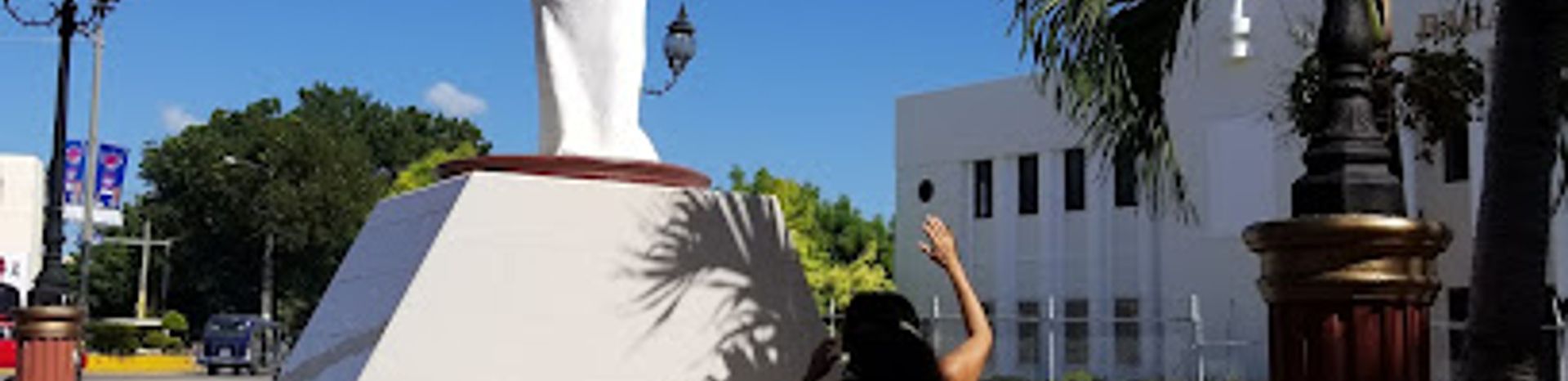
The Arco del Triunfo in Barahona is more than just a monument; it's a symbol of the city's history and resilience. Erected in 1938, it commemorates the construction of the Carretera Enriquillo, a vital road connecting Barahona with Azua. While not technically an arch in the traditional sense, this structure has become a central landmark, witnessing countless events and welcoming visitors for decades. Its location makes it a focal point for both locals and tourists, offering a glimpse into the region's past and present. The Arco serves as a reminder of Barahona's development and its connection to the wider Dominican Republic, making it a worthwhile stop for anyone exploring the city. It represents the gratitude of the people towards President Trujillo for infrastructure development, even though its symbolism has evolved over time. Today, it stands as a testament to Barahona's identity and its place within the nation's narrative.
A brief summary to Arco Del Triunfo
- 6V5X+CQ8, Barahona, El Centro, 81000, DO
- +1809-524-2613
Local tips
- Visit during the early morning or late afternoon for the best lighting for photographs of the Arco del Triunfo.
- Take a stroll around the surrounding streets to experience the local culture and find small shops and eateries.
- Combine your visit to the Arco with a trip to the nearby Malecón for a walk along the sea.

Getting There
-
Walking
From Barahona Central Park, the Arco del Triunfo is a short walk northeast. Head east from the park towards the main road, and you'll see the Arco a few blocks away. It's easily accessible and a central point in the city.
-
Taxi/Ride-Share
Taxis and 'conchos' (shared taxis) are readily available in Barahona. A short ride from most points in the city center to the Arco del Triunfo should cost around RD$50-RD$100. Confirm the fare before starting your journey. Uber is not available in Barahona.
-
Public Transport
Local 'guaguas' (minivans) travel fixed routes within Barahona. Check with locals for the correct route, but any guagua heading towards the city's entrance or the Carretera Enriquillo will likely pass near the Arco del Triunfo. Fares are typically RD$25-RD$50.
Discover more about Arco Del Triunfo
Iconic landmarks you can’t miss

Arco Del Triunfo
0.0 km
Discover the Arco del Triunfo in Barahona, a historic monument symbolizing the city's past and a gateway to the natural wonders of the Dominican Republic's southwest region.
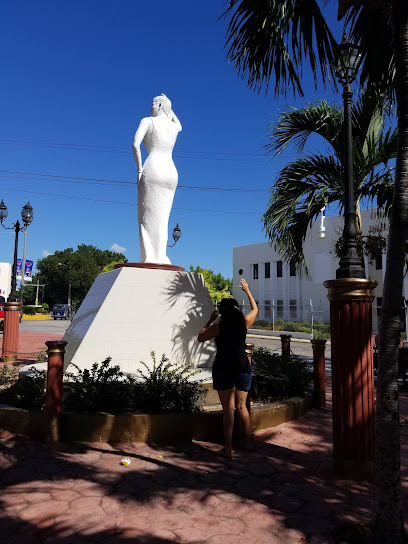
El king real
0.3 km
Explore the mystical world of numbers at El King Real, where personal insights and spiritual growth come together in a unique numerology experience.

Hotel El Cacique
0.8 km
Experience Barahona's authentic charm from Hotel El Cacique, a budget-friendly hotel offering a comfortable base to explore the region's natural beauty and vibrant culture.
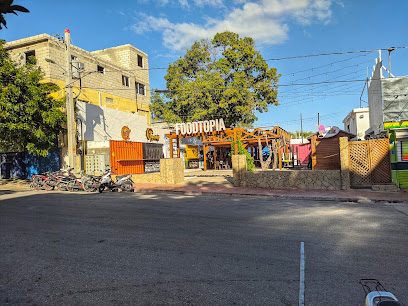
Restaurante Foodtopia
0.8 km
Discover a world of flavors at Foodtopia in Barahona, Dominican Republic, where diverse cuisines, a family-friendly atmosphere, and local charm create an unforgettable dining experience.
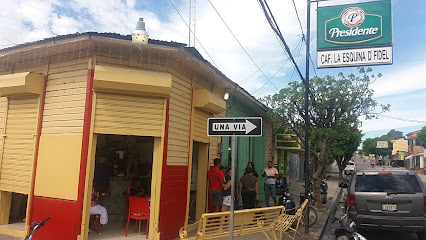
Fidel Cafe Corner
0.8 km
Discover the heart of Barahona's coffee culture at Fidel Cafe Corner, where every cup tells a story of local tradition and flavor.
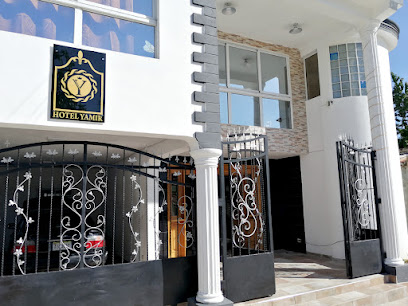
Hotel Yamir
0.9 km
Discover Barahona's natural beauty from Hotel Yamir, your comfortable and affordable base for exploring the Dominican Republic's hidden gem, with easy access to beaches and parks.
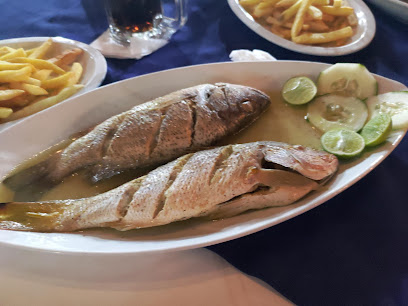
La Perla del Sur
1.0 km
Experience authentic Dominican flavors at La Perla del Sur in Barahona, where fresh, local ingredients and warm hospitality create an unforgettable dining experience for every visitor.
Hotel El Ancla
2.4 km
Discover Barahona's charm at Hotel El Ancla: Comfortable rooms, modern amenities, and easy access to beaches, national parks, and local culture in the heart of the Dominican Republic.
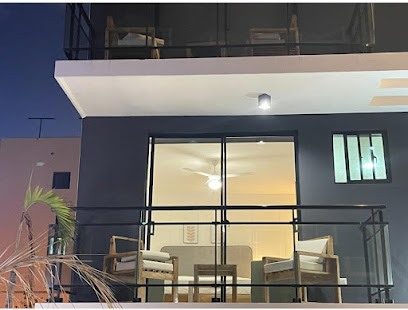
Hotel Daymond Blue
9.1 km
Discover a tranquil coastal escape at Hotel Daymond Blue in Barahona, Dominican Republic, offering affordable comfort and easy access to stunning beaches and natural wonders.
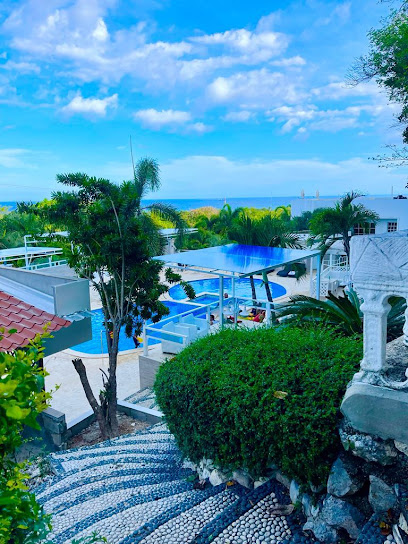
Hotel El Quemaito
9.7 km
Discover the unspoiled beauty of Barahona at Hotel El Quemaito, a charming oceanfront retreat offering adventure, relaxation, and authentic Dominican experiences.
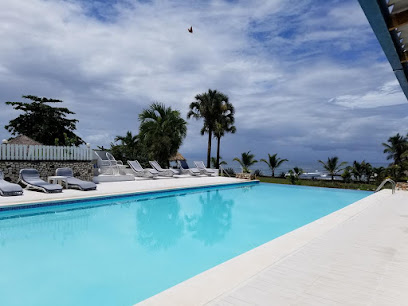
Quemaito Beach
10.2 km
Discover the tranquil beauty of Quemaito Beach, a tropical paradise in the Dominican Republic, perfect for relaxation, adventure, and unforgettable sunsets.
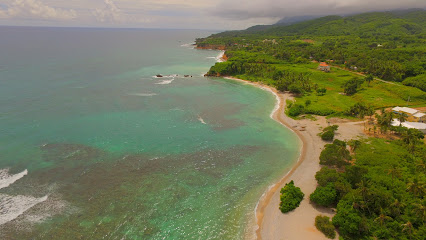
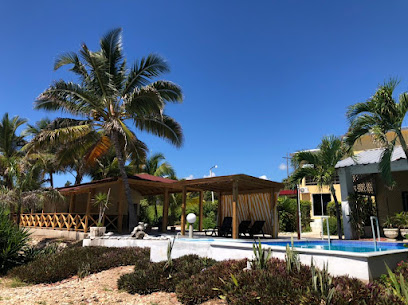
Hotel Al Mare
10.3 km
Discover a tranquil beachfront escape at Hotel Al Mare in Barahona, Dominican Republic, offering stunning ocean views, an infinity pool, and easy access to local attractions.
Mina de Larimar
10.6 km
Discover the world's only Larimar mine in Barahona, Dominican Republic, and witness the extraction of this rare blue gemstone, a treasure found nowhere else on Earth.
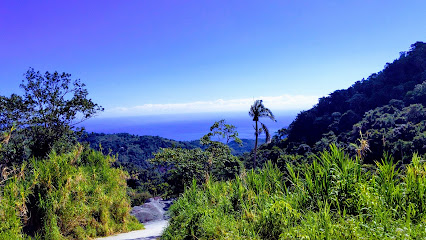
Hotel Panoramica Barahona
11.3 km
Discover coastal charm at Hotel Panoramica Barahona in La Ciénaga, Dominican Republic. Enjoy stunning views, comfortable accommodations, and authentic local experiences in a tranquil setting.
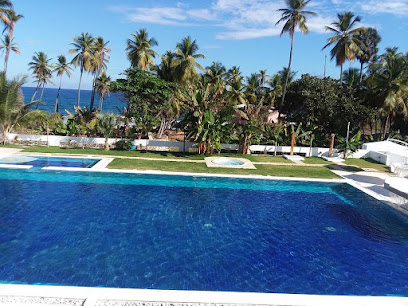
Oasi Encantada Beach Resort - Hotel, Restaurante y Piscina
11.7 km
Discover Oasi Encantada Beach Resort in Barahona: A serene beachfront escape with an infinity pool, private beach, and authentic Dominican charm, perfect for exploring the region's natural beauty.
Unmissable attractions to see

la piedra
0.4 km
Explore La Piedra, Barahona: A stunning hiking area filled with breathtaking views and rich biodiversity, perfect for all adventure seekers.
Punto 1
0.4 km
Discover the breathtaking trails of Punto 1 in Barahona, where stunning landscapes and vibrant biodiversity await outdoor enthusiasts.
FunTimeExperience
0.5 km
Experience unforgettable fun and excitement at FunTimeExperience in Barahona, where adventure awaits for everyone.
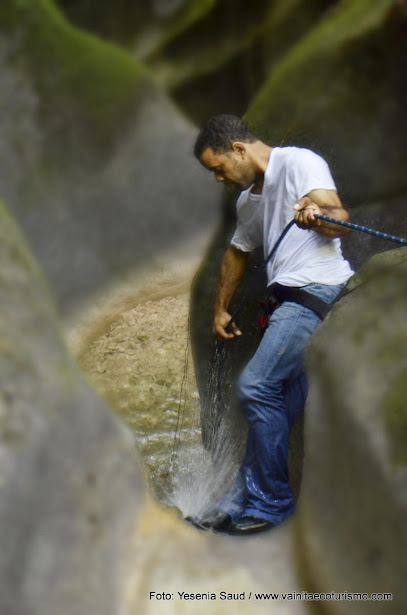
Villa Estela Park
0.5 km
Experience the natural beauty and tranquility of Villa Estela Park in Barahona, a perfect spot for relaxation and recreation amidst lush landscapes.
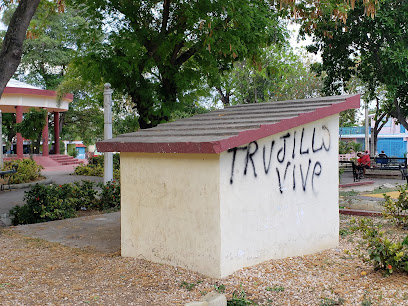
Barahona Central Park
0.7 km
Discover the lush landscapes and vibrant atmosphere of Barahona Central Park, a serene retreat in the heart of Barahona, Dominican Republic.
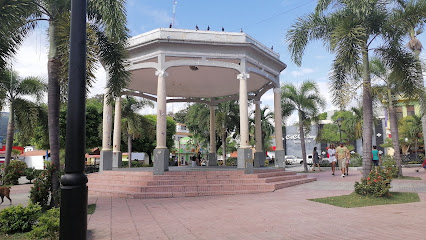
Sueros Park
0.8 km
Experience the tranquility and natural beauty of Sueros Park, a stunning green oasis in Barahona perfect for relaxation and family fun.
Infantil, Educativo y Turístico de Barahona Park
0.8 km
Explore the vibrant Infantil, Educativo y Turístico de Barahona Park, a perfect blend of education and fun in the heart of Barahona.
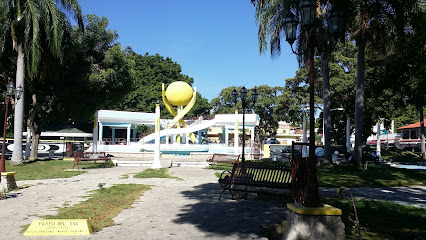
PARADOR FOTOGRAFICO BARAHONA
0.9 km
Explore the breathtaking views at Parador Fotografico Barahona, a top tourist attraction in the Dominican Republic known for its stunning landscapes and vibrant scenery.
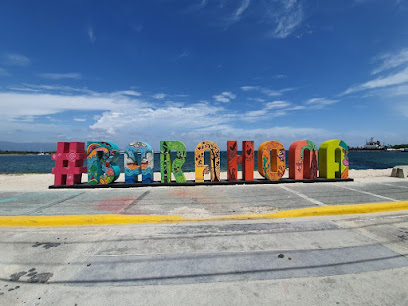
Alto Velo Park
1.0 km
Experience the tranquility of Alto Velo Park in Barahona, a scenic oasis perfect for relaxation and outdoor activities amidst lush landscapes.
Parque Maria Montez
1.1 km
Explore the natural beauty and cultural charm of Parque Maria Montez, a serene park in the heart of Barahona, Dominican Republic.
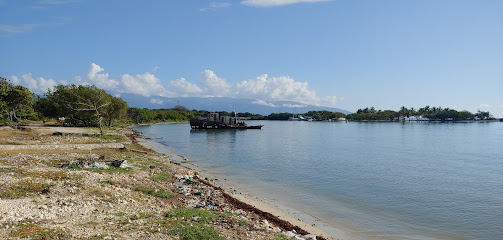
Skatepark Barahona
1.1 km
Experience the thrill of skateboarding at Skatepark Barahona, a vibrant hub for skaters in the beautiful coastal city of Barahona, Dominican Republic.
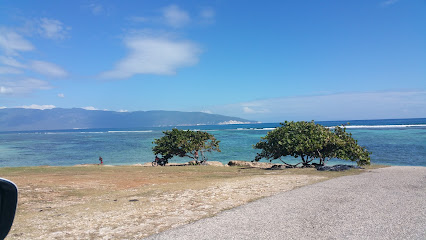
El Laurel Park
1.1 km
Explore El Laurel Park, a tranquil gem in Barahona, where nature, relaxation, and family fun come together in a picturesque setting.
Baitoita Park
1.1 km
Discover the tranquil beauty of Baitoita Park in Barahona, a perfect blend of nature and local culture for every traveler.
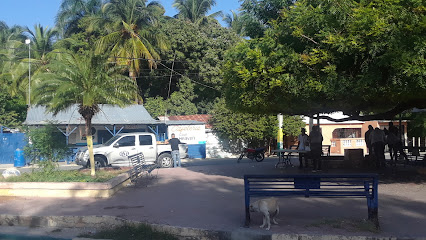
Letras Barahona
1.2 km
Experience the vibrant culture, art, and culinary delights at Letras Barahona, a must-visit tourist attraction in the heart of Barahona, Dominican Republic.
Barahona Malecón
1.2 km
Discover the vibrant coastal charm of Barahona Malecón, where stunning ocean views and local culture blend seamlessly for an unforgettable experience.
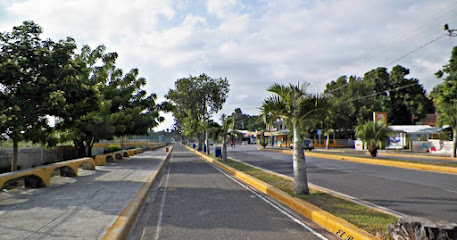
Essential places to dine

D’ Mildred Buffet & Comida Express
0.2 km
Experience authentic Dominican flavors at D’ Mildred Buffet & Comida Express in Barahona – where every meal is a celebration of local culture.
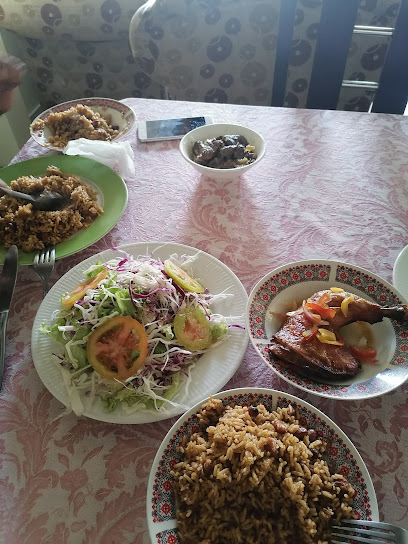
La Casona Barahona
0.3 km
Discover authentic Dominican flavors at La Casona Barahona, where warm hospitality meets delicious cuisine in an inviting atmosphere.
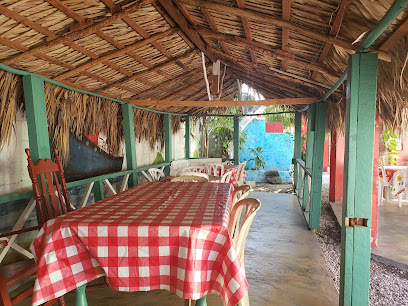
D Chovi Buffet Restaurante
0.3 km
Discover the rich flavors of Dominican cuisine at D Chovi Buffet Restaurante - where every meal is a feast!
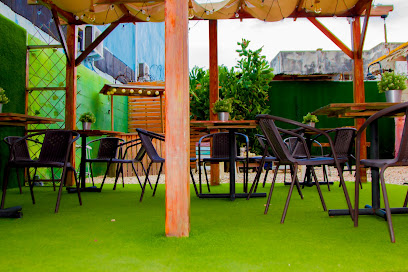
Hotel Restaurant Maria Montez
0.4 km
Experience authentic Dominican cuisine at Hotel Restaurant Maria Montez in Barahona – where every meal tells a story.
D' Dalianny Comedor, Desayuno, Fritura y mas
0.5 km
Experience authentic Dominican cuisine at D' Dalianny Comedor in Barahona – where every meal tells a story.
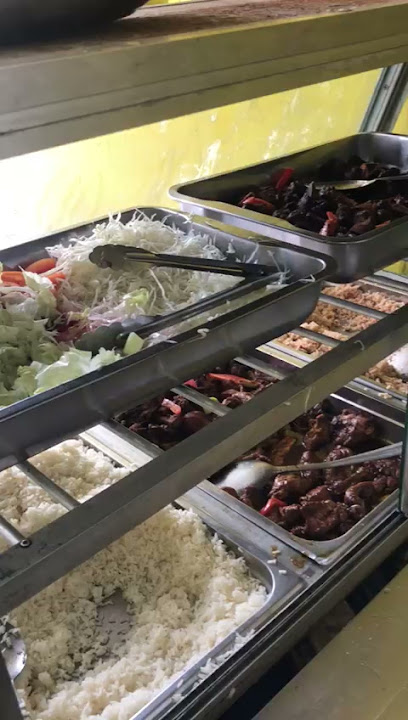
Comedor Olivo
0.5 km
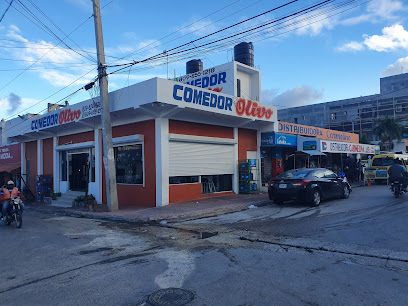
Experience authentic Dominican brunch delights at Comedor Olivo in Barahona - where every dish tells a story.
El Rinconcito de la Fritura
0.5 km
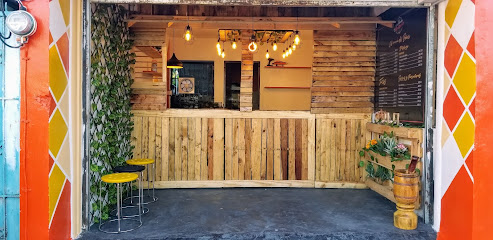
Experience authentic Dominican fried chicken at El Rinconcito de la Fritura in Barahona - where flavor meets tradition.
Pala Pizza
0.7 km
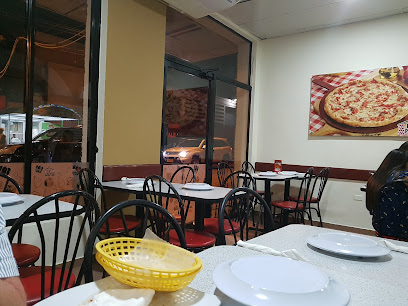
Experience the taste of Barahona at Pala Pizza - where every slice tells a story.
Patricia Express
0.8 km
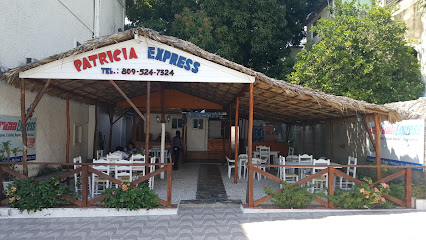
Experience authentic Dominican flavors at Patricia Express in Barahona - your gateway to local culinary delights.
D' Sairy Grill
0.8 km
Experience authentic Dominican flavors and top-notch espresso at D' Sairy Grill in Barahona – a must-visit culinary destination.
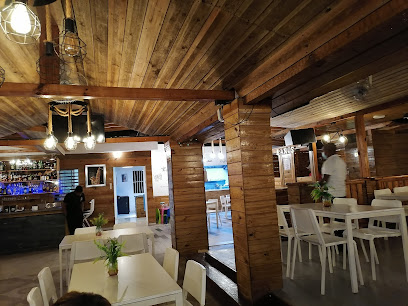
Restaurante Delicias Marinas
0.8 km
Discover authentic Caribbean cuisine at Restaurante Delicias Marinas in Barahona, where every meal is a celebration of fresh seafood and local flavors.
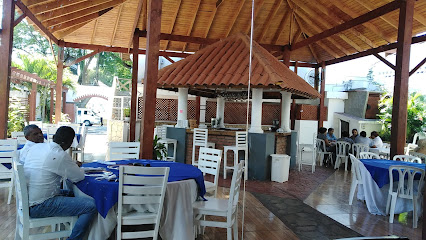
Casa Corazón Restaurant
0.9 km
Experience authentic Dominican flavors at Casa Corazón Restaurant in Barahona - where every dish tells a story.
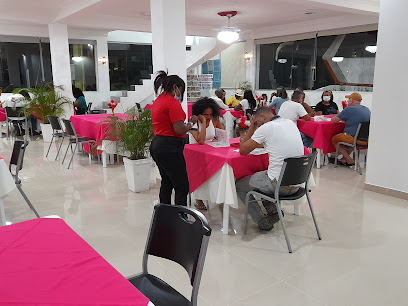
Cafetería Bukí
0.9 km
Discover authentic Dominican flavors at Cafetería Bukí, where cozy meets culinary excellence in Barahona.
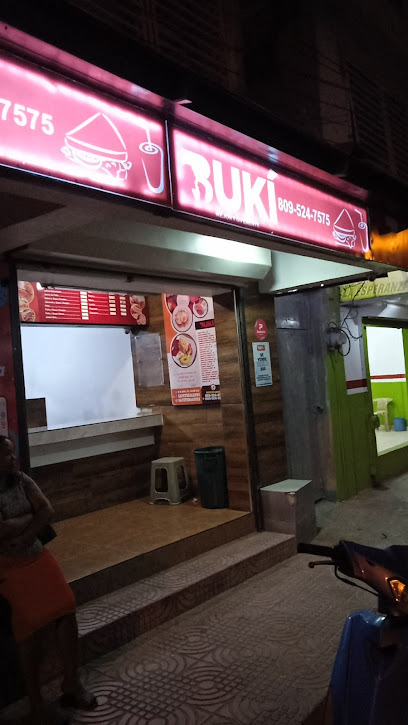
Malecón D' Javi
0.9 km
Experience authentic Dominican cuisine at Malecón D' Javi in Barahona Port – where every meal tells a story.
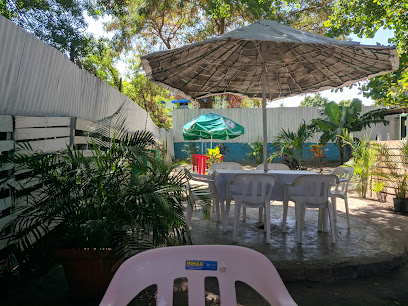
Cafeteria Dcomercubana
1.0 km
Discover authentic Dominican flavors at Cafeteria Dcomercubana in Barahona - where every meal tells a story.
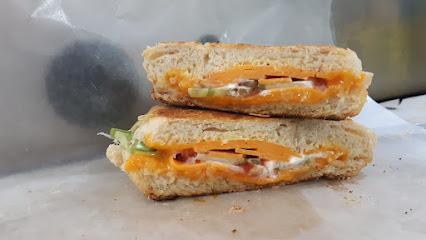
Markets, malls and hidden boutiques

Tienda Wesley
0.1 km
Discover unique local crafts and souvenirs at Tienda Wesley, Barahona's vibrant shopping destination, capturing the spirit of the Dominican Republic.

ESTELA - Es Moda
0.2 km
Explore the vibrant fashion scene of Barahona at Estela - Es Moda, where local style meets trendy clothing choices for every occasion.
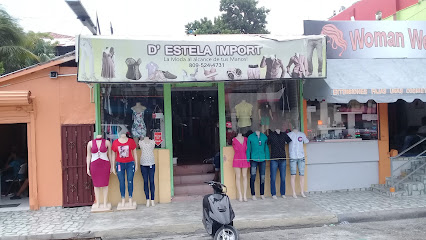
@ea_closett
0.3 km
Explore local fashion at @ea_closett, where unique clothing and accessories await every traveler seeking to elevate their style.
Kinki Peach
0.3 km
Discover unique fashion accessories at Kinki Peach, where local creativity meets trendy style in an inviting shopping atmosphere.

J y V Variedades
0.3 km
Explore unique Dominican fashion at J y V Variedades, a vibrant clothing store in Barahona offering local styles and authentic souvenirs.
Boutiques a tu estilo
0.4 km
Discover unique fashion pieces and local styles at Boutiques a tu estilo in Barahona, a must-visit clothing store for all fashion lovers.
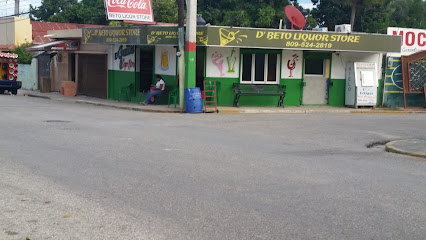
Liquor Store
0.4 km
Discover the essence of Barahona through its local liquor store, offering a diverse range of spirits, wines, and beers for every taste.
@dress and magic
0.4 km
Explore the vibrant styles of @dress and magic, a premier clothing store in Barahona, showcasing local fashion with a unique twist.

Pick n' Send Barahona
0.4 km
Explore the vibrant Pick n' Send Barahona for unique local goods and a taste of Dominican culture in the heart of Barahona.
Barahona
0.4 km
Explore Barahona's vibrant shopping mall for a unique blend of local culture, international brands, and delicious Dominican cuisine.
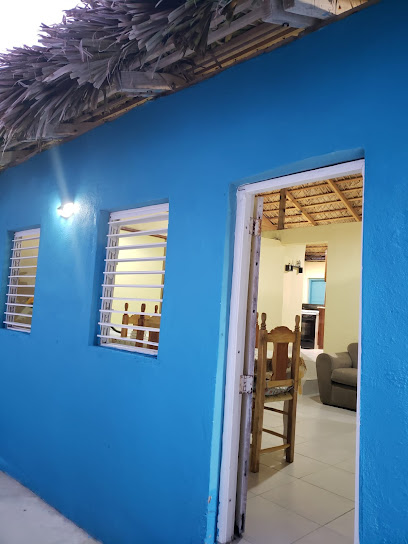
La Principal Vape
0.4 km
Explore La Principal Vape in Barahona for unique gifts and local treasures that capture the essence of the Dominican Republic.
interiores accesorios y varierdades encantos
0.4 km
Explore the vibrant local fashion and unique accessories at Interiores Accesorios y Variedades Encantos in Barahona, a must-visit for tourists.
indhira castro boutique
0.5 km
Discover unique Dominican fashion at Indhira Castro Boutique in Barahona, where local culture meets contemporary style in an unforgettable shopping experience.
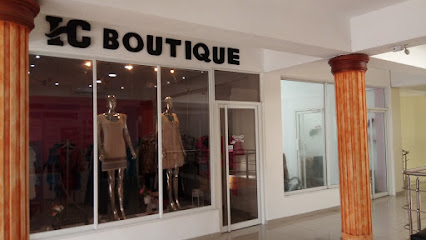
La Casa del Larimar
0.5 km
Explore exquisite larimar jewelry at La Casa del Larimar, a unique treasure in Barahona showcasing the beauty of Dominican craftsmanship.
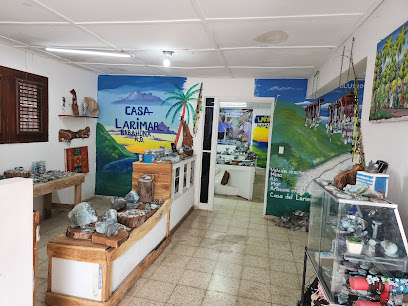
Tienda Esdra
0.5 km
Discover local fashion treasures at Tienda Esdra in Barahona, where vibrant clothing meets authentic Dominican culture.
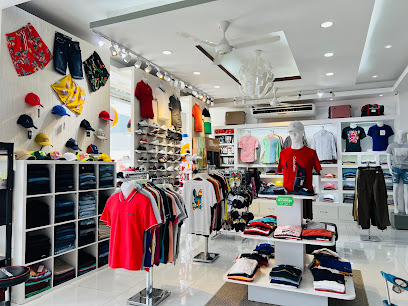
Essential bars & hidden hideouts

Cold Drink
0.1 km
Experience the lively ambiance of Cold Drink in Barahona, where refreshing drinks meet local culture in an inviting atmosphere.
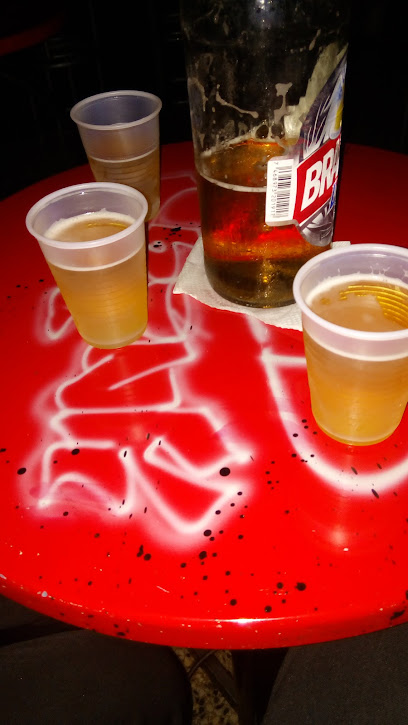
Masrur'BAR Drink
0.2 km
Experience the vibrant nightlife at Masrur'BAR in Barahona, where tropical cocktails meet local charm for an unforgettable evening.
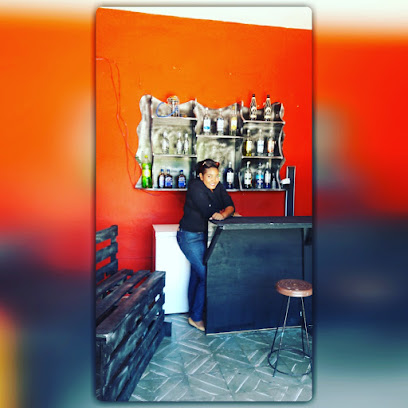
D'lazala Drink & Billar
0.3 km
Discover the lively charm of D'lazala Drink & Billar in Barahona – where refreshing drinks and billiards meet local culture.
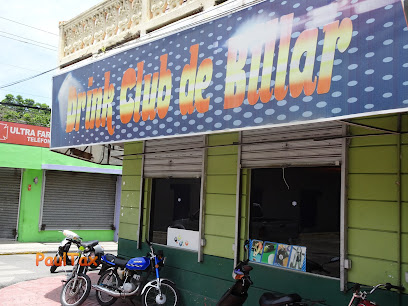
POMPOSO DRINK
0.4 km
Discover the vibrant nightlife of Barahona at Pomposo Drink, where refreshing cocktails and local flavor meet in a lively atmosphere.
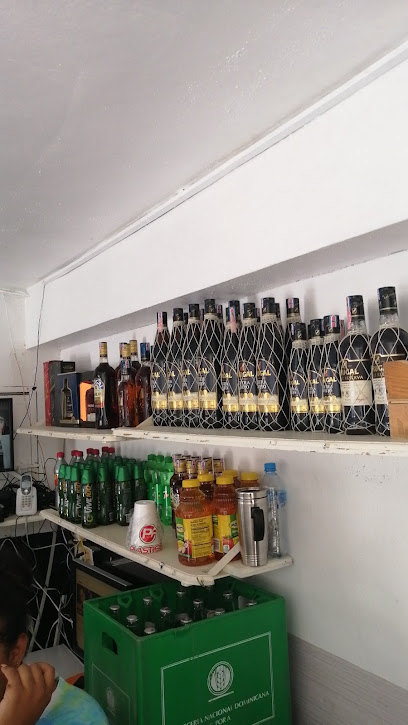
Drink Tu y Yo
0.4 km
Discover the vibrant nightlife at Drink Tu y Yo, Barahona's favorite bar serving delicious cocktails in a lively atmosphere.
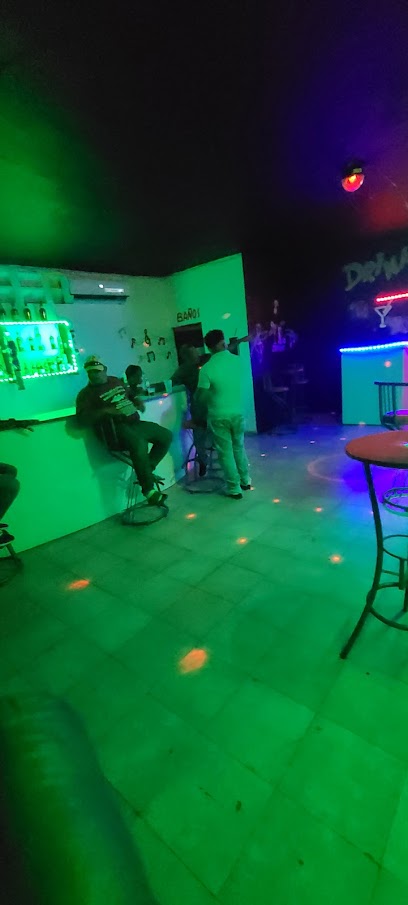
Solares De Milton
0.5 km
Discover Solares De Milton in Barahona: a lively bar offering refreshing cocktails and a vibrant atmosphere perfect for unwinding after a day of adventure.
Col.la Gran Familia
0.5 km
Experience the vibrant culture and delightful drinks at Col.la Gran Familia, a charming bar in Barahona, Dominican Republic.
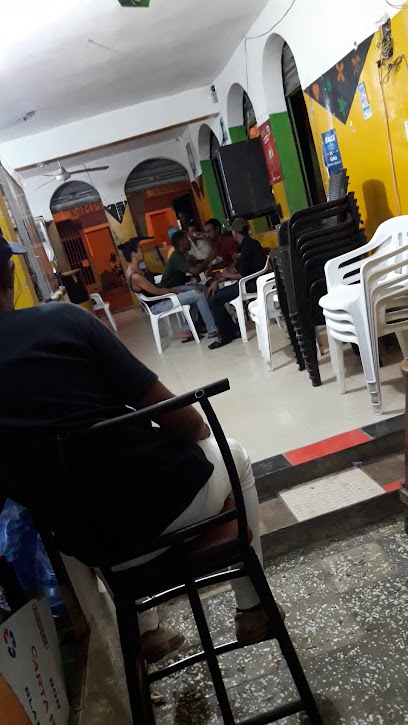
Danielito Hookah
0.6 km
Discover Barahona's vibrant nightlife at Danielito Hookah, where flavorful hookah and refreshing drinks await in a lively atmosphere.
La tiendita del humo
0.6 km
Experience the vibrant atmosphere of La Tiendita del Humo, a beloved bar in Barahona offering delightful drinks and a taste of local culture.
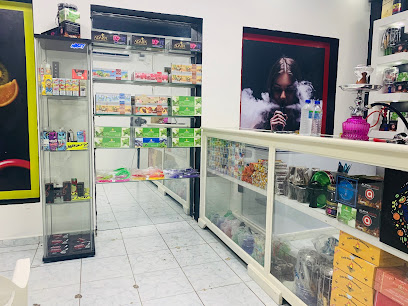
Cocco Bongo
0.7 km
Experience the vibrant nightlife of Barahona at Cocco Bongo, a premier disco club where every night is a celebration of music and dance.
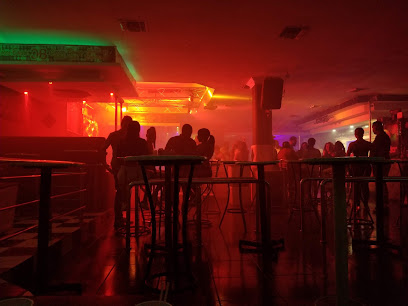
D' Sonia Drink
0.8 km
Experience the vibrant local culture at D' Sonia Drink, Barahona's go-to bar for refreshing beverages and socializing in a laid-back atmosphere.
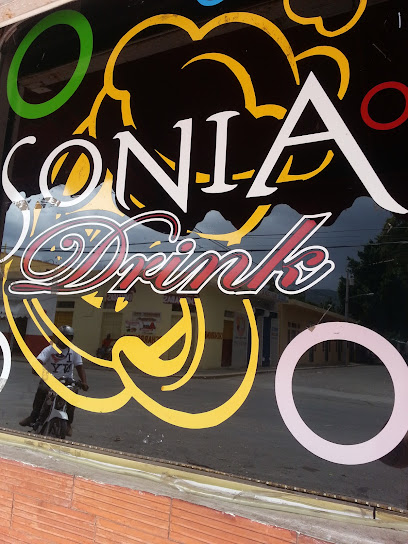
La Campiñita
0.8 km
Experience the lively atmosphere and refreshing drinks at La Campiñita, a must-visit bar in the heart of Barahona.
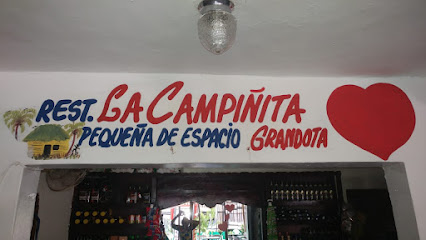
D' Pillay Full Drink
0.8 km
Experience the vibrant nightlife at D' Pillay Full Drink in Barahona, where delightful drinks and friendly vibes await every visitor.
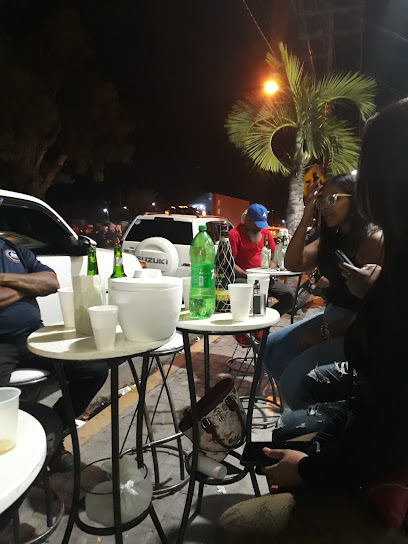
Bar José Video
0.8 km
Experience the essence of Dominican nightlife at Bar José Video, a vibrant bar in Barahona with refreshing drinks and lively entertainment.
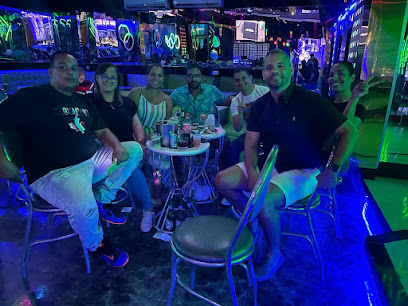
Billar La Casita
0.9 km
Experience the vibrant local culture at Billar La Casita, a lively bar in Barahona, offering refreshing drinks and authentic Dominican ambiance.
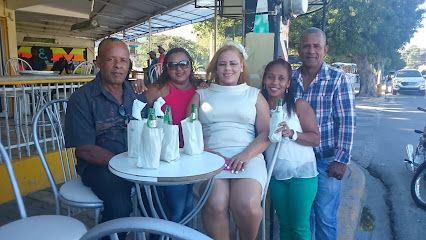
Nightclubs & after hour spots

Salón tia Rhud
0.4 km
Experience the vibrant atmosphere and local flavors at Salón Tia Rhud, Barahona's premier lounge destination for relaxation and socializing.
New York palace
0.6 km
Embrace the lively nightlife at New York Palace, Barahona's premier disco club, where the rhythms of the Dominican Republic come alive.
Salon Fifi
0.6 km
Discover relaxation at Salon Fifi, Barahona's premier lounge offering a cozy atmosphere perfect for unwinding after a day of adventure.
Barrio en riquillo
0.7 km
Experience the vibrant nightlife of Barahona at Barrio en Riquillo, where music and culture blend for an unforgettable evening.
PegazoSportBar
0.8 km
Discover the electrifying nightlife at Pegazo Sport Bar in Barahona, where music and dance create unforgettable memories.
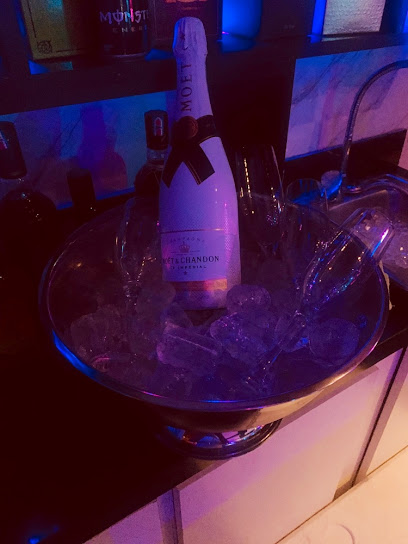
Galaxy Ps4 Club
1.0 km
Unleash your inner gamer at Galaxy Ps4 Club in Barahona, where nightlife meets gaming for an unforgettable experience.
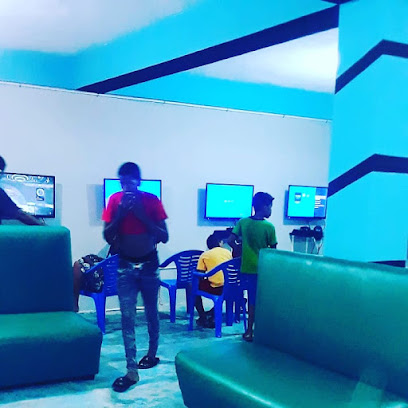
La Vega
1.0 km
Experience the vibrant nightlife of Barahona at La Vega, where infectious rhythms and lively dance floors await.
Kacu Matuta-Family #Pelukeria_BarBerShop
1.0 km
Discover the vibrant nightlife of Barahona at Kacu Matuta, where music, dance, and local culture come together in an unforgettable experience.
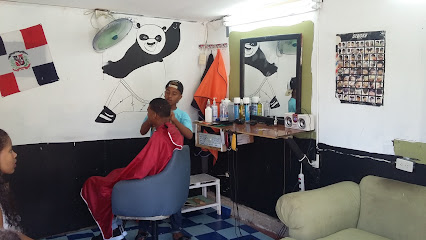
Drink La Neverita
13.2 km
Discover the vibrant nightlife at Drink La Neverita, a must-visit night club in Jaquimeyes for great music, affordable drinks, and a lively atmosphere.
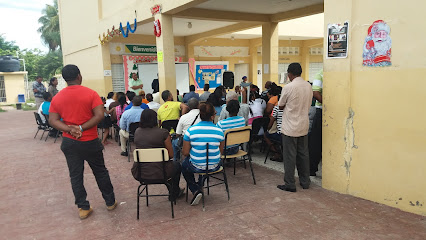
ALC
45.3 km
Experience the vibrant nightlife at ALC, Neyba's premier gay night club, where music, community, and joy come together for an unforgettable evening.
High class Discotec
45.4 km
Dive into the exhilarating nightlife at High Class Discotec, Neyba's premier destination for unforgettable dance and music experiences.
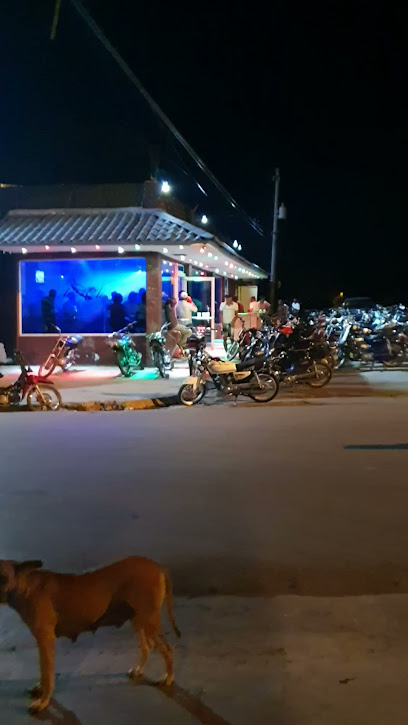
Kapu Disco
45.5 km
Experience the vibrant nightlife at Kapu Disco, Neyba's premier disco club for dancing, music, and unforgettable memories.
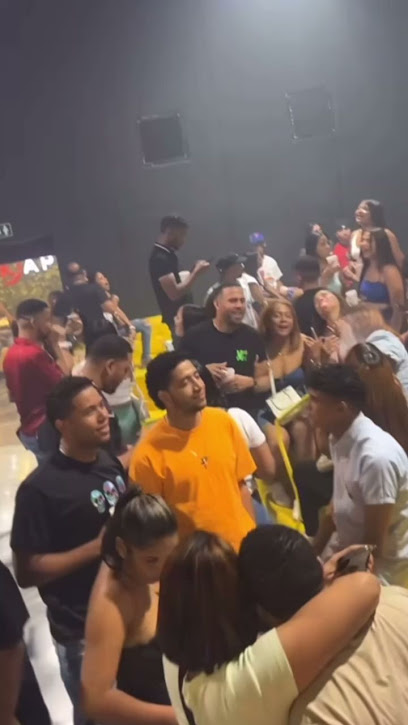
Seven to Seven Club
63.5 km
Unwind in style at Seven to Seven Club, where exquisite dining and vibrant nightlife meet in San Juan de la Maguana.
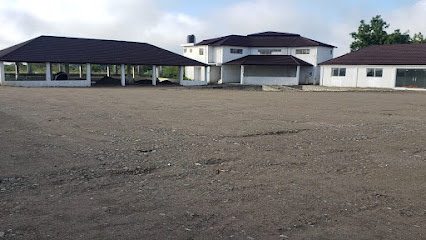
L' Cristal
67.9 km
Discover the heart of San Juan de la Maguana's nightlife at L' Cristal, where music and dance come alive in a vibrant setting.
Tragos Club Bar - Piscina - Lounge
69.4 km
Discover the vibrant nightlife at Tragos Club Bar in San Juan de la Maguana, where music, dance, and exquisite cocktails come together for an unforgettable experience.