

Alcázar de Colón, Central Mountain Range Travel Guide
Discover the opulent lifestyle of the Columbus family and the Spanish colonial elite at the Alcázar de Colón, a UNESCO World Heritage Site in Santo Domingo's Zona Colonial.
Step back in time at the Alcázar de Colón, the first fortified European palace in the Americas. Built between 1510 and 1514 for Diego Colón, son of Christopher Columbus, this impressive structure served as the viceregal residence and center of Spanish court life in the New World for over six decades. Explore its 22 restored rooms, adorned with period furniture, tapestries, and art, offering a captivating glimpse into the opulent lifestyle of the Columbus family and the Spanish colonial elite. Located in the heart of Santo Domingo's Zona Colonial, a UNESCO World Heritage Site, the Alcázar de Colón stands as a testament to the city's rich history and architectural grandeur. Wander through its halls and imagine the conquistadors, explorers, and dignitaries who once graced its rooms, shaping the destiny of the Americas. A visit to this iconic landmark is an essential experience for anyone seeking to immerse themselves in the captivating history of the Dominican Republic.
A brief summary to Alcázar de Colón
- Plaza de España, C. La Atarazana 2, Santo Domingo, Zona Colonial, 10212, DO
- Click to display
- Click to display
- Tuesday 10 am-6 pm
- Wednesday 10 am-6 pm
- Thursday 10 am-6 pm
- Friday 10 am-6 pm
- Saturday 10 am-6 pm
- Sunday 10 am-6 pm

Know before you go
Hi, I'm Eve. Here are a few practical things to know before exploring Alcázar de Colón.
- Visit early in the morning to avoid crowds and enjoy a more tranquil experience exploring the palace and its exhibits.
- Take advantage of the audio guide included with the entrance fee to learn about the history of the palace and its significance.
- Don't miss the panoramic views of the Ozama River and the Zona Colonial from the palace's upper levels.
- Wear comfortable shoes, as you'll be doing a lot of walking on cobblestone streets and uneven surfaces.
- Combine your visit with a stroll through the Plaza de España and explore other historical sites in the Zona Colonial.
Do you manage this location?
Take control to get all the benefits, like improved information, better appearance, and stronger visibility across AI-powered discovery. Learn more about listing your business on Evendo
Activate your presenceOther nearby places you may find interesting
The closest places of the same kind, if this one is not quite what you had in mind.

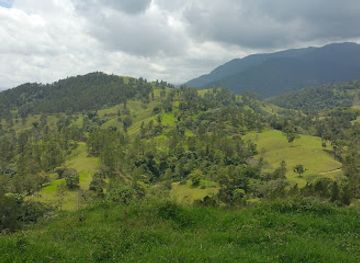
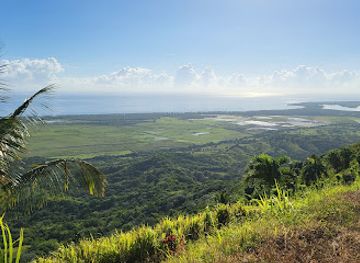
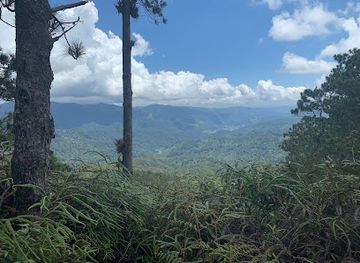
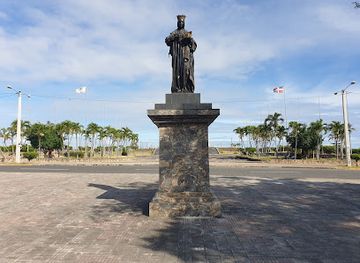
Explore Alcázar de Colón on the Map
A handpicked selection of must-see spots near Alcázar de Colón, mapped for you.
Getting There
-
Walking
The Alcázar de Colón is centrally located in the Zona Colonial, making it easily accessible on foot from many points of interest. From Parque Colón, head east along Calle Isabel la Católica, then turn right onto Calle La Atarazana. The Alcázar de Colón will be on your left, overlooking the Plaza de España. The walk is approximately 5-10 minutes, offering a pleasant stroll through the historic district.
-
Taxi/Ride-Share
Taxis and ride-sharing services are readily available throughout Santo Domingo. A short taxi ride from other parts of the Zona Colonial to the Alcázar de Colón will typically cost between RD$150 and RD$400 (US$3-US$7), depending on the distance and traffic conditions. Be sure to agree on the fare with the driver before starting your journey. Note that prices may be higher during peak hours or on weekends.
-
Public Transport
Several bus routes serve the Zona Colonial. Look for buses that stop near Parque Colón or along Avenida Francisco del Rosario Sánchez. From the bus stop, it's a short walk to the Alcázar de Colón. Bus fares are typically around RD$25-RD$35. While the bus system can be a cost-effective option, it may be less convenient for tourists unfamiliar with the routes.
Discover more about Alcázar de Colón













Your all‑in‑one travel companion app
Explore expert travel guides, compare and book tours, experiences, hotels, and more—all from the palm of your hand. Download now for seamless trip planning wherever your wanderlust takes you.


Explore More of Central Mountain Range
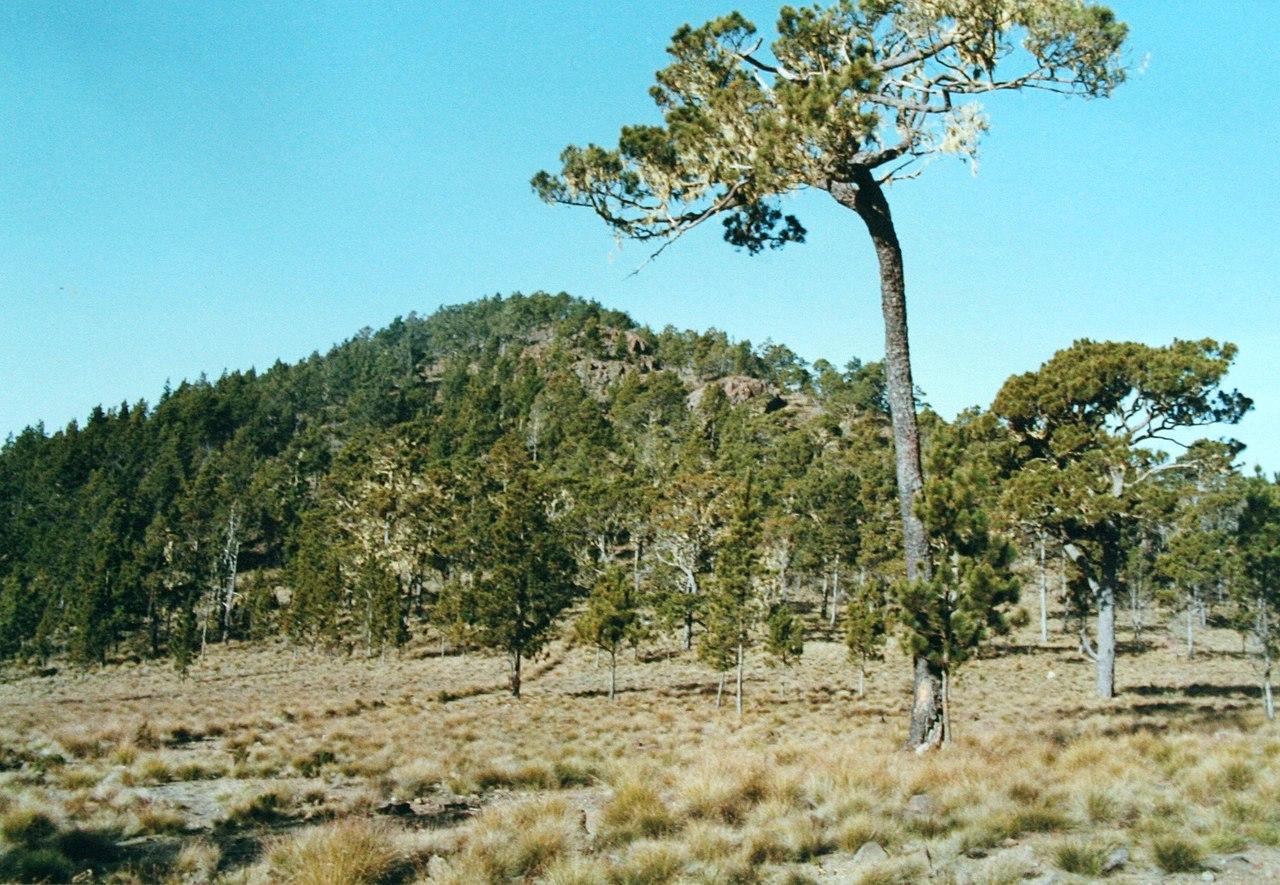
Looking beyond Alcázar de Colón? Discover Central Mountain Range for broader travel guides, local hot-spots, and regional highlights.
Explore Central Mountain Range