

Free Central Mountain Range Travel Guide & Mobile App
Explore Central Mountain Range with free travel guides. Discover regional history, expert tips, proposed trips, and audio guides on web or mobile app.


Explore the Dominican Republic’s Cordillera Central for Pico Duarte treks, cool valleys, pine forests, rivers, coffee and highland farming.
Read more about Central Mountain Range
When is the best time to visit Central Mountain Range?
Best: February–March, December · 20–21°C| Month | High (°C) | Rainfall (mm) |
|---|---|---|
| January | 20 | 101 |
| February (best) | 20 | 90 |
| March (best) | 21 | 100 |
| April | 22 | 111 |
| May | 22 | 120 |
| June | 23 | 131 |
| July | 23 | 140 |
| August | 23 | 131 |
| September | 22 | 120 |
| October | 22 | 111 |
| November | 21 | 100 |
| December (best) | 20 | 91 |
Getting to and around Central Mountain Range
How to get there
Transportation
Top city travel guides in Central Mountain Range
The cities of Central Mountain Range, and the easiest places to base yourself.
-

-

-


Swipe for more cities
Destinations in Central Mountain Range
Resorts, valleys and scenic spots worth a trip of their own.
-

-


Swipe for more destinations
Best attractions in Central Mountain Range
The Central Mountain Range offers a broad outdoor and highland travel experience rather than a concentration of conventional sightseeing. Jarabacoa is the main base for rafting on the Yaque del Norte, canyoning, horse riding, mountain biking and excursions to waterfalls such as Salto de Jimenoa. Constanza provides access to cool agricultural valleys, viewpoints, farm visits and the high-elevation landscapes of Valle Nuevo. The national parks around Pico Duarte attract trekkers on demanding routes through pine forest and upland terrain, generally with guides and organised camping logistics. Valle Nuevo is valuable for its unusual vegetation, cold climate and watershed landscapes, while other protected areas preserve rivers, forests and wildlife habitats. Visitors interested in rural life can explore coffee-growing areas, vegetable farms and roadside produce markets, although private land should be entered only with permission. The attraction landscape changes with altitude: river adventures and cultivated valleys dominate the lower districts, while the upper range is quieter, more exposed and dependent on weather. Families and less experienced walkers can choose short waterfall or viewpoint outings, whereas Pico Duarte and remote park trails require stronger preparation, appropriate equipment and more time.
-
Park
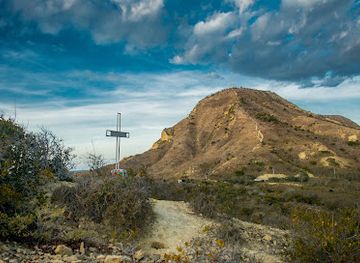
El Morro de Montecristi
Explore the natural beauty and historical significance of El Morro de Montecristi, a stunning national park in the Dominican Republic.
-
Park
Duarte Central Park
Explore Duarte Central Park in La Romana, a vibrant green oasis where culture and nature blend seamlessly for an unforgettable experience.
-
Mountain peak
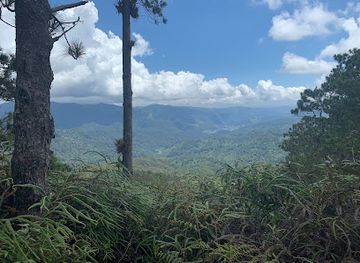
Pico Duarte
Explore Pico Duarte, the highest peak in the Dominican Republic, offering breathtaking views and vibrant biodiversity for nature lovers and adventurers.
-
Water park
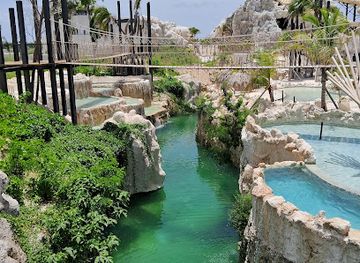
El Dorado Water Park
Experience the ultimate aquatic adventure at El Dorado Water Park in Punta Cana, featuring thrilling slides, lazy rivers, and family-friendly fun in the sun.
Best landmarks in Central Mountain Range
Pico Duarte is the defining natural landmark of the Central Mountain Range and the highest summit in the Caribbean, giving the region a national geographical importance that extends beyond its trekking appeal. The surrounding pine forests and high trails reveal how sharply the landscape changes above the cultivated valleys. Valle Nuevo is another significant landmark, recognised for its elevated plateau, distinctive vegetation, cold conditions and role as a major watershed. Its stone pyramids are a memorable roadside feature of the highland landscape, though the wider protected environment is more important than the monument alone. Near Jarabacoa, the Yaque del Norte and Jimenoa river corridors mark the town's setting between wooded slopes, while Salto de Jimenoa provides one of the range's best-known waterfall scenes. Constanza's broad basin, enclosed by mountain ridges and intensively cultivated fields, is itself a notable geographical landmark. Together these places express the range's defining contrasts: high summits, pine-clad terrain, river-cut valleys and productive agricultural basins.
-
Cultural landmark
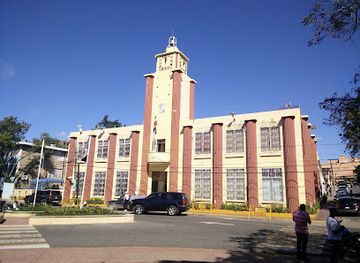
Monument to the Heroes of the Restoration
Explore the Monument to the Heroes of the Restoration, a breathtaking tribute to bravery and a cornerstone of Dominican heritage in Santiago.
-
Resort hotel
Bahia Principe Grand Bavaro
Experience a vibrant all-inclusive escape at Bahia Principe Grand Bavaro in Punta Cana, offering stunning beaches, diverse dining, and endless activities for families and couples seeking a memorable Caribbean getaway.
-
Park
Mirador Del Sur Joaquín Balaguer Park
Discover the natural beauty and vibrant culture of Santo Domingo at Mirador Del Sur Joaquín Balaguer Park, a perfect spot for relaxation and recreation.
-
Historical landmark
Columbus Park
Discover the historical charm of Columbus Park in Santo Domingo's Zona Colonial, a vibrant hub where history, culture, and local life converge amidst stunning colonial architecture.


Explore Central Mountain Range on the map
Plan your trip on one map. See where the top cities, national parks and sights are, and book hotels and experiences in a few clicks.
Best hotels in Central Mountain Range
Best restaurants in Central Mountain Range
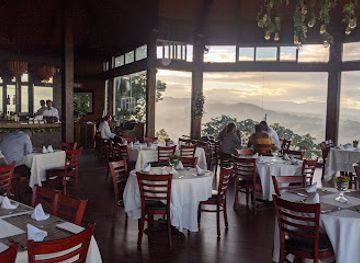
Eating in the Central Mountain Range combines Dominican comfort food with produce from its cooler agricultural districts. Local restaurants and mountain eateries commonly serve rice and beans, stewed chicken or pork, plantains, soups and grilled meats, often in generous, informal settings. Jarabacoa's visitor economy has encouraged a broader choice of cafés, pizzerias and contemporary restaurants, while Constanza is particularly associated with vegetables, potatoes, strawberries, flowers and other highland crops. Coffee from upland farms is an important regional taste, and roadside stalls may offer fresh fruit, preserves or farm produce, though quality and availability vary by season. In rural districts, lunch is often more dependable than late-evening dining, and menus may be limited to the day's ingredients. Dairy products, soups and hearty dishes suit the cooler climate at elevation. Visitors should ask whether produce is locally grown rather than assuming every farm-branded product comes from the immediate area.
-
Restaurant
Casa Vera
Discover Casa Vera in Santo Domingo - A delightful restaurant blending local flavors with international cuisine amidst a warm atmosphere.
-
Restaurant
El Mesón de la Cava
Discover El Mesón de la Cava: A unique cave dining experience in Santo Domingo offering exquisite local cuisine amidst stunning geological formations.
-
Restaurant
Camp David Ranch Restaurant
Experience unforgettable dining at Camp David Ranch Restaurant with local flavors and breathtaking views in the heart of the Dominican Republic.
-
Restaurant
Jamaca de Dios Restaurant
Experience authentic Dominican cuisine amidst stunning landscapes at Jamaca de Dios Restaurant in Jarabacoa.
Best bars in Central Mountain Range
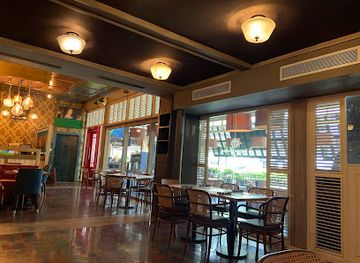
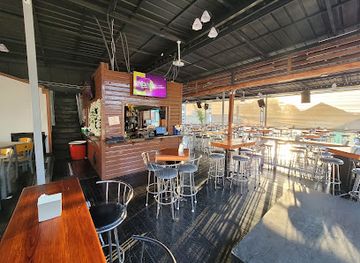
Nightlife in the Central Mountain Range is modest and town-focused rather than built around large resort clubs. Jarabacoa has the broadest evening choice, with restaurants, colmados, casual bars, music venues and places where visitors gather after river activities or mountain excursions. In Constanza, evenings tend to be quieter, centred on local restaurants, small bars and social venues serving residents and visitors. Rural communities may have little formal nightlife beyond a roadside eatery or colmado, and venues can be separated by winding roads rather than concentrated in a walkable entertainment district. Music and dancing remain part of Dominican social life, but visitors should not assume that every mountain town follows a late-night schedule. Craft drinks, coffee and food are often more practical evening interests than extensive clubbing, particularly in high-altitude areas where temperatures fall quickly after sunset.
-
Night club
Coco Bongo Punta Cana
Coco Bongo Punta Cana: A dazzling nightlife experience with spectacular shows and vibrant entertainment in the heart of the Dominican Republic.
-
Bar
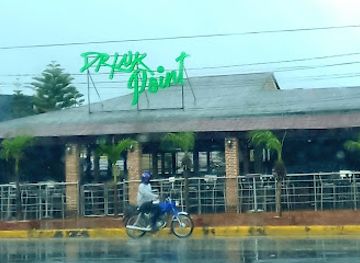
Drink Point Bavaro
Discover the pulsating nightlife at Drink Point Bavaro, a lively bar and disco in Punta Cana, where every night promises unforgettable memories.
-
Bar
La Posta Bar
Discover the vibrant nightlife at La Posta Bar in Santo Domingo, where cocktails and live music create an unforgettable atmosphere.
-
Bar
Ahí-Bar Café & Grill
Discover the vibrant atmosphere and delicious cuisine at Ahí-Bar Café & Grill, a premier bar in Santiago de los Caballeros, Dominican Republic.
Best nightclubs in Central Mountain Range
Nightlife in the Central Mountain Range is modest and town-focused rather than built around large resort clubs. Jarabacoa has the broadest evening choice, with restaurants, colmados, casual bars, music venues and places where visitors gather after river activities or mountain excursions. In Constanza, evenings tend to be quieter, centred on local restaurants, small bars and social venues serving residents and visitors. Rural communities may have little formal nightlife beyond a roadside eatery or colmado, and venues can be separated by winding roads rather than concentrated in a walkable entertainment district. Music and dancing remain part of Dominican social life, but visitors should not assume that every mountain town follows a late-night schedule. Craft drinks, coffee and food are often more practical evening interests than extensive clubbing, particularly in high-altitude areas where temperatures fall quickly after sunset.
-
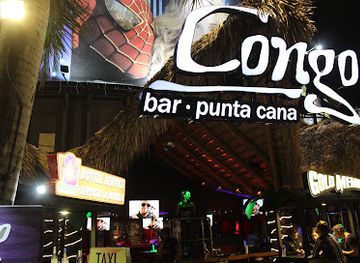
Night club
Coco Bongo Punta Cana
Experience the exhilarating nightlife at Coco Bongo Punta Cana, where electrifying shows and vibrant dance floors create unforgettable memories.
-
Disco club
Jet Set Club
Discover the vibrant nightlife at Jet Set Club, Santo Domingo's premier disco club, where music, dance, and unforgettable memories await.
-
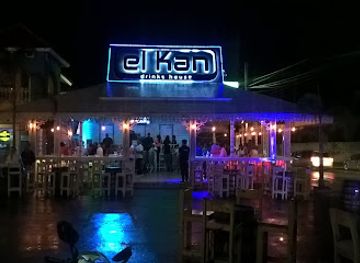
Disco club
El Kan Drink House
Experience the vibrant nightlife at El Kan Drink House, Punta Cana's premier disco club, where music, dance, and fun come together in a lively atmosphere.
-
Disco club
Imagine Punta Cana
Immerse yourself in the electrifying nightlife of Punta Cana at Imagine Punta Cana, the ultimate disco club experience.


Best shops in Central Mountain Range
Shopping in the Central Mountain Range is generally local and produce-oriented rather than centred on major retail complexes. Jarabacoa and Constanza have small town centres with supermarkets, independent shops, cafés and roadside stalls, while larger shopping requirements are usually better handled in gateway cities outside the highlands. Visitors can look for Dominican coffee, cocoa, honey, preserves, fruit products, vegetables and flowers from mountain-growing districts, but should check labelling when seeking genuinely local produce. Constanza is especially associated with farm goods, including strawberries when in season, whereas Jarabacoa has more visitor-oriented craft and souvenir outlets. Small markets and agricultural stalls are useful for snacks and gifts, although stock changes with harvests and weather. Practical purchases for trekking, such as water, food, rain protection and warm layers, should be made before heading towards remote trailheads because rural retail options are limited. Bargaining is not appropriate in every shop, so ask the price and pay in Dominican pesos unless another arrangement is clearly stated.
-
Shopping mall
Ágora Mall
Explore Ágora Mall: A Shopping and Dining Paradise in the Heart of Santo Domingo.
-
Shopping mall
Centro Comercial Galería 360
Explore the Centro Comercial Galería 360 for a unique shopping experience in Santo Domingo, blending local culture with global brands and delicious dining options.
-
Shopping mall
Sambil Santo Domingo
Discover the vibrant shopping, dining, and entertainment experience at Sambil Santo Domingo, the ultimate destination for tourists in the Dominican Republic.
-
Shopping mall
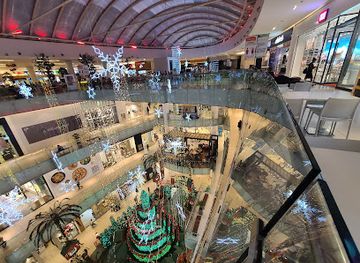
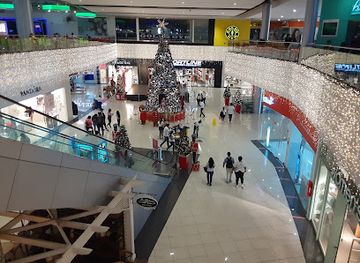
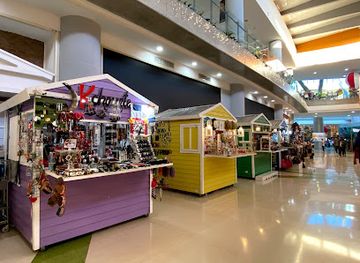
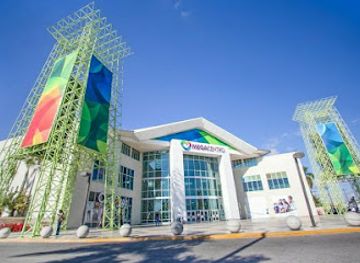
Megacentro
Explore Megacentro, Santo Domingo Este's largest shopping mall, featuring diverse stores, dining options, and entertainment for a perfect day out.
Get your free copy of our complete guide to Central Mountain Range, delivered straight to you.
Everything on this page, from attractions and restaurants to essentials and local phrases, in one PDF you can read offline, print or share.
Already have an account? Sign in
Your Central Mountain Range guide is ready.
We'll send it to · Not you? Sign out

Getting your guide ready…
We are putting together a fresh copy of the Central Mountain Range guide. This can take up to a minute.
This can take a few moments. If your browser asks, choose Allow so the download can start. You'll find the guide in your Downloads folder.
Nothing happened? Download it again
Sorry, the guide is taking longer than usual. Please try again in a minute, or get it by email instead.
Central Mountain Range essentials
Currency and Payment
Safety
Emergency Situations
Do's and Don'ts
Local Tips
From Eve
Local phrases worth knowing
You don't need to get them perfect. A few words go a long way, and locals appreciate the effort.
Basics
| English | Local | Say it |
|---|---|---|
| Hello | Hola | [Ola] |
| Goodbye | Adiós | [Adios] |
| Yes | Sí | [Si] |
| No | No | [No] |
| Please/You're welcome | Por favor/De nada | [Por favor/De nada] |
| Thank you | Gracias | [Grasias] |
| Excuse me/Sorry | Perdón/Lo siento | [Perdon/Lo siento] |
| How are you? | ¿Cómo estás? | [Como estas] |
| Fine. And you? | Bien. ¿Y tú? | [Bien. I tu] |
| Do you speak English? | ¿Hablas inglés? | [Hablas ingles] |
| I don't understand | No entiendo | [No entiendo] |
Eating & Drinking
| English | Local | Say it |
|---|---|---|
| I'd like to see the menu, please | Me gustaría ver el menú, por favor | [Me gustaria ver el menu, por favor] |
| I don't eat meat | No como carne | [No como carne] |
| Cheers! | ¡Salud! | [Salud] |
| I would like to pay, please | Me gustaría pagar, por favor | [Me gustaria pagar, por favor] |
Emergencies
| English | Local | Say it |
|---|---|---|
| Help! | ¡Ayuda! | [Ayuda] |
| Go away! | ¡Vete! | [Vete] |
| Call the Police! | ¡Llama a la Policía! | [Llama a la Policia] |
| Call a doctor! | ¡Llama a un médico! | [Llama a un medico] |
| I'm lost | Estoy perdido | [Estoy perdido] |
| I'm ill | Estoy enfermo | [Estoy enfermo] |
Shopping
| English | Local | Say it |
|---|---|---|
| I'd like to buy... | Me gustaría comprar... | [Me gustaria comprar] |
| I'm just looking | Solo estoy mirando | [Solo estoy mirando] |
| How much is it? | ¿Cuánto cuesta? | [Cuanto cuesta] |
| That's too expensive | Eso es muy caro | [Eso es muy caro] |
| Can you lower the price? | ¿Puedes bajar el precio? | [Puedes bajar el precio] |
Time & Numbers
| English | Local | Say it |
|---|---|---|
| What time is it? | ¿Qué hora es? | [Que hora es] |
| It's one o'clock | Es la una | [Es la una] |
| Half past (10) | Y media (10) | [Y media] |
| Morning | Mañana | [Mañana] |
| Afternoon | Tarde | [Tarde] |
| Evening | Noche | [Noche] |
| Yesterday | Ayer | [Ayer] |
| Today | Hoy | [Hoy] |
| Tomorrow | Mañana | [Mañana] |
| 1 | Uno | [Uno] |
| 2 | Dos | [Dos] |
| 3 | Tres | [Tres] |
| 4 | Cuatro | [Cuatro] |
| 5 | Cinco | [Cinco] |
| 6 | Seis | [Seis] |
| 7 | Siete | [Siete] |
| 8 | Ocho | [Ocho] |
| 9 | Nueve | [Nueve] |
| 10 | Diez | [Diez] |
Transport & Directions
| English | Local | Say it |
|---|---|---|
| Where's a/the...? | ¿Dónde está un/una...? | [Donde esta un/una] |
| What's the address? | ¿Cuál es la dirección? | [Cual es la direccion] |
| Can you show me (on the map)? | ¿Puedes mostrarme (en el mapa)? | [Puedes mostrarme en el mapa] |
| When's the next (bus)? | ¿Cuándo es el próximo (autobús)? | [Cuando es el proximo autobus] |
| A ticket (to ....) | Un billete (a....) | [Un billete a] |
History of Central Mountain Range
Taíno Presence and Mountain Landscapes
Before European colonisation, Taíno communities occupied the valleys, river corridors and foothills of the territory now crossed by the Cordillera Central. The mountains were also important as sources of water, forest resources and routes between different parts of Hispaniola. Archaeological evidence is more visible in selected lowland and valley locations than on the highest summits, but the range formed part of the wider Taíno landscape that shaped settlement and movement across the island. European conquest, disease, forced labour and subsequent population changes profoundly altered these communities during the sixteenth century.
Colonial Agriculture and Interior Settlement
Spanish colonial settlement concentrated first in the island's principal lowland centres, but cattle raising, timber extraction and small-scale farming gradually connected the mountain valleys to colonial markets. Rivers flowing from the Cordillera Central supported agriculture downstream, while passes through the range became useful routes between the Cibao and southern parts of Hispaniola. The interior remained less densely settled than the coast and major colonial towns, yet its valleys developed a lasting agricultural role that later encouraged the growth of communities such as Jarabacoa and Constanza.
Nineteenth-Century Nation Building
The central mountains formed part of the strategic interior during the Dominican Republic's struggles for independence and later political consolidation. Valleys linked to the Cibao became important for movement, provisioning and communication, while the difficult terrain offered defensive advantages during periods of conflict. After independence in 1844 and the Restoration War against Spanish annexation in the 1860s, roads and settlement gradually expanded into the highlands. The range's historic significance therefore lies not only in individual battle sites but also in its role as a natural barrier and corridor within the developing republic.
Coffee, Timber and Highland Farming
During the nineteenth and twentieth centuries, commercial agriculture became increasingly important in the Cordillera Central. Coffee grew on shaded slopes and became especially associated with upland districts, while timber extraction altered forests and supplied construction and fuel. In the higher basins, including Constanza, cooler conditions supported vegetables, potatoes, flowers and other crops unusual in the tropical lowlands. These industries drew roads, labour and markets into the mountains, while also creating long-term pressures on forests, watersheds and soils.
Constanza and the 1959 Anti-Trujillo Expedition
Constanza acquired national historical importance in June 1959, when an expedition opposing the dictatorship of Rafael Trujillo landed in the area after travelling from Cuba. The insurgents were quickly pursued by government forces, and the expedition was defeated, but the event became a notable precursor to the anti-Trujillo movement that eventually helped end the dictatorship in 1961. Its association with Constanza reflects the strategic isolation of the mountain basin as well as the region's place in the political history of the modern Dominican Republic.
Protected Areas and Conservation
The twentieth century brought growing recognition of the Cordillera Central's role as a national water source and reservoir of endemic biodiversity. Protected areas were established and expanded around Pico Duarte, Valle Nuevo and other highland ecosystems, including the José Armando Bermúdez and José del Carmen Ramírez national parks. Conservation has had to balance watershed protection, farming, tourism and the livelihoods of mountain communities. Today, the range's parks preserve pine forests, high-elevation habitats and headwaters that supply rivers serving much of the Dominican Republic.
Central Mountain Range in Photos
Browse through our photo collection highlighting the charm and character of the destination.
Neighbouring regions of Central Mountain Range
The closest regions to Central Mountain Range, if you have time for more than one.
-

-

-

-

-


Swipe for more regions
Explore more

Explore more of Dominican Republic
Explore the Dominican Republic: where pristine beaches, rich history, and vibrant culture converge in a Caribbean paradise.
Explore Dominican Republic