Parque Nacional Cotopaxi, Southern Sierra Travel Guide
Explore Ecuador's iconic Cotopaxi National Park: Hike volcanic slopes, discover glacial lakes, and witness unique Andean wildlife.
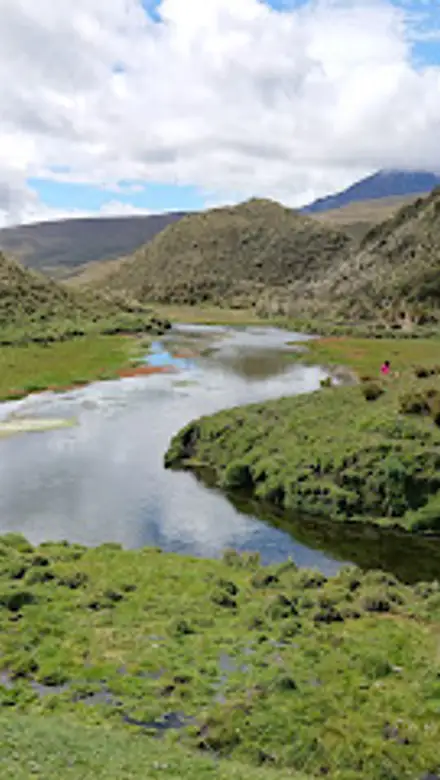
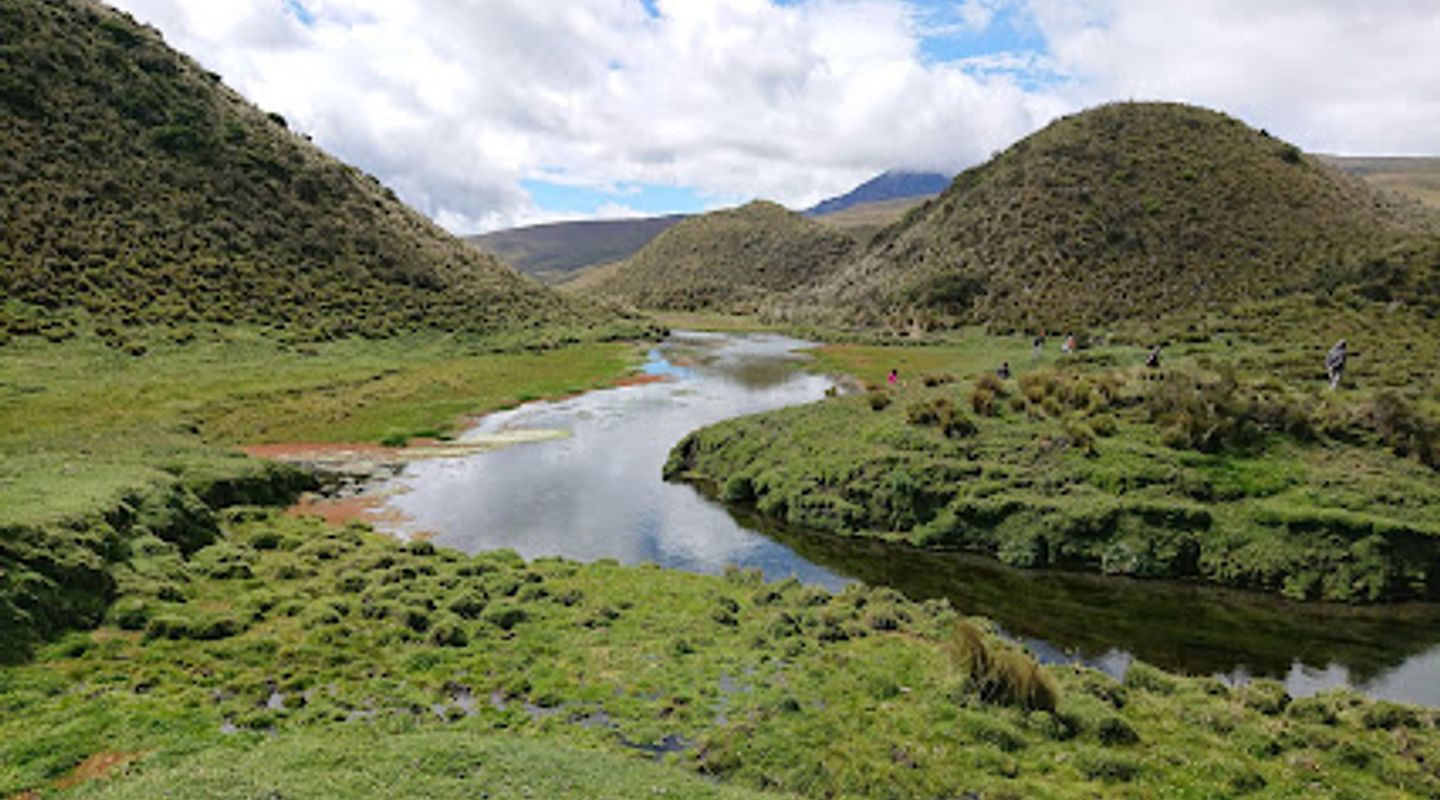
Cotopaxi National Park, surrounding the iconic Cotopaxi Volcano, offers stunning views and diverse landscapes in the Ecuadorian Andes. Explore glacial lakes, hike to mountain refuges, and witness unique high-altitude flora and fauna in this natural wonderland.
A brief summary to Parque Nacional Cotopaxi

Know before you go
Hi, I'm Eve. Here are a few practical things to know before exploring Parque Nacional Cotopaxi.
- Acclimatize to the altitude in Quito for a day or two before visiting the park to avoid altitude sickness.
- Bring layers of clothing as the weather can change rapidly, and temperatures can drop below freezing at night.
- Wear sunglasses and sunscreen to protect yourself from the intense equatorial sun at high altitude.
- Stay hydrated by drinking plenty of water to help prevent altitude sickness.
- Register with a park ranger at the entrance for safety and to receive park information.
Do you manage this location?
Take control to get all the benefits, like improved information, better appearance, and stronger visibility across AI-powered discovery. Learn more about listing your business on Evendo
Activate your presenceOther nearby places you may find interesting
The closest places of the same kind, if this one is not quite what you had in mind.


Explore Parque Nacional Cotopaxi on the Map
A handpicked selection of must-see spots near Parque Nacional Cotopaxi, mapped for you.
Unlock the Best of Parque Nacional Cotopaxi
Buy tickets
Book tours with entry


Getting There
-
Public Transport
From Quito, take a bus from Terminal Terrestre Quitumbe south towards Latacunga or Ambato. Ask the driver to drop you off at the El Chasqui entrance to Cotopaxi National Park (A la Ingressa del Parque Nacional Cotopaxi). The bus ride takes approximately 1.5 hours and costs around $2. From the entrance, hire a taxi or arrange for a local guide with a 4x4 to explore the park. A taxi to the park entrance and attractions within can cost $8-$15. Alternatively, from Guayaquil, take a bus to Latacunga (approx. $10-$12) and then another bus to Cotopaxi National Park ($3-$4).
-
Car
From Quito, take the Pan-American Highway (E35) south towards Latacunga. The main southern entrance (El Chasqui) is well-signposted. The drive takes about 1.5 hours. From the highway, it's about 15-20 km on unpaved roads to the park's control point. Alternatively, take the Pan-American Highway to Machachi and then to Güitig. A 4x4 vehicle is recommended, especially for reaching the Refugio, but a sedan can usually manage the southern entrance route if driven carefully. Parking is available at the Refugio trailhead.
Discover more about Parque Nacional Cotopaxi
More to explore near Parque Nacional Cotopaxi













Your all‑in‑one travel companion app
Explore expert travel guides, compare and book tours, experiences, hotels, and more—all from the palm of your hand. Download now for seamless trip planning wherever your wanderlust takes you.


Explore More of Southern Sierra
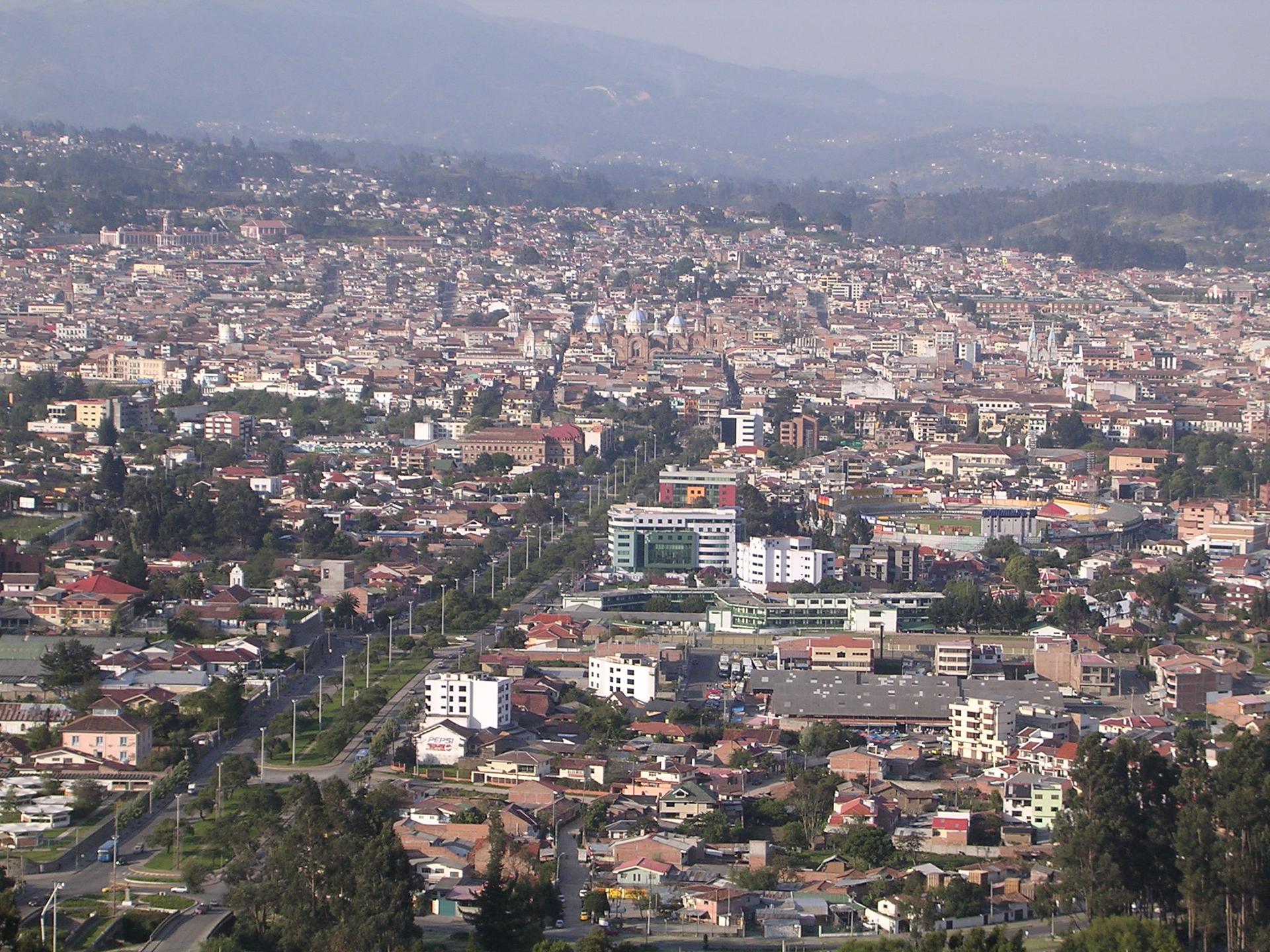
Looking beyond Parque Nacional Cotopaxi? Discover Southern Sierra for broader travel guides, local hot-spots, and regional highlights.
Explore Southern Sierra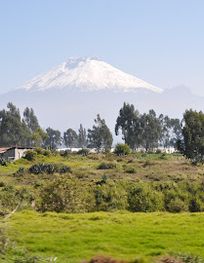
Experience the breathtaking beauty and adventure of Volcan Cotopaxi, one of the highest active volcanoes in the world, nestled in Ecuador's stunning national park.

Experience the breathtaking landscapes and rich culture of Morurco, a top tourist attraction in Tanicuchí, Ecuador.