

Free Southern Sierra Travel Guide & Mobile App
Explore Southern Sierra with free travel guides. Discover regional history, expert tips, proposed trips, and audio guides on web or mobile app.


Explore Southern Sierra Ecuador for Cuenca's heritage, Andean archaeology, high-altitude lakes, Indigenous culture and cloud-forest valleys.
Read more about Southern Sierra
When is the best time to visit Southern Sierra?
Best: July–September · 23–24°C| Month | High (°C) | Rainfall (mm) |
|---|---|---|
| January | 20 | 100 |
| February | 21 | 105 |
| March | 21 | 110 |
| April | 22 | 115 |
| May | 22 | 120 |
| June | 23 | 125 |
| July (best) | 23 | 130 |
| August (best) | 24 | 135 |
| September (best) | 23 | 130 |
| October | 23 | 125 |
| November | 22 | 120 |
| December | 22 | 115 |
Getting to and around Southern Sierra
How to get there
Transportation
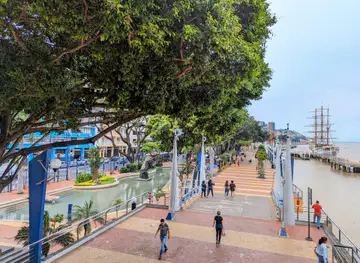
Top city travel guides in Southern Sierra
The cities of Southern Sierra, and the easiest places to base yourself.
-
-

-


Swipe for more cities
Best attractions in Southern Sierra
Southern Sierra's attractions range from urban heritage to high-altitude wilderness. Cuenca's historic centre provides churches, museums, plazas and streets of colonial and Republican architecture, while nearby Azuay offers craft towns such as Gualaceo and Chordeleg. In Cañar, Ingapirca is the region's most important archaeological visit, revealing the meeting of Cañari and Inca traditions. El Cajas National Park, west of Cuenca, is suited to hiking among glacial lakes, wetlands and páramo vegetation, though altitude and weather make preparation essential. Around Loja, visitors can explore cultural institutions, market towns and the warmer landscapes leading towards Vilcabamba. The southern approaches to Podocarpus National Park offer forest trails and birdwatching in a markedly different ecosystem. Rural churches, weaving communities, small museums and food markets add depth between the major sites, while long-distance road journeys reveal sharp changes in climate and vegetation.
-
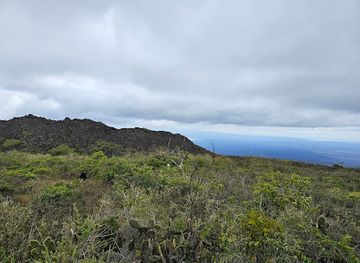
Volcano
Sierra Negra
Discover the breathtaking landscapes and unique wildlife of Sierra Negra, a captivating volcano in the Galápagos Islands, Ecuador.
-
Tourist attraction
Volcano Sierra Negra El Cura station
Discover the stunning Sierra Negra Volcano: a majestic attraction in Ecuador, perfect for hikers and nature lovers seeking breathtaking views.
-
Heritage preservation
Churo de Amanta
Explore the rich cultural heritage of Churo de Amanta in Sigchos, Ecuador, a hidden gem that offers an authentic glimpse into local traditions and history.

Best landmarks in Southern Sierra
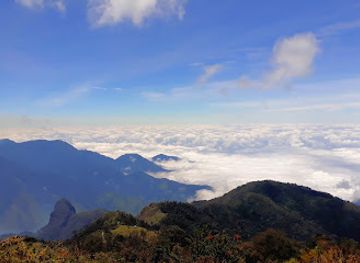
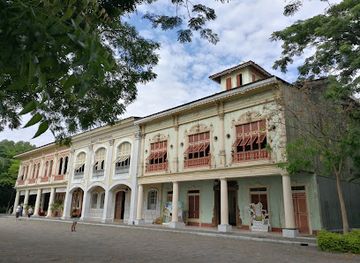
Cuenca's cathedral domes, historic churches and arcaded streets form the most recognisable built landscape of Southern Sierra, with the blue-domed New Cathedral and the older El Sagrario church illustrating different periods of the city's development. The stone complex at Ingapirca in Cañar is the region's most significant archaeological landmark, particularly notable for its refined masonry and the elliptical structure associated with Inca construction. In the countryside, the highland lakes and rounded ridges of El Cajas create a defining natural landscape rather than a single monument. Loja's cathedral and historic civic centre anchor the southern provincial capital, while the ridge-and-valley setting around Vilcabamba gives the town its distinctive geographical identity. Saraguro's churches, streets and surrounding agricultural landscape are significant within a living Indigenous cultural region. The cloud forests protected by Podocarpus National Park provide another landmark-scale feature: a meeting zone between high Andean slopes and southern montane ecosystems.
-
 Monument
Middle of the World City
Experience the thrill of straddling the world at Ecuador's Mitad del Mundo, a monument to geography and culture near Quito.
-
Historical landmark
Independence Square
Discover Quito's heart at Independence Square: a historic landmark surrounded by colonial architecture and vibrant Ecuadorian culture.
-
Tourist attraction
La Casa del Arbol
Discover the thrilling beauty of La Casa del Arbol in Baños, Ecuador - where adventure meets breathtaking landscapes.
-
Tourist attraction
Guayaquil Historical Park
Discover Guayaquil's past and present: wildlife, architecture, and traditions await in this captivating historical park.


Explore Southern Sierra on the map
Plan your trip on one map. See where the top cities, national parks and sights are, and book hotels and experiences in a few clicks.
Best hotels in Southern Sierra
Best restaurants in Southern Sierra
Dining in Southern Sierra is grounded in Andean grains, maize, potatoes, pork and locally grown vegetables, with regional variations between cold uplands and warmer valleys. In Cuenca, traditional restaurants and market stalls serve dishes including mote pillo, mote sucio, hornado, tamales and hearty soups; mote is hominy corn and a staple of highland cuisine. Loja is associated with repe lojano, a comforting green-banana and cheese soup, along with cecina and other pork dishes. Rural eateries and market cafés are often the best places to try these foods at modest prices, while contemporary restaurants in Cuenca and Loja reinterpret local ingredients alongside international cooking. Fruit, coffee and sugar-cane products become more common in lower valleys around Vilcabamba and Catamayo. Look for small bakeries, fresh juices and regional cheeses, and remember that menus and opening patterns can be less predictable outside the main cities.
-
Restaurant
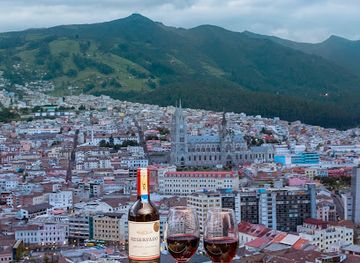
Vista Hermosa (ITCHIMBIA)
Experience exquisite dining at Vista Hermosa in Quito, where breathtaking views meet delightful culinary creations.
-
Ecuadorian
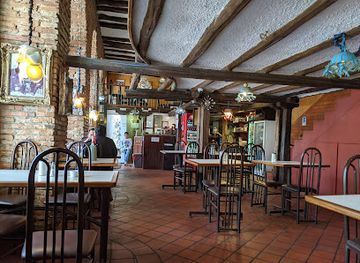
Raymipampa Restaurant
Experience authentic Ecuadorian cuisine at Raymipampa Restaurant in Cuenca, where tradition meets flavor in a charming setting near the Cathedral.
-
Ecuadorian
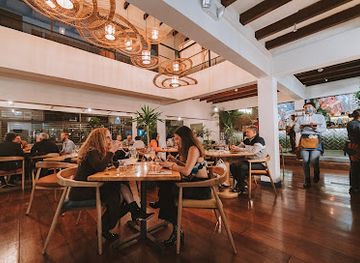
Somos Ecuador Restaurante
Experience authentic Ecuadorian cuisine at Somos Ecuador Restaurante in Quito, where tradition meets innovation in every delicious dish.
-
Fine Dining
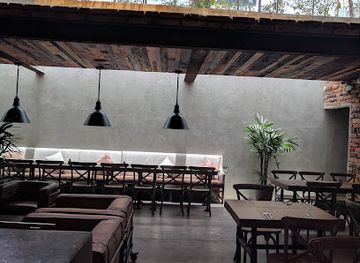
Zazu
Discover Zazu: A fine dining gem in Quito blending traditional Ecuadorian flavors with modern culinary artistry.
Best bars in Southern Sierra
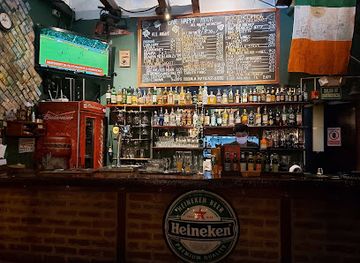
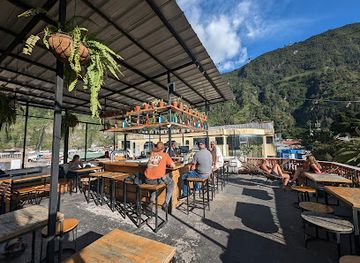
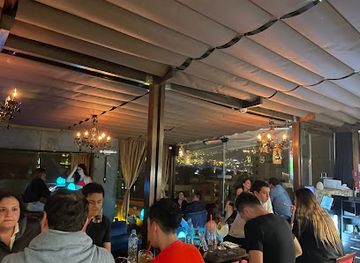
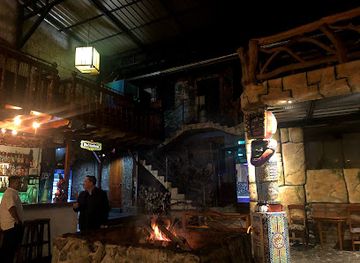
Evening life is concentrated in Cuenca and Loja rather than spread evenly across the mountains. Cuenca has the region's broadest choice of traditional bars, craft-beer venues, cafés, restaurants and live-music spaces, with activity around the historic centre and newer districts. Loja's nightlife is influenced by its university population and musical culture, combining restaurants, cafés, bars and occasional live performances. In smaller towns such as Gualaceo, Cañar and Saraguro, evenings are generally quieter and centre on family restaurants, local bars and community events rather than dedicated clubs. Vilcabamba has a modest international and backpacker-oriented scene, with casual bars and music at selected venues, but it remains a valley town rather than a major party destination. Check local arrangements directly, as venues and schedules can change, and do not drive after drinking on winding mountain roads.
-
Irish pub
Finn McCool's Irish Pub
Discover the charm of Finn McCool's Irish Pub in Quito, where Irish hospitality meets Ecuadorian warmth, perfect for a vibrant night out or a hearty brunch.
-
Bar
Shot Me Cumbaya
Enjoy a lively nightlife experience at Shot Me Cumbaya, where vibrant music and refreshing drinks create unforgettable memories in Cumbayá.
-
Bar
Crater Rooftop Bar
Discover breathtaking views and exquisite cocktails at Crater Rooftop Bar in Ambato, a perfect spot for relaxation and enjoyment.
-
Bar
Vértigo Rooftop
Discover Vértigo Rooftop, a vibrant bar in Quito offering breathtaking views, delicious cocktails, and a cozy atmosphere for unforgettable evenings.

Best nightclubs in Southern Sierra
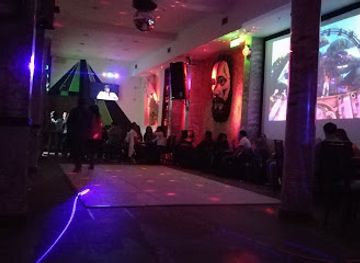
Evening life is concentrated in Cuenca and Loja rather than spread evenly across the mountains. Cuenca has the region's broadest choice of traditional bars, craft-beer venues, cafés, restaurants and live-music spaces, with activity around the historic centre and newer districts. Loja's nightlife is influenced by its university population and musical culture, combining restaurants, cafés, bars and occasional live performances. In smaller towns such as Gualaceo, Cañar and Saraguro, evenings are generally quieter and centre on family restaurants, local bars and community events rather than dedicated clubs. Vilcabamba has a modest international and backpacker-oriented scene, with casual bars and music at selected venues, but it remains a valley town rather than a major party destination. Check local arrangements directly, as venues and schedules can change, and do not drive after drinking on winding mountain roads.
-
Disco club
Discoteca Nidia Fuzzion Party
Immerse yourself in the vibrant nightlife of Cuenca at Discoteca Nidia Fuzzion Party, a lively disco club with great music and an energetic atmosphere.
-
Disco club
Pecado Morlaco
Discover the electrifying nightlife of Pecado Morlaco in Cuenca, where music, dance, and culture come alive in a vibrant disco club atmosphere.
-
Disco club
Volcan Bar Disc
Unleash your spirit at Volcan Bar Disc, Baños' ultimate disco destination, where lively beats and vibrant crowds create unforgettable nightlife experiences.
-
Disco club
Cocoa By Tenta
Experience the electrifying nightlife at Cocoa By Tenta, Riobamba's premier disco club, where music, dancing, and fun come alive.


Best shops in Southern Sierra
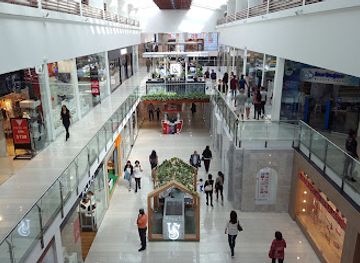
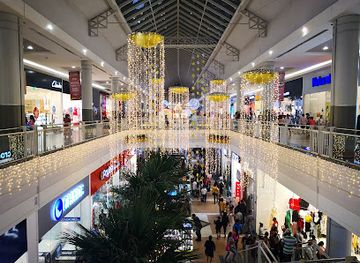
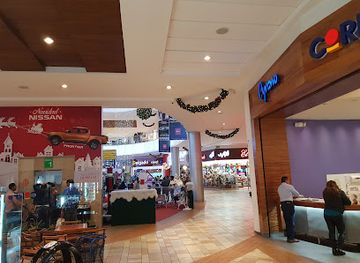
Cuenca offers the region's widest range of shopping, from central market halls and independent craft shops to galleries, bookshops and contemporary retail. Traditional textiles, ceramics, leather goods and decorative crafts are widely available, although quality and provenance vary, so buying directly from established workshops can provide better context. Gualaceo is associated with woven goods and local handicrafts, while Chordeleg is particularly known for silver jewellery and filigree work. Loja's markets are useful for fresh produce, regional foods, woven items and practical everyday goods rather than luxury shopping. In Saraguro, visitors may find textiles and crafts connected to local Indigenous traditions, but should purchase respectfully and avoid treating cultural clothing as a costume. Coffee, chocolate, preserves, cheeses and other food products from the southern valleys make practical regional gifts. Markets are generally more rewarding for local character than souvenir stalls concentrated around major attractions.
-
Shopping mall
Quicentro
Discover Quicentro, Quito's premier shopping mall, blending local culture with a world-class retail experience.
-
Shopping mall
Mall del Sol
Discover the ultimate shopping experience at Mall del Sol, Guayaquil's vibrant shopping hub with diverse stores, dining, and entertainment options.
-
Shopping mall
Condado Shopping
Discover Condado Shopping in Quito: A vibrant shopping mall with a mix of local and international brands, dining, and entertainment for every traveler.
-
Shopping mall
El Jardín Mall
Discover a vibrant shopping experience at El Jardín Mall in Quito, featuring trendy boutiques, diverse dining, and exciting entertainment options.
Get your free copy of our complete guide to Southern Sierra, delivered straight to you.
Everything on this page, from attractions and restaurants to essentials and local phrases, in one PDF you can read offline, print or share.
Already have an account? Sign in
Your Southern Sierra guide is ready.
We'll send it to · Not you? Sign out

Getting your guide ready…
We are putting together a fresh copy of the Southern Sierra guide. This can take up to a minute.
This can take a few moments. If your browser asks, choose Allow so the download can start. You'll find the guide in your Downloads folder.
Nothing happened? Download it again
Sorry, the guide is taking longer than usual. Please try again in a minute, or get it by email instead.
Southern Sierra essentials
Currency and Payment
Safety
Emergency Situations
Do's and Don'ts
Local Tips
From Eve
Local phrases worth knowing
You don't need to get them perfect. A few words go a long way, and locals appreciate the effort.
Basics
| English | Local | Say it |
|---|---|---|
| Hello | Hola | [OH-lah] |
| Goodbye | Adiós | [ah-DYOS] |
| Yes | Sí | [SEE] |
| No | No | [NO] |
| Please/You're welcome | Por favor | [por fah-BOR] |
| Thank you | Gracias | [GRAH-syahs] |
| Excuse me/Sorry | Perdón | [pair-DON] |
| How are you? | ¿Cómo estás? | [KOH-moh es-TAS] |
| Fine. And you? | Bien. ¿Y tú? | [BYEN. Ee TOO] |
| Do you speak English? | ¿Hablas inglés? | [AH-blas een-GLES] |
| I don't understand | No entiendo | [NO en-TYEN-do] |
Eating & Drinking
| English | Local | Say it |
|---|---|---|
| I'd like to see the menu, please | Me gustaría ver el menú, por favor | [may goos-TAH-ree-ah VER el men-OO, por fah-BOR] |
| I don't eat meat | No como carne | [NO KOH-mo KAR-neh] |
| Cheers! | ¡Salud! | [sah-LOOD] |
| I would like to pay, please | Me gustaría pagar, por favor | [may goos-TAH-ree-ah pah-GAR, por fah-BOR] |
Emergencies
| English | Local | Say it |
|---|---|---|
| Help! | ¡Ayuda! | [ah-YOO-dah] |
| Go away! | ¡Vete! | [VEH-teh] |
| Call the Police! | ¡Llama a la policía! | [YAH-ma ah lah poh-lee-SEE-ah] |
| Call a doctor! | ¡Llama a un doctor! | [YAH-ma ah oon dok-TOR] |
| I'm lost | Estoy perdido | [es-TOY pair-DEE-do] |
| I'm ill | Estoy enfermo | [es-TOY en-FER-mo] |
Shopping
| English | Local | Say it |
|---|---|---|
| I'd like to buy... | Quisiera comprar... | [kee-SYEH-rah kom-PRAR] |
| I'm just looking | Solo estoy mirando | [SO-lo es-TOY mee-RAN-do] |
| How much is it? | ¿Cuánto cuesta? | [KWAN-to KWEH-stah] |
| That's too expensive | Eso es muy caro | [EH-so es MOOY KAR-oh] |
| Can you lower the price? | ¿Puedes bajar el precio? | [PWEH-des bah-HAR el PREH-syo] |
Time & Numbers
| English | Local | Say it |
|---|---|---|
| What time is it? | ¿Qué hora es? | [KEH OR-ah es] |
| It's one o'clock | Es la una | [es lah OO-nah] |
| Half past (10) | Y diez y media | [ee DYAS ee MEH-dee-ah] |
| Morning | Mañana | [mah-NYAH-nah] |
| Afternoon | Tarde | [TAR-deh] |
| Evening | Noche | [NOH-cheh] |
| Yesterday | Ayer | [ah-YER] |
| Today | Hoy | [OY] |
| Tomorrow | Mañana | [mah-NYAH-nah] |
| 1 | Uno | [OO-no] |
| 2 | Dos | [DOS] |
| 3 | Tres | [TRES] |
| 4 | Cuatro | [KWAT-ro] |
| 5 | Cinco | [SEEN-ko] |
| 6 | Seis | [SAYS] |
| 7 | Siete | [SYEH-teh] |
| 8 | Ocho | [OH-cho] |
| 9 | Nueve | [NWEH-beh] |
| 10 | Diez | [DYAS] |
Transport & Directions
| English | Local | Say it |
|---|---|---|
| Where's a/the...? | ¿Dónde está...? | [DON-deh es-TAH] |
| What's the address? | ¿Cuál es la dirección? | [KWAL es lah dee-rek-SYON] |
| Can you show me (on the map)? | ¿Puedes mostrarme (en el mapa)? | [PWEH-des mos-TRAR-me (en el MAH-pah)] |
| When's the next (bus)? | ¿Cuándo es el próximo (autobús)? | [KWAN-doh es el PROK-see-mo (ow-toh-BOOS)] |
| A ticket (to ....) | Un boleto (a ....) | [OON boh-LEH-to (ah ....)] |
History of Southern Sierra
Early Andean Communities and Cañari Heritage
Long before the Inca expansion, southern Ecuador was home to agricultural and trading communities, including the Cañari, whose influence was especially strong in the highlands of present-day Cañar and Azuay. They cultivated mountain valleys, managed diverse ecological zones and maintained settlements connected by regional routes. Archaeological remains, earthworks and continuing cultural traditions provide evidence of societies adapted to the demanding Andean environment. Cañari heritage remains particularly important in the identity of communities around Cañar and Ingapirca, although modern Indigenous culture should not be reduced to archaeological remains alone.
The Inca Expansion and Ingapirca
The Inca state expanded into the southern Ecuadorian Andes during the late fifteenth century, incorporating or contesting existing Cañari territories. Ingapirca, near the town of Cañar, became the most prominent surviving ceremonial and administrative complex associated with this period. Its precisely fitted stonework, elliptical structure and strategic position reflect the encounter between local Cañari traditions and imperial Inca organisation. The conquest was relatively recent when Spanish forces arrived, and the region's later history continued to be shaped by the complex relationships among Indigenous communities, colonial authorities and competing political powers.
Spanish Conquest and Colonial Settlement
Spanish rule reorganised southern Ecuador through new towns, Catholic institutions, landholding systems and labour demands. Cuenca was founded in 1557 near the earlier Inca settlement of Tomebamba and developed as a regional administrative and commercial centre. Churches, convents and planned streets became visible expressions of colonial power, while Indigenous communities continued to sustain agricultural, craft and communal systems under difficult conditions. Colonial routes linked the highlands with coastal and Amazonian regions, helping establish the trading and cultural networks that still influence the relationship between Cuenca, Loja and surrounding valleys.
Cuenca, Loja and the Independence Period
The cities of Cuenca and Loja participated in the political upheavals that ended Spanish colonial rule in the early nineteenth century. Cuenca declared independence in 1820, while Loja and other southern settlements experienced the shifting loyalties and military pressures of the wider independence campaigns. After Ecuador became a republic, both cities served as provincial centres and developed civic institutions, schools and churches in styles that combined colonial foundations with Republican architecture. Their historic centres preserve this layered urban history rather than representing a single, unchanged colonial period.
Cattle, Agriculture and Regional Markets
For much of the nineteenth and twentieth centuries, the southern highlands depended on agriculture, livestock, weaving and regional trade. Farm production varied with altitude, from potatoes, maize and barley in colder districts to fruit, sugar cane and coffee in warmer valleys. Market towns connected rural producers with Cuenca, Loja and smaller settlements, while mule routes gradually gave way to roads. These economic patterns helped shape the region's dispersed settlement and continue in contemporary markets, although migration, urban growth and changing employment have altered many rural communities.
Craft Traditions and Modern Regional Identity
Southern Sierra towns developed distinctive craft economies alongside agriculture. Gualaceo and Chordeleg became noted for weaving, jewellery and other artisanal work, while Saraguro retained strong textile and Indigenous cultural traditions. Loja built a particular reputation within Ecuador for music, education and literary life, and Cuenca became a major centre for arts, universities and heritage conservation. These traditions are not merely historical displays: workshops, markets, festivals and family businesses continue to connect cultural identity with contemporary livelihoods, even as artisans respond to tourism and changing markets.
Protected Landscapes and Conservation
During the twentieth century, Ecuador increasingly recognised the ecological importance of the southern Andes. El Cajas was protected as a national park because of its páramo wetlands, glacial lakes and role in supplying water to the Cuenca area. Podocarpus National Park, established in 1982, protects an exceptional transition between Andean environments and lower montane forests in the southern provinces. Conservation has brought greater attention to watershed protection, endemic species and responsible trekking, while also highlighting the need to balance visitor access with the rights and livelihoods of nearby communities.
Southern Sierra in Photos
Browse through our photo collection highlighting the charm and character of the destination.
Neighbouring regions of Southern Sierra
The closest regions to Southern Sierra, if you have time for more than one.
-

-

-
-

-


Swipe for more regions
Explore more

Explore more of Ecuador
Explore Ecuador: From the Amazon rainforest and Andean highlands to the Pacific coast and Galápagos Islands, discover diverse landscapes and vibrant cultures.
Explore Ecuador