
Fatimid Cemetery: Echoes of Islamic History in Aswan
Explore ancient Islamic tombs in Aswan's Fatimid Cemetery, a unique architectural and historical site dating back centuries.
The Fatimid Cemetery in Aswan is a historical burial ground with mud-brick domed tombs dating back to the Fatimid period (9th-12th centuries). It offers a glimpse into the Islamic history of Egypt, showcasing unique architectural styles and the cultural significance of the Fatimid era.
A brief summary to Cemetery Fatimid 2
- 3WV3+48G، أسوان، شياخة ثالثة، قسم أسوان،, Aswan 1, Sheyakhah Thalethah, Aswan Governorate, EG
Local tips
- Visit during the early morning or late afternoon for the best light and a cooler experience.
- Wear comfortable shoes, as the terrain can be uneven.
- Respect the site's cultural and historical significance by dressing modestly.
- Bring water, especially during the hotter months.
- Combine your visit with a trip to the nearby Nubian Museum to enhance your understanding of the region's history.

Getting There
-
Taxi
From central Aswan, a taxi is the most convenient way to reach the Fatimid Cemetery, located in the Anani area. Negotiate the fare before starting your journey. A typical short taxi ride within Aswan costs approximately 27.5 EGP for 5km.
-
Public Transport
Local microbuses or public buses are a budget-friendly option. Check for routes heading towards the Anani area. The fare is very economical. From the drop-off point, a short walk may be required to reach the cemetery.
Discover more about Cemetery Fatimid 2
Iconic landmarks you can’t miss

مقام الشيخ ابراهيم
0.5 km
Discover the spiritual serenity and architectural beauty of مقام الشيخ ابراهيم, a cultural gem in the heart of Aswan.

حديقه اسلام الزيات 2
0.5 km
Discover tranquility at Islam El Zayat Garden in Aswan, a lush paradise offering stunning flowers and serene pathways for relaxation.
Gghhh
0.6 km
Experience the architectural beauty and historical significance of the Dome of Gghhh in Aswan, a gem of Egypt's rich cultural heritage.
السد العالي شرق
0.6 km
Visit the Aswan High Dam: An iconic engineering marvel offering insights into Egypt's modern development and control of the Nile River.
Geologist
0.6 km
Discover the serene beauty of Geologist Garden in Aswan, a perfect retreat for nature lovers seeking tranquility and picturesque landscapes in Egypt.
مقام العناني
0.6 km
Explore the serene Maqam Al-Anani cemetery in Aswan, a tranquil tribute to Egypt's rich culture and history amidst breathtaking landscapes.
جزيرة ابو دراج القطاني
0.6 km
Discover the serene beauty of Abu Draj Island, a tranquil park in Aswan offering lush landscapes and stunning Nile views, perfect for relaxation and nature lovers.
ferial garden
0.6 km
Escape to Aswan's Ferial Garden: A serene oasis with Nile views, lush greenery, and a touch of local culture in the heart of the city.
جزيرة ألفنتين اسوان
0.6 km
Explore ancient temples, Nubian villages, and stunning Nile views on Aswan's captivating Elephantine Island. A blend of history, culture, and tranquility.
وائل كيرلس
0.6 km
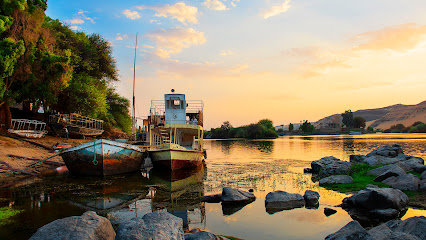
Discover stunning hiking trails with panoramic views in Aswan's hidden gem, perfect for nature enthusiasts and casual walkers alike.
مسجد كاتول
0.6 km
Discover the architectural beauty and spiritual serenity of مسجد كاتول, a cultural gem in the heart of Aswan, Egypt.
متنزة مسجد بدر بالطابيه
0.6 km
Discover tranquility at Badr Mosque Park in Aswan, where serene landscapes meet cultural richness for a peaceful escape.
Sharia as Souq Market السياحي
0.6 km
Experience the authentic vibe of Aswan at Sharia as Souq Market, a treasure trove of Nubian crafts, spices, and Egyptian souvenirs.
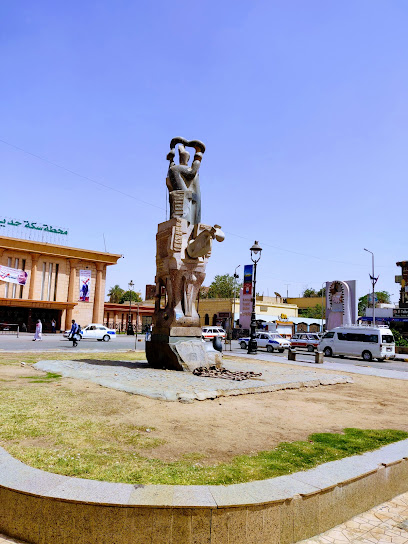
مقام السيدة نفيسة
0.6 km
Discover the serene resting place of Sayyida Nafisa in Aswan, a cultural gem rich in Islamic history and spiritual significance.
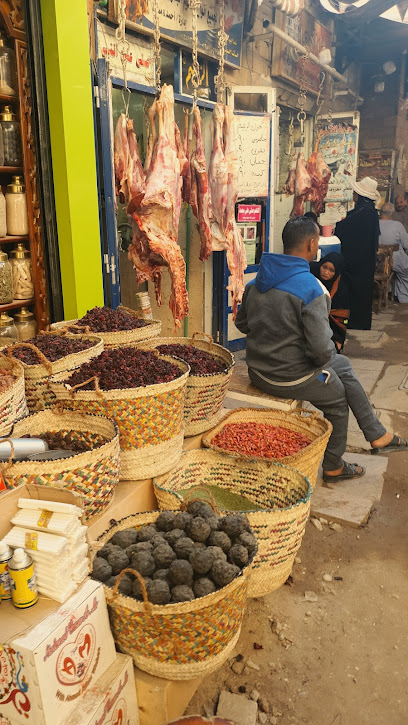
ادفو شرع الكبري
0.6 km
Discover tranquility at ادفو شرع الكبري, Aswan's lush arboretum. Explore diverse flora and enjoy a peaceful retreat in a serene natural setting.
Unmissable attractions to see

pottery kitchen utensils
0.2 km
Discover the exquisite craftsmanship of pottery kitchen utensils in Aswan, where tradition meets artistry in vibrant designs and rich cultural heritage.
Fisherman Island
0.6 km
Explore Fisherman Island, an enchanting destination in Aswan, where nature meets culture in a serene Nile setting.
هاوس
0.6 km
Explore Haws, a captivating tourist attraction in Aswan, revealing the rich culture and history of Egypt amidst stunning landscapes.
Assouan
0.6 km
Explore Assouan, Egypt's picturesque city along the Nile, renowned for its ancient temples, vibrant markets, and breathtaking landscapes.
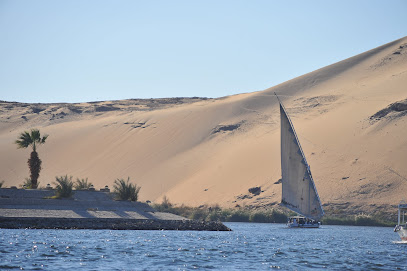
مرسى جزيرة أسوان
0.6 km
Discover the serene beauty and cultural richness of Mersa Jazeera Aswan, a must-visit tourist attraction along the Nile in Egypt.
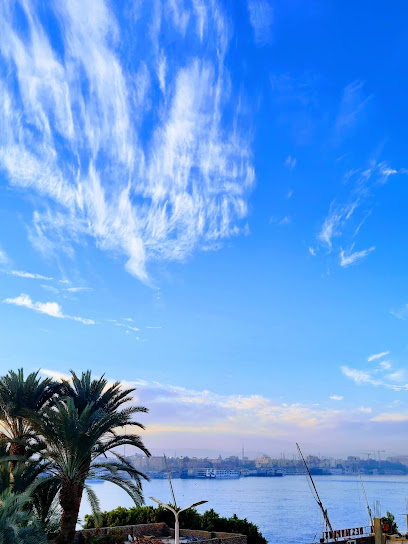
Faluca
0.6 km
Discover the charm of Aswan with a peaceful Faluca ride on the Nile River, blending history and breathtaking views in a unique sailing experience.
Nubia mosque
0.7 km
Explore the serene Nubia Mosque in Aswan, a stunning representation of Nubian culture and spirituality amidst the breathtaking landscapes of Egypt.
Egypt Unlimited Tours
0.7 km
Embark on an unforgettable journey through Egypt's ancient history and vibrant culture with Egypt Unlimited Tours, your premier travel partner.
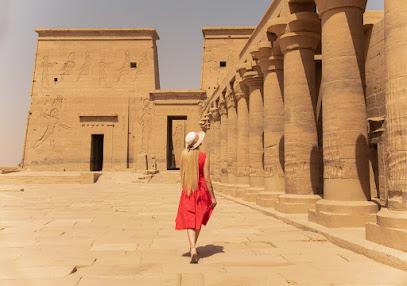
Sandallia Jewlery
0.8 km
Explore the exquisite craftsmanship and unique designs at Sandallia Jewelry, a premier shopping destination in Aswan, Egypt.
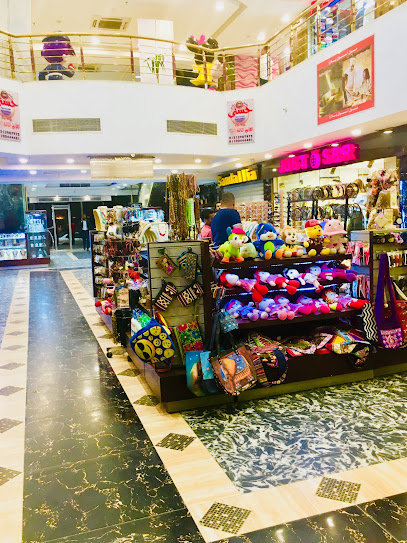
Aswan river nile
0.9 km
Discover the breathtaking beauty and rich cultural heritage of the Aswan River Nile, a must-visit destination for every traveler in Egypt.
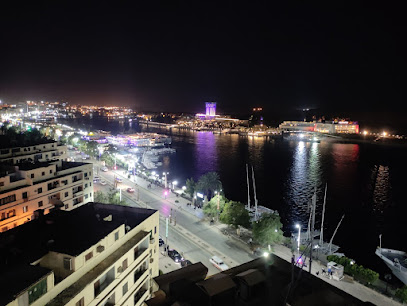
مركب لمرسي جزيرة النباتات
0.9 km
Experience the enchanting beauty of the Merkab in Aswan, where nature and history meet along the splendid Nile River.
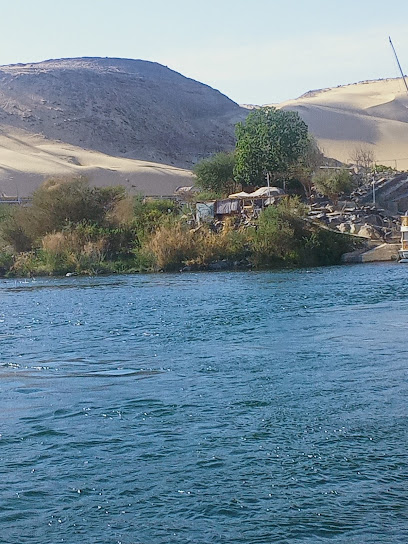
Felucca Tour John Cairo جولة فيلوكا جون كايرو
0.9 km
Discover the tranquility of Aswan's Nile with a Felucca tour, immersing yourself in Egypt’s captivating history and stunning landscapes.
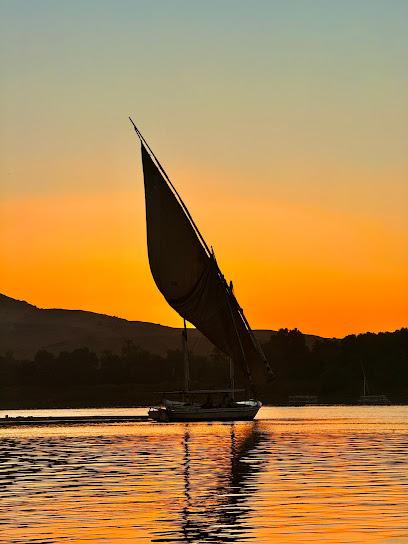
Church Greek parking
1.2 km
Discover the essence of Aswan at the Church Greek parking area, the perfect starting point for your Egyptian adventure.
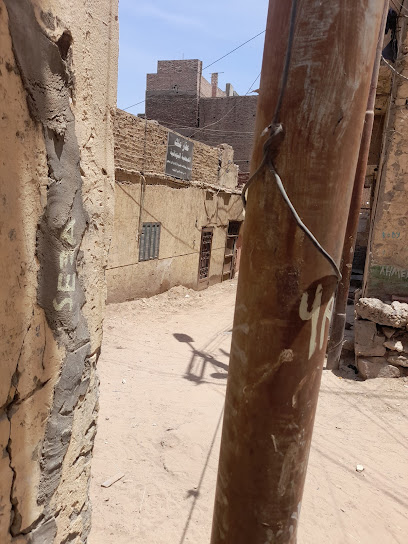
Birds watching House - Mövenpick Resort Aswan
1.2 km
Discover the breathtaking avian life at the Birds Watching House in Movenpick Resort Aswan, a serene retreat for nature lovers and birdwatching enthusiasts.
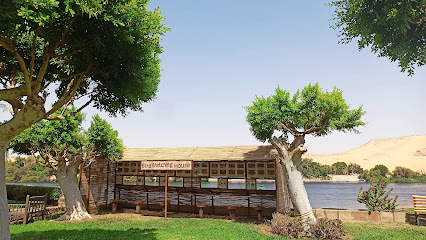
temple Khnum 2
1.3 km
Discover the ancient wonders of Temple Khnum in Aswan, where history, spirituality, and stunning architecture converge in a captivating experience.
Essential places to dine

أبو عثمان ملك الكبدة
0.1 km
Discover authentic Egyptian fast food at Abu Othman Malek Al-Kabda in Aswan – where flavorful kebabs meet vibrant atmosphere.
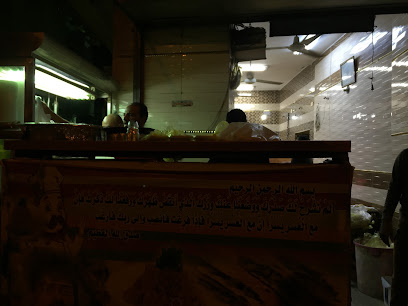
qasr elsham
0.2 km
Experience authentic Egyptian cuisine at Qasr Elsham in Aswan – where tradition meets taste in a warm and inviting atmosphere.
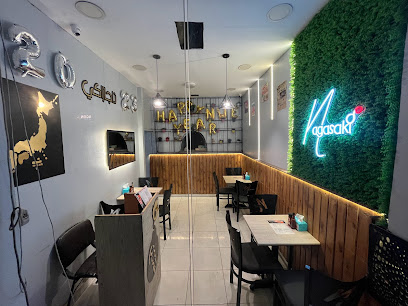
Nagasaki - مطعم ناجازاكي
0.4 km
Discover authentic American cuisine at Nagasaki in Aswan - where flavor meets culture in every bite.
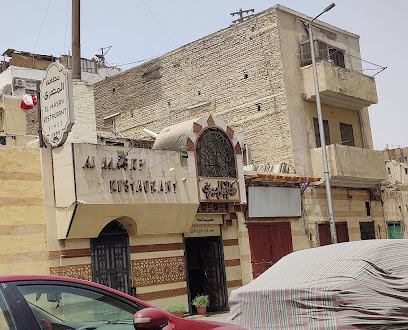
Al Masry
0.4 km
Discover the authentic tastes of Egypt at Al Masry in Aswan—where every meal is a celebration of flavor.
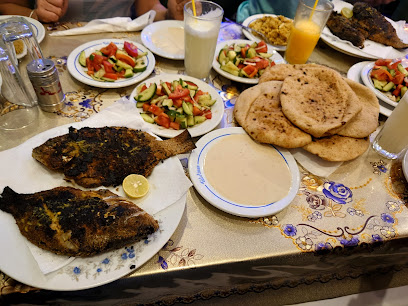
Ismailia Restaurant
0.4 km
Discover exquisite seafood delights at Ismailia Restaurant in Aswan, where freshness meets flavor in a charming setting.
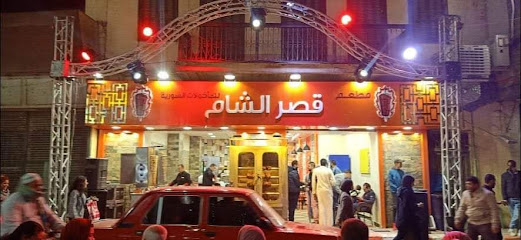
قصر الشام
0.5 km
Experience authentic Syrian cuisine at قصر الشام in Aswan - where every dish tells a story.
مطعم سفاري فول طعمية لحمة شاورمة اصناف اخرة
0.5 km
Discover authentic Egyptian flavors at مطعم سفاري فول طعمية لحمة شاورمة اصناف اخرة in Aswan - a culinary gem celebrating local cuisine.
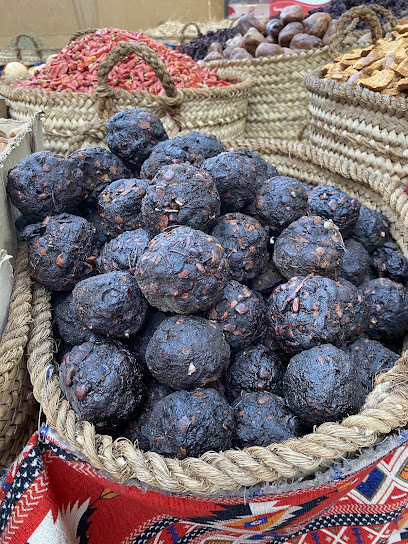
El-Madinah Restaurant
0.5 km
Discover the authentic taste of Egyptian meat dishes at El-Madinah Restaurant in Aswan, where tradition meets flavor in every bite.
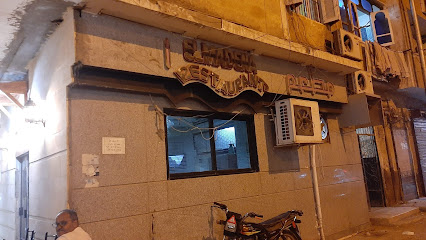
Al El Beit Restaurant
0.6 km
Discover authentic Japanese izakaya cuisine at Al El Beit Restaurant in downtown Aswan – where tradition meets taste.
كشري الحارس
0.6 km
Experience authentic Egyptian cuisine at كشرى الحارس in Aswan – home of delicious Koshari and more!
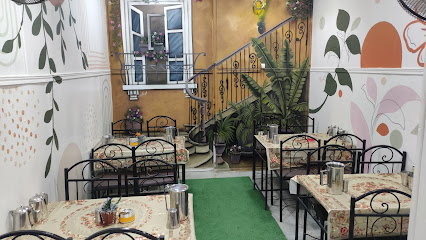
مطعم السد العالي(High Dam Restaurant)
0.6 km
Experience authentic Egyptian cuisine at High Dam Restaurant in Aswan, specializing in delicious chicken dishes amidst a warm and inviting atmosphere.
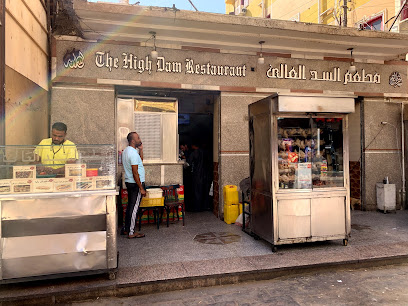
Chef Khalil Restaurant
0.7 km
Discover authentic Egyptian seafood at Chef Khalil Restaurant in Aswan - where tradition meets taste.
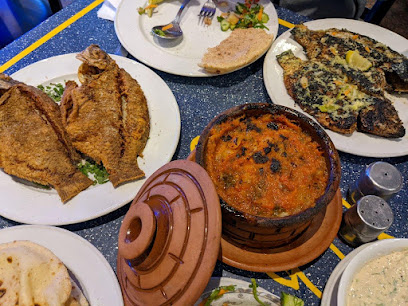
جمبريكا - Gambareca
0.7 km
Experience fresh seafood like never before at Gambareca in Aswan - where every dish tells a story of local flavor and tradition.
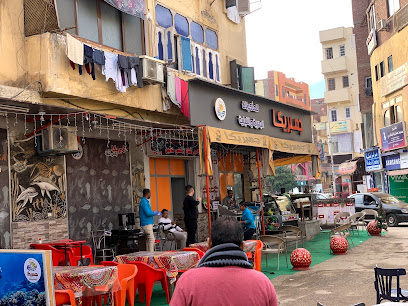
Koshary El-safwa
0.7 km
Discover the heart of Egyptian cuisine at Koshary El-safwa in Aswan—home to flavorful koshary and welcoming ambiance.
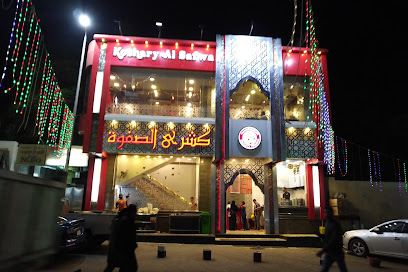
مطعم حاتي الحريف El Hareef
0.7 km
Experience authentic Egyptian barbecue at El Hareef in Aswan, where flavor meets tradition in every bite.
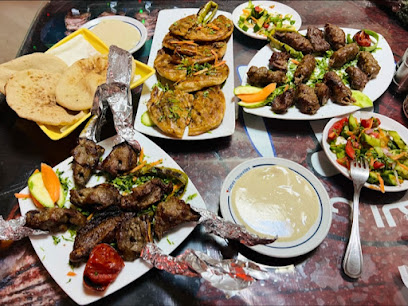
Markets, malls and hidden boutiques

الاصلي للتوريدات الكهربائية
0.3 km
Experience the authentic flavors and vibrant culture of Aswan at the original grocery supply store, a local gem for every traveler.

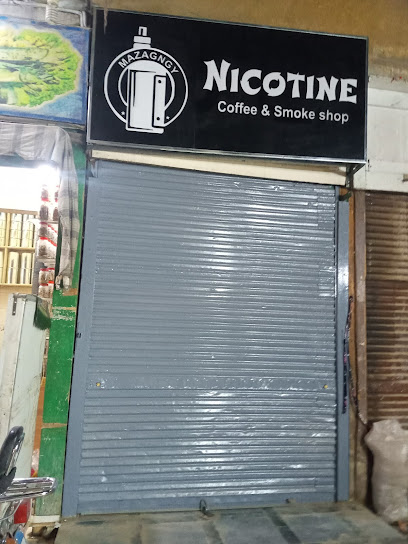
Nicotine Aswan Vape store
0.5 km
Nicotine Aswan Vape Store: Your ultimate destination for high-quality vaping products and a flavorful experience in Aswan.
GeniusCctvAswan
0.5 km
Explore top-quality electronics and gadgets at GeniusCctvAswan, your trusted store in the heart of Aswan for all tech needs.
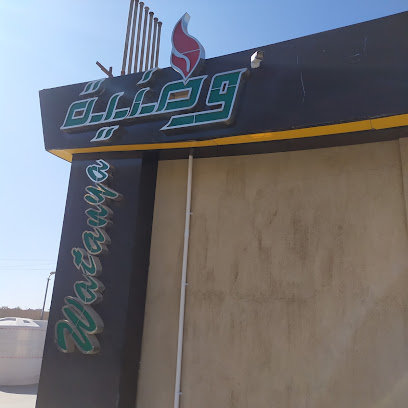
ناصر ياسين للحدايد والبويات
0.5 km
Discover quality building materials at Nasser Yassin in Aswan, where home improvement dreams become reality with expert advice and a vast selection.
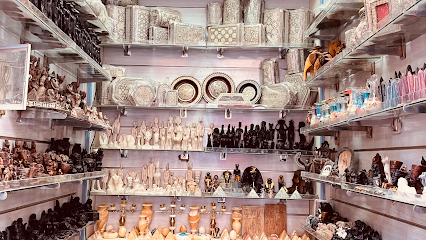
Gamil Bazar
0.5 km
Explore Gamil Bazar in Aswan for authentic Egyptian crafts, unique souvenirs, and a vibrant shopping experience that reflects the local culture.
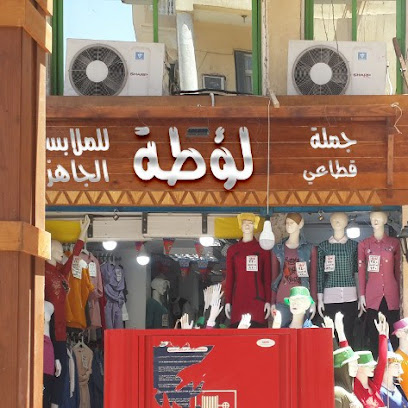
لؤطه اسوان للملابس
0.6 km
Discover the vibrant styles of Lotha Aswan, a women's clothing store offering unique fashion reflecting the essence of Egyptian culture.
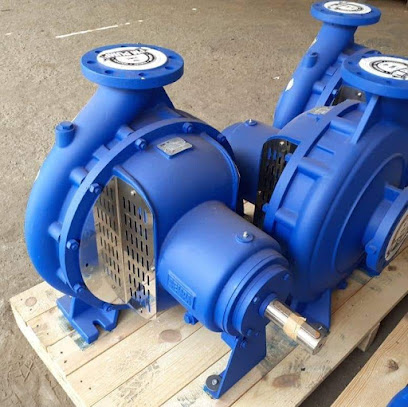
شركه النورس للمقولات والطلمبات والمواتير موزع طلمبات ماس وسيمبا بالصعيد
0.6 km
Explore النورس للمقولات والطلمبات in Aswan for quality electronics and exceptional service in a vibrant cultural setting.
Jotun Multicolor Centre
0.6 km
Explore the vibrant world of color at Jotun Multicolor Centre, your ultimate destination for quality paints and creative inspiration in Aswan.
التجمع الخامس
0.6 km
Discover unique fashion styles at التجمع الخامس in Aswan, a clothing store that blends tradition with modernity for an unforgettable shopping experience.
Nabry
0.6 km
Discover the vibrant fashion scene at Nabry in Aswan, where local culture meets contemporary style in a unique shopping experience.
بقالتك
0.6 km
Discover local culture and flavors at بقالتك, Aswan's charming supermarket, perfect for tourists seeking authentic Egyptian products.

لقطة أسوان لملابس السيدات - Lo2ta for womens wear
0.6 km
Discover the latest trends in women's fashion at Lo2ta for Women's Wear, a stylish store in Aswan's tourist market offering unique apparel and accessories.
فسخاني السد العالي
0.6 km
Explore فسخاني السد العالي - Your gateway to the vibrant fish processing culture and authentic seafood of Aswan.
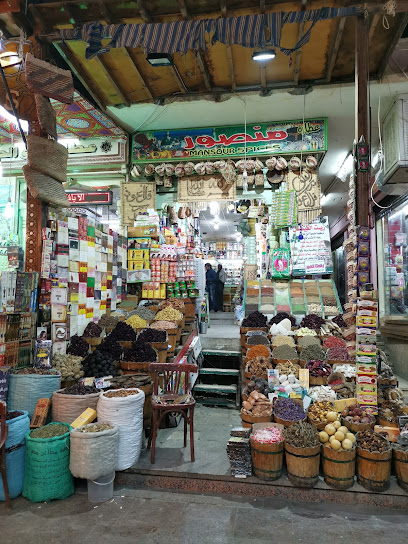
مؤسسة القرمانى للإنتاج الحيوانى والداجتى والسمكى
0.6 km
Experience authentic Egyptian ranch life at مؤسّسة القرمانى, a hub for livestock, dairy farming, and pet care in Aswan, Egypt.
العبد لاستراد والتصدير والأدوات الكهربائية
0.6 km
Explore Al-Abd Department Store in Aswan for an authentic shopping experience with a wide range of electrical goods and local products.
Essential bars & hidden hideouts

رضا مصطفى أحمد
0.6 km
Discover the lively bar scene of Aswan at رضا مصطفى أحمد, where local culture meets refreshing drinks in a vibrant atmosphere.
درينكيز
0.6 km
Discover the lively charm of درينكيز, a vibrant bar in Aswan perfect for relaxing and enjoying local culture amidst your Egyptian adventure.
مطعم الطاهر لماكولات الشعبية
0.6 km
Savor authentic Egyptian cuisine at مطعم الطاهر لماكولات الشعبية, a must-visit dining spot in Aswan for an unforgettable culinary experience.
مطعم وكافيتيريا ايمى درينكز
0.9 km
Unwind by the Nile at Emy Drinks Café, where every sip is a taste of Aswan's vibrant culture and charm.
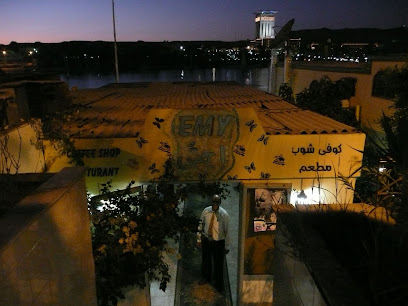
Emy Bar
0.9 km
Experience the vibrant nightlife of Aswan at Emy Bar, a local favorite for refreshing drinks and unforgettable memories.

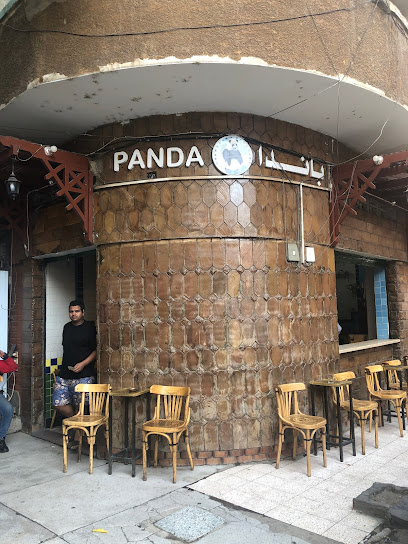
Panda bar
1.0 km
Discover the local charm of Aswan at Panda Bar, where traditional drinks and a cozy atmosphere await you.
The Lounge Bar
1.2 km
The Lounge Bar: A cocktail oasis on Elephantine Island, offering stunning views and exquisite drinks in Aswan, Egypt.
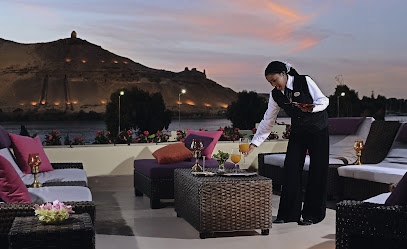
Pool Bar
1.2 km
Experience tranquility at the Pool Bar on Elephantine Island, where refreshing drinks and stunning views create the perfect escape in Aswan.

نيو ابو سمبل استلا
1.3 km
Discover the vibrant New Abu Simbel Bar in Aswan, where local culture meets refreshing drinks in a lively atmosphere.
Princess Amira Aswan Hotel
1.5 km
Discover the elegance of Princess Amira Aswan Hotel, where modern comfort meets the rich heritage of Egypt, just steps from the Nile.
Being sport
1.6 km
Explore local flavors and unwind in the vibrant atmosphere of Being Sport, a bar that captures the essence of Aswan's nightlife.
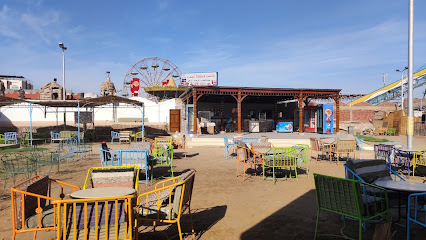
Nubian Holiday House & Restaurant Nile View
1.9 km
Discover the charm of Nubian hospitality at Nubian Holiday House & Restaurant, a perfect blend of culture, cuisine, and comfort along the Nile.
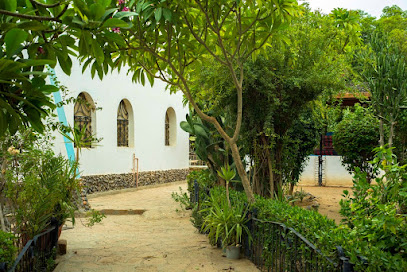
Habibi Nubian Guest House-Nubian Hospitality
2.1 km
Discover the heart of Nubia at Habibi Nubian Guest House, where comfort meets cultural immersion in a picturesque village setting.
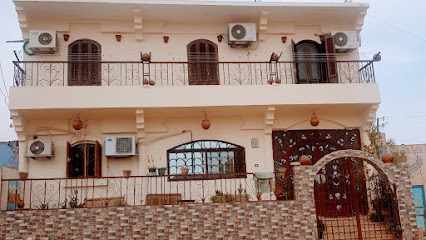
محمد احمد محمد
3.2 km
Discover the vibrant nightlife at Muhammad Ahmed Bar in Aswan, where local culture and refreshing drinks come together for an unforgettable experience.
ببب
4.6 km
Discover the vibrant nightlife of Aswan at this lively bar, where culture meets relaxation in an unforgettable experience.
Nightclubs & after hour spots

Game Stop
0.5 km
Discover the vibrant nightlife of Aswan at Game Stop, where music and dance collide for unforgettable evenings in Egypt's enchanting city.
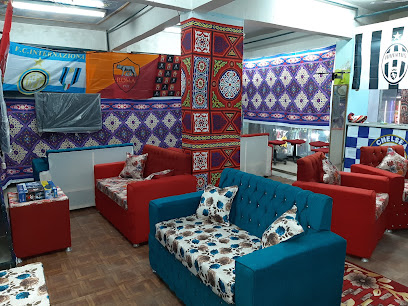
Aswan City
0.9 km
Discover the enchanting beauty and rich history of Aswan City, a vibrant Egyptian destination along the iconic Nile River.
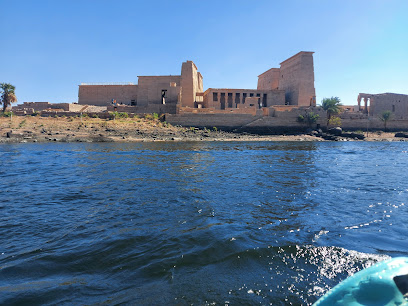
قاعة نفرتاي
1.5 km
Dive into the vibrant nightlife of Aswan at قاعة نفرتاي, where modern beats meet traditional Egyptian hospitality along the scenic Nile.
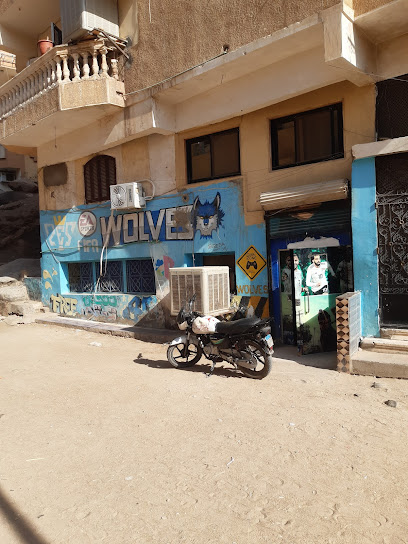
Wolves
3.3 km
Discover the electric nightlife of Aswan at Wolves Night Club, where music, dancing, and vibrant energy create unforgettable memories.
محمد ابو بكر
3.7 km
Discover the essence of Aswan's nightlife at محمد ابو بكر, where music, dance, and culture come together for an unforgettable experience.
بليستيشن سانتياجو
4.7 km
Discover the vibrant nightlife of Aswan at بليستيشن سانتياجو, where music, dance, and local culture unite for an unforgettable experience.
بلايستيشن
51.4 km
Dive into the vibrant nightlife at بلايستيشن, Aswan's premier nightclub, where electrifying music and unforgettable moments await.
Starks club der Lustbarkeiten
52.5 km
Experience the vibrant nightlife of Aswan at Starks Club Der Lustbarkeiten, where music, dance, and culture come together.
Iceyxmid Town
60.7 km
Immerse yourself in the vibrant nightlife of Iceyxmid Town, where music, dance, and culture blend to create unforgettable memories in Aswan.


