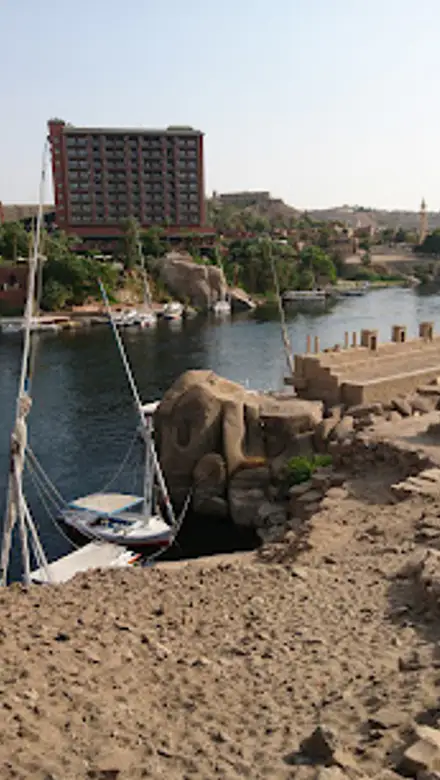
Aswan Museum, Aswan Travel Guide
Free Guide: Explore Nubian history and culture at the Aswan Museum on Elephantine Island, featuring artifacts from ancient civilizations and the Aswan Dam rescue efforts.


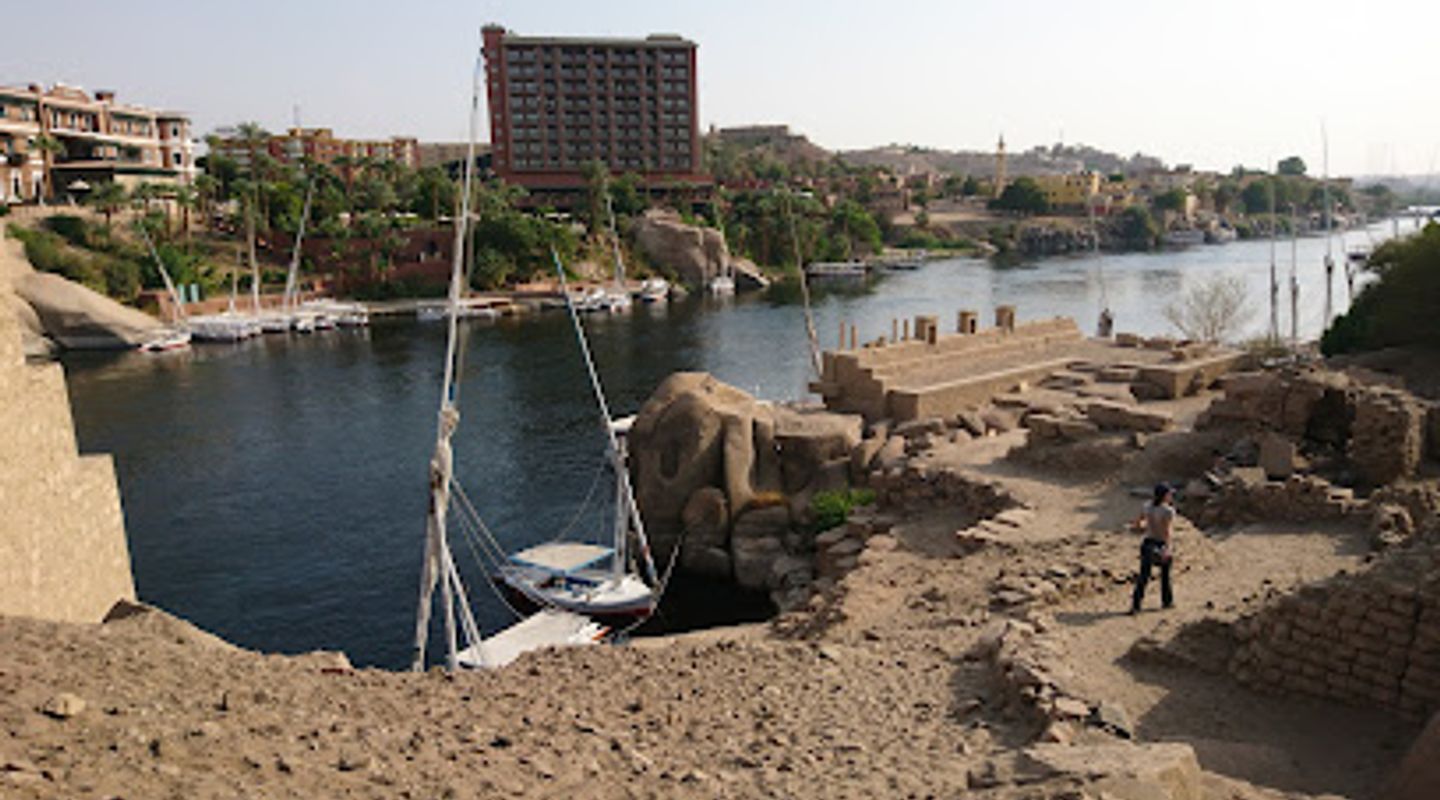
A brief summary of Aswan Museum
Explore Nubian history and culture at the Aswan Museum on Elephantine Island, featuring artifacts from ancient civilizations and the Aswan Dam rescue efforts.
Located on Elephantine Island, the Aswan Museum showcases artifacts from Nubia and Elephantine Island itself, spanning from pre-dynastic times to the Roman era. Explore statues, mummies, pottery, and more in this culturally rich setting.
Opening hours
- Every day9 am–7 pm
Opening hours as listed on the venue’s Google Business Profile. Hours can change for services and special events, so check with the venue before you go.
- Address
- Абу, Sheyakhah Oula, Aswan, Aswan Governorate 1240861
Getting there
Ferry
Walking
Discover more about Aswan Museum
Overview
The Aswan Museum, established in 1912, is a cultural landmark situated on the southeastern side of Elephantine Island in Aswan. Originally set up by British Egyptologist Cecil Mallaby Firth, the museum was initially intended to house artifacts discovered during excavations on the island. Over time, its collection expanded to include a wide array of items from Nubia and the surrounding regions, saved during the construction of the Aswan Dam.The museum's exhibits offer insights into the history and culture of Aswan and Nubia, with artifacts dating from pre-dynastic times to the late Roman era. Visitors can explore statues of kings and individuals, mummies of sacred rams associated with the god Khnum, various types of pottery, tools of daily life, and funerary paintings. The museum also features architectural and decorative elements, as well as a number of sarcophagi.In recent years, a new annex was added to the museum to display antiquities found during excavations on Elephantine Island. The museum complex also includes the Khnum Temple, dedicated to the god of the flood, and two significant Nilometers, ancient devices used to measure the Nile's water level. The Aswan Museum not only provides a window into the ancient world but also reflects the cultural and historical evolution of the region.
Evendo Review Centre
 Google
Guest reviews
Explore Aswan Museum on the map
A handpicked selection of must-see spots near Aswan Museum, mapped for you.
Get your free copy of our complete guide to Aswan Museum, delivered straight to you.
Everything on this page, from opening hours and how to get there to Eve’s tips and the best time to go, in one PDF you can read offline, print or share.
Already have an account? Sign in
Your Aswan Museum guide is ready.
We'll send it to · Not you? Sign out

Getting your guide ready…
We are putting together a fresh copy of the Aswan Museum guide. This can take up to a minute.
This can take a few moments. If your browser asks, choose Allow so the download can start. You'll find the guide in your Downloads folder.
Nothing happened? Download it again
Sorry, the guide is taking longer than usual. Please try again in a minute, or get it by email instead.
Other nearby places you may find interesting
The closest places of the same kind, if this one is not quite what you had in mind.
-
-

-
-
-


Swipe for more places
More to explore near Aswan Museum

 Best experiences near Aswan Museum
 Best hotels near Aswan Museum
 Best landmarks near Aswan Museum
 Best attractions near Aswan Museum
 Best shops near Aswan Museum
 Best restaurants near Aswan Museum
 Best bars near Aswan Museum
Do you manage this location?
Take control to get all the benefits, like improved information, better appearance, and stronger visibility across AI-powered discovery.
Explore more

Explore more of Aswan
Discover Aswan, Egypt's serene oasis by the Nile, where ancient temples, vibrant markets, and tranquil landscapes await.
Explore Aswan
Explore more of Egypt
Discover Egypt: From the timeless pyramids to the vibrant Red Sea, experience a land where ancient wonders meet modern adventures.
Explore Egypt