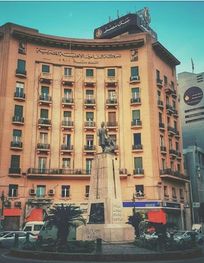
Ismailia Monuments Museum, Ismailia Travel Guide
Discover ancient Egyptian treasures at Ismailia Monuments Museum, showcasing artifacts from the Suez Canal era and beyond.
The Ismailia Monuments Museum, established in 1932, showcases a rich collection of artifacts unearthed during the Suez Canal's construction, offering insights into Egypt's history from the Early Dynastic Period to the Islamic Era. Explore relics, sculptures, and art pieces that narrate the story of Ismailia and its historical significance.
A brief summary to Ismailia Monuments Museum
- Mohamed Aly St EL AFRANG DISTRICT، الاسماعيلية - القنطرة غرب, Ismailia 1, Al Temsah, Ismailia Governorate, EG
- Click to display
- Monday 9 am-3 pm
- Tuesday 9 am-3 pm
- Wednesday 9 am-3 pm
- Thursday 9 am-3 pm
- Friday 9 am-3 pm
- Saturday 9 am-3 pm
- Sunday 9 am-3 pm

Know before you go
Hi, I'm Eve. Here are a few practical things to know before exploring Ismailia Monuments Museum.
- Visit during spring (March-May) or autumn (September-October) for comfortable temperatures.
- Allow 2-3 hours to fully explore the museum's collection.
- Check out the museum's opening hours, as they typically close in the afternoon.
Do you manage this location?
Take control to get all the benefits, like improved information, better appearance, and stronger visibility across AI-powered discovery. Learn more about listing your business on Evendo
Activate your presenceOther nearby places you may find interesting
The closest places of the same kind, if this one is not quite what you had in mind.


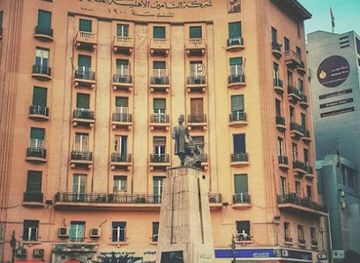

Explore Ismailia Monuments Museum on the Map
A handpicked selection of must-see spots near Ismailia Monuments Museum, mapped for you.
Unlock the Best of Ismailia Monuments Museum
Buy tickets
-
No tickets available
Book tours with entry

Book tours without entry
-
No tours available
Getting There
-
Walking
From central Ismailia, the museum is accessible by foot. Walking east along Mohamed Aly Street will bring you to the museum. The walk is approximately 1-2km and will take about 15-20 minutes.
-
Taxi
Taxis are readily available throughout Ismailia. A short taxi ride from the city center to the museum will cost approximately 25 EGP, depending on the distance and traffic. Agree on the fare with the driver before starting your journey.
Discover more about Ismailia Monuments Museum
More to explore near Ismailia Monuments Museum













Your all‑in‑one travel companion app
Explore expert travel guides, compare and book tours, experiences, hotels, and more—all from the palm of your hand. Download now for seamless trip planning wherever your wanderlust takes you.


Explore More of Ismailia
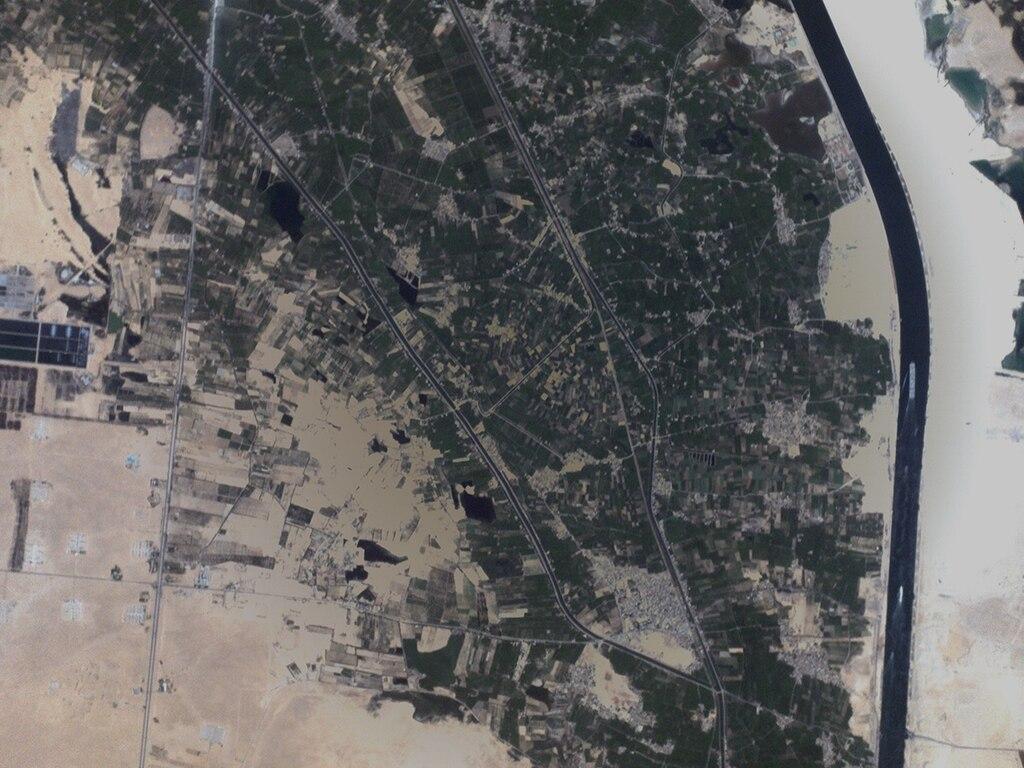
Looking beyond Ismailia Monuments Museum? Discover Ismailia for broader travel guides, local hot-spots, and regional highlights.
Explore Ismailia