

Free Ismailia Travel Guide & Mobile App
Plan your Ismailia trip with Evendo. Get free guides to top attractions, restaurants, hotels, and bars. Web access or download the mobile app.


Ismailia, Egypt, pairs Suez Canal history with Lake Timsah, leafy streets, museums, Egyptian cuisine and relaxed waterfront sightseeing for curious visitors.
A Canal-Born City
Ismailia lies on the western shore of Lake Timsah, midway along the Suez Canal in Egypt’s Suez Canal Governorate. Planned during the construction of the canal, it developed as a European-influenced administrative and residential settlement surrounded by gardens, broad avenues and low-rise villas. Its atmosphere differs from that of Cairo or Alexandria: the pace is comparatively unhurried, the streets are leafy, and the waterfront gives the city an open, spacious character.Read more about Ismailia
Water, Gardens and History
A Regional Base
When is the best time to visit Ismailia?
Best: March–April, November · 23–26°C| Month | High (°C) | Rainfall (mm) |
|---|---|---|
| January | 19 | 3 |
| February | 20 | 3 |
| March (best) | 23 | 2 |
| April (best) | 26 | 1 |
| May | 31 | 1 |
| June | 35 | 0 |
| July | 37 | 0 |
| August | 37 | 0 |
| September | 35 | 0 |
| October | 32 | 0 |
| November (best) | 26 | 0 |
| December | 21 | 1 |
Getting to and around Ismailia
How to get there
Transportation
Best attractions in Ismailia
Ismailia’s attractions are shaped by water, archaeology and the planned landscape created around the Suez Canal. The Ismailia Museum is the city’s principal cultural stop, displaying artefacts from the canal zone and ancient settlements in north-eastern Egypt, including material connected with pharaonic and later periods. Around Lake Timsah, promenades and public waterfront spaces offer views across the water and a glimpse of local leisure, particularly in the cooler parts of the day. The older central quarters are rewarding for their tree-lined streets, villas and institutional buildings associated with the canal company, while the city’s gardens provide a calmer contrast to Egypt’s denser urban centres. The Suez Canal itself is best understood from authorised public viewpoints rather than treated as an open sightseeing site, since operational and security areas are controlled. Beyond Ismailia, archaeological locations such as Tell el-Maskhuta belong to the wider region and require separate arrangements.
-
Tourist attraction
Ismailia Corniche no. 6
Explore the scenic Ismailia Corniche, a vibrant promenade along the Ismailia Canal, perfect for relaxation, local cuisine, and cultural experiences.
10 min drive · 3.3 km from city centre
-
Garden
Al-Golf Public Garden
Experience the tranquility and beauty of Al-Golf Public Garden in Ismailia, a lush retreat perfect for relaxation and cultural engagement.
6 min drive · 2.2 km from city centre
-
Garden
Almalahaa Park
Discover the lush landscapes and peaceful ambiance of Almalahaa Park, Ismailia's natural haven for relaxation and recreation.
11 min walk · 0.9 km from city centre
-
Garden
الكورنيش البلاجات الجديد
Explore the lush beauty and serenity of the New Botanical Gardens in Ismailia, a perfect escape into nature's embrace.
17 min walk · 1.3 km from city centre


Best landmarks in Ismailia
Ismailia’s most significant landmarks express its identity as a planned canal city. The Suez Canal and Lake Timsah form the central geographic landmarks, linking the city’s modern history to the waterway opened in 1869. The Ismailia Museum is important not only for its archaeological collection but also for the way it interprets the canal region’s much older history. In the historic centre, surviving canal-company villas, gardens and administrative buildings reveal the nineteenth-century planning that separated residential and institutional quarters. The Suez Canal Authority’s presence remains a defining civic feature, although operational offices and security-controlled infrastructure are not ordinary visitor sites. Public mosques, planted avenues and waterfront spaces contribute to the city’s contemporary visual identity, while traces of wartime reconstruction recall the disruption Ismailia experienced during the conflicts of 1967 and 1973.
-
Hotel
Mercure Ismailia Forsan Island Hotel
Experience the serene beauty and rich culture of Ismailia at Mercure Ismailia Forsan Island Hotel, a perfect getaway for relaxation and adventure.
6 min drive · 1.9 km from city centre
-
 Hotel
TOLIP Elforsan Resort
Experience lakeside luxury at TOLIP Elforsan Resort in Ismailia, offering stunning views, diverse amenities, and a serene escape.
7 min drive · 2.5 km from city centre
-
Public beach
25 January Village
Unwind at 25 January Village, Ismailia's beautiful public beach with clear waters, soft sands, and stunning sunsets. A perfect relaxing escape.
17 min walk · 1.4 km from city centre
-
Company
Al-Irshad Building - Suez Canal Authority Headquarters
Visit the heart of the Suez Canal Authority in Ismailia, a vital landmark overseeing one of the world's most important waterways.
5 min drive · 1.6 km from city centre


Explore Ismailia on the map
Plan your Ismailia trip on one map. See where the top attractions, landmarks, restaurants, bars and hotels are, find what's near where you're staying, and book hotels and experiences in a few clicks.
Best hotels in Ismailia
Best restaurants in Ismailia
Ismailia’s dining scene reflects the everyday cooking of the Nile Delta and the canal cities, with Egyptian staples such as ful medames, taamiya, kofta, grilled chicken, rice, stuffed vegetables and molokhia appearing in cafés and family-run restaurants. Fish is also a natural presence in a city beside Lake Timsah and connected to a major waterway, although the exact catch and preparation vary by season and establishment. Informal eateries offer sandwiches, koshary and freshly prepared juices, while bakeries and sweet shops provide flatbreads, pastries and syrup-based desserts. The central streets and areas around the waterfront contain much of the accessible casual dining, with cafés serving tea, coffee and shisha as social spaces. Menus may be primarily Arabic, and service can be informal; local recommendations are often more useful than expecting a restaurant scene organised around international guides.
-
Seafood
El-Salah Al-Nabi
Discover the authentic taste of Egypt at El-Salah Al-Nabi, Ismailia's top seafood restaurant offering fresh dishes in a welcoming atmosphere.
6 min drive · 2.0 km from city centre
-
Seafood
Alfanar Restaurant seafood
Experience Ismailia's finest seafood at Alfanar Restaurant, where fresh flavors meet warm hospitality in a vibrant setting.
4 min walk · 0.3 km from city centre
-
Seafood
Al Ostol seafood Restaurant
Discover exquisite seafood dishes at Al Ostol Seafood Restaurant in Ismailia – where every meal is a celebration of flavor.
7 min walk · 0.5 km from city centre
-
Italian
Tito Ristorante pizzeria e Caffè
Experience the flavors of Italy at Tito Ristorante pizzeria e Caffè in Ismailia—where every dish tells a delicious story.
7 min drive · 2.4 km from city centre


Best bars in Ismailia
Ismailia’s evening life is relatively restrained and centred more on cafés, family restaurants, waterfront walks and social gatherings than on a large nightclub circuit. Tea and coffee houses remain important meeting places, particularly around central streets and busy public areas, while hotel lounges may provide a more familiar setting for international visitors. Alcohol is available in some licensed hotels and establishments, but it is not a defining feature of everyday public life, and venues can be discreet rather than prominently advertised. Cultural evenings may include local performances or seasonal events, although programmes change and should be checked locally. After dark, the liveliest public atmosphere is generally found where families and cafés gather around the city centre and Lake Timsah; quieter peripheral streets are better approached by taxi than on foot.
-
Restaurant
أمريكان دريم إسماعيلية , American Dream Ismailia
Experience the vibrant dining and nightlife at American Dream Ismailia, where delicious cuisine meets lively entertainment in a welcoming atmosphere.
11 min drive · 3.5 km from city centre
-
Izakaya
Urbano Cafe & Restaurant
Discover the best of Japanese izakaya cuisine at Urbano Cafe & Restaurant in Ismailia, where delicious food meets a warm, inviting atmosphere.
10 min drive · 3.5 km from city centre
-
Izakaya
مطعم وكافية ع الفحم 2
Discover the vibrant flavors of Japanese Izakaya cuisine at مطعم وكافية ع الفحم 2 in Ismailia, where every dish tells a delicious story.
9 min drive · 2.9 km from city centre
-
Bar
Leo cafe
Discover the charm of Leo Cafe in Ismailia, a perfect spot for drinks, relaxation, and local ambiance.
14 min drive · 4.8 km from city centre


Best nightclubs in Ismailia
Ismailia’s evening life is relatively restrained and centred more on cafés, family restaurants, waterfront walks and social gatherings than on a large nightclub circuit. Tea and coffee houses remain important meeting places, particularly around central streets and busy public areas, while hotel lounges may provide a more familiar setting for international visitors. Alcohol is available in some licensed hotels and establishments, but it is not a defining feature of everyday public life, and venues can be discreet rather than prominently advertised. Cultural evenings may include local performances or seasonal events, although programmes change and should be checked locally. After dark, the liveliest public atmosphere is generally found where families and cafés gather around the city centre and Lake Timsah; quieter peripheral streets are better approached by taxi than on foot.
-
Sports club
stellars sports club
Discover the excitement of sports and leisure at Stellars Sports Club in Ismailia, a perfect blend of activities, dining, and entertainment.
12 min drive · 4.2 km from city centre
-
Gym
Fight Club
Discover Fight Club in Ismailia: A dynamic and engaging gym that brings fitness enthusiasts together in a fun and supportive environment.
11 min drive · 3.6 km from city centre
-
Shoe store
Club Aldo
Discover stylish footwear at Club Aldo, Ismailia's top shoe store offering a wide selection and exceptional service for every fashion lover.
18 min walk · 1.5 km from city centre
-
Coffee shop
Diesel Ps & cafe
Experience the essence of Ismailia at Diesel Ps & Cafe, where cozy vibes meet delightful coffee creations and a warm atmosphere.
14 min drive · 4.5 km from city centre


Best shops in Ismailia
Shopping in Ismailia is primarily local and practical, with central commercial streets, neighbourhood markets, small food shops and independent retailers rather than a large international luxury sector. Visitors can browse Egyptian spices, tea, dates, sweets, breads, household goods, clothing and everyday produce, while the city’s canal-region setting makes packaged foods and locally made gifts more characteristic purchases than specialised tourist crafts. Markets are useful for observing ordinary life, but prices and product quality vary, so compare goods and agree prices before buying items without fixed labels. Traditional souvenirs associated with Egypt, including cotton textiles, papyrus-style artwork and small archaeological-themed gifts, may appear in shops, though provenance should be considered carefully. Larger modern stores and shopping centres provide air-conditioned retail options, but the strongest sense of Ismailia’s commercial character is found in its markets and independent high-street businesses.
-
Shopping mall
مارادونا ستورز MaradonaStores
Explore MaradonaStores in Ismailia for an unforgettable shopping experience with a variety of electronics and home goods, perfect for every traveler.
17 min walk · 1.4 km from city centre
-
Cell phone store
سوق ستور Souq Store
Explore the best in mobile technology at Souq Store, Ismailia's premier cell phone destination offering great prices and exceptional service.
10 min walk · 0.8 km from city centre
-
Fashion accessories store
PREMIUM
Explore the essence of Ismailia's fashion scene at Premium Fashion Accessories Store, where unique styles meet exceptional service.
18 min walk · 1.4 km from city centre
-
Shopping mall
I Store -egypt
Experience the best of shopping, dining, and entertainment at I Store, Ismailia's vibrant shopping mall.
8 min drive · 2.8 km from city centre

Get your free copy of our complete guide to Ismailia, delivered straight to you.
Everything on this page, from attractions and restaurants to essentials and local phrases, in one PDF you can read offline, print or share.
Already have an account? Sign in
Your Ismailia guide is ready.
We'll send it to · Not you? Sign out

Getting your guide ready…
We are putting together a fresh copy of the Ismailia guide. This can take up to a minute.
This can take a few moments. If your browser asks, choose Allow so the download can start. You'll find the guide in your Downloads folder.
Nothing happened? Download it again
Sorry, the guide is taking longer than usual. Please try again in a minute, or get it by email instead.
Ismailia essentials
Currency and Payment
Safety
Emergency Situations
Do's and Don'ts
Local Tips
From Eve
Local phrases worth knowing
You don't need to get them perfect. A few words go a long way, and locals appreciate the effort.
Basics
| English | Local | Say it |
|---|---|---|
| Hello | مرحبا | [Marhaba] |
| Goodbye | وداعا | [Wada'an] |
| Yes | نعم | [Na'am] |
| No | لا | [La] |
| Please/You're welcome | من فضلك | [Min fadlak] |
| Thank you | شكرا | [Shukran] |
| Excuse me/Sorry | عذرا | [A'adhra] |
| How are you? | ازيك؟ | [Ezayak?] |
| Fine. And you? | تمام. وانت؟ | [Tamam. Wint?] |
| Do you speak English? | تتكلم انجليزي؟ | [Tetkalem Ingilizi?] |
| I don't understand | انا مش فاهم | [Ana mesh fahem] |
Eating & Drinking
| English | Local | Say it |
|---|---|---|
| I'd like to see the menu, please | اريد ان ارى القائمة، من فضلك | [Areed an ara alqa'ima, min fadlak] |
| I don't eat meat | انا لا اكل لحم | [Ana la akl lahme] |
| Cheers! | في صحتك! | [Fe sahtak!] |
| I would like to pay, please | اريد ان ادفع، من فضلك | [Areed an adfa', min fadlak] |
Emergencies
| English | Local | Say it |
|---|---|---|
| Help! | النجدة! | [Alnajda!] |
| Go away! | ارحل! | [Erhal!] |
| Call the Police! | اتصل بالشرطة! | [Itsal balsurta!] |
| Call a doctor! | اتصل بطبيب! | [Itsal batabib!] |
| I'm lost | انا ضايع | [Ana daya'] |
| I'm ill | انا مريض | [Ana mareed] |
Shopping
| English | Local | Say it |
|---|---|---|
| I'd like to buy... | اريد ان اشتري... | [Areed an ashtari...] |
| I'm just looking | انا فقط اتطلع | [Ana faqat attala] |
| How much is it? | بكام؟ | [Bikam?] |
| That's too expensive | ده غالي اوي | [Da ghali awe] |
| Can you lower the price? | هل يمكنك تخفيض السعر؟ | [Hal yumkinuk takhfez alsa'r?] |
Time & Numbers
| English | Local | Say it |
|---|---|---|
| What time is it? | ساعة كام؟ | [Saa'a kam?] |
| It's one o'clock | الواحدة | [Alwahida] |
| Half past (10) | العاشرة والنصف | [Al'ashara wannesf] |
| Morning | صباح | [Sabah] |
| Afternoon | ظهر | [Dhuhr] |
| Evening | مساء | [Masaa] |
| Yesterday | امس | [Ams] |
| Today | اليوم | [Alyawm] |
| Tomorrow | غدا | [Ghadan] |
| 1 | واحد | [Wahed] |
| 2 | اثنين | [Ithnayn] |
| 3 | ثلاثة | [Thalatha] |
| 4 | أربعة | [Arba'a] |
| 5 | خمسة | [Khamsa] |
| 6 | ستة | [Sitta] |
| 7 | سبعة | [Sab'a] |
| 8 | ثمانية | [Thamania] |
| 9 | تسعة | [Tis'a] |
| 10 | عشرة | [Ashara] |
Transport & Directions
| English | Local | Say it |
|---|---|---|
| Where's a/the...? | اين... | [Ayna...] |
| What's the address? | ما هو العنوان؟ | [Ma hu al'unwan?] |
| Can you show me (on the map)? | هل يمكنك ان تريني (على الخريطة)؟ | [Hal yumkinuk an tareeni (ala alkharita)?] |
| When's the next (bus)? | متى يأتي الحافلة القادمة؟ | [Mata ya'ti alhafilat alqadima?] |
| A ticket (to ....) | تذكرة (الى ...) | [Tathkira (ila ...)] |
History of Ismailia
The Canal Zone Before Ismailia
The area around present-day Ismailia formed part of the ancient eastern Nile Delta and the route towards the Sinai frontier. Waterways and lakes, including Lake Timsah, shaped settlement, agriculture and military movement long before the modern city appeared. Archaeological sites in the wider region, such as Tell el-Maskhuta and the ancient settlement associated with Pithom, demonstrate the importance of canal-building and eastward connections in antiquity. These places are outside the urban centre, but they help explain why the modern canal corridor was repeatedly valued as a link between the Mediterranean world and the Red Sea.
Foundation During Canal Construction
Modern Ismailia was established in the 1860s during the construction of the Suez Canal, whose central works were concentrated around Lake Timsah. The settlement was named after Khedive Ismail, ruler of Egypt from 1863 to 1879, and became an administrative centre for the Suez Canal Company. Its planned streets, gardens, villas and separate residential quarters reflected the company’s European management as well as Egypt’s growing engagement with international commerce. The city’s original layout and surviving buildings still reveal the practical and social hierarchy created by this canal enterprise.
The Canal Opens to World Trade
The Suez Canal officially opened in November 1869 in a ceremony attended by international dignitaries, bringing Ismailia into a new era of global maritime traffic. The canal transformed Egypt’s strategic and commercial importance by shortening the sea route between Europe and Asia. Ismailia developed as a service, administrative and residential centre rather than simply a port, with the canal company shaping employment, urban services and public architecture. The town’s cosmopolitan character was consequently linked to shipping, engineering and the multinational workforce drawn to the canal zone.
Nationalisation and the Suez Crisis
Egyptian President Gamal Abdel Nasser nationalised the Suez Canal Company in July 1956, asserting Egyptian control over the waterway after years of tension with Britain and France. Britain, France and Israel launched the Suez Crisis later that year, but international pressure and opposition from the United States and Soviet Union helped bring the invasion to an end. The crisis strengthened Egypt’s political position and made the canal a powerful symbol of national sovereignty. Ismailia, as a principal canal city, was closely connected to these changes in administration and identity.
War, Evacuation and Reconstruction
The Arab-Israeli wars of 1967 and 1973 profoundly affected Ismailia. After the 1967 war, many residents were evacuated from the canal cities because of military danger, while the waterway itself became a front line. The city suffered damage and disruption before the October 1973 war and the subsequent reopening of the canal in 1975. Residents gradually returned, and reconstruction reshaped parts of Ismailia while preserving its role as a major city of the canal region. Contemporary Ismailia combines this modern wartime history with the older planned landscape inherited from the canal’s construction.
Ismailia in Photos
Browse through our photo collection highlighting the charm and character of the destination.
Cities near Ismailia
The closest cities to Ismailia, if you have time for more than one stop.
-

-

-

-

-


Swipe for more cities
Explore more
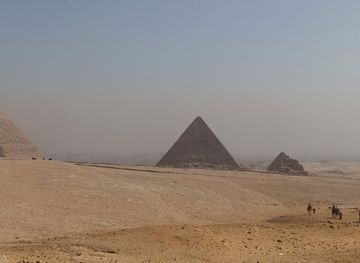
Explore more of Egypt
Discover Egypt: From the timeless pyramids to the vibrant Red Sea, experience a land where ancient wonders meet modern adventures.
Explore Egypt