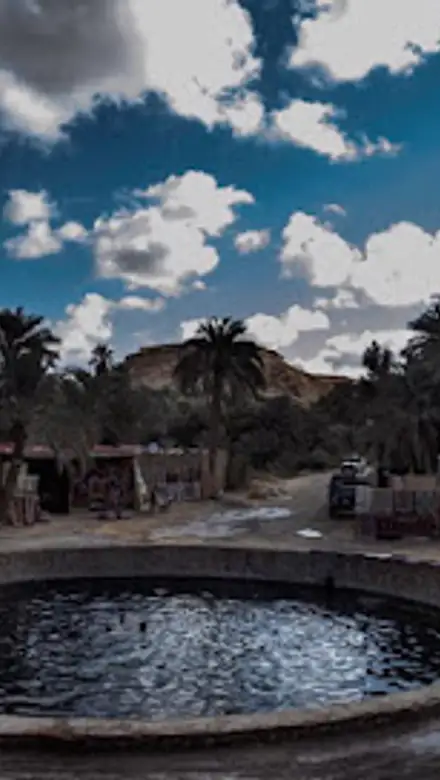
Cleopatra Spring, Siwa Oasis Travel Guide
Bathe in history at Siwa's Cleopatra Spring, a legendary oasis where the Egyptian queen may have once rejuvenated herself.
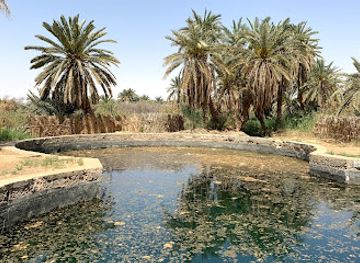
Cleopatra Spring, also known as Ain Juba, is a renowned natural spring in Siwa Oasis, Egypt. Legend claims Queen Cleopatra herself bathed here, drawn by the spring's reputed beautifying properties, making it a must-see destination for those exploring Siwa's rich history and serene landscapes.
A brief summary to Cleopatra Spring
- 5HW2+Q3C, Siwa, Marsa Matrouh Governorate, EG
- Click to display

Know before you go
Hi, I'm Eve. Here are a few practical things to know before exploring Cleopatra Spring.
- Bring modest swimwear to respect local customs, as Siwa is a conservative area.
- Visit early in the morning or later in the evening to avoid crowds from tour buses.
- Try the local fresh mango juice with basil from one of the surrounding cafes.
Do you manage this location?
Take control to get all the benefits, like improved information, better appearance, and stronger visibility across AI-powered discovery. Learn more about listing your business on Evendo
Activate your presenceOther nearby places you may find interesting
The closest places of the same kind, if this one is not quite what you had in mind.
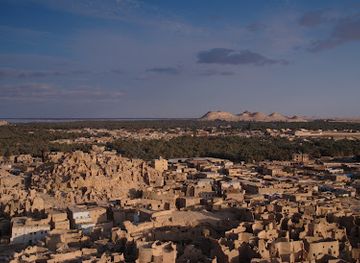
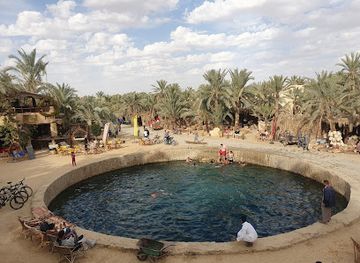
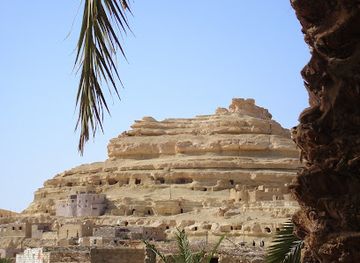
Explore Cleopatra Spring on the Map
A handpicked selection of must-see spots near Cleopatra Spring, mapped for you.
Unlock the Best of Cleopatra Spring
Buy tickets
-
No tickets available
Book tours with entry


Book tours without entry
-
No tours available
Getting There
-
Tuk-tuk
From the center of Siwa town, take a tuk-tuk to Cleopatra Spring. Tuk-tuks are readily available and are a common mode of transport in Siwa. The ride is short, approximately 10 minutes. Expect to pay around 20-30 EGP for the trip.
-
Bicycle
Rent a bicycle from Siwa town and cycle to Cleopatra Spring. The ride is relatively easy and takes about 10 minutes. Bicycle rentals are available from most hotels and shops in the town center. Rental costs vary, but expect to pay around 40-60 EGP per day.
Discover more about Cleopatra Spring













Your all‑in‑one travel companion app
Explore expert travel guides, compare and book tours, experiences, hotels, and more—all from the palm of your hand. Download now for seamless trip planning wherever your wanderlust takes you.


Explore More of Siwa Oasis
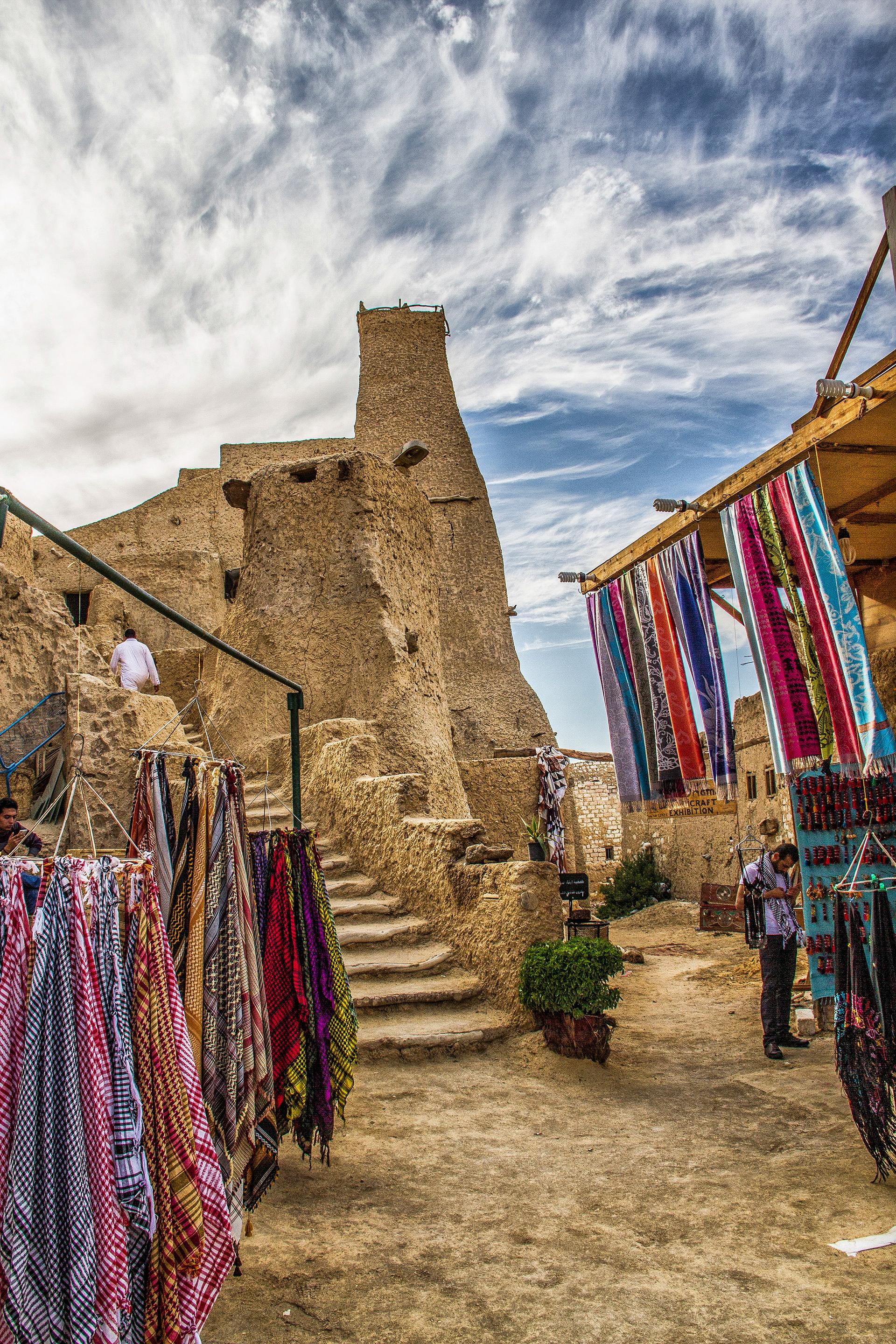
Looking beyond Cleopatra Spring? Discover Siwa Oasis for broader travel guides, local hot-spots, and regional highlights.
Explore Siwa Oasis
Discover Ain Safi Village in Siwa: A serene escape where lush gardens meet the stunning desert, offering tranquility and natural beauty.
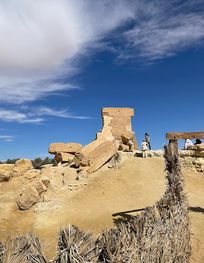
Explore the Temple of Umm Ubayd in Siwa Oasis, a historical landmark with ancient ruins and intricate carvings dedicated to the god Amun.