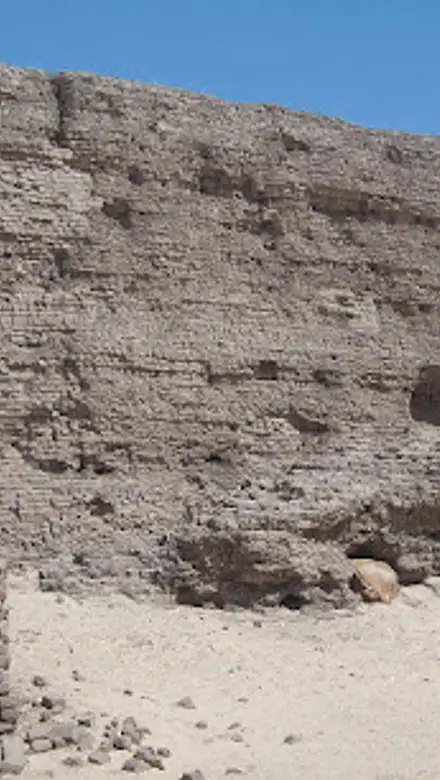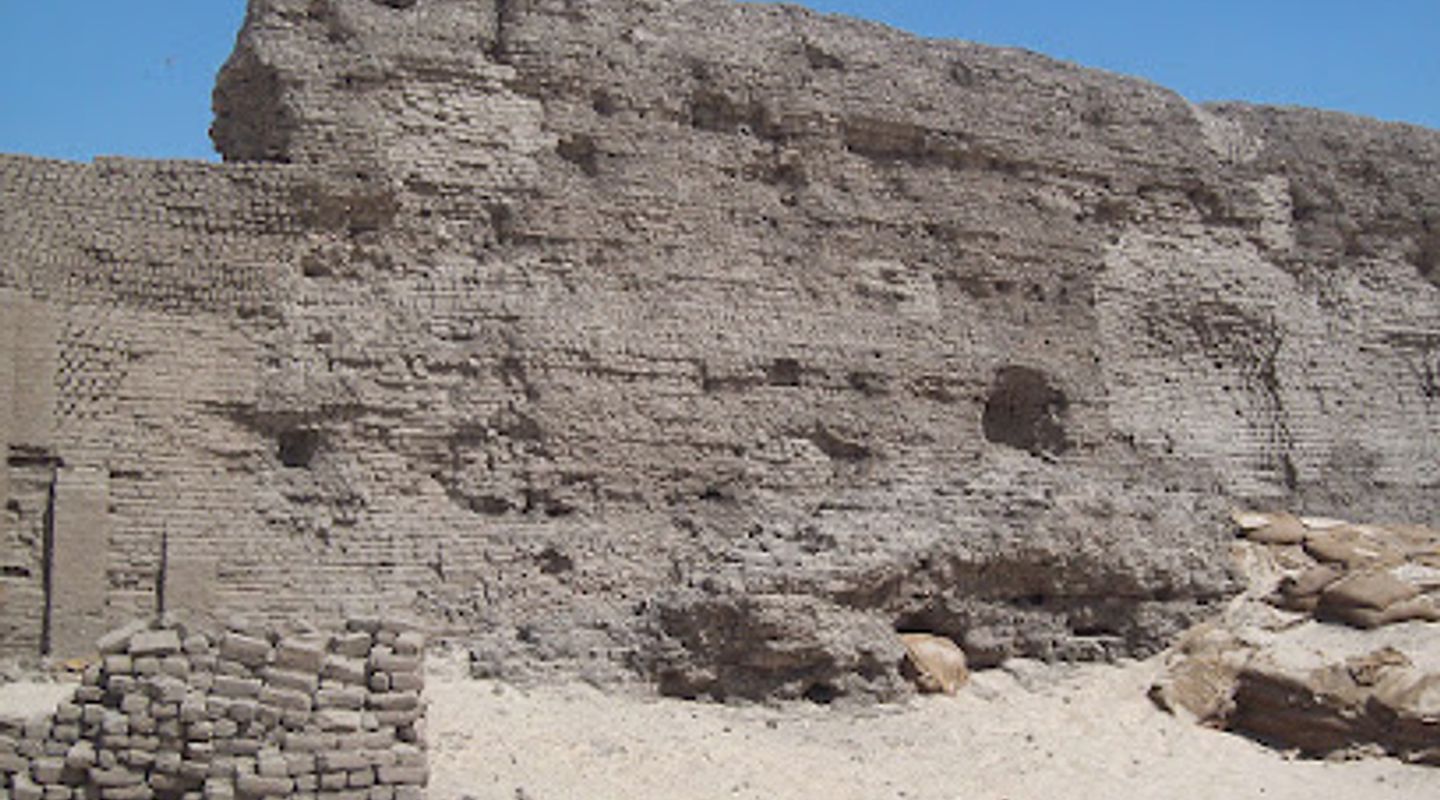
Shunet El Zebib, Upper Egypt Travel Guide
Explore Shunet El Zebib in Abydos, one of Egypt's oldest royal monuments, dating back to 2700 BCE, and a precursor to the iconic pyramids.
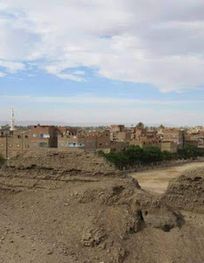
Shunet El Zebib, also known as Shuneh or Middle Fort, is a massive mudbrick structure in Abydos, Upper Egypt, dating back to around 2700 BCE. Built by King Khasekhemwy of the Second Dynasty, it served as a funerary enclosure and is one of the oldest standing royal monuments in Egypt. Its architecture is a precursor to the pyramid complexes of the Old Kingdom.
A brief summary to Shunet El Zebib
- 5WQ5+V4V, El Balyana, Bani Mansour, Sohag Governorate, 82873, EG
- Monday 7 am-5 pm
- Tuesday 7 am-5 pm
- Wednesday 7 am-5 pm
- Thursday 7 am-5 pm
- Friday 7 am-5 pm
- Saturday 7 am-5 pm
- Sunday 7 am-5 pm

Know before you go
Hi, I'm Eve. Here are a few practical things to know before exploring Shunet El Zebib.
- Wear comfortable shoes suitable for walking on uneven terrain, as the site is an ancient structure with original surfaces.
- Visit early in the morning to avoid the heat and crowds, especially during the summer months.
- Bring water and sunscreen, as there is limited shade available at the site.
- Hire a local guide to learn more about the history and significance of Shunet El Zebib.
- Check the opening hours before visiting, as they may vary depending on the season and holidays.
Do you manage this location?
Take control to get all the benefits, like improved information, better appearance, and stronger visibility across AI-powered discovery. Learn more about listing your business on Evendo
Activate your presenceOther nearby places you may find interesting
The closest places of the same kind, if this one is not quite what you had in mind.
Explore Shunet El Zebib on the Map
A handpicked selection of must-see spots near Shunet El Zebib, mapped for you.
Getting There
-
Taxi
From El Balyana, the most convenient way to reach Shunet El Zebib is by taxi. Taxis can be found near the train station or arranged through your accommodation. Negotiate the fare before starting your journey. A typical taxi ride from El Balyana to Shunet El Zebib takes approximately 15-20 minutes. Expect to pay around 50-80 EGP for a one-way trip. Confirm the price beforehand and ensure the driver knows the location of Shunet El Zebib.
-
Walking
While it is technically possible to walk to Shunet El Zebib from El Balyana, it is not recommended due to the distance (approximately 9-10km) and the lack of shade. The walk would take over 2 hours in the desert heat. If you choose to walk, bring plenty of water, wear appropriate clothing, and be aware of your surroundings. There are no entrance fees to access the general area.
Discover more about Shunet El Zebib













Your all‑in‑one travel companion app
Explore expert travel guides, compare and book tours, experiences, hotels, and more—all from the palm of your hand. Download now for seamless trip planning wherever your wanderlust takes you.


Explore More of Upper Egypt
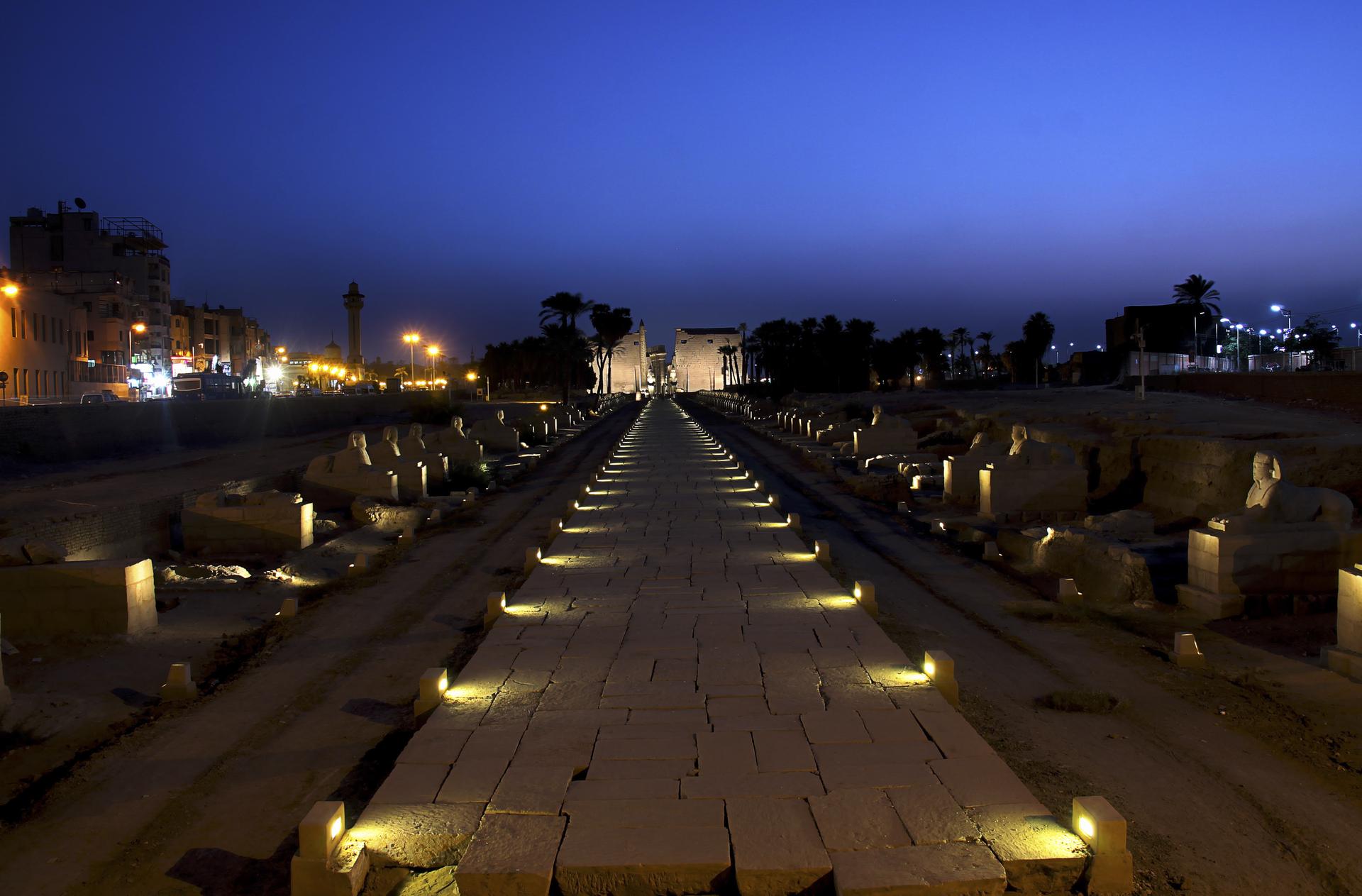
Looking beyond Shunet El Zebib? Discover Upper Egypt for broader travel guides, local hot-spots, and regional highlights.
Explore Upper Egypt
Sohag's Restaurant & Cafe Planet: A fusion of Japanese Izakaya and fast food in a vibrant, welcoming atmosphere. Open daily until 2:30 AM!
Explore Kom El Sultan in Sohag: An ancient Egyptian site with mud-brick structures, the Osiris Temple, and the only statue of Khufu discovered here.