

Free Upper Egypt Travel Guide & Mobile App
Explore Upper Egypt with free travel guides. Discover regional history, expert tips, proposed trips, and audio guides on web or mobile app.


Explore Upper Egypt from Minya to Aswan, with Nile landscapes, pharaonic temples, royal tombs, Nubian culture and desert-edge journeys.
Read more about Upper Egypt
When is the best time to visit Upper Egypt?
Best: February–March, November · 21–27°C| Month | High (°C) | Rainfall (mm) |
|---|---|---|
| January | 19 | 1 |
| February (best) | 21 | 1 |
| March (best) | 25 | 1 |
| April | 31 | 1 |
| May | 36 | 1 |
| June | 40 | 1 |
| July | 41 | 1 |
| August | 41 | 1 |
| September | 37 | 1 |
| October | 33 | 1 |
| November (best) | 27 | 1 |
| December | 21 | 1 |
Getting to and around Upper Egypt
How to get there
Transportation
Top city travel guides in Upper Egypt
The cities of Upper Egypt, and the easiest places to base yourself.
-

-

-

-

-

-


Swipe for more cities
Destinations in Upper Egypt
Resorts, valleys and scenic spots worth a trip of their own.
-
-

-

-

-

-


Swipe for more destinations
Best attractions in Upper Egypt
Upper Egypt's attractions follow the Nile in a chain of archaeological zones, historic towns and river landscapes. Luxor provides the densest concentration, with Karnak, Luxor Temple, the Valley of the Kings, the Valley of the Queens and the west-bank mortuary temples forming a connected but extensive heritage itinerary. North of Luxor, Dendera's Temple of Hathor is distinguished by its well-preserved reliefs and astronomical imagery, while Abydos offers a more reflective pilgrimage landscape centred on the Temple of Seti I. Around Minya, Beni Hasan's rock-cut tombs and the Amarna area reveal provincial and royal life beyond the main tourist circuit. South of Luxor, Edfu and Kom Ombo preserve major Graeco-Roman temples on the traditional river route to Aswan. Aswan adds felucca sailing, granite islands, desert-edge walks and Nubian cultural experiences, with Philae on Agilkia Island as its principal ancient sanctuary. Abu Simbel, in Egypt's far south and commonly visited from Aswan, is a major but more remote excursion. Museums, local markets and contemporary riverside life provide useful counterpoints to the monuments.
-
Archaeological museum
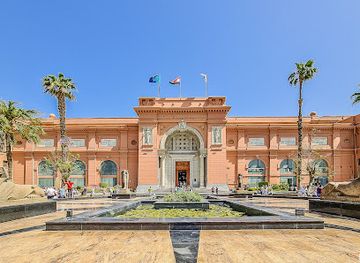
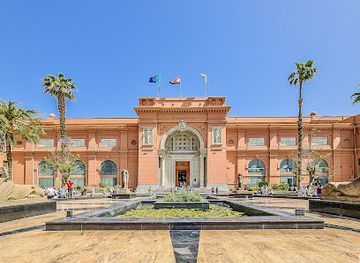
The Egyptian Museum in Cairo
Explore the treasure trove of ancient artifacts at The Egyptian Museum in Cairo, a must-visit for history enthusiasts and curious travelers alike.
-
Tourist attraction
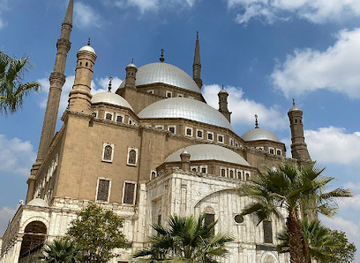
Citadel of Salah al-Din al-Ayyubi
Explore the historic Citadel of Salah al-Din al-Ayyubi in Cairo, a remarkable fortress showcasing stunning architecture and rich Egyptian heritage.
-
Historical landmark
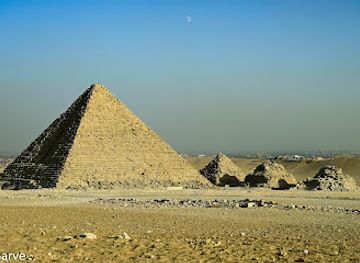
The Great Pyramid of Giza
Explore the Great Pyramid of Giza, an ancient wonder and symbol of Egypt's rich cultural heritage, standing tall for over 4,500 years.
-
Museum
The National Museum of Egyptian Civilization
Explore the National Museum of Egyptian Civilization for an unforgettable journey through Egypt's rich historical landscape, featuring ancient artifacts and captivating exhibits.

Best landmarks in Upper Egypt
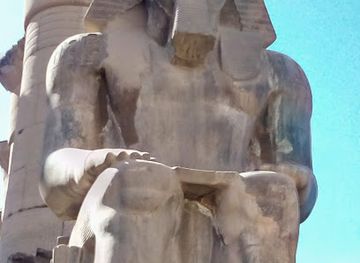
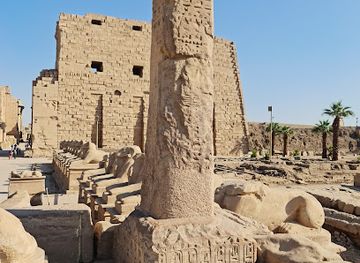
The monumental skyline of Upper Egypt is defined by places that combine architectural scale with enduring religious or royal significance. The pylons and obelisks of Luxor Temple stand within the modern city, while the immense courts and sacred avenues of Karnak express the long importance of Amun's cult at Thebes. On the west bank, the cliffs above the Valley of the Kings mark a royal cemetery whose painted tombs transformed the desert into a funerary landscape; the Temple of Hatshepsut rises against the same escarpment in distinctive terraces. The Temple of Seti I at Abydos is renowned for its refined reliefs and historical importance, and Dendera's circular zodiac and monumental Hathor columns remain recognisable symbols of late temple Egypt. Further south, Edfu's great gateway and Kom Ombo's riverside setting preserve the form of Ptolemaic temple cities. At Aswan, the granite outcrops, the First Cataract landscape and Philae's island sanctuary give the Nile a markedly different character, while Abu Simbel's rock-cut façades represent one of the region's most ambitious modern heritage-rescue stories.
-
Archaeological museum
The Egyptian Museum in Cairo
Explore over 120,000 ancient Egyptian artifacts at the Egyptian Museum in Cairo, a historical landmark in Tahrir Square. A journey through millennia of history.
-
Archaeological site
Luxor Temple
Explore Luxor Temple, a strikingly graceful monument in the heart of modern Luxor, and discover ancient Egypt's captivating history and architecture.
-
Historical place
Karnak
Explore Karnak Temple, the largest ancient religious complex in the world, a sprawling testament to the power and artistry of Ancient Egypt.
-
 Monument
Great Sphinx of Giza
Marvel at the Great Sphinx of Giza, an iconic monument of ancient Egypt, guarding the Giza Plateau for millennia.
Explore Upper Egypt on the map
Plan your trip on one map. See where the top cities, national parks and sights are, and book hotels and experiences in a few clicks.
Best hotels in Upper Egypt
Best restaurants in Upper Egypt
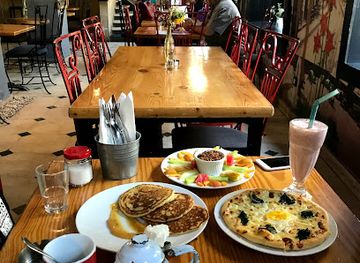
Dining in Upper Egypt combines Egypt-wide staples with ingredients and habits shaped by the Nile Valley. In Luxor and Aswan, restaurants serving visitors sit alongside local cafés, juice stalls and simple eateries offering ful medames, ta'meya, koshari, molokhia, grilled meats, rice, bread and freshwater fish. Pigeon, often served with rice, is available in many parts of Egypt, while seasonal vegetables, dates and sugar-cane products reflect the agricultural landscape. Aswan's Nubian communities contribute distinctive home-style dishes and generous use of spices, though recipes vary between households and venues. Riverside hotels and cruise boats provide more formal dining, while market areas are useful for observing everyday food culture. Outside the main visitor centres, choices can be more limited and opening patterns less predictable, so travellers with dietary requirements should explain them clearly and carry suitable snacks on longer archaeological journeys.
-
Restaurant
Eish + Malh
Discover Eish + Malh: A vibrant dining destination in Downtown Cairo offering diverse cuisine and live entertainment.
-
Restaurant
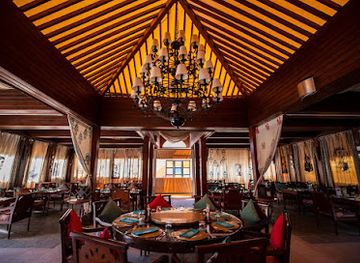
Al Khal Egyptian Restaurant
Experience authentic Egyptian cuisine at Al Khal Restaurant in Heliopolis, where every meal is a celebration of rich flavors and culinary tradition.
-
Restaurant
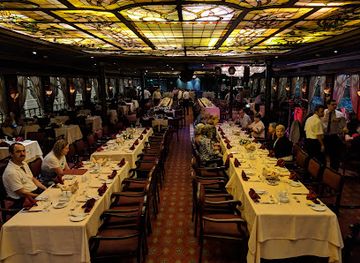
Nile Maxim
Experience luxury dining on the Nile at Nile Maxim, where exquisite cuisine meets breathtaking views in Cairo.
-
Swiss
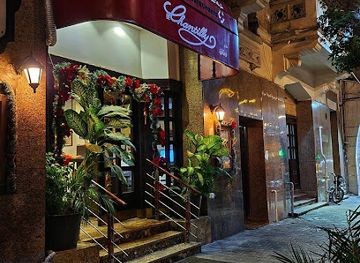
Le Chantilly Restaurant
Experience authentic Swiss flavors fused with local Egyptian delights at Le Chantilly Restaurant in Heliopolis.
Best bars in Upper Egypt
Nightlife in Upper Egypt is generally quieter and more social than club-focused. Luxor has the broadest visitor-oriented evening scene, centred on hotel bars, riverside restaurants, traditional cafés and occasional live music rather than a large nightclub circuit. Aswan offers felucca sunsets, Nubian music, cafés and hotel terraces, with evenings often shaped by the river and the cooler air after sunset. In smaller Nile towns such as Qena, Sohag and Minya, evening life is primarily found in family restaurants, tea cafés, sweet shops and busy markets; alcohol is less visible and availability varies by establishment. Cruise boats may provide organised evening entertainment, but programmes change by itinerary. Visitors should dress and behave respectfully in conservative communities, and should not assume that drinking is central to experiencing local culture.
-
Restaurant
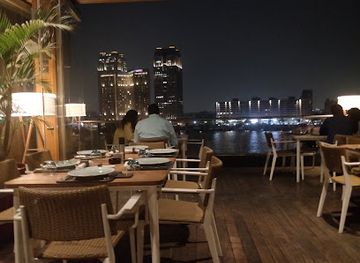
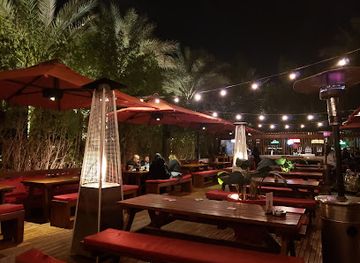
Crimson Bar & Grill, Cairo, Egypt.
Experience the exquisite flavors of Egypt and beyond at Crimson Bar & Grill, where culinary artistry meets breathtaking Nile views.
-
Grill
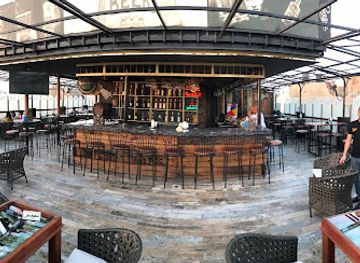
The Tap East
Experience the vibrant dining scene at The Tap East, where exquisite grills meet a lively bar atmosphere in the heart of New Cairo.
-
Grill
Paradise Roof
Experience a vibrant blend of Mediterranean flavors at Paradise Roof, a rooftop grill and tapas bar in Heliopolis, Cairo, perfect for culinary enthusiasts.
-
Bar
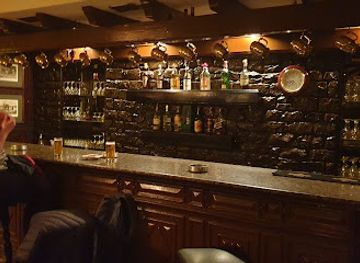
Pub 28
Discover the lively ambiance and diverse drink selection of Pub 28, a premier bar in Zamalek, Cairo, perfect for a night out.
Best nightclubs in Upper Egypt
Nightlife in Upper Egypt is generally quieter and more social than club-focused. Luxor has the broadest visitor-oriented evening scene, centred on hotel bars, riverside restaurants, traditional cafés and occasional live music rather than a large nightclub circuit. Aswan offers felucca sunsets, Nubian music, cafés and hotel terraces, with evenings often shaped by the river and the cooler air after sunset. In smaller Nile towns such as Qena, Sohag and Minya, evening life is primarily found in family restaurants, tea cafés, sweet shops and busy markets; alcohol is less visible and availability varies by establishment. Cruise boats may provide organised evening entertainment, but programmes change by itinerary. Visitors should dress and behave respectfully in conservative communities, and should not assume that drinking is central to experiencing local culture.
-
Night club
Cairo Jazz Club
Discover the rhythm of Cairo at Cairo Jazz Club, where live music ignites the night in a vibrant atmosphere.
-
Bar
Gu Lounge
Discover the exhilarating nightlife at Gu Lounge, a premier bar and disco club in Zamalek, Cairo, offering stunning Nile views and vibrant entertainment.
-
Night club
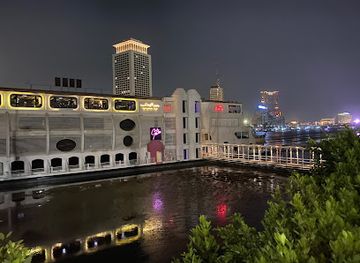
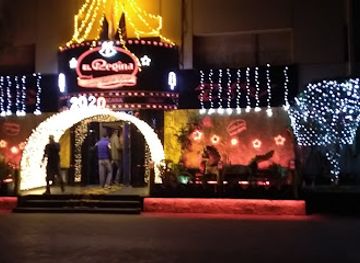
El-Regina Club Nile Tower
Discover the vibrant nightlife of Giza at El-Regina Club, where the Nile meets electrifying entertainment.
-
Disco club
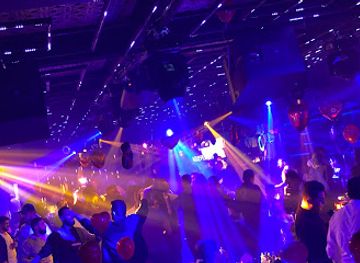
OMNI club cairo
Experience the vibrant nightlife at OMNI Club Cairo, the ultimate disco destination in Zamalek, where music and dance unite for an unforgettable evening.

Best shops in Upper Egypt
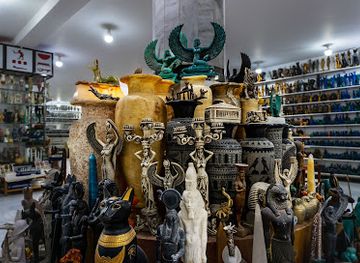
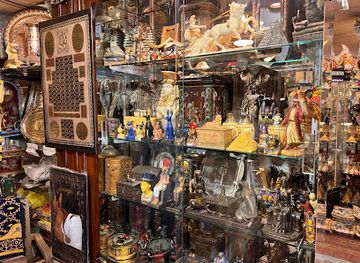
Shopping in Upper Egypt is strongest in the market streets of Luxor and Aswan, where spices, tea, dates, baskets, cotton garments, scarves, small alabaster objects and papyrus-themed souvenirs are widely offered. Quality varies considerably, so visitors should ask how an item was made and compare several shops before buying, particularly for stonework or purported antiques. Aswan and nearby Nubian communities are associated with colourful textiles, beadwork and locally styled crafts, while agricultural towns along the Nile sell seasonal fruit, dates, molokhia and other everyday produce rather than specialist souvenirs. Luxor has the broadest selection of art, books, jewellery and tourism-oriented craft shops, whereas shopping in Minya, Sohag and Qena is more closely connected to local markets and practical goods. Bargaining is customary in many independent stalls but not necessarily in fixed-price shops, museums or established retailers; never purchase antiquities or archaeological material.
-
Shopping mall
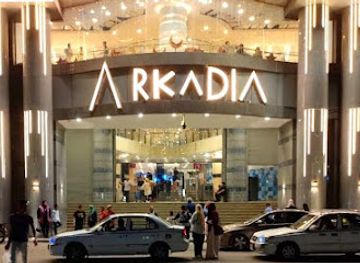
Arkadia Mall
Explore Arkadia Mall in Cairo for an unforgettable shopping and dining experience amidst a vibrant cultural scene, perfect for tourists.
-
Women's clothing store
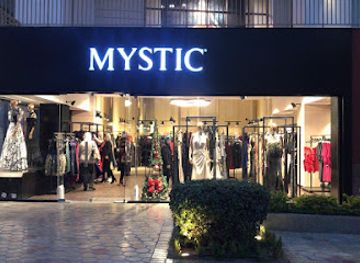
MYSTIC Cairo Festival City
Explore MYSTIC Cairo Festival City for a unique women's clothing shopping experience with stylish dresses and accessories in the heart of Cairo.
-
Gift shop
Imhotep Alabaster Luxor
Discover unique Egyptian souvenirs and handcrafted treasures at Imhotep Alabaster in Luxor, a must-visit for every traveler.
-
Souvenir store
Gift Shop Bazaar
Explore Gift Shop Bazaar, the ultimate souvenir store in Cairo, filled with handcrafted treasures and unique gifts that capture Egypt's rich heritage.
Get your free copy of our complete guide to Upper Egypt, delivered straight to you.
Everything on this page, from attractions and restaurants to essentials and local phrases, in one PDF you can read offline, print or share.
Already have an account? Sign in
Your Upper Egypt guide is ready.
We'll send it to · Not you? Sign out

Getting your guide ready…
We are putting together a fresh copy of the Upper Egypt guide. This can take up to a minute.
This can take a few moments. If your browser asks, choose Allow so the download can start. You'll find the guide in your Downloads folder.
Nothing happened? Download it again
Sorry, the guide is taking longer than usual. Please try again in a minute, or get it by email instead.
Upper Egypt essentials
Currency and Payment
Safety
Emergency Situations
Do's and Don'ts
Local Tips
From Eve
Local phrases worth knowing
You don't need to get them perfect. A few words go a long way, and locals appreciate the effort.
Basics
| English | Local | Say it |
|---|---|---|
| Hello | Howdy | [haʊdi] |
| Goodbye | See ya | [si jə] |
| Yes | Yep | [jɛp] |
| No | Nope | [noʊp] |
| Please/You're welcome | Sure thing | [ʃʊr θɪŋ] |
| Thank you | Thanks a lot | [θæŋks ə lɑt] |
| Excuse me/Sorry | Pardon me | [ˈpɑrdən mi] |
| How are you? | How ya doin'? | [haʊ jə ˈduɪn] |
| Fine. And you? | Good, and you? | [ɡʊd ənd ju] |
| Do you speak English? | Do ya speak English? | [du jə spiːk ˈɪŋɡlɪʃ] |
| I don't understand | I ain't gettin' it | [aɪ eɪnt ˈɡɛtɪn ɪt] |
Eating & Drinking
| English | Local | Say it |
|---|---|---|
| I'd like to see the menu, please | Can I see the menu? | [kæn aɪ si ðə ˈmɛnju] |
| I don't eat meat | I don't do meat | [aɪ doʊnt du mit] |
| Cheers! | Cheers! | [tʃɪrz] |
| I would like to pay, please | I'd like to settle up | [aɪd laɪk tə ˈsɛtəl ʌp] |
Emergencies
| English | Local | Say it |
|---|---|---|
| Help! | Help! | [hɛlp] |
| Go away! | Get lost! | [ɡɛt lɔst] |
| Call the Police! | Call the cops! | [kɔl ðə kɑps] |
| Call a doctor! | Get a doctor! | [ɡɛt ə ˈdɑktər] |
| I'm lost | I'm turned around | [aɪm tɜrnd əˈraʊnd] |
| I'm ill | I'm not feelin' well | [aɪm nɑt ˈfiːlɪn wɛl] |
Shopping
| English | Local | Say it |
|---|---|---|
| I'd like to buy... | I wanna buy... | [aɪ ˈwɑnə baɪ] |
| I'm just looking | Just browsin' | [dʒʌst ˈbraʊzɪn] |
| How much is it? | What’s the price? | [wʌts ðə praɪs] |
| That's too expensive | That's way too pricey | [ðæts weɪ tu ˈpraɪsi] |
| Can you lower the price? | Can ya drop the price? | [kæn jə drɑp ðə praɪs] |
Time & Numbers
| English | Local | Say it |
|---|---|---|
| What time is it? | What time is it? | [wʌt taɪm ɪz ɪt] |
| It's one o'clock | It's one o'clock | [ɪts wʌn əˈklɑk] |
| Half past (10) | Half past ten | [hæf pæst tɛn] |
| Morning | Mornin' | [ˈmɔrnɪn] |
| Afternoon | Afternoon | [ˌæf.tɚˈnun] |
| Evening | Evenin' | [ˈivnɪn] |
| Yesterday | Yesterday | [ˈjɛstərdeɪ] |
| Today | Today | [təˈdeɪ] |
| Tomorrow | Tomorrow | [təˈmɔroʊ] |
| 1 | One | [wʌn] |
| 2 | Two | [tu] |
| 3 | Three | [θri] |
| 4 | Four | [fɔr] |
| 5 | Five | [faɪv] |
| 6 | Six | [sɪks] |
| 7 | Seven | [ˈsɛvən] |
| 8 | Eight | [eɪt] |
| 9 | Nine | [naɪn] |
| 10 | Ten | [tɛn] |
Transport & Directions
| English | Local | Say it |
|---|---|---|
| Where's a/the...? | Where's the...? | [wɛrz ðə] |
| What's the address? | What’s the address? | [wʌts ði əˈdrɛs] |
| Can you show me (on the map)? | Can ya point it out? | [kæn jə pɔɪnt ɪt aʊt] |
| When's the next (bus)? | When's the next bus? | [wɛn z ðə nɛkst bʌs] |
| A ticket (to ....) | A ticket to ... | [ə ˈtɪkɪt tə] |
History of Upper Egypt
Predynastic Nile Communities
The Nile Valley of Upper Egypt supported settled farming communities long before the pharaonic state emerged. Archaeological sites around Badari, Naqada and the wider Qena region reveal changing burial customs, craft production, trade and social organisation during the fourth and fifth millennia BC. Naqada culture is particularly important because its material traditions spread widely and helped form the cultural foundations of early dynastic Egypt. The river provided water, fertile soil and a transport route, while the surrounding deserts supplied stone, minerals and protected spaces for cemeteries.
Thebes and the New Kingdom
Thebes, centred on modern Luxor, became one of ancient Egypt's most powerful cities, especially during the New Kingdom from approximately the sixteenth to the eleventh centuries BC. Kings based their religious authority around Amun at Karnak and built ceremonial monuments on both banks of the Nile. The west bank developed as a royal and elite necropolis, including the Valley of the Kings, while the east bank remained associated with temples and urban life. The concentration of monuments around Luxor reflects Thebes's role as both a political capital and a sacred centre.
Abydos and the Cult of Osiris
Abydos, in modern Sohag Governorate, was among Egypt's most important religious centres. It was closely associated with Osiris, god of the dead, and attracted pilgrims who sought a connection with the divine afterlife. Earlier royal monuments and cemeteries helped establish its prestige, while later rulers added temples and commemorative structures. The Temple of Seti I, built during the nineteenth dynasty, is notable for its finely carved reliefs and its list of royal ancestors. Abydos illustrates how religious importance could endure across many centuries and dynasties.
Greeks, Romans and Nile Temple Cities
After Alexander the Great's conquest in 332 BC, Upper Egypt became part of the Ptolemaic kingdom and later the Roman Empire. Local priesthoods continued to operate major sanctuaries, often combining Egyptian religious forms with Greek and Roman patronage. The temples at Dendera, Edfu and Kom Ombo largely belong to this later tradition, although they continued older sacred associations. Their monumental reliefs record rituals, deities and royal ceremonies at a time when Egypt was governed from outside, demonstrating both political change and the resilience of local religious institutions.
Christianity and the Coptic Nile Valley
Christianity spread through Egypt in late antiquity, and Upper Egypt became an important centre of monastic life. Desert margins offered retreat for ascetics and communities, while older temples and settlements were gradually adapted, abandoned or absorbed into new Christian landscapes. Monastic traditions associated with figures such as Pachomius developed in the southern Nile Valley and influenced Christian communal practice beyond Egypt. Coptic heritage remains visible in churches, monasteries, manuscripts and religious communities, although the surviving evidence is often dispersed and not always incorporated into standard temple itineraries.
Islamic Rule and River Commerce
Following the Arab conquest in the seventh century, Upper Egypt became part of successive Islamic states while retaining substantial Christian communities and older agricultural patterns. Towns along the river served as centres of administration, craft and trade, and the Nile remained the principal transport artery. Medieval and early modern travellers described markets, canals, cultivated land and caravan links between the valley and the Eastern and Western Deserts. Islamic architecture and rural settlement gradually became as important to the lived landscape as the ancient monuments that later attracted European travellers.
Modern Irrigation and the Aswan Dams
Modern Upper Egypt was transformed by large-scale irrigation works, cotton and sugar cultivation, railways and the expansion of river towns. The Aswan Low Dam, completed in the early twentieth century, and the Aswan High Dam, opened in 1971, altered flood control, agricultural management and the region's relationship with the Nile. The High Dam also created Lake Nasser and required the relocation of Nubian communities and the rescue or relocation of important monuments, most famously the temples of Abu Simbel and Philae. These changes shaped both contemporary livelihoods and the modern heritage landscape.
Upper Egypt in Photos
Browse through our photo collection highlighting the charm and character of the destination.
Neighbouring regions of Upper Egypt
The closest regions to Upper Egypt, if you have time for more than one.
-

-

-

-

-


Swipe for more regions
Explore more
Explore more of Egypt
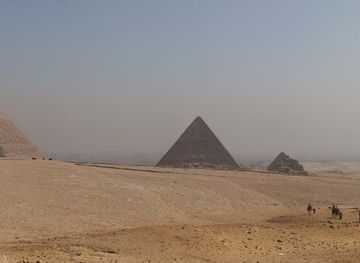
Discover Egypt: From the timeless pyramids to the vibrant Red Sea, experience a land where ancient wonders meet modern adventures.
Explore Egypt