

Free Jõhvi Travel Guide & Mobile App
Plan your Jõhvi trip with Evendo. Get free guides to top attractions, restaurants, hotels, and bars. Web access or download the mobile app.


Jõhvi, Estonia, pairs a medieval church, concert hall and oil-shale heritage with forested Ida-Viru landscapes and easy rail connections for sightseeing.
A Parish Town in Estonia’s Northeast
Jõhvi stands in northeastern Estonia, serving as the administrative centre of Ida-Viru County and an important link between Tallinn, Narva and the wider Baltic region. Its setting is defined by the transition between settled townscape and the forests, wetlands and industrial landscapes of northeastern Estonia. The town is compact and practical to explore, with its principal cultural sights gathered around the centre, railway station and green public spaces.Read more about Jõhvi
Church, Concert Hall and Civic Life
Industrial Heritage and Ida-Viru Landscapes
When is the best time to visit Jõhvi?
Best: June–August · 17–20°C| Month | High (°C) | Rainfall (mm) |
|---|---|---|
| January | -2 | 28 |
| February | -1 | 25 |
| March | 0 | 24 |
| April | 6 | 22 |
| May | 12 | 24 |
| June (best) | 17 | 33 |
| July (best) | 20 | 36 |
| August (best) | 19 | 36 |
| September | 14 | 32 |
| October | 9 | 35 |
| November | 3 | 34 |
| December | 1 | 32 |
Getting to and around Jõhvi
How to get there
Transportation
Best attractions in Jõhvi
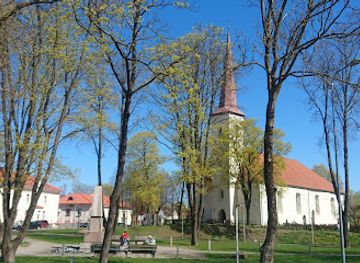
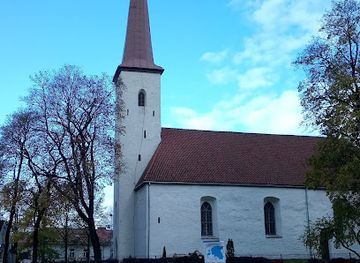
Jõhvi’s principal attractions are concentrated in a manageable central area. St Michael’s Church is the town’s essential historical sight, combining medieval origins with the heavy stone character of a fortified parish church; its church museum adds context to the building and local religious history. Jõhvi Concert Hall provides a striking modern counterpoint and hosts music, theatre and cultural events for the county. Around these buildings, central park and the town’s pedestrian routes offer a pleasant way to absorb everyday civic life rather than following a conventional monument trail. The railway station reflects Jõhvi’s enduring role as a transport centre, while the wider Ida-Viru landscape introduces forests, former industrial areas and the visible legacy of oil-shale extraction. Visitors interested in regional history can use Jõhvi as a base for excursions to nearby towns and heritage sites, though these lie outside the town itself.
-
Tourist attraction
Estonian Evangelical Lutheran Church Of Jõhvi
Experience the serene beauty and rich history of the Estonian Evangelical Lutheran Church in Jõhvi, a stunning neo-Gothic architectural gem.
12 min walk · 1.0 km from city centre
-
Tourist attraction
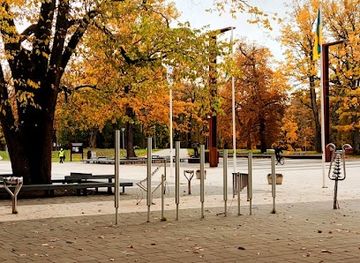
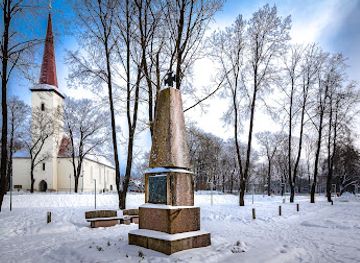
Jõhvi Muusikaväljak
Experience the vibrant music culture at Jõhvi Muusikaväljak, a captivating destination in Jõhvi, Estonia, perfect for music lovers and culture seekers.
6 min walk · 0.5 km from city centre
-
Tourist attraction
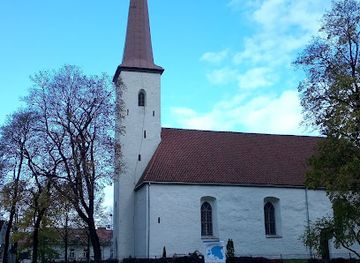
Jõhvi kiriku muuseum
Explore the Jõhvi Church Museum and uncover the rich history and culture of Estonia through its captivating exhibits and stunning artifacts.
11 min walk · 0.9 km from city centre
-
Park
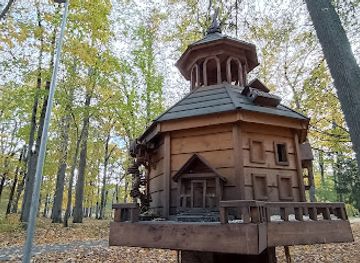
Jõhvi Linna park.
Explore Jõhvi Linna Park: A serene urban escape in Estonia with lush greenery, vibrant flowers, and recreational activities for all.
8 min walk · 0.6 km from city centre
Best landmarks in Jõhvi
St Michael’s Church is Jõhvi’s defining landmark, a medieval parish church whose thick masonry and defensive features reflect the unsettled history of northern Estonia. Its tower and churchyard give the town a strong historical focus, while the associated museum helps explain the building’s religious and local significance. Jõhvi Concert Hall represents a different chapter in the town’s story: its contemporary architecture and regional programme express the cultural ambitions of modern Ida-Viru. The railway station is a quieter but meaningful landmark, recalling the 1870 Tallinn–St Petersburg railway and the connections that helped Jõhvi grow beyond a rural parish centre. Central park and the civic spaces around the church and concert hall complete the town’s visual core, linking historic, cultural and everyday public life.
-
 Hotel
HotelHotel Wironia
Discover warm hospitality and modern comfort at Hotel Wironia, your perfect base in Jõhvi, Ida-Viru County.
12 min walk · 1.0 km from city centre
-
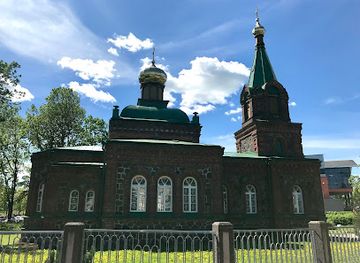
Russian Orthodox church
Jõhvi Jumalailmutamise apostliku õigeusu kirik
Discover the architectural beauty and rich spiritual heritage of Jõhvi Jumalailmutamise Apostliku Õigeusu Kirik in Estonia, a must-visit for all travelers.
8 min walk · 0.6 km from city centre
-
Lutheran church
Estonian Evangelical Lutheran Church Of Jõhvi
Discover the architectural beauty and serene ambiance of the Estonian Evangelical Lutheran Church in Jõhvi, a must-visit cultural landmark.
12 min walk · 1.0 km from city centre
-
Museum
Jõhvi kiriku muuseum
Discover the rich history and cultural heritage of Estonia at Jõhvi Church Museum, a captivating tourist attraction in Ida-Viru County.
11 min walk · 0.9 km from city centre
Explore Jõhvi on the map
Plan your Jõhvi trip on one map. See where the top attractions, landmarks, restaurants, bars and hotels are, find what's near where you're staying, and book hotels and experiences in a few clicks.
Best hotels in Jõhvi
Best restaurants in Jõhvi
Jõhvi’s dining scene reflects northeastern Estonia’s practical regional character and multicultural population rather than a large destination-restaurant circuit. Estonian staples such as rye bread, potatoes, dairy products, soups and pork appear alongside fish and seasonal berries, while cafés and casual restaurants may also show Russian and broader eastern influences in their menus. Bakery counters, shopping-centre cafés and everyday lunch restaurants are useful places to encounter local routines, and markets provide opportunities to see seasonal produce and preserved foods. The town’s compact centre has more modest dining provision than Tallinn or Tartu, so evening choices can be limited outside the principal commercial areas. Regional specialities such as smoked fish or wild mushrooms are more likely to appear seasonally than as fixed menus, and nearby Ida-Viru towns broaden the choice for visitors exploring the county.
-
Georgian
Gruusia trahter Mimino
Savor authentic Georgian cuisine at Gruusia trahter Mimino in Jõhvi - where tradition meets flavor in every dish.
6 min drive · 2.1 km from city centre
-
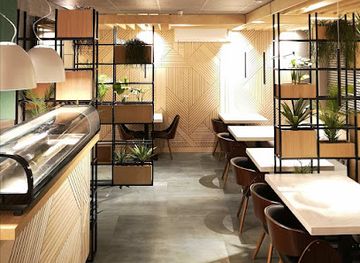
Sushi
Ocean Sushi- Baar
Experience the best of Japanese cuisine at Ocean Sushi in Jõhvi - where fresh flavors meet exceptional quality.
11 min walk · 0.8 km from city centre
-
Restaurant
Wironia Pubi
Savor authentic Estonian cuisine at Wironia Pubi in Jõhvi - where tradition meets flavor in a cozy atmosphere.
12 min walk · 1.0 km from city centre
-
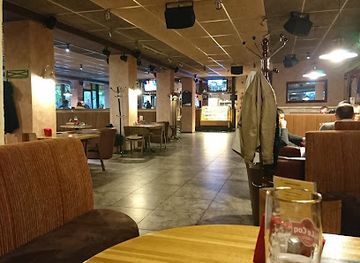
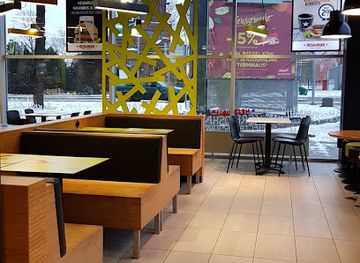
Fast Food
Hesburger Tsentraal
Discover delicious fast food at Hesburger Tsentraal in Jõhvi - where every bite brings joy!
9 min walk · 0.7 km from city centre

Best bars in Jõhvi
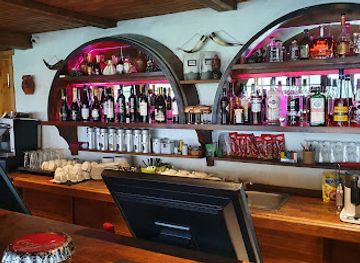
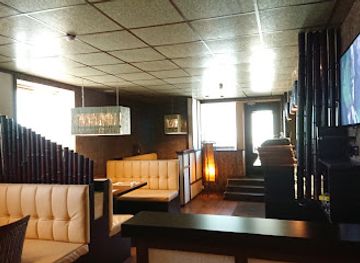
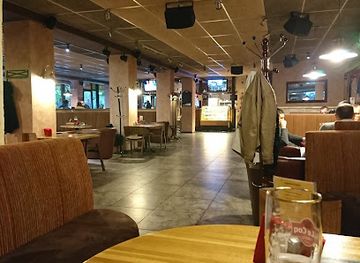
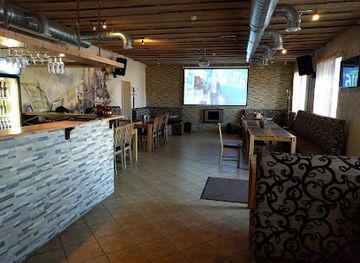
Jõhvi has a restrained evening scene suited more to cultural events, cafés and relaxed drinks than to large-scale clubbing. Jõhvi Concert Hall is the most important evening venue, presenting concerts, theatre and other performances that bring audiences from across Ida-Viru. Restaurants and hotel or town-centre bars provide places for an unhurried drink, while occasional festivals and local events animate public spaces. The atmosphere is regional and low-key rather than built around a concentrated nightlife district, and late-night options are limited compared with Estonia’s larger cities. Visitors should check current cultural programmes and transport arrangements in advance, particularly when attending an evening performance and returning to accommodation outside the centre.
-
Georgian
Gruusia trahter Mimino
Discover the authentic taste of Georgian cuisine at Gruusia Trahter Mimino in Jõhvi, where every dish tells a story of flavor and tradition.
6 min drive · 2.1 km from city centre
-
Sushi
Ocean Sushi- Baar
Discover the taste of Japan at Ocean Sushi in Jõhvi, where fresh ingredients meet culinary artistry for an unforgettable dining experience.
11 min walk · 0.8 km from city centre
-
Restaurant
Wironia Pubi
Experience the best of Estonian cuisine at Wironia Pubi in Jõhvi, where tradition meets modernity in a cozy setting.
12 min walk · 1.0 km from city centre
-
Restaurant
Alzur Grand Cafe
Experience the heart of Jõhvi at Alzur Grand Cafe, where delightful flavors and a warm atmosphere come together for an unforgettable dining experience.
10 min walk · 0.8 km from city centre
Best nightclubs in Jõhvi
Jõhvi has a restrained evening scene suited more to cultural events, cafés and relaxed drinks than to large-scale clubbing. Jõhvi Concert Hall is the most important evening venue, presenting concerts, theatre and other performances that bring audiences from across Ida-Viru. Restaurants and hotel or town-centre bars provide places for an unhurried drink, while occasional festivals and local events animate public spaces. The atmosphere is regional and low-key rather than built around a concentrated nightlife district, and late-night options are limited compared with Estonia’s larger cities. Visitors should check current cultural programmes and transport arrangements in advance, particularly when attending an evening performance and returning to accommodation outside the centre.
-
Bar
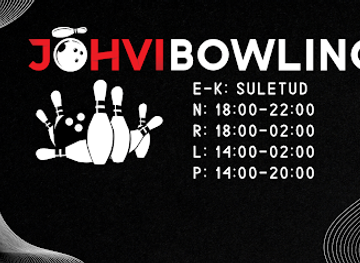
Jõhvi Bowling
Experience the excitement of bowling and vibrant nightlife at Jõhvi Bowling, the ultimate sports bar in Jõhvi, Estonia.
5 min drive · 1.7 km from city centre
-
Bar
Jõhvi Kelder Pub & Baar
Discover the heart of Jõhvi at Jõhvi Kelder Pub & Baar, where local beers and traditional Estonian dishes await in a cozy atmosphere.
10 min walk · 0.8 km from city centre
-
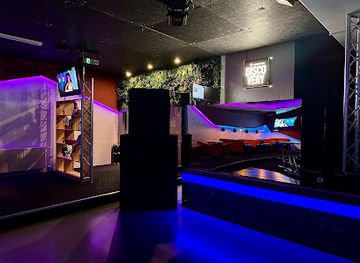
Disco club
Discovery Club
Discover the ultimate nightlife experience at Discovery Club in Jõhvi, a disco haven featuring karaoke, a hookah bar, and electrifying entertainment.
6 min walk · 0.5 km from city centre
-
Night club
Hi-Fi Boutique
Discover the electric atmosphere of Hi-Fi Boutique, Jõhvi's premier night club for music lovers and party enthusiasts.
13 min walk · 1.1 km from city centre

Best shops in Jõhvi
Shopping in Jõhvi is primarily local and practical, with commercial centres, supermarkets, independent services and a town market serving residents from the surrounding county. The market is the most useful place to look for seasonal produce, preserves, baked goods and other everyday foods, while larger retail areas provide clothing, household goods and cafés rather than a specialised tourist-shopping scene. Visitors seeking regional souvenirs can look for Estonian food products, woollen goods, handicrafts and items connected with northeastern Estonia, although availability varies between shops and seasons. The town’s retail character reflects its role as an administrative and transport centre: modern shopping facilities sit alongside ordinary local commerce, and the most distinctive purchases are often edible or handmade rather than luxury goods.
-
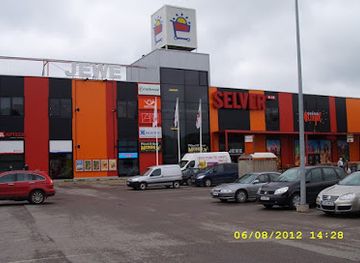
Shopping mall
Jewe Center
Explore the Jewe Center in Jõhvi for a diverse shopping experience, delightful dining, and community-focused events in a modern setting.
6 min walk · 0.5 km from city centre
-
Shopping mall
Jõhvikas
Experience the vibrant shopping scene at Jõhvikas in Jõhvi, Estonia, where diverse shops and delightful dining await every visitor.
9 min walk · 0.7 km from city centre
-
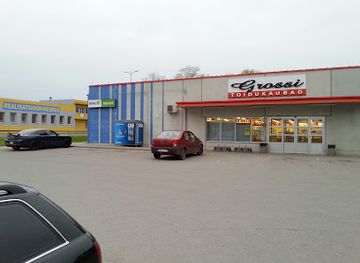
Grocery store
Grossi Toidukaubad
Discover local flavors and international delights at Grossi Toidukaubad, the premier grocery store in Jõhvi, Estonia.
12 min walk · 1.0 km from city centre
-
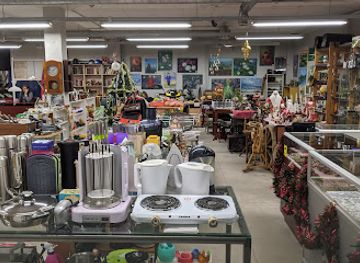
Discount store
Realiseerimiskeskus Jõhvi
Experience the joy of budget-friendly shopping at Realiseerimiskeskus Jõhvi, a discount store offering a vast selection of unique items for every traveler.
7 min walk · 0.6 km from city centre

Get your free copy of our complete guide to Jõhvi, delivered straight to you.
Everything on this page, from attractions and restaurants to essentials and local phrases, in one PDF you can read offline, print or share.
Already have an account? Sign in
Your Jõhvi guide is ready.
We'll send it to · Not you? Sign out

Getting your guide ready…
We are putting together a fresh copy of the Jõhvi guide. This can take up to a minute.
This can take a few moments. If your browser asks, choose Allow so the download can start. You'll find the guide in your Downloads folder.
Nothing happened? Download it again
Sorry, the guide is taking longer than usual. Please try again in a minute, or get it by email instead.
Jõhvi essentials
Currency and Payment
Safety
Emergency Situations
Do's and Don'ts
Local Tips
From Eve
Local phrases worth knowing
You don't need to get them perfect. A few words go a long way, and locals appreciate the effort.
Basics
| English | Local | Say it |
|---|---|---|
| Hello | Tere | [teh-reh] |
| Goodbye | Head aega | [hed ah-gah] |
| Yes | Jah | [yah] |
| No | Ei | [ay] |
| Please/You're welcome | Palun | [pah-loon] |
| Thank you | Aitäh | [eye-tah] |
| Excuse me/Sorry | Vabandust | [vah-bahn-doost] |
| How are you? | Kuidas sul läheb? | [kwee-dahs sool leh-heb] |
| Fine. And you? | Hästi. Ja sina? | [hah-stee. yah see-nah] |
| Do you speak English? | Kas te räägite inglise keelt? | [kahs teh raah-gee-teh eeng-lee-seh kehlt] |
| I don't understand | Ma ei saa aru | [mah ay sah ah-roo] |
Eating & Drinking
| English | Local | Say it |
|---|---|---|
| I'd like to see the menu, please | Ma sooviksin menüüd näha, palun | [mah soh-veek-seen meh-nyoo-d nah-hah, pah-loon] |
| I don't eat meat | Ma ei söö liha | [mah ay suh lee-hah] |
| Cheers! | Terviseks! | [ter-vee-seks] |
| I would like to pay, please | Ma tahaksin maksta, palun | [mah tah-hah-ksin mahk-stah, pah-loon] |
Emergencies
| English | Local | Say it |
|---|---|---|
| Help! | Aidake! | [eye-dah-keh] |
| Go away! | Minge ära! | [meen-geh ah-ra] |
| Call the Police! | Helistage politseisse! | [heh-lee-stah-geh poh-lee-tseh-ees-seh] |
| Call a doctor! | Helistage arstile! | [heh-lee-stah-geh ahrs-tee-leh] |
| I'm lost | Ma olen eksinud | [mah oh-lehn ehk-see-nood] |
| I'm ill | Ma olen haige | [mah oh-lehn hah-ee-geh] |
Shopping
| English | Local | Say it |
|---|---|---|
| I'd like to buy... | Ma tahaksin osta... | [mah tah-hah-ksin oh-stah] |
| I'm just looking | Ma vaatan ainult | [mah vah-tahn ah-ee-noolt] |
| How much is it? | Kui palju see maksab? | [kwee pahl-yoo seh mahk-sahb] |
| That's too expensive | See on liiga kallis | [seh ohn lee-gah kahl-lees] |
| Can you lower the price? | Kas saate hinda allapoole teha? | [kahs sah-teh heen-dah ahl-lah-poh-oh-leh teh-hah] |
Time & Numbers
| English | Local | Say it |
|---|---|---|
| What time is it? | Mis kell on? | [mees kehl ohn] |
| It's one o'clock | On üks tund | [oh-n uks toond] |
| Half past (10) | Pool (10) | [pohl (dah-tehs-kuhmmend)] |
| Morning | Hommik | [hohm-meek] |
| Afternoon | Pärastlõuna | [pah-rahst-loh-nah] |
| Evening | Õhtu | [oht-hoo] |
| Yesterday | Eile | [ay-leh] |
| Today | Täna | [tah-nah] |
| Tomorrow | Homme | [hohm-meh] |
| 1 | Üks | [ooks] |
| 2 | Kaks | [kahks] |
| 3 | Kolm | [kohlm] |
| 4 | Neli | [neh-lee] |
| 5 | Viis | [vees] |
| 6 | Kuus | [koos] |
| 7 | Seitse | [siteh-seh] |
| 8 | Kaheksa | [kah-hehk-sah] |
| 9 | Üheksa | [u-hehk-sah] |
| 10 | Kümme | [koom-meh] |
Transport & Directions
| English | Local | Say it |
|---|---|---|
| Where's a/the...? | Kus on...? | [koos ohn] |
| What's the address? | Mis on aadress? | [mees ohn ah-ah-drehss] |
| Can you show me (on the map)? | Kas saate mulle näidata (kaardil)? | [kahs sah-teh mool-leh nah-ee-dah-tah kah-ahr-deel] |
| When's the next (bus)? | Millal on järgmine (buss)? | [meel-lahl ohn yairg-mee-neh booss] |
| A ticket (to ....) | Pilet (....) | [pee-leht] |
History of Jõhvi
First Records and Medieval Parish Life
Jõhvi is recorded in the Danish Census Book of 1241 under the name Gewe, evidence of an established settlement in the medieval landscape of northern Estonia. Its position between coastal routes and inland communities helped it develop as a parish centre rather than as a large fortified town. The parish church dedicated to Saint Michael became the principal architectural expression of this role. Although the building has been altered and repaired over succeeding centuries, its substantial stone form preserves the importance of ecclesiastical institutions in medieval rural Estonia. The surrounding settlement remained closely connected to agriculture, manors and local religious administration.
The Fortified Church and Early Modern Rule
St Michael’s Church acquired a defensive character unusual among Estonian parish churches, reflecting the insecurity that affected the region during the late medieval and early modern periods. Its thick walls and tower helped protect the local community, while later rebuilding adapted the structure to changing religious and architectural needs. Jõhvi passed through the political worlds of Swedish and Russian rule as Estonia’s northern territories changed hands. These shifts influenced administration, landholding and religious life, but Jõhvi retained its essential function as a parish and market settlement serving the surrounding countryside.
Railway Connections in the Nineteenth Century
A decisive change came with the opening of the railway linking Tallinn and St Petersburg in 1870. The line placed Jõhvi within a much wider network of movement, allowing agricultural goods, people and ideas to travel more efficiently through northeastern Estonia. The railway supported the growth of trade and strengthened the settlement’s regional importance. Jõhvi remained smaller than the industrial towns that later developed nearby, yet its station and administrative role gave it a durable position between Estonia’s capital and the eastern borderlands. The railway corridor still shapes the town’s accessibility today.
Oil Shale and Regional Transformation
The discovery and industrial exploitation of oil shale in northeastern Estonia brought the most significant modern transformation to the region. During the twentieth century, mining, processing and associated infrastructure expanded around Jõhvi and neighbouring settlements, changing employment patterns and the surrounding landscape. The population became more urban and culturally mixed as workers arrived from different parts of Estonia and the Soviet Union. Jõhvi developed as an administrative and service centre within this industrial region, even though the principal mines and processing facilities were located in the broader Ida-Viru area rather than uniformly inside the town.
Soviet Decades and Cultural Change
The Soviet period connected Jõhvi closely to the planned industrial economy of northeastern Estonia. New housing, public services and transport links accompanied the region’s expanding oil-shale sector, while Russian-speaking communities became an important part of local society. The period also left a complicated environmental and social legacy, including altered landscapes and dependence on a single major industry. Older buildings, especially the church, survived alongside Soviet-era urban development. This mixture of parish heritage, planned-town infrastructure and industrial surroundings remains central to understanding Jõhvi’s character.
Restored Independence and a New Cultural Role
After Estonia restored independence in 1991, Jõhvi adjusted to economic and administrative change while retaining its position as Ida-Viru County’s centre. The opening of Jõhvi Concert Hall in 2005 marked an important investment in the region’s cultural infrastructure, providing a venue for national and international performances. Public spaces and civic facilities have continued to develop around the centre, while debates about the future of oil shale have shaped the wider county’s identity. Contemporary Jõhvi therefore combines medieval parish traditions, industrial memory and a modern role in Estonia’s culturally diverse northeast.
Jõhvi in Photos
Browse through our photo collection highlighting the charm and character of the destination.
Cities near Jõhvi
The closest cities to Jõhvi, if you have time for more than one stop.
-

-

-

-

-


Swipe for more cities
Explore more

Explore more of Estonia
Discover Estonia: A perfect blend of medieval charm, modern innovation, and natural beauty in the heart of Northern Europe.
Explore Estonia