

Free Tallinn Travel Guide & Mobile App
Plan your Tallinn trip with Evendo. Get free guides to top attractions, restaurants, hotels, and bars. Web access or download the mobile app.


Tallinn, Estonia blends medieval walls, Baltic history, creative culture and island-fringed coastal scenery for rewarding sightseeing and local experiences.
Medieval Heritage
Tallinn rises from Estonia’s northern coast with an unusually well-preserved medieval centre, where cobbled lanes, merchant houses and fortified towers still define the skyline. The Old Town, a UNESCO World Heritage site, divides naturally between the former upper town of Toompea and the lower town that grew around trade, guilds and the harbour. Toompea Castle, Alexander Nevsky Cathedral and the viewing platforms on Toompea offer a concentrated introduction to the city’s layered past, while Town Hall Square remains the social and architectural centre of the historic core.Read more about Tallinn
A Baltic Capital Reimagined
City and Coast
When is the best time to visit Tallinn?
Best: June–August · 21–23°C| Month | High (°C) | Rainfall (mm) |
|---|---|---|
| January | 1 | 35 |
| February | 1 | 30 |
| March | 5 | 25 |
| April | 10 | 25 |
| May | 16 | 35 |
| June (best) | 21 | 45 |
| July (best) | 23 | 55 |
| August (best) | 22 | 55 |
| September | 18 | 50 |
| October | 12 | 45 |
| November | 6 | 40 |
| December | 2 | 35 |
Getting to and around Tallinn
How to get there
Transportation
Best attractions in Tallinn
Tallinn’s Old Town provides the city’s main concentration of sightseeing, from the atmospheric lanes of the lower town to Toompea’s viewpoints and historic institutions. Town Hall Square, Tallinn Town Hall and the nearby Raeapteek, one of Europe’s oldest continuously operating pharmacies, introduce the medieval trading city, while Kiek in de Kök Museum and the town wall reveal its defensive history. The Estonian Open Air Museum presents rural buildings and traditions in a wooded setting on the city’s western edge, and the Seaplane Harbour explores Estonia’s maritime and naval past through large historic vessels and interactive displays. Kadriorg Park combines landscaped grounds with the Kadriorg Art Museum, while the nearby Kumu Art Museum provides a broad account of Estonian art. Kalamaja and Telliskivi add cafés, galleries and converted industrial spaces, and Pirita offers open views across Tallinn Bay.
-
Park
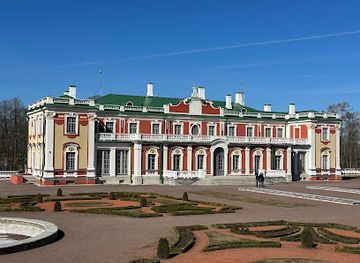
Kadriorg Park
Explore Kadriorg Park in Tallinn, a stunning blend of nature, history, and art, perfect for leisurely strolls and cultural immersion.
7 min drive · 2.2 km from city centre
-
Maritime museum
Lennusadam
Explore Lennusadam, Tallinn's premier maritime museum, and uncover Estonia's rich naval heritage through stunning exhibits and interactive experiences.
7 min drive · 2.2 km from city centre
-
Historical landmark
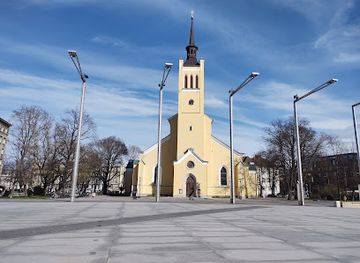
Freedom Square
Explore Freedom Square in Tallinn, a historic landmark that embodies Estonia's independence and vibrant cultural spirit.
6 min walk · 0.4 km from city centre
-
Historical landmark
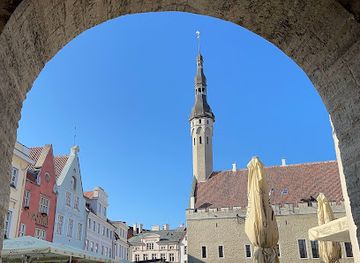
Tallinn Town Hall
Explore the historical grandeur of Tallinn Town Hall, a stunning Gothic landmark in Estonia's captivating capital, rich in culture and charm.
7 min walk · 0.6 km from city centre


Best landmarks in Tallinn
Tallinn’s most recognisable landmarks express the city’s changing political and religious history. Toompea Castle, now associated with Estonia’s parliament, occupies the strategic upper town, while Alexander Nevsky Cathedral provides an imposing example of nineteenth-century Russian Orthodox architecture. Across the lower town, Tallinn Town Hall and its slender Gothic tower anchor Town Hall Square, and the Great Guild Hall recalls the influence of medieval merchants. The city wall, including towers such as Kiek in de Kök and Fat Margaret, illustrates the importance of fortification in the Hanseatic period. St Olaf’s Church remains a prominent point in the historic skyline, while Kadriorg Palace represents the imperial era under Peter the Great. Outside the medieval centre, the Soviet-era Linnahall and the modern Seaplane Harbour contribute to a broader architectural record of Tallinn’s twentieth-century transformation.
-
Park
Kadriorg Park
Experience the beauty of Kadriorg Park in Tallinn, a serene escape filled with historic architecture, lush gardens, and cultural treasures.
7 min drive · 2.2 km from city centre
-
Tourist attraction
Freedom Square
Explore Freedom Square in Tallinn, a vibrant landmark where history meets culture, perfect for immersing yourself in Estonia's rich heritage.
6 min walk · 0.4 km from city centre
-
Historical landmark
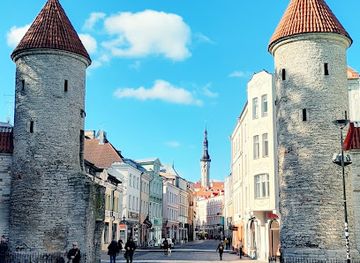
Viru Gate
Explore Tallinn's rich history at Viru Gate, a stunning medieval landmark that welcomes you to the charming old town filled with culture and beauty.
5 min walk · 0.4 km from city centre
-
Historical landmark
Tallinn Town Hall
Discover the stunning Gothic architecture and vibrant history of Tallinn Town Hall, a must-visit historical landmark in Estonia's capital.
7 min walk · 0.6 km from city centre
Explore Tallinn on the map
Plan your Tallinn trip on one map. See where the top attractions, landmarks, restaurants, bars and hotels are, find what's near where you're staying, and book hotels and experiences in a few clicks.
Neighbourhoods in Tallinn
-

-

-


Swipe for more neighbourhoods
Best hotels in Tallinn
Best restaurants in Tallinn
Tallinn’s food culture draws on Estonian seasonal ingredients, Baltic traditions and contemporary Nordic-influenced cooking. Rye bread, potatoes, dairy products, fish, forest berries, mushrooms and game appear in both home-style dishes and modern restaurant menus, while smoked or preserved foods reflect the northern climate. Cafés and bakeries are well suited to kohuke, pastries and strong coffee, and local menus may include verivorst, a blood sausage traditionally associated with Christmas, or kama, a finely milled grain mixture usually served sweetened with dairy. The Old Town contains historic dining rooms and wine bars, while Kalamaja, Telliskivi and Noblessner have a more modern restaurant character. Balti Jaama Turg combines market stalls with casual food counters, and the Central Market offers a glimpse of everyday produce, bakery goods and regional tastes without reducing Estonian cuisine to a single signature dish.
-
Restaurant
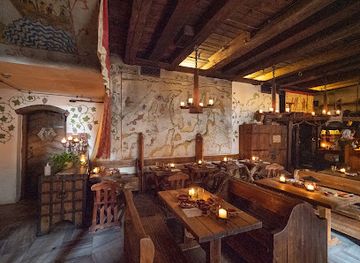
Restoran Olde Hansa
Discover medieval flavors at Restoran Olde Hansa in Tallinn – where every meal is a journey into Estonia's rich culinary history.
6 min walk · 0.5 km from city centre
-
Buffet
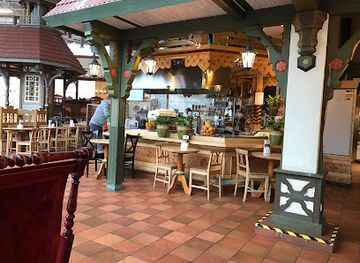
Restaurant Lido
Savor authentic Estonian cuisine at Restaurant Lido – a buffet paradise in the heart of Tallinn offering delicious dishes for every taste.
1 min walk · 0.1 km from city centre
-
Restaurant
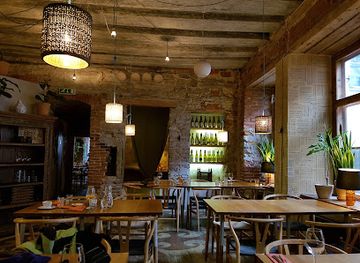
Restaurant Rataskaevu 16
Experience authentic Estonian cuisine in a cozy setting at Restaurant Rataskaevu 16 in Tallinn.
9 min walk · 0.7 km from city centre
-
Restaurant
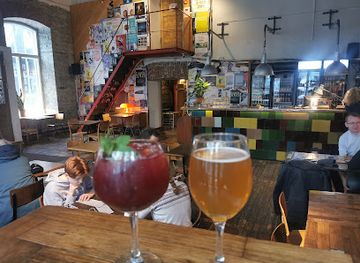
Restaurant F-Hoone
Experience modern Estonian cuisine in a vibrant atmosphere at Restaurant F-Hoone in Tallinn's creative district.
18 min walk · 1.5 km from city centre
Best bars in Tallinn
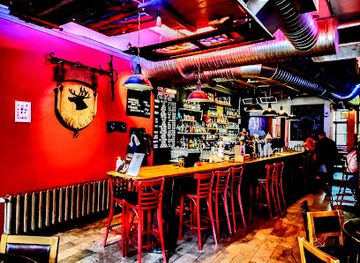
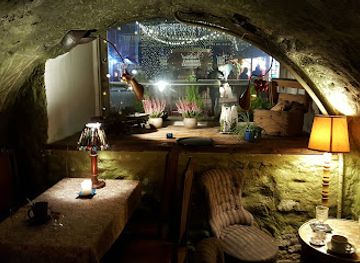
Tallinn’s evening scene ranges from intimate Old Town cellars and cocktail bars to craft-beer rooms, wine bars, live-music venues and late-night clubs. The streets around the Old Town are convenient for a first evening, with a mixture of historic interiors and contemporary bars, while Telliskivi and Kalamaja attract a more alternative crowd among studios, restaurants and repurposed industrial buildings. Noblessner contributes waterfront venues and a calmer after-work atmosphere in warmer months. Estonia’s choral and electronic music cultures both find expression in the capital, and concert halls, theatres and cultural centres offer substantial alternatives to nightlife centred on drinking. Evening activity is seasonal: terraces and outdoor events expand in summer, while winter encourages smaller indoor venues. Visitors should check current event information rather than assume that every venue follows the same opening pattern.
-
Pub
Hell Hunt
Discover the heart of Tallinn's pub culture at Hell Hunt, where great food, drinks, and a vibrant atmosphere await you.
9 min walk · 0.7 km from city centre
-
Irish pub
Irish Pub Mad Murphy's
Discover the vibrant atmosphere of Mad Murphy's Irish Pub in Tallinn, where Irish charm meets Estonian hospitality.
8 min walk · 0.6 km from city centre
-
Cocktail bar
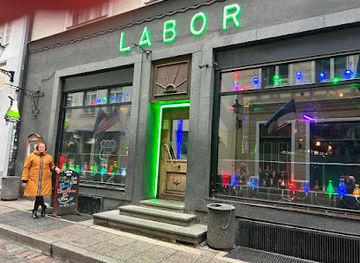
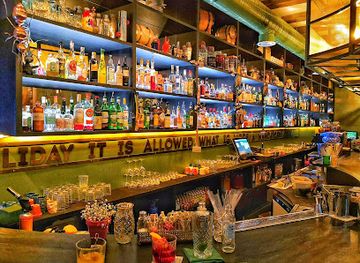
Labor Baar
Discover Tallinn's vibrant nightlife at Labor Baar, where innovative cocktails meet an energetic atmosphere in the heart of the city.
5 min walk · 0.4 km from city centre
-
Cocktail bar
Sigmund Freud Bar
Discover the unique cocktail culture of Tallinn at Sigmund Freud Bar, where innovative drinks meet cozy ambiance in a captivating setting.
5 min walk · 0.4 km from city centre
Best nightclubs in Tallinn
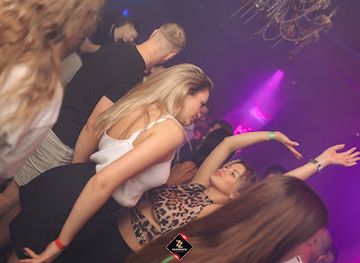
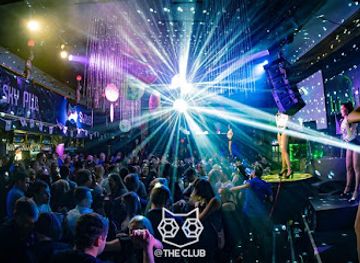
Tallinn’s evening scene ranges from intimate Old Town cellars and cocktail bars to craft-beer rooms, wine bars, live-music venues and late-night clubs. The streets around the Old Town are convenient for a first evening, with a mixture of historic interiors and contemporary bars, while Telliskivi and Kalamaja attract a more alternative crowd among studios, restaurants and repurposed industrial buildings. Noblessner contributes waterfront venues and a calmer after-work atmosphere in warmer months. Estonia’s choral and electronic music cultures both find expression in the capital, and concert halls, theatres and cultural centres offer substantial alternatives to nightlife centred on drinking. Evening activity is seasonal: terraces and outdoor events expand in summer, while winter encourages smaller indoor venues. Visitors should check current event information rather than assume that every venue follows the same opening pattern.
-
Night club
MJClub
Discover Tallinn's vibrant nightlife at MJClub, where music, dancing, and unforgettable moments await in an electrifying atmosphere.
11 min walk · 0.9 km from city centre
-
Night club
Club Hollywood
Dive into the electric nightlife of Club Hollywood, Tallinn's top night club, featuring vibrant music, creative cocktails, and an unforgettable party atmosphere.
5 min walk · 0.4 km from city centre
-
Night club
Paparazzi
Discover the heart of Tallinn's nightlife at Paparazzi, a lively night club offering unforgettable music, dancing, and a vibrant atmosphere.
5 min walk · 0.4 km from city centre
-
Night club
Venus Club
Discover the electric energy of Venus Club in Tallinn, where vibrant nightlife meets unforgettable dance experiences in the heart of the city.
5 min walk · 0.4 km from city centre


Best shops in Tallinn
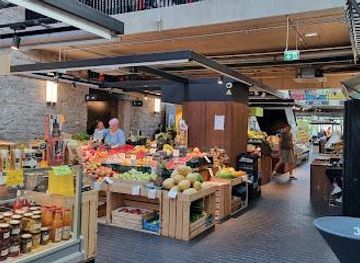
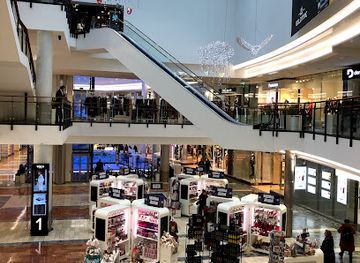
Tallinn’s shopping ranges from craft stalls and food halls to design studios and contemporary boutiques. The Old Town is the traditional souvenir area, with shops selling knitted woollens, linen, amber, ceramics and locally made gifts, although quality and provenance vary. Balti Jaama Turg combines a market hall, food counters, second-hand goods and small retailers beside the railway station, making it one of the city’s most useful places to browse everyday and artisanal products. Telliskivi Creative City is associated with independent design, fashion, illustration and homeware, while the district around Viru and the main central streets provides more conventional high-street shopping. Estonian chocolate, rye products, berry preserves and juniper-themed goods travel well, and traditional handicrafts are most meaningful when purchased from makers or clearly identified local producers rather than generic souvenir outlets.
-
Market
Balti Jaama Turg
Discover the flavors and culture of Tallinn at Balti Jaama Turg, a bustling market filled with local produce, street food, and unique crafts.
16 min walk · 1.3 km from city centre
-
Shopping mall
Viru Keskus
Discover Tallinn's vibrant shopping scene at Viru Keskus, featuring diverse stores, dining options, and a family-friendly atmosphere.
5 min walk · 0.4 km from city centre
-
Shopping mall
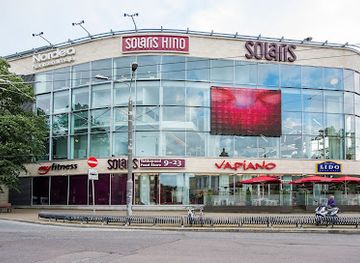
Solaris
Discover Tallinn's Solaris Shopping Mall: A vibrant shopping haven with diverse stores, delightful dining, and an array of entertainment options.
1 min walk · 0.1 km from city centre
-
Shopping mall
Rotermann City
Experience the perfect blend of modern shopping, dining, and culture at Rotermann City, Tallinn's vibrant urban destination.
8 min walk · 0.7 km from city centre

Get your free copy of our complete guide to Tallinn, delivered straight to you.
Everything on this page, from attractions and restaurants to essentials and local phrases, in one PDF you can read offline, print or share.
Already have an account? Sign in
Your Tallinn guide is ready.
We'll send it to · Not you? Sign out

Getting your guide ready…
We are putting together a fresh copy of the Tallinn guide. This can take up to a minute.
This can take a few moments. If your browser asks, choose Allow so the download can start. You'll find the guide in your Downloads folder.
Nothing happened? Download it again
Sorry, the guide is taking longer than usual. Please try again in a minute, or get it by email instead.
Tallinn essentials
Currency and Payment
Safety
Emergency Situations
Do's and Don'ts
Local Tips
From Eve
Local phrases worth knowing
You don't need to get them perfect. A few words go a long way, and locals appreciate the effort.
Basics
| English | Local | Say it |
|---|---|---|
| Hello | Tere | [Teh-reh] |
| Goodbye | Nägemist | [Nah-geh-mist] |
| Yes | Jah | [Yah] |
| No | Ei | [Ay] |
| Please/You're welcome | Palun | [Pah-loon] |
| Thank you | Aitäh | [Eye-taah] |
| Excuse me/Sorry | Vabandust | [Vah-bahn-doost] |
| How are you? | Kuidas sul läheb? | [Kwee-das sool leh-heb] |
| Fine. And you? | Hästi. Aga sina? | [Hah-stee. Ah-gah see-nah?] |
| Do you speak English? | Kas sa räägid inglise keelt? | [Kahs sah raah-gid eeng-lee-seh kehlt] |
| I don't understand | Ma ei saa aru | [Mah ay sah ah-roo] |
Eating & Drinking
| English | Local | Say it |
|---|---|---|
| I'd like to see the menu, please | Ma sooviksin menüüd näha, palun | [Mah soh-veek-seen meh-noo-d nah-hah, pah-loon] |
| I don't eat meat | Ma ei söö liha | [Mah ay suh lee-hah] |
| Cheers! | Terviseks! | [Ter-vee-seks] |
| I would like to pay, please | Ma sooviksin maksta, palun | [Mah soh-veek-seen mahk-stah, pah-loon] |
Emergencies
| English | Local | Say it |
|---|---|---|
| Help! | Appi! | [Ah-pee] |
| Go away! | Mine ära! | [Mee-neh ah-rah] |
| Call the Police! | Helista politseile! | [Heh-lee-stah poh-lee-tsey-leh] |
| Call a doctor! | Helista arstile! | [Heh-lee-stah ahr-stee-leh] |
| I'm lost | Ma olen eksinud | [Mah oh-lehn ehk-see-nood] |
| I'm ill | Ma olen haige | [Mah oh-lehn hah-ee-geh] |
Shopping
| English | Local | Say it |
|---|---|---|
| I'd like to buy... | Ma tahaksin osta... | [Mah tah-hahk-seen oh-stah] |
| I'm just looking | Ma lihtsalt vaatan | [Mah leek-stahlt vah-tahn] |
| How much is it? | Kui palju see maksab? | [Kwee pahl-yoo seh mahk-sahb] |
| That's too expensive | See on liiga kallis | [Seh ohn lee-gah kahl-lees] |
| Can you lower the price? | Kas sa saaksid hinda alandada? | [Kahs sah sah-kseet hin-dah ah-lahn-dah-dah] |
Time & Numbers
| English | Local | Say it |
|---|---|---|
| What time is it? | Mis kell on? | [Miss kell ohn] |
| It's one o'clock | On üks tund | [Ohn yks toond] |
| Half past (10) | Pool tundi (10) | [Pohl toon-dee (10)] |
| Morning | Hommik | [Hohm-meek] |
| Afternoon | Päev | [Pah-ehv] |
| Evening | Õhtu | [Oo-kh-too] |
| Yesterday | Eile | [Ay-leh] |
| Today | Täna | [Tah-nah] |
| Tomorrow | Homme | [Hohm-meh] |
| 1 | Üks | [Ooks] |
| 2 | Kaks | [Kahks] |
| 3 | Kolm | [Kohlm] |
| 4 | Neli | [Neh-lee] |
| 5 | Viis | [Veese] |
| 6 | Kuus | [Koos] |
| 7 | Seitse | [Sayt-seh] |
| 8 | Kaheksa | [Kah-heh-ksah] |
| 9 | Üheksa | [Oo-heh-ksah] |
| 10 | Kümme | [Koom-meh] |
Transport & Directions
| English | Local | Say it |
|---|---|---|
| Where's a/the...? | Kus on...? | [Koos ohn] |
| What's the address? | Mis on aadress? | [Miss ohn ah-ah-dress] |
| Can you show me (on the map)? | Kas sa saaksid mulle näidata (kaardil)? | [Kahs sah sah-kseet mool-leh nah-ee-tah-dah (kaar-deel)] |
| When's the next (bus)? | Millal on järgmine (buss)? | [Meel-lahl ohn yerg-mee-neh (boos)] |
| A ticket (to ....) | Pilet (....-ni) | [Pee-let (neen)] |
History of Tallinn
Early Settlement and Danish Rule
The site of Tallinn has long been connected with the Gulf of Finland and coastal trade, while the hill now called Toompea provided a defensible position. A Danish force captured the settlement in 1219, an event remembered in Estonian tradition as the origin of the capital’s Danish connection. Danish rule encouraged the development of a fortified town and Christian institutions, although the area already had an established local population and trading links. The name Tallinn is commonly understood as deriving from Taani linn, meaning Danish town or Danish castle, though its linguistic history is more complex. The division between the upper settlement on Toompea and the lower commercial town became a defining feature of the city’s physical and political structure.
The Hanseatic Trading Town
In 1346 Denmark sold its Estonian possessions to the Teutonic Order, and Tallinn subsequently became an important member of the Hanseatic League. Its harbour connected merchants moving goods between western Europe, Scandinavia and the eastern Baltic, while local wealth supported churches, guild houses, warehouses and substantial town walls. German-speaking merchants and craftsmen held considerable influence in the lower town, shaping its institutions and architecture. The prosperity of this period is visible in the narrow streets, merchant residences and public buildings around Town Hall Square. Tallinn’s medieval identity was therefore formed not only by military fortification but also by commercial exchange and the interaction of Estonian, German, Scandinavian and other Baltic communities.
Swedish Administration and Imperial Russia
The Livonian War brought Tallinn under Swedish rule in 1561, beginning a period in which the city was administered within the Swedish realm. Swedish authorities strengthened fortifications and developed educational and administrative institutions, although trade remained central to urban life. In 1710, during the Great Northern War, Tallinn capitulated to Russian forces and became part of the Russian Empire. Its strategic position encouraged further military construction, while the port continued to serve regional commerce. Russian imperial rule introduced new administrative structures and communities without removing the older medieval urban fabric. The coexistence of churches, merchant houses, military works and later imperial buildings reflects these successive political influences.
National Awakening and Independence
During the nineteenth century, industrialisation, railway connections and population growth expanded Tallinn beyond its medieval walls. Estonian-language cultural and political activity gained strength during the national awakening, challenging the earlier dominance of German-speaking elites in public life. The city became an important centre for publishing, education and organised national movements. Estonia declared independence in 1918, and Tallinn served as the capital of the new republic. The interwar period brought civic construction and modernist architecture alongside efforts to establish Estonian institutions. This era gave the city a modern national role that complemented, rather than replaced, its older Baltic and Hanseatic inheritance.
War and Soviet Occupation
The Second World War brought successive German and Soviet occupations, severe disruption and the loss of many residents through persecution, warfare and displacement. Estonia was incorporated into the Soviet Union in 1944, and Tallinn became the capital of the Estonian Soviet Socialist Republic. Industrial development and housing construction expanded the urban area, while Soviet institutions reshaped public life and migration altered the city’s demographic balance. The historic centre survived, though the wider city acquired districts and infrastructure characteristic of the Soviet period. Buildings such as the Linnahall and the former Olympic sailing facilities also recall Tallinn’s role in hosting the sailing events of the 1980 Moscow Olympics.
Restored Independence and Contemporary Tallinn
Estonia restored its independence in 1991 during the peaceful upheavals that brought about the end of Soviet rule in the Baltic states. Tallinn subsequently developed as the country’s political, business and cultural capital, joining the European Union and NATO in 2004. Restoration of the Old Town helped preserve its medieval character, while former industrial areas such as Kalamaja and the Noblessner waterfront found new cultural and residential uses. The capital’s contemporary identity combines Estonian language and national institutions with international business, digital services, design and maritime connections. Its urban landscape now makes the country’s layered history visible across medieval, imperial, Soviet and independent Estonia.
Tallinn in Photos
Browse through our photo collection highlighting the charm and character of the destination.
Cities near Tallinn
The closest cities to Tallinn, if you have time for more than one stop.
-

-

-

-

-


Swipe for more cities
Explore more

Explore more of Estonia
Discover Estonia: A perfect blend of medieval charm, modern innovation, and natural beauty in the heart of Northern Europe.
Explore Estonia