

Free Debre Markos Travel Guide & Mobile App
Plan your Debre Markos trip with Evendo. Get free guides to top attractions, restaurants, hotels, and bars. Web access or download the mobile app.


Debre Markos, Ethiopia, offers highland scenery, Orthodox heritage, Gojjam culture, local markets and an authentic base for exploring rural Amhara.
A Highland City in Gojjam
Debre Markos stands on the Ethiopian highlands in East Gojjam, Amhara Region, between the historic centres of the northern plateau and the Blue Nile basin. At an elevation of roughly 2,500 metres, the city has cool mornings, clear highland light and a landscape of cultivated slopes, eucalyptus groves and open grassland. It is a regional administrative and university centre rather than a heavily touristed city, giving visitors an opportunity to encounter everyday urban life in north-western Ethiopia without the density of established sightseeing circuits.Read more about Debre Markos
Churches, Markets and Local Life
Exploring Beyond the Centre
When is the best time to visit Debre Markos?
Best: February, August–September · 25°C| Month | High (°C) | Rainfall (mm) |
|---|---|---|
| January | 25 | 5 |
| February (best) | 25 | 6 |
| March | 26 | 6 |
| April | 26 | 7 |
| May | 27 | 7 |
| June | 26 | 8 |
| July | 26 | 8 |
| August (best) | 25 | 8 |
| September (best) | 25 | 7 |
| October | 25 | 7 |
| November | 26 | 6 |
| December | 26 | 6 |
Getting to and around Debre Markos
How to get there
Transportation
Best attractions in Debre Markos
Debre Markos’s attractions are closely tied to its role as a Gojjam highland centre. Saint Markos Church provides the clearest expression of the city’s religious identity, with an active Ethiopian Orthodox setting rather than a museum-like monument; visitors should observe services quietly and seek permission before entering restricted areas. The central market offers a direct encounter with regional agriculture, from grain and pulses to vegetables, spices and livestock-related trade, although its character changes with the trading day. Debre Markos University adds an important contemporary dimension, with a youthful academic community and broad institutional grounds. Beyond the built-up centre, roads lead through cultivated uplands and eucalyptus-covered slopes towards rural churches and viewpoints, while the wider landscape belongs to the highlands associated with Mount Choke and the Blue Nile basin. These excursions are more rewarding with local guidance, since transport, access and photography customs vary from one community to another.
-
Park
TekleHaymanot adebabay
Discover the tranquility of TekleHaymanot Adebabay, a picturesque park in Debre Markos where nature and local culture come together beautifully.
5 min drive · 1.8 km from city centre
-
Tourist attraction
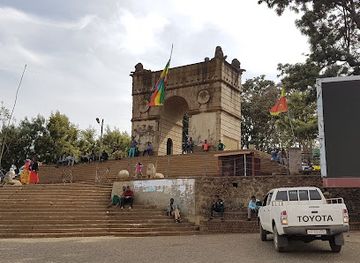
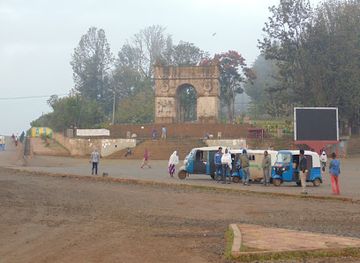
Тріумфальна арка
Discover the Triumph Arch in Debre Markos, a symbol of resilience, rich in history and cultural significance, perfect for exploration and photography.
6 min drive · 1.8 km from city centre
-
 Garden
Bole Tekelehaymanot Green Area
Discover the tranquil beauty of Bole Tekelehaymanot Green Area in Debre Markos, a haven for nature lovers and those seeking a peaceful retreat.
5 min drive · 1.5 km from city centre
-
National park
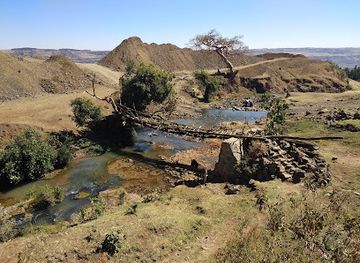
Water Fall ,Debre Markos
Discover the breathtaking Waterfall in Debre Markos, Ethiopia - a stunning natural wonder perfect for nature lovers and adventure seekers.
7 min drive · 2.3 km from city centre
Best landmarks in Debre Markos
Saint Markos Church is Debre Markos’s defining religious landmark and the source of the city’s modern name, linking the urban centre to the enduring importance of Ethiopian Orthodox Christianity in Gojjam. Its significance lies less in monumental scale than in its continuing place within worship, community life and local memory. The town’s older market and central civic area express another layer of identity: Debre Markos developed as a regional administrative and commercial centre serving the surrounding highlands. Debre Markos University represents the city’s contemporary institutional growth, bringing education and research into a place historically associated with provincial administration and church communities. Outside the centre, rural churches and cultivated highland landscapes provide architectural and cultural context, but they should be approached as living communities rather than open-air attractions. The city’s landmarks are therefore best understood as a combination of church, market, civic institutions and the wider Gojjam setting.
-
Hotel
Gozamen Hotel
Discover the warmth of Ethiopian hospitality at Gozamen Hotel in Debre Markos, where comfort meets local charm in an unforgettable setting.
5 min drive · 1.7 km from city centre
-
Hotel
LBS Hotel
Discover comfort and local charm at LBS Hotel in Debre Markos, where your Ethiopian adventure begins with cozy accommodations and warm hospitality.
19 min walk · 1.5 km from city centre
-
Hotel
Sewnet Degu
Discover the heart of Ethiopian hospitality at Sewnet Degu, your serene retreat in Debre Markos, conveniently located along the main route from Addis to Bahir Dar.
6 min drive · 2.1 km from city centre
-
Housing complex
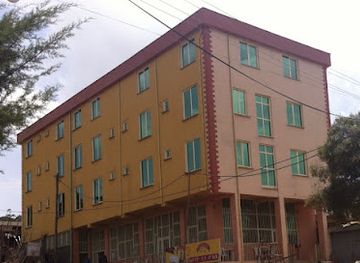
Debre markos
Explore the enchanting city of Debre Markos, Ethiopia, where rich culture meets stunning natural beauty and warm local hospitality.
9 min walk · 0.7 km from city centre

Explore Debre Markos on the map
Plan your Debre Markos trip on one map. See where the top attractions, landmarks, restaurants, bars and hotels are, find what's near where you're staying, and book hotels and experiences in a few clicks.
Best hotels in Debre Markos
Best restaurants in Debre Markos
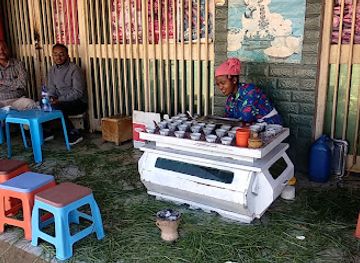
Dining in Debre Markos reflects the food culture of the Amhara highlands, with injera forming the basis of many meals and served with shiro, misir, vegetables, meat stews and tibs. Kitfo may appear on menus, while fasting dishes based on legumes and vegetables are particularly important during Orthodox fasting periods. Small restaurants and cafés around the centre provide simple meals, tea and Ethiopian coffee, often prepared through the slowly performed buna coffee ceremony when time and setting allow. Travellers may also encounter local honey wine, or tej, though availability and serving customs vary. Food markets and produce stalls reveal the agricultural character of Gojjam, with grains, pulses, dairy products and seasonal vegetables moving between surrounding villages and the town. Menus can be limited outside central eateries, and dining is generally more about filling, freshly prepared food and social conversation than formal restaurant service.
-
Restaurant
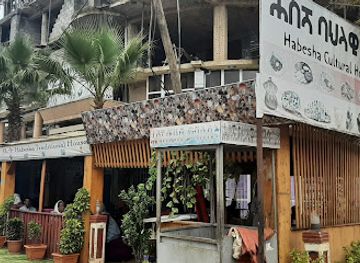
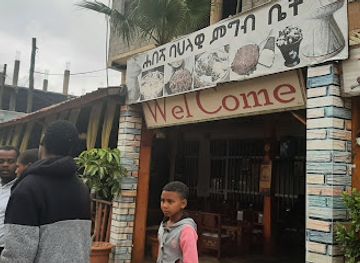
Habesha Traditional Dishes
Experience authentic Ethiopian cuisine at Habesha Traditional Dishes in Debre Markos – a culinary journey through rich flavors and vibrant traditions.
17 min walk · 1.3 km from city centre
-
Restaurant
Semers
Experience authentic Ethiopian cuisine at Semers in Debre Markos - where every dish tells a story.
5 min drive · 1.8 km from city centre
-
Halal
Abdur Rehman Muslim Restaurant
Experience authentic Ethiopian Halal cuisine at Abdur Rehman Muslim Restaurant in Debre Markos – where tradition meets flavor.
6 min drive · 2.0 km from city centre
-
Restaurant
Denvor Cafe and Restaurant
Experience authentic Ethiopian cuisine at Denvor Cafe and Restaurant in Debre Markos – where tradition meets taste!
18 min walk · 1.4 km from city centre
Best bars in Debre Markos
Debre Markos has a modest evening scene centred on cafés, tej houses, local bars and hotel lounges rather than a large nightclub circuit. After dark, residents commonly meet for coffee, conversation, televised sport and music, while traditional tej establishments offer honey wine in a social setting. Orthodox religious observance and fasting periods influence the rhythm of nightlife, and entertainment may be quieter on some evenings than in Addis Ababa or larger regional cities. Small venues may play Ethiopian popular music, including styles associated with the Amhara cultural sphere, but line-ups and opening arrangements are not fixed enough to plan around from abroad. Visitors should favour well-known central venues, return by a trusted taxi after late evenings and check local advice about areas that become quiet once businesses close.
-
Restaurant
Habesha Traditional Dishes
Savor the essence of Ethiopian cuisine at Habesha Traditional Dishes, a must-visit restaurant in Debre Markos for an authentic dining experience.
17 min walk · 1.3 km from city centre
-
Restaurant
Semers
Experience the true essence of Ethiopian cuisine at Semers, an exquisite restaurant in Debre Markos, rich in flavors and culture.
5 min drive · 1.8 km from city centre
-
Restaurant
Denvor Cafe and Restaurant
Savor the essence of Ethiopian cuisine at Denvor Café and Restaurant in Debre Markos, where flavor meets tradition.
18 min walk · 1.4 km from city centre
-
Restaurant
Melody Cafe & Pizzeria
Discover the perfect blend of Ethiopian and Italian cuisine at Melody Cafe & Pizzeria in Debre Markos, where every meal is a celebration of flavors.
5 min drive · 1.6 km from city centre
Best nightclubs in Debre Markos
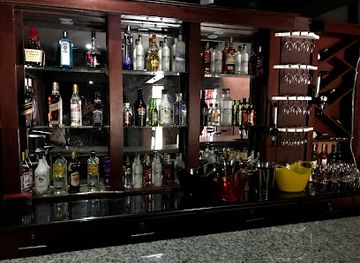
Debre Markos has a modest evening scene centred on cafés, tej houses, local bars and hotel lounges rather than a large nightclub circuit. After dark, residents commonly meet for coffee, conversation, televised sport and music, while traditional tej establishments offer honey wine in a social setting. Orthodox religious observance and fasting periods influence the rhythm of nightlife, and entertainment may be quieter on some evenings than in Addis Ababa or larger regional cities. Small venues may play Ethiopian popular music, including styles associated with the Amhara cultural sphere, but line-ups and opening arrangements are not fixed enough to plan around from abroad. Visitors should favour well-known central venues, return by a trusted taxi after late evenings and check local advice about areas that become quiet once businesses close.
-
Night club
Ibiza Debre Markos
Experience the electrifying nightlife at Ibiza Debre Markos, where music, dancing, and vibrant energy come together for an unforgettable night out.
14 min walk · 1.2 km from city centre
-
Lounge
Etheal cafe and grocery
Experience the warmth of Ethiopian hospitality at Etheal Cafe and Grocery in Debre Markos, where delightful flavors and a cozy ambiance await.
5 min drive · 1.6 km from city centre
Best shops in Debre Markos
Shopping in Debre Markos is concentrated around the central commercial streets and market, where regional produce and everyday necessities are more prominent than purpose-built tourist retail. Visitors may find grains, pulses, spices, honey, coffee and seasonal agricultural goods alongside clothing, household wares and practical travel supplies. Small shops and market stalls provide a more accurate sense of the town’s economy than international brands or large shopping centres, while locally made woven goods and religious items may appear through informal retail networks. Ask about provenance when buying crafts, and treat church crosses, icons and other devotional objects with appropriate respect. Bargaining can be part of open-market transactions, but it should remain courteous and proportionate. Availability changes according to market days and seasonal supply, so shopping is best approached as an observation of Gojjam’s trading culture as much as a search for souvenirs.
-
Book store
Hadis Book
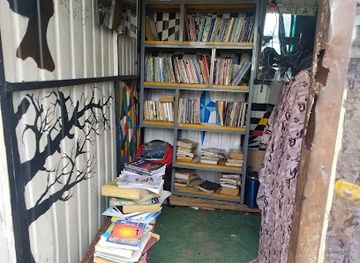
Explore Hadis Book in Debre Markos, a charming bookstore filled with diverse literature and a cozy atmosphere for all book lovers.
5 min drive · 1.8 km from city centre
-
Grocery store
Gojjam Grocery Shop
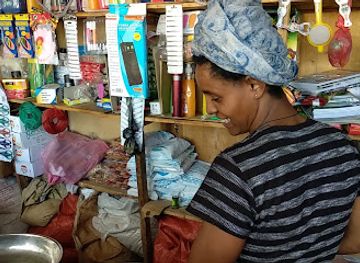
Explore local produce and unique Ethiopian snacks at Gojjam Grocery Shop, the heart of culinary culture in Debre Markos.
13 min walk · 1.1 km from city centre
-
Clothing store
TITANIC BOUTIQUE
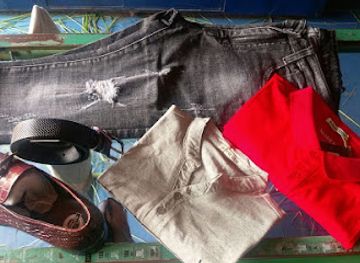
Discover the vibrant styles of Titanic Boutique, where traditional Ethiopian fashion meets modern trends in Debre Markos.
5 min drive · 1.7 km from city centre
-
Supermarket
Wuseta Marketing Center
Discover the vibrant shopping experience at Wuseta Marketing Center in Debre Markos, where local culture meets convenience.
5 min drive · 1.8 km from city centre
Get your free copy of our complete guide to Debre Markos, delivered straight to you.
Everything on this page, from attractions and restaurants to essentials and local phrases, in one PDF you can read offline, print or share.
Already have an account? Sign in
Your Debre Markos guide is ready.
We'll send it to · Not you? Sign out

Getting your guide ready…
We are putting together a fresh copy of the Debre Markos guide. This can take up to a minute.
This can take a few moments. If your browser asks, choose Allow so the download can start. You'll find the guide in your Downloads folder.
Nothing happened? Download it again
Sorry, the guide is taking longer than usual. Please try again in a minute, or get it by email instead.
Debre Markos essentials
Currency and Payment
Safety
Emergency Situations
Do's and Don'ts
Local Tips
From Eve
Local phrases worth knowing
You don't need to get them perfect. A few words go a long way, and locals appreciate the effort.
Basics
| English | Local | Say it |
|---|---|---|
| Hello | ሰላም | [selam] |
| Goodbye | ወደላዋም | [wedelawam] |
| Yes | አዎ | [aw] |
| No | አይ | [ay] |
| Please/You're welcome | እባክዎ/እንዴትክዎ | [ebakewo/endetkewo] |
| Thank you | አመሰግናለሁ | [ameseginalehu] |
| Excuse me/Sorry | ስለ ፈጸም/በታኝ | [sele fetsam/betan] |
| How are you? | እንዴት ነህ? | [endet neh?] |
| Fine. And you? | ጤና በማለት ነህ? አንተንም? | [tena bemalt neh? antenm?] |
| Do you speak English? | እንዴት እንቅስቃሴ እንት? | [endet enkusikase ent?] |
| I don't understand | አልተወሰነም | [altesenem] |
Eating & Drinking
| English | Local | Say it |
|---|---|---|
| I'd like to see the menu, please | ሞኑኖቹ ይሁን በማለት | [monunochu yihun be malt] |
| I don't eat meat | አልምረረው አልጋ | [almererew algwa] |
| Cheers! | ሰማይ! | [semay] |
| I would like to pay, please | እንዴት እንጠቀማለን በማለት | [endet entekemalen be malt] |
Emergencies
| English | Local | Say it |
|---|---|---|
| Help! | እርሱ! | [ersu] |
| Go away! | ተረስ! | [ters] |
| Call the Police! | ፖሊስን በጣም ላይ | [polisen betam lay] |
| Call a doctor! | ሰውየውን አስተያየት | [suyewen asteyayet] |
| I'm lost | ተዘልቅለህ | [tezilkileh] |
| I'm ill | አለዋርም | [aleram] |
Shopping
| English | Local | Say it |
|---|---|---|
| I'd like to buy... | ለመላክ እንዴት እንትምህር | [lemlak endet entimher] |
| I'm just looking | በላይ ነኝ | [belay nega] |
| How much is it? | በመንገድ እንዴት ነው? | [bemangid endet new?] |
| That's too expensive | እንዴት ደግሞ ትልቅ ነው | [endet degemo tilik new] |
| Can you lower the price? | ዋጣው አለኝ? | [watow aleng] |
Time & Numbers
| English | Local | Say it |
|---|---|---|
| What time is it? | ሰዓት እንድት? | [saat endet?] |
| It's one o'clock | አንዲ ሰዓት ነው | [andi saat new] |
| Half past (10) | አምጣ በቅርብ | [amta bekirib] |
| Morning | ጥዋት | [tiwat] |
| Afternoon | ቀን | [ken] |
| Evening | ማታ | [mata] |
| Yesterday | ትረካ | [treka] |
| Today | ዛሬ | [zare] |
| Tomorrow | ነገ | [nage] |
| 1 | አንድ | [and] |
| 2 | ሁለት | [hulet] |
| 3 | ሶስት | [sost] |
| 4 | አራት | [arat] |
| 5 | አምስት | [amist] |
| 6 | ስድስት | [sedist] |
| 7 | ሰባት | [sebat] |
| 8 | ስምንት | [simint] |
| 9 | ዘጠኝ | [zetegna] |
| 10 | አስር | [aser] |
Transport & Directions
| English | Local | Say it |
|---|---|---|
| Where's a/the...? | በዚህ ቦታ ስትል...? | [bezih botat stil...?] |
| What's the address? | አᡕመለኒ ስትል? | [ahimeleni stil?] |
| Can you show me (on the map)? | እንዴት ለኔ (በመስቶም)? | [endet lene (bemestom)?] |
| When's the next (bus)? | ምንም (ባስ) እንድት? | [mnm (bas) endet?] |
| A ticket (to ....) | ቴኬት (እንድት...) | [tiket (endit...)] |
History of Debre Markos
Gojjam Before the Modern City
The area around present-day Debre Markos formed part of Gojjam, a highland region whose communities were shaped by agriculture, Orthodox Christianity and local political authority. Settlement was traditionally dispersed among cultivated fields and church communities rather than concentrated in a large urban centre. Gojjam’s position west of the great escarpment and north of the Abay, or Blue Nile, gave it strategic importance, while its fertile uplands supported grain production and livestock. Religious institutions served as places of worship, learning and social organisation, and the region developed a strong identity within the Ethiopian highlands before the emergence of the modern town.
The Rise of Mankorar
The settlement grew in importance during the late nineteenth century, when imperial consolidation and the administration of Gojjam encouraged more permanent political centres. It was initially known as Mankorar, a name still encountered in historical references to the town. The foundation of an important church dedicated to Saint Mark helped establish the religious identity from which the later name Debre Markos developed. As officials, traders and service providers gathered around the centre, the settlement became more than a church community: it evolved into a regional seat linking surrounding agricultural districts with the wider Ethiopian political system.
A Regional Capital in Gojjam
During the late nineteenth and early twentieth centuries, Debre Markos became closely associated with the administration of Gojjam and the powerful local leadership of Ras Hailu Tekle Haymanot. Political authority, taxation, trade and church life gave the town a significance beyond its size. The surrounding province remained predominantly rural, so Debre Markos served as a market and administrative centre for farmers, merchants and state officials. Its churches and public institutions reflected the continuing importance of Ethiopian Orthodox Christianity, while the growing road connections gradually tied the town more closely to other highland centres.
Occupation and Political Change
The Italian invasion of Ethiopia brought military occupation and administrative disruption to Debre Markos in the 1930s. Italian forces occupied the town during the wider campaign of 1935–36, and resistance continued across Gojjam after the imperial government was displaced. The occupation altered local administration and infrastructure but did not erase the authority of rural communities or the Orthodox Church. After the restoration of Emperor Haile Selassie in 1941, Debre Markos resumed its role as an important provincial centre. The period also left the wider region with memories of resistance, hardship and political change.
Education and Contemporary Growth
In the second half of the twentieth century, improved administration, roads and public services strengthened Debre Markos’s regional role. Education became increasingly important, culminating in the establishment of Debre Markos University in the twenty-first century. The institution has added students, academic activity and new services to a city still closely connected to surrounding farming communities. Contemporary Debre Markos therefore combines older religious and market traditions with the functions of a modern regional centre. Its present identity is rooted in Gojjam’s history while shaped by higher education, transport links and gradual urban expansion.
Debre Markos in Photos
Browse through our photo collection highlighting the charm and character of the destination.
Cities near Debre Markos
The closest cities to Debre Markos, if you have time for more than one stop.
-

-

-

-

-


Swipe for more cities
Explore more

Explore more of Ethiopia
Discover Ethiopia: A land of ancient history, breathtaking landscapes, and rich cultural heritage, offering an unforgettable journey through time and nature.
Explore Ethiopia