

Free Vestmanna Travel Guide & Mobile App
Plan your Vestmanna trip with Evendo. Get free guides to top attractions, restaurants, hotels, and bars. Web access or download the mobile app.


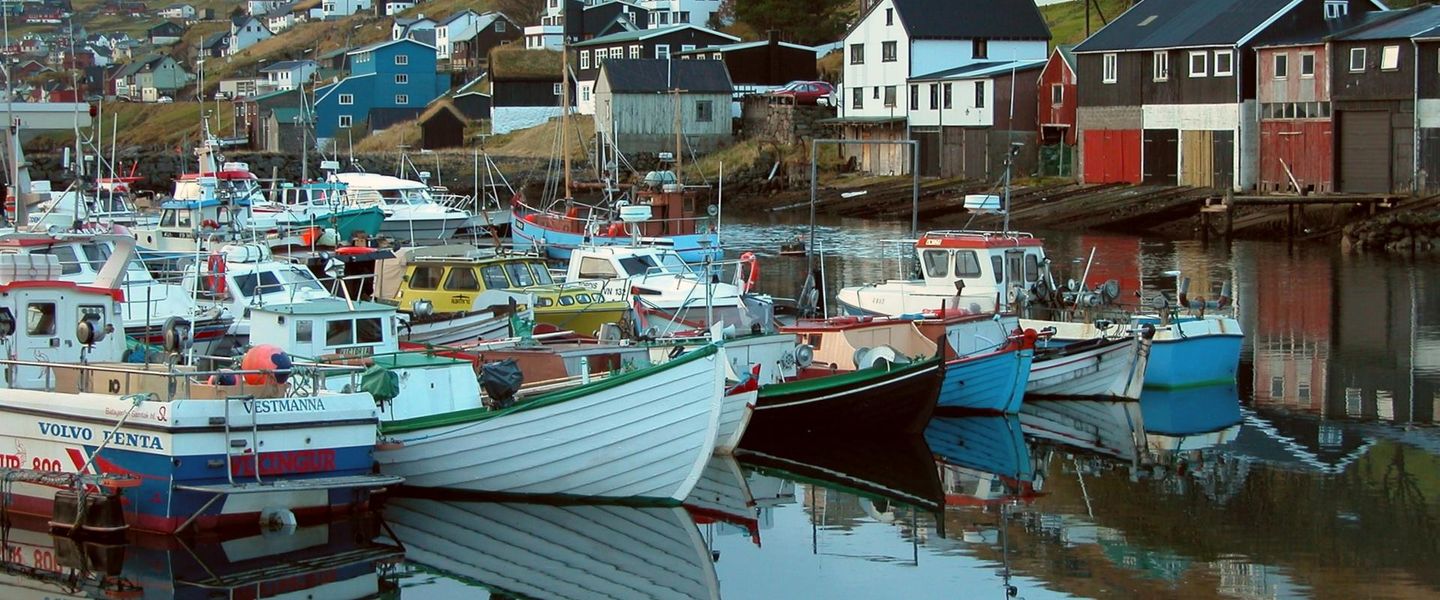


Discover Vestmanna: A picturesque village in the Faroe Islands, offering stunning landscapes, rich culture, and unique wildlife experiences.
Read more about Vestmanna
When is the best time to visit Vestmanna?
Best: July–September · 16–17°C| Month | High (°C) | Rainfall (mm) |
|---|---|---|
| January | 7 | 150 |
| February | 7 | 140 |
| March | 7 | 130 |
| April | 8 | 120 |
| May | 12 | 110 |
| June | 15 | 100 |
| July (best) | 17 | 90 |
| August (best) | 17 | 100 |
| September (best) | 16 | 110 |
| October | 14 | 120 |
| November | 11 | 130 |
| December | 10 | 140 |
Getting to and around Vestmanna
How to get there
Transportation
Best attractions in Vestmanna
Vestmanna, nestled in the breathtaking landscape of Faroe Islands, offers a unique blend of natural beauty and cultural heritage to visitors. Explore the iconic Vestmanna Sea Cliffs, towering majestically over the ocean, providing a perfect backdrop for birdwatching and boat tours. Immerse yourself in the rich history of the area by visiting the Vestmanna Museum, where you can learn about the traditional Faroese way of life. Don't miss the chance to hike the scenic trails surrounding the town, offering panoramic views of the surrounding islands and dramatic landscapes. With its charming streets, friendly locals, and stunning vistas, Vestmanna is a must-visit destination for any traveller seeking a truly unforgettable experience.
-
Tourist attraction
Vestmana gulf
Experience the breathtaking Vestmanna Sea Cliffs: Towering basalt cliffs, abundant birdlife, and stunning boat tours await in the Faroe Islands.
10 min walk · 0.8 km from city centre
-
Tourist attraction
Vestmanna, grotter og fjeldsider sejltur, Færøerne
Experience the stunning Vestmanna Bird Cliffs on a boat tour, exploring dramatic cliffs, sea stacks, and abundant birdlife in the Faroe Islands.
11 min walk · 0.9 km from city centre
-
Museum
SagaMuseum
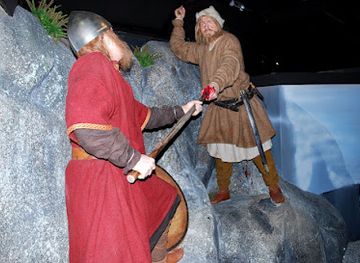
Discover the Viking heritage and enchanting folklore of the Faroe Islands at the Saga Museum in Vestmanna.
11 min walk · 0.9 km from city centre
Best landmarks in Vestmanna
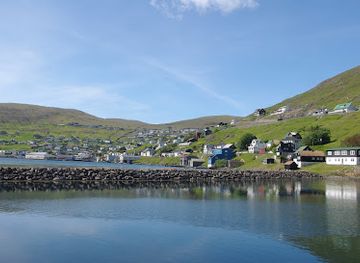
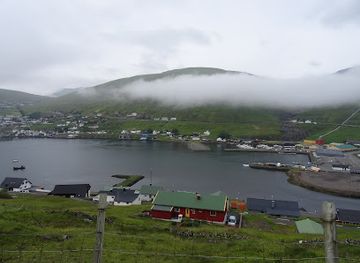
Vestmanna in Faroe Islands is a treasure trove of natural beauty and historical significance. From the iconic sea cliffs that tower over the town to the charming fishing villages scattered along the coast, visitors can expect breathtaking views at every turn. The Vestmanna Sea Cliffs boat tours offer a unique perspective of the rugged coastline, while the Vestmanna Folk Museum provides a glimpse into the island's rich cultural heritage. Nature lovers will delight in the diverse birdlife at the nearby Vestmanna Bird Cliffs, while history buffs can explore ancient ruins and archaeological sites dating back centuries. Whether you're seeking adventure or relaxation, Vestmanna has something for everyone to enjoy.
-
Tourist attraction
Fossá
Discover the breathtaking beauty of Fossá Waterfall in the Faroe Islands, a natural wonder that promises unforgettable views and serene surroundings.
31 min drive · 11 km from city centre
-
Restaurant
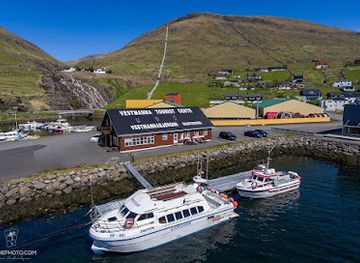
Vestmanna Tourist Centre
Discover the beauty of the Faroe Islands at Vestmanna Tourist Centre, your gateway to unforgettable boat tours, local crafts, and cultural insights.
11 min walk · 0.9 km from city centre
-
Heritage museum
Dúvugarðar Heritage Farm
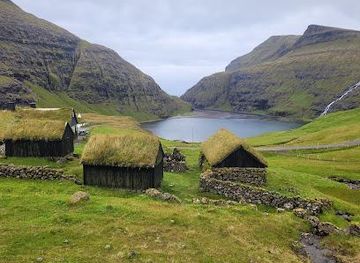
Experience the rich cultural heritage of the Faroe Islands at Dùvugarðar Heritage Farm, where history meets breathtaking landscapes.
30 min drive · 10 km from city centre
-
Lutheran church
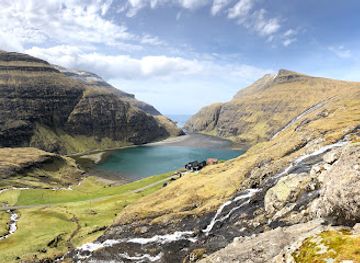
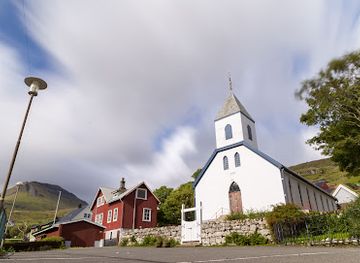
Saksun Church
Discover the beauty and serenity of Saksun Church, a hidden gem in the Faroe Islands surrounded by stunning landscapes and rich cultural heritage.
30 min drive · 10 km from city centre

Explore Vestmanna on the map
Plan your Vestmanna trip on one map. See where the top attractions, landmarks, restaurants, bars and hotels are, find what's near where you're staying, and book hotels and experiences in a few clicks.
Best hotels in Vestmanna
Best restaurants in Vestmanna
Vestmanna offers a delightful dining scene for visitors to indulge in local Faroese cuisine and seafood delicacies. From cozy cafes serving freshly baked pastries to charming restaurants offering traditional dishes like ræst (fermented) lamb and skerpikjøt (wind-dried mutton), there is something to satisfy every palate. Don't miss out on the opportunity to taste the local delicacies and immerse yourself in the unique culinary traditions of Vestmanna.
-
Restaurant
Vestmanna Tourist Centre
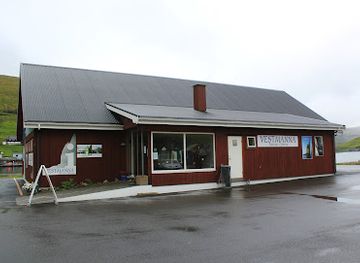
Explore Vestmanna Tourist Centre: A Gateway to Authentic Faroese Cuisine, Scenic Boat Tours & Unique Souvenirs in Stunning Landscapes.
11 min walk · 0.9 km from city centre
-
Brasserie
Café Zorva
Discover authentic Faroese flavors at Café Zorva, where every meal is accompanied by stunning views and warm hospitality.
31 min drive · 11 km from city centre
-
Restaurant
Joe Pizza
Experience delicious pizzas made with fresh local ingredients at Joe Pizza in Hvalvík, Faroe Islands – a culinary gem waiting to be discovered.
24 min drive · 8.0 km from city centre
-
Scandinavian
Disvoy
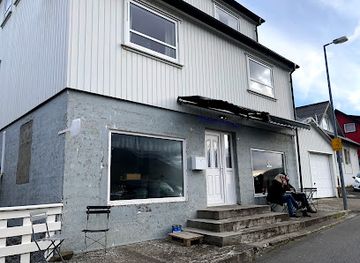
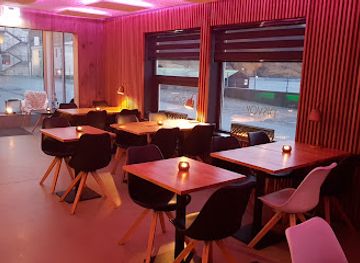
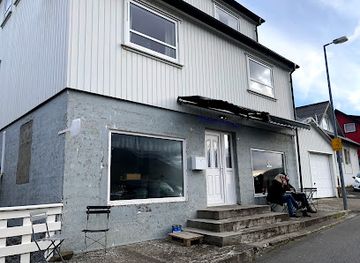
Experience authentic Scandinavian cuisine at Disvoy in Vestmanna - where local flavors meet stunning landscapes in the heart of the Faroe Islands.
4 min walk · 0.3 km from city centre
Best bars in Vestmanna
Vestmanna may be a small town, but its nightlife scene is vibrant and full of surprises. From cozy pubs serving up local brews to lively nightclubs pumping out the latest hits, there is something for everyone here. Dive into the local music scene with live performances at intimate venues, or dance the night away with friendly locals and fellow travelers. With a welcoming atmosphere and plenty of opportunities to socialize, the nightlife in Vestmanna is not to be missed.
-
Restaurant
Vestmanna Tourist Centre
Experience the essence of the Faroe Islands at Vestmanna Tourist Centre, where local cuisine, boat tours, and unique souvenirs await.
11 min walk · 0.9 km from city centre
-
Brasserie
Café Zorva
Experience the culinary delights of the Faroe Islands at Café Zorva in Sørvágur, where local flavors meet cozy ambiance.
31 min drive · 11 km from city centre
-
Scandinavian
Disvoy
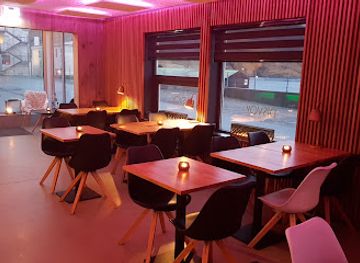
Experience the flavors of Scandinavian cuisine at Disvoy, a delightful restaurant in Vestmanna, Faroe Islands, known for its local ingredients and cozy atmosphere.
4 min walk · 0.3 km from city centre
-
Gas station
Magnstøðin í Vestmanna
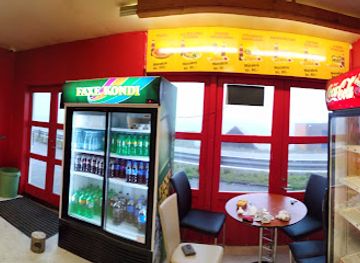
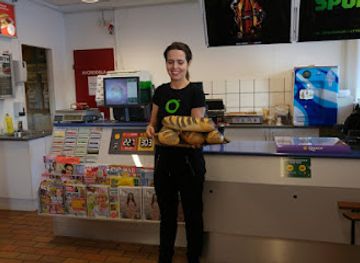
Discover the charm of Magnstøðin í Vestmanna, a unique gas station offering bakery delights, fast food, and delicious ice cream.
14 min walk · 1.1 km from city centre
Best nightclubs in Vestmanna
Vestmanna may be a small town, but its nightlife scene is vibrant and full of surprises. From cozy pubs serving up local brews to lively nightclubs pumping out the latest hits, there is something for everyone here. Dive into the local music scene with live performances at intimate venues, or dance the night away with friendly locals and fellow travelers. With a welcoming atmosphere and plenty of opportunities to socialize, the nightlife in Vestmanna is not to be missed.
-
Distillery
Faer Isles Distillery
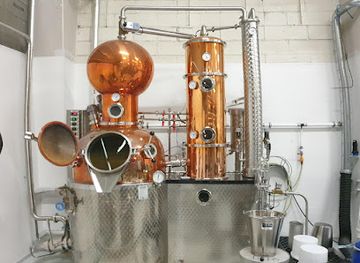
Explore the rich flavors of the Faroe Islands at Faer Isles Distillery, home to exquisite aquavit and local spirits in a breathtaking setting.
13 min walk · 1.1 km from city centre
Best shops in Vestmanna
Vestmanna offers a unique shopping experience for visitors, with a variety of quaint local shops selling traditional Faroese handicrafts, woolen goods, and souvenirs. Visitors can explore the charming streets lined with colorful houses and stop by the local bakery to try traditional Faroese pastries. The bustling market square is a great place to mingle with locals and sample fresh produce and seafood. Don't miss the opportunity to pick up some authentic Faroese knitwear or unique local artwork to take home as a reminder of your trip to this picturesque town.
-
Restaurant
Vestmanna Tourist Centre
Experience the best of the Faroe Islands at Vestmanna Tourist Centre: a blend of dining, adventure, souvenirs, and cultural insights.
11 min walk · 0.9 km from city centre
-
Grocery store
Bónus Norðskála
Explore a wide range of local and international groceries at Bónus Norðskála, your one-stop shop in the beautiful Faroe Islands.
30 min drive · 10 km from city centre
-
Supermarket
Á handil
Discover the local flavors and essentials at Á Handil, Vestmanna's premier supermarket in the scenic Faroe Islands.
14 min walk · 1.1 km from city centre
-
Grocery store
Á við Norðskála
Discover local flavors and essentials at Á við Norðskála, a charming grocery store in the heart of Oyrarbakki, Faroe Islands.
30 min drive · 10 km from city centre
Get your free copy of our complete guide to Vestmanna, delivered straight to you.
Everything on this page, from attractions and restaurants to essentials and local phrases, in one PDF you can read offline, print or share.
Already have an account? Sign in
Your Vestmanna guide is ready.
We'll send it to · Not you? Sign out

Getting your guide ready…
We are putting together a fresh copy of the Vestmanna guide. This can take up to a minute.
This can take a few moments. If your browser asks, choose Allow so the download can start. You'll find the guide in your Downloads folder.
Nothing happened? Download it again
Sorry, the guide is taking longer than usual. Please try again in a minute, or get it by email instead.
Vestmanna essentials
Currency and Payment
Safety
Emergency Situations
Do's and Don'ts
Local Tips
From Eve
Local phrases worth knowing
You don't need to get them perfect. A few words go a long way, and locals appreciate the effort.
Basics
| English | Local | Say it |
|---|---|---|
| Hello | Halló | [ha-loh] |
| Goodbye | Farvæl | [far-vail] |
| Yes | Ja | [ya] |
| No | Nei | [nay] |
| Please/You're welcome | Værsgo | [vair-sgo] |
| Thank you | Takk fyri | [tahk feer-ee] |
| Excuse me/Sorry | Fyrirgef | [feer-eer-gef] |
| How are you? | Hvussu hevur tú tað? | [hvoos-sue hev-ur too tah] |
| Fine. And you? | Gott. Og tú? | [got oh too] |
| Do you speak English? | Talar tú enskt? | [tah-lar too en-skt] |
| I don't understand | Eg skilji ikki | [eg skeel-yee ee-kee] |
Eating & Drinking
| English | Local | Say it |
|---|---|---|
| I'd like to see the menu, please | Eg vil síggja matseðilin, vænta | [eg vil see-ya maht-se-ee-lin, vaint-a] |
| I don't eat meat | Eg et ikki kjøt | [eg et ee-kee kyet] |
| Cheers! | Skál! | [skowl] |
| I would like to pay, please | Eg vil gjalda, vænta | [eg vil gyal-da, vaint-a] |
Emergencies
| English | Local | Say it |
|---|---|---|
| Help! | Hjálp! | [hyowlp] |
| Go away! | Far burtur! | [far boor-tur] |
| Call the Police! | Róður politi! | [ro-dur po-lee-tee] |
| Call a doctor! | Róður læknari! | [ro-dur layk-na-ree] |
| I'm lost | Eg er týstur | [eg air teest-ur] |
| I'm ill | Eg er sjúk | [eg air shyook] |
Shopping
| English | Local | Say it |
|---|---|---|
| I'd like to buy... | Eg vil keypa... | [eg vil kee-pa] |
| I'm just looking | Eg bara lurki | [eg bah-ra loor-kee] |
| How much is it? | Hvussu nógv kostar tað? | [hvoos-sue no-gv kost-ar tah] |
| That's too expensive | Tað er ov dýrt | [tah air ov deert] |
| Can you lower the price? | Kanstu sleppa prísin? | [kan-stoo slep-pa prees-een] |
Time & Numbers
| English | Local | Say it |
|---|---|---|
| What time is it? | Hvussu nógv er klokkan? | [hvoos-sue no-gv air klok-an] |
| It's one o'clock | Tað er eitt | [tah air ay-t] |
| Half past (10) | Hálvgjøgnum tíggju | [haalv-gyug-num tee-gyoo] |
| Morning | Morgun | [mor-gun] |
| Afternoon | Eftirnoon | [eft-eer-nohn] |
| Evening | Kvøld | [kvool] |
| Yesterday | Ígår | [ee-gor] |
| Today | Í dag | [ee dah] |
| Tomorrow | Í morgin | [ee mor-gin] |
| 1 | Eitt | [ayt] |
| 2 | Tvø | [tvoo] |
| 3 | Trý | [tree] |
| 4 | Fýra | [fy-ra] |
| 5 | Fimm | [feem] |
| 6 | Seks | [seks] |
| 7 | Sju | [s-yoo] |
| 8 | Átta | [ow-ta] |
| 9 | Ni | [nee] |
| 10 | Tíggju | [tee-gyoo] |
Transport & Directions
| English | Local | Say it |
|---|---|---|
| Where's a/the...? | Har er ein/tað...? | [har air ayn/tah] |
| What's the address? | Hvat er adressan? | [hvat air ad-dress-an] |
| Can you show me (on the map)? | Kanstu vísa mær (á korti)? | [kan-stoo vee-sa mair (ow kort-ee)] |
| When's the next (bus)? | Nær kemur næsta (buss)? | [nair ke-moor nes-tah boos] |
| A ticket (to ....) | Eitt ferðaseðil (til ....) | [ayt fer-tha-se-ee-l (teel)] |
History of Vestmanna
The Viking Era
Vestmanna, located on the island of Streymoy, has historical roots that trace back to the Viking Age. During this period, the Faroe Islands were settled by Norsemen, and Vestmanna served as an essential settlement due to its strategic location and natural harbor. Archaeological evidence suggests that the area was used for fishing and farming, which were vital for the sustenance of the Viking settlers.
The Origin of the Name
The name 'Vestmanna' is derived from the Old Norse word 'Vestmannahavn,' which means 'the harbor of the Westmen.' The term 'Westmen' referred to the Irish monks and settlers who inhabited the islands before the arrival of the Norsemen. The name reflects the historical significance of the harbor as a place of interaction between different cultures.
Medieval Fishing Hub
Throughout the medieval period, Vestmanna continued to thrive as a crucial fishing village. The natural harbor provided safe anchorage for fishing boats, making it a central location for the Faroe Islands' fishing industry. The abundance of fish in the surrounding waters contributed significantly to the local economy and sustenance of its inhabitants.
The Rise of Seafaring and Trade
In the 16th and 17th centuries, Vestmanna became a prominent seafaring and trading hub. The village's location made it an ideal spot for maritime trade routes connecting the Faroe Islands with other parts of Europe. Vestmanna's residents engaged in the export of dried fish and other local products, fostering economic growth and cultural exchange.
The Faroese Boat Builders
Vestmanna is renowned for its tradition of boat building. The village has a long history of crafting the famous Faroese wooden boats, known as 'føringur.' These boats were essential for fishing and transportation. The craftsmanship and design of the føringur have been passed down through generations, and Vestmanna remains a center for this traditional skill.
World War II and Vestmanna's Role
During World War II, the Faroe Islands were occupied by British forces to prevent a German invasion. Vestmanna played a strategic role during this period, serving as a base for British naval operations. The natural harbor provided a safe anchorage for military vessels, and the village's infrastructure was utilized for wartime logistics.
Modern Vestmanna
In contemporary times, Vestmanna has evolved into a picturesque village known for its stunning landscapes and outdoor activities. The village is a gateway to the Vestmanna bird cliffs, a popular tourist attraction. The cliffs are home to a variety of seabirds, including puffins and guillemots, drawing nature enthusiasts from around the world.
Cultural Heritage and Festivals
Vestmanna is also known for its vibrant cultural heritage and local festivals. The village hosts various events throughout the year, celebrating Faroese traditions, music, and dance. These cultural festivities provide a glimpse into the rich history and communal spirit of Vestmanna's residents.
Vestmanna in Photos
Browse through our photo collection highlighting the charm and character of the destination.
Cities near Vestmanna
The closest cities to Vestmanna, if you have time for more than one stop.
-

-

-

-

-


Swipe for more cities
Explore more
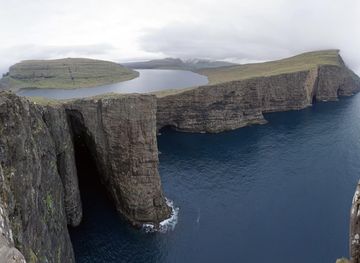
Explore more of Faroe Islands
Discover the Faroe Islands: A land of rugged beauty, rich history, and tranquil villages, perfect for nature lovers and adventurers seeking an off-the-beaten-path destination.
Explore Faroe Islands