

Helsinki Olympic Stadium, Helsinki Travel Guide
Free Guide: Explore Helsinki's iconic Olympic Stadium: a monument to Finnish sports, architecture, and the unforgettable 1952 Summer Games.


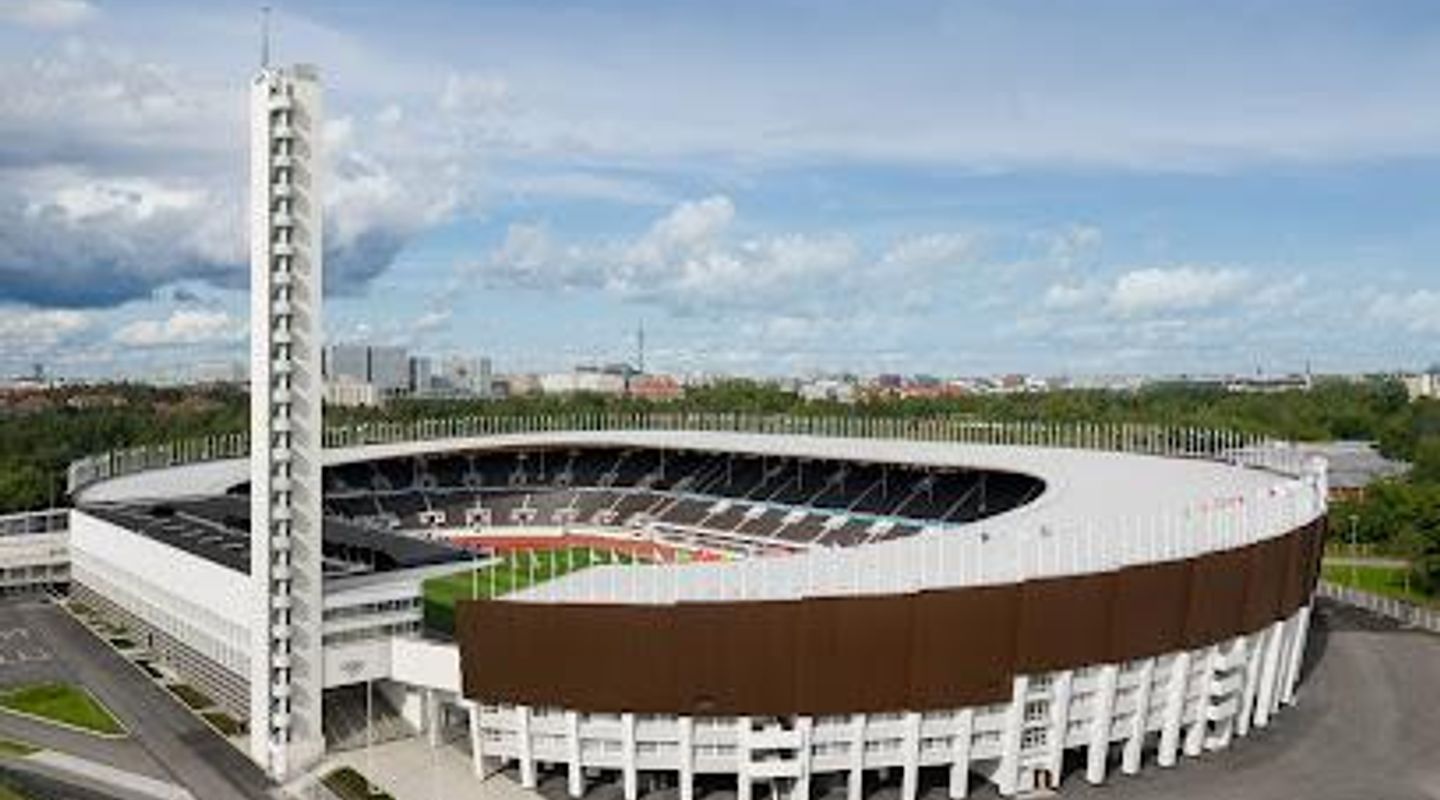
A brief summary of Helsinki Olympic Stadium
Explore Helsinki's iconic Olympic Stadium: a monument to Finnish sports, architecture, and the unforgettable 1952 Summer Games.
The Helsinki Olympic Stadium, completed in 1938, is a landmark of functionalist architecture and a testament to Finland's sporting heritage. Originally intended for the 1940 Olympics, it finally hosted the games in 1952 and continues to be a premier venue for sports and events.
- Address
- Paavo Nurmen tie 1, 00250 Helsinki
- Phone
- Website
Getting there
Public Transport
Walking
Taxi/Ride-share
Discover more about Helsinki Olympic Stadium
Overview
The Helsinki Olympic Stadium, located in the Töölö district, stands as a proud symbol of Finnish sporting history and architectural achievement. Designed by architects Yrjö Lindegren and Toivo Jäntti, the stadium was completed in 1938 in anticipation of the 1940 Summer Olympics, which were unfortunately canceled due to World War II. It finally fulfilled its purpose by hosting the 1952 Summer Olympics, an event that remains a source of national pride.The stadium's architecture is a prime example of Finnish functionalism, characterized by its clean lines and utilitarian design. The most iconic feature is the 72-meter-high tower, offering panoramic views of Helsinki. Visitors can ascend the tower for a small fee and admire the cityscape. The stadium has undergone several renovations, most recently between 2016 and 2020, to modernize facilities and improve accessibility while preserving its historical character.Today, the Helsinki Olympic Stadium hosts a variety of national and international sporting events, concerts, and other large-scale gatherings. It is also home to the Sports Museum of Finland and a visitor center, offering insights into the stadium's history and Finnish athletic achievements. The Bistro Stadion restaurant provides a place to relax and soak in the unique atmosphere. Whether you're a sports enthusiast, a history buff, or simply seeking a stunning view of Helsinki, the Olympic Stadium offers a memorable experience.The stadium welcomes visitors year-round, with the best time to visit being between May and September when the weather is mild and daylight hours are long. Weekdays are generally less crowded than weekends.
Evendo Review Centre
 Google
Guest reviews
Explore Helsinki Olympic Stadium on the map
A handpicked selection of must-see spots near Helsinki Olympic Stadium, mapped for you.
Get your free copy of our complete guide to Helsinki Olympic Stadium, delivered straight to you.
Everything on this page, from opening hours and how to get there to Eve’s tips and the best time to go, in one PDF you can read offline, print or share.
Already have an account? Sign in
Your Helsinki Olympic Stadium guide is ready.
We'll send it to · Not you? Sign out

Getting your guide ready…
We are putting together a fresh copy of the Helsinki Olympic Stadium guide. This can take up to a minute.
This can take a few moments. If your browser asks, choose Allow so the download can start. You'll find the guide in your Downloads folder.
Nothing happened? Download it again
Sorry, the guide is taking longer than usual. Please try again in a minute, or get it by email instead.
Unlock the best of Helsinki Olympic Stadium
Skip-the-line tickets, guided tours with entry, and walking tours of the area, booked in a few clicks.
 Tour with entry
Helsinki Highlights Tour: the Top Sightseeing Spots
from $101.46 Tour with entry
4 Hour Best of Helsinki Tour from Cruise Port
from $134.57 Tour with entry
4 Hour Helsinki Tour from Cruise Port
from $135.64 Tour with entry
Helsinki Gems: Happiest Country Experience from Cruise Port
from $135.64


Other nearby places you may find interesting
The closest places of the same kind, if this one is not quite what you had in mind.
-
-
-
-
-


Swipe for more places
More to explore near Helsinki Olympic Stadium
-
 Best experiences near Helsinki Olympic Stadium
-
 Best hotels near Helsinki Olympic Stadium
-
 Best landmarks near Helsinki Olympic Stadium
-
 Best attractions near Helsinki Olympic Stadium
-
 Best shops near Helsinki Olympic Stadium
-
 Best restaurants near Helsinki Olympic Stadium
-
 Best bars near Helsinki Olympic Stadium


Do you manage this location?
Take control to get all the benefits, like improved information, better appearance, and stronger visibility across AI-powered discovery.
Explore more
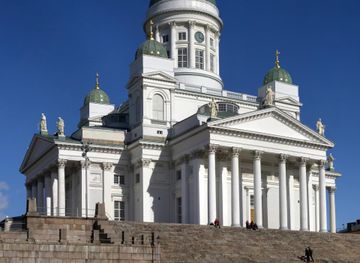
Explore more of Helsinki
Discover Helsinki, Finland's vibrant capital, where modernity meets history, and urban sophistication blends seamlessly with natural beauty.
Explore Helsinki
Explore more of Finland
Explore Finland, where the Midnight Sun meets the Northern Lights, offering a unique blend of natural beauty, rich culture, and unforgettable experiences.
Explore Finland
