
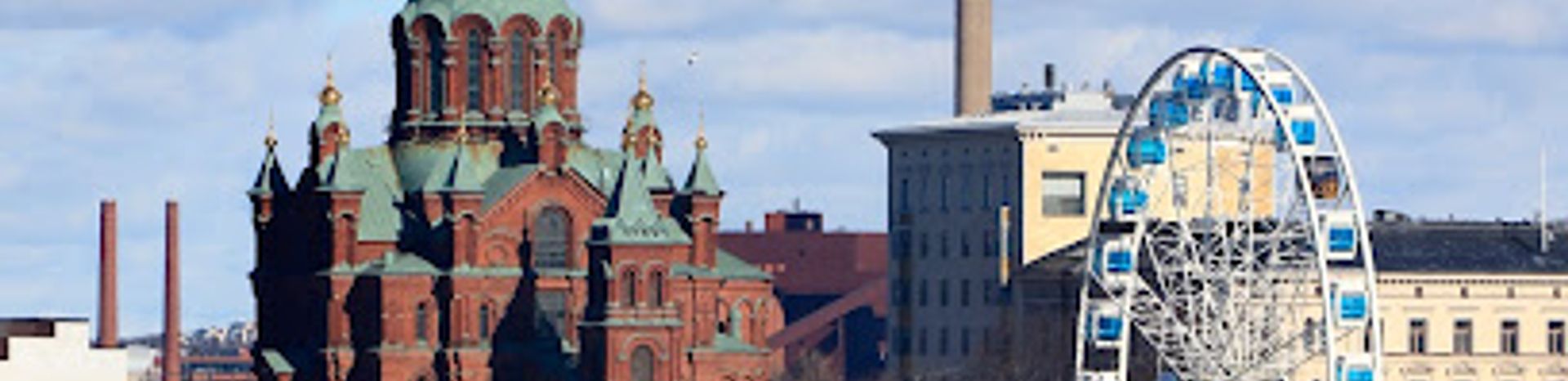
Uspenski Cathedral: A Glimpse into Finland's Russian Past
Discover Helsinki's Uspenski Cathedral: A stunning Orthodox landmark with a rich history and remarkable Russian-Byzantine architecture.
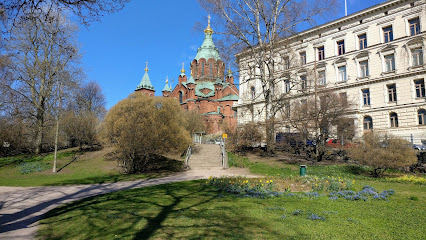
Dominating Helsinki's skyline with its red-brick facade and golden onion domes, Uspenski Cathedral is a stunning reminder of Finland's time as a Grand Duchy under the Russian Empire. This Eastern Orthodox cathedral is the largest of its kind in Western Europe and a must-see for visitors to Helsinki.
A brief summary to Uspenski Cathedral
- Pormestarinrinne 1, Helsinki, 00160, FI
- +3589634267
- Visit website
- Tuesday 9:30 am-4 pm
- Wednesday 9:30 am-4 pm
- Thursday 9:30 am-4 pm
- Friday 9:30 am-4 pm
- Saturday 10 am-3 pm
- Sunday 12 pm-3 pm
Local tips
- Check the opening hours before visiting, as they vary depending on the day and season.
- Admission is free, but donations are welcome to support the cathedral's maintenance.
- Dress respectfully when visiting, as it is an active place of worship.
- Explore the surrounding Katajanokka district for its unique architecture and charming atmosphere.
- Visit Tove Jansson Park near the cathedral for a relaxing break.

Getting There
-
Walking
From Helsinki Central Railway Station, walk east on Mannerheimintie, then turn right onto Mikonkatu. Turn left on Katajanokanlaituri, and you will find the cathedral on the right side of Senate Square. The walk is approximately 1.6 kilometers and should take about 20 minutes.
-
Public Transport
From Helsinki Central Railway Station, take tram 4, 6T, or 7T to the Tove Janssonin p stop. From there, it is a short walk to the cathedral. A single tram ticket costs approximately €3.
-
Taxi
A taxi from Helsinki Central Railway Station to Uspenski Cathedral is approximately 2 kilometers and takes about 4 minutes. The estimated cost is €8-€11.
Discover more about Uspenski Cathedral
Iconic landmarks you can’t miss

Wallis Karaoke Bar
0.1 km
Discover Helsinki's vibrant nightlife at Wallis Karaoke Bar, where singing, laughter, and great drinks come together for an unforgettable experience.
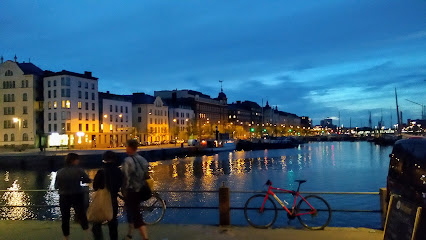
Presidential Palace
0.2 km
Explore the historical and architectural marvel of the Presidential Palace in Helsinki, the official residence of Finland's President.
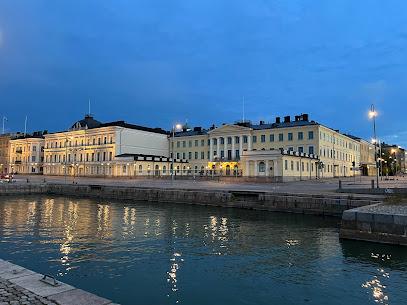
Finnish House of Nobility
0.3 km
Discover the elegance of the Finnish House of Nobility, a historical landmark in Helsinki showcasing the noble heritage and architectural beauty of Finland.
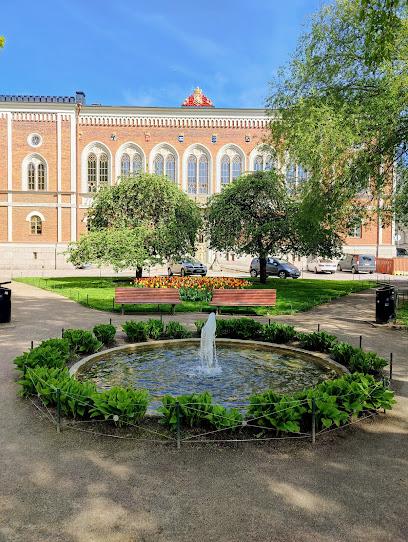
Kukeseenelahingu mälestuspaik
0.3 km
Discover the Kukeseenelahingu Memorial, a historical landmark in Helsinki that reflects the city's rich past and offers serene waterfront views.
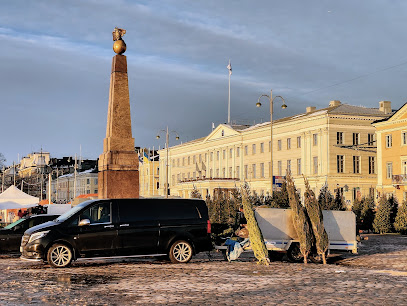
Royal Line Oy
0.4 km
Discover the beauty of Helsinki from the water with Royal Line Oy, offering unforgettable cruise experiences and exquisite dining options.
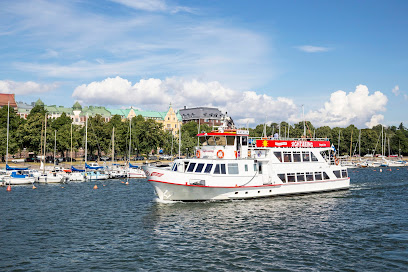
Green Cap Tours
0.4 km
Explore the beauty and culture of the region with Green Cap Tours, your trusted local tour operator for unforgettable experiences.
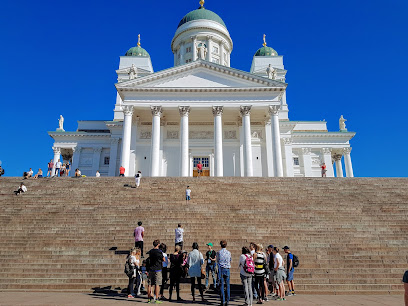
Helsinki City Hall
0.4 km
Discover the architectural beauty and civic significance of Helsinki City Hall, a must-visit landmark in Finland's vibrant capital.
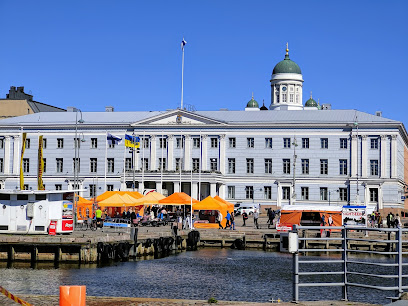
Torikorttelit
0.4 km
Experience the charm of Torikorttelit in Helsinki, where shopping, dining, and culture intertwine to create unforgettable memories.
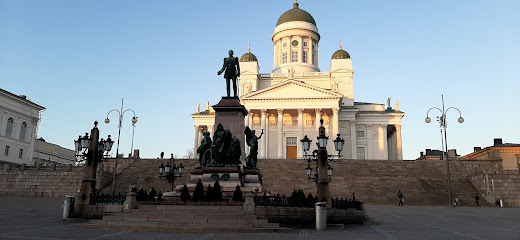
Alexander II Statue
0.4 km
Explore the Alexander II Statue in Helsinki: A stunning historical monument that symbolizes Finland's rich past and architectural beauty.
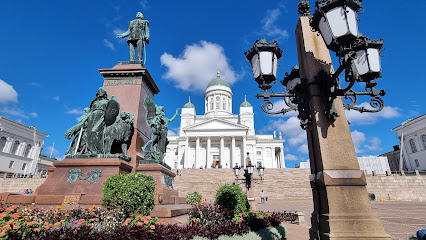
House of the Estates
0.5 km
Explore the House of the Estates in Helsinki, a stunning neoclassical landmark filled with history and political significance.
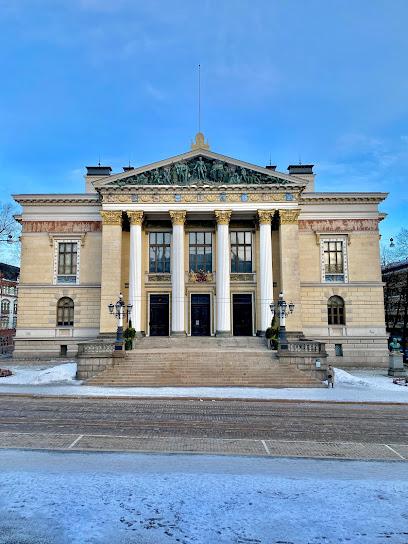
Hop-On Hop-Off City Tour
0.5 km
Experience the best of Helsinki with the Hop-On Hop-Off City Tour, perfect for exploring iconic sights and hidden gems at your own pace.
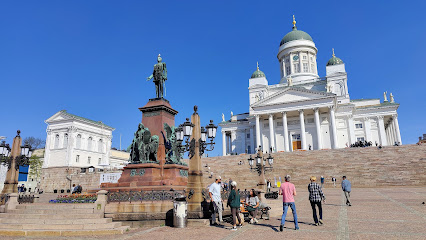
Wanha Satama
0.5 km
Discover Wanha Satama, Helsinki’s historic waterfront venue, bursting with cultural events, stunning views, and vibrant community experiences.
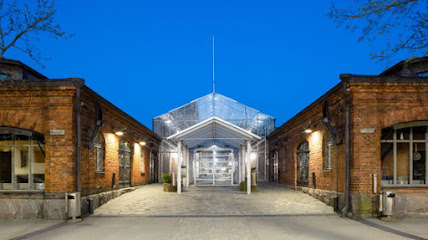
The Bank of Finland
0.5 km
Discover the architectural beauty and historical significance of the Bank of Finland in Helsinki, a central hub of the nation's economy.
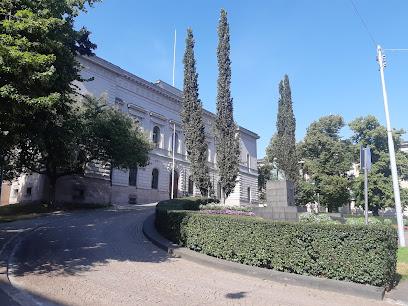
Katajanokan Vankila
0.6 km
Explore the captivating history of Katajanokan Vankila, Helsinki's former prison turned cultural landmark, offering unique insights into Finland's past.
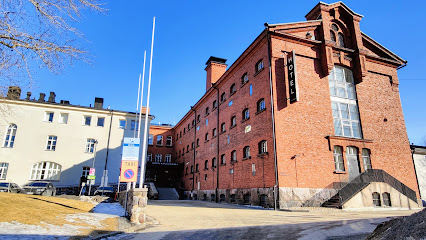
Hi / Free Ride
0.6 km
Experience the captivating Hi / Free Ride sculpture in Esplanade Park, a vibrant symbol of creativity and freedom in Helsinki's cultural landscape.
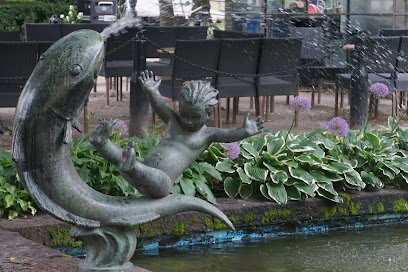
Unmissable attractions to see

Tove Jansson Park
0.1 km
Discover the serene beauty of Tove Jansson Park, a tribute to Finland's beloved artist and a tranquil retreat in the heart of Helsinki.
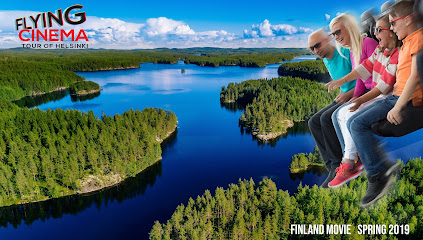
Flying Cinema Tour Of Helsinki
0.1 km
Explore Helsinki from above with the thrilling Flying Cinema Tour, an immersive audiovisual experience showcasing the city's beauty and history.
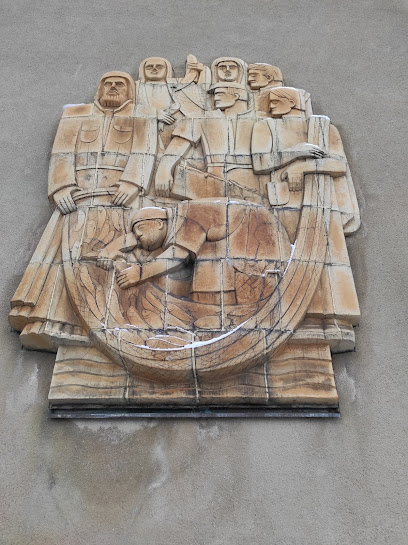
Peter's Draught of Fish
0.2 km
Experience the best of Finnish seafood at Peter's Draught of Fish, a top tourist attraction in the heart of Helsinki with stunning waterfront views.
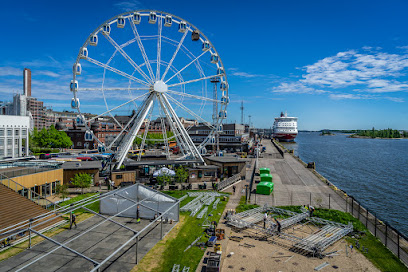
SkyWheel Helsinki
0.2 km
Experience breathtaking views of Helsinki from the iconic SkyWheel, the perfect blend of adventure and stunning scenery in Finland's capital.
Redrib Experience Oy Ltd
0.2 km
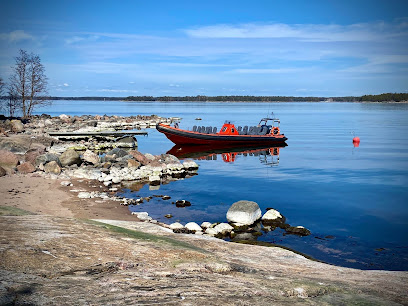
Discover Helsinki from the water with unforgettable boat and helicopter tours at Redrib Experience Oy Ltd, where adventure meets breathtaking views.
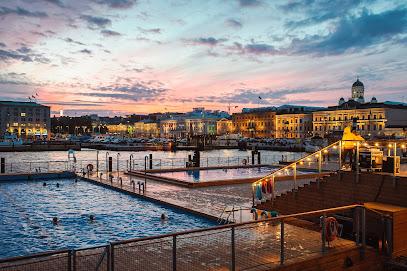
Allas Sea Pool
0.2 km
Experience Finnish sauna culture with Baltic Sea views at this year-round urban spa in the heart of Helsinki.
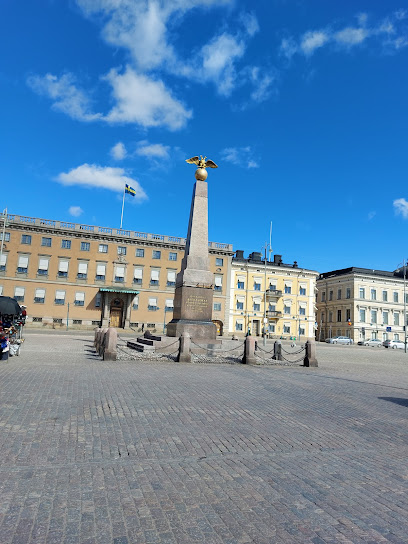
Tsarina's Stone
0.3 km
Explore Tsarina's Stone in Helsinki, a stunning monument blending history, art, and nature in one captivating location.
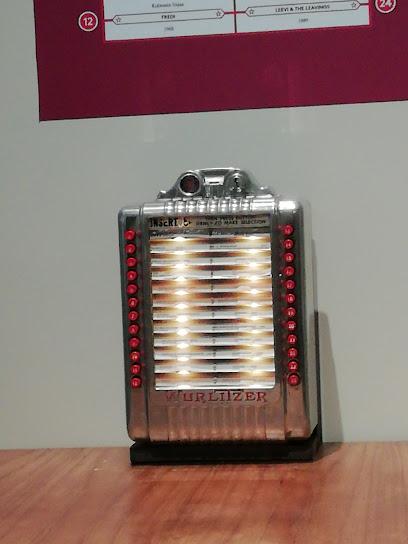
Helsinki City Museum
0.3 km
Immerse yourself in the vibrant history of Helsinki at the Helsinki City Museum, where past meets present in fascinating exhibits and interactive displays.
Halkolaituri
0.3 km
Experience the enchanting waterfront of Halkolaituri in Helsinki, where stunning views and vibrant culture come together in perfect harmony.
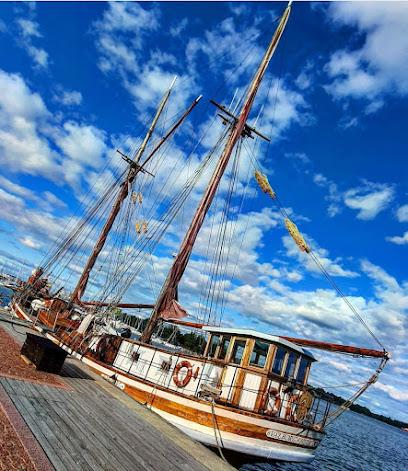
Children’s Town
0.3 km
Experience the wonder of childhood at Children’s Town, a museum in Helsinki filled with interactive exhibits and playful exploration for all ages.
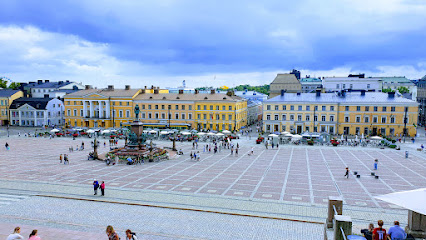
Kauppatori
0.4 km
Discover Kauppatori, Helsinki’s vibrant market square, where fresh local produce meets traditional Finnish cuisine and cultural experiences.
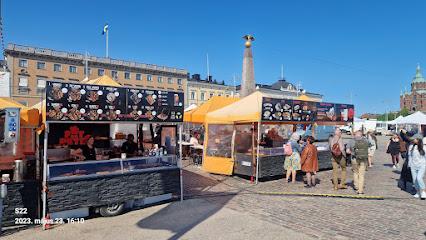
Stromma - Helsinki Sightseeing by boat
0.4 km
Experience Helsinki from the water with Stromma's sightseeing boat tours, offering breathtaking views and rich historical insights.
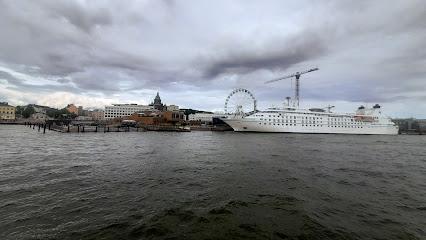
The Bank of Finland Museum
0.4 km
Discover the intriguing world of Finnish currency and finance at the Bank of Finland Museum in Helsinki.
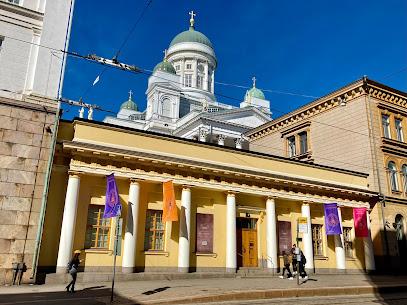
Senate Square
0.4 km
Explore the iconic Senate Square in Helsinki, a stunning architectural masterpiece and cultural hub at the heart of the city, rich in history and charm.
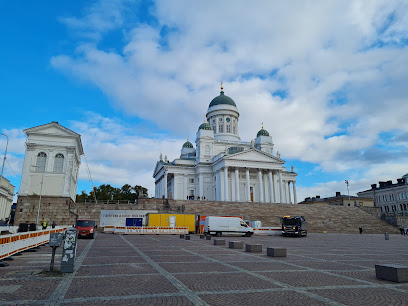
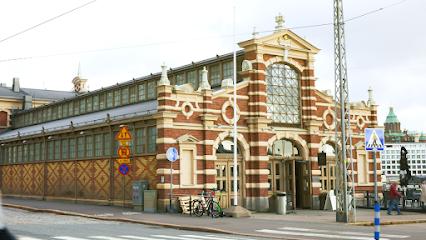
Old Market Hall
0.5 km
Experience the vibrant flavors and local culture at Helsinki's historic Old Market Hall, a must-visit destination for food lovers and travelers.
Essential places to dine

Restaurant Shelter
0.1 km
Experience exquisite Finnish cuisine at Restaurant Shelter in Helsinki, where stunning waterfront views meet culinary excellence.
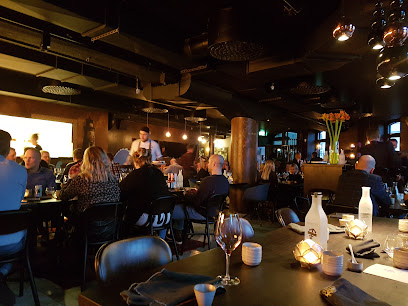
Ravintola Nokka
0.1 km
Discover the essence of Finnish cuisine at Ravintola Nokka in Helsinki – where tradition meets innovation in every dish.
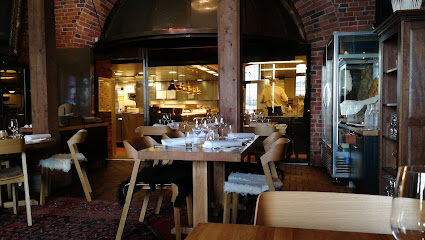
Foods & Co - SeanMan
0.1 km
Experience the best of Finnish and international cuisine at Foods & Co - SeanMan in Helsinki, where every dish tells a story.
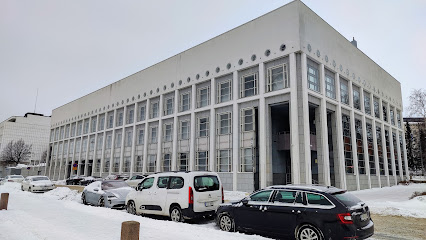
Allas Restaurants
0.2 km
Experience Helsinki's vibrant culinary scene at Allas Restaurants with stunning waterfront views, live music, and exceptional Scandinavian cuisine.
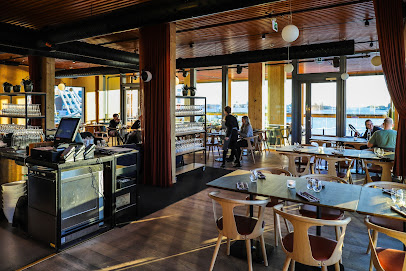
Restaurant Kuurna
0.2 km
Experience exquisite European cuisine in a warm and inviting atmosphere at Restaurant Kuurna in Helsinki.
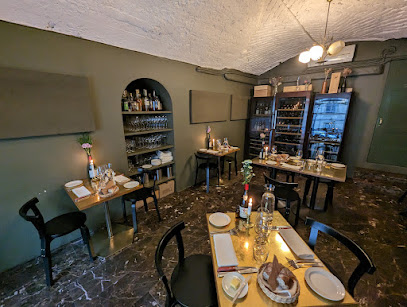
Restaurant Locanda Scappi
0.3 km
Experience authentic Italian cuisine at Locanda Scappi in Helsinki – where tradition meets contemporary flair in every dish.
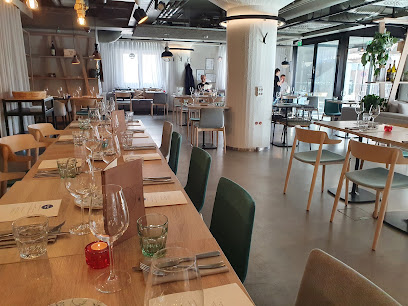
Restaurant Fly Fusion
0.3 km
Experience the fusion of flavors at Restaurant Fly Fusion in Helsinki - where local ingredients meet innovative cuisine in a cozy setting.
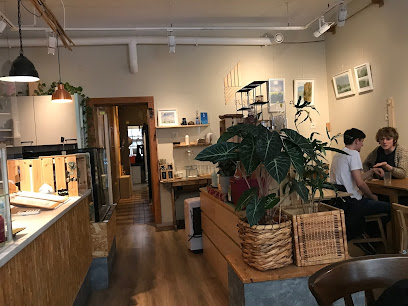
Restaurant Olo
0.3 km
Experience Michelin-starred Scandinavian dining at Restaurant Olo in Helsinki, where local flavors meet innovative culinary artistry.
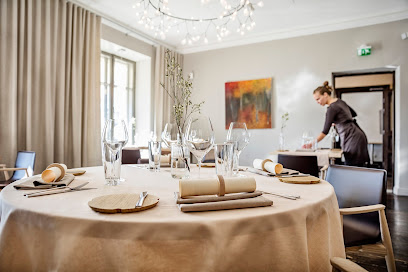
Restaurant Everest Katajanokka
0.4 km
Experience authentic Himalayan cuisine in Helsinki at Restaurant Everest Katajanokka - a culinary gem with stunning flavors.
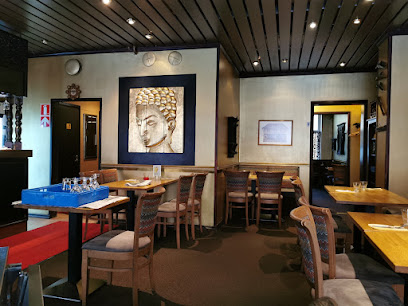
Restaurant Savotta
0.4 km
Experience authentic Finnish flavors at Restaurant Savotta in Helsinki - where tradition meets taste in every dish.
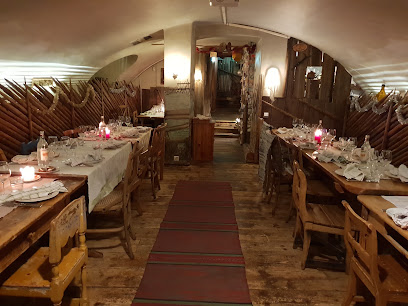
Ravintola Makasiini & Bar
0.4 km
Experience authentic Finnish cuisine at Ravintola Makasiini & Bar while enjoying stunning harbor views in Helsinki.
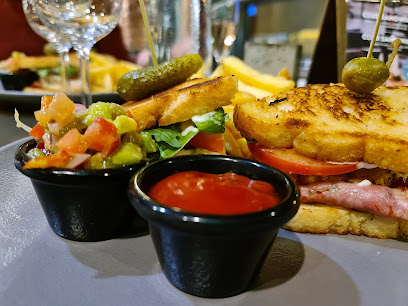
Restaurant Salutorget
0.4 km
Experience authentic Finnish cuisine at Restaurant Salutorget in Helsinki—where tradition meets modern elegance.
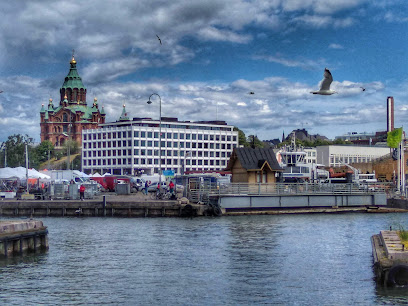
Finlandia Caviar Shop & Restaurant
0.5 km
Discover Helsinki's finest seafood at Finlandia Caviar Shop & Restaurant - where luxury meets tradition in every bite.
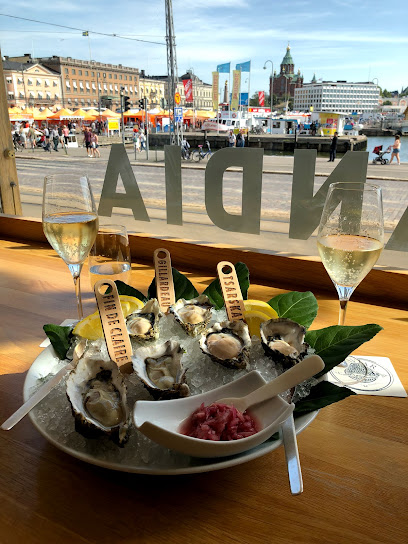
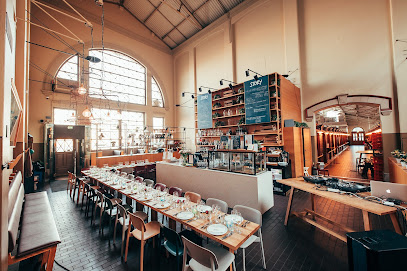
Restaurant Story
0.5 km
Experience authentic European cuisine in Helsinki's historic Vanha Kauppahalli at Restaurant Story - perfect for breakfast and brunch lovers.
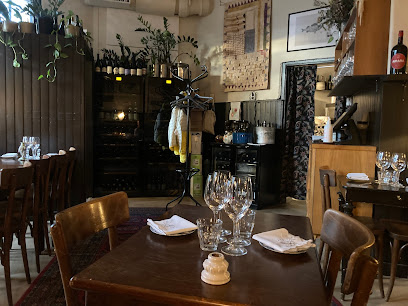
Restaurant Wellamo
0.5 km
Experience authentic Finnish cuisine at Restaurant Wellamo in Helsinki – where local flavors meet inviting atmosphere.
Markets, malls and hidden boutiques

Street West
0.2 km
Explore the charm of Helsinki through unique vintage fashion at Street West, a must-visit destination for vintage lovers in Finland.
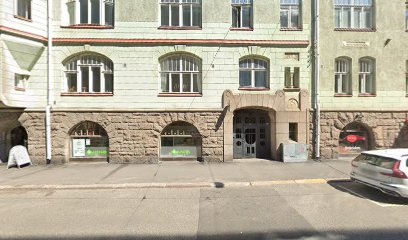
Urban Concept
0.3 km
Explore the finest in Finnish design and craftsmanship at Urban Concept, your premier shopping destination in Helsinki.
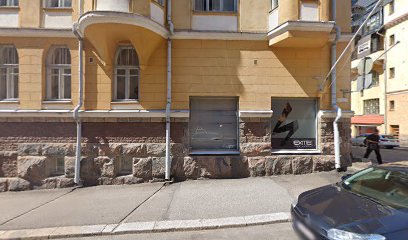
OMA puoti
0.4 km
Explore OMA puoti in Helsinki for exquisite needlework supplies and handcrafted Finnish art, an essential stop for craft lovers and tourists.
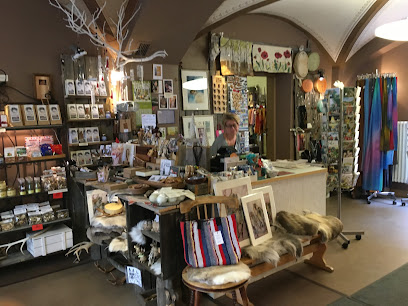
Live Love Helsinki
0.4 km
Explore Live Love Helsinki for stylish apparel that embodies Finnish culture and modern design, perfect for tourists seeking unique fashion treasures.
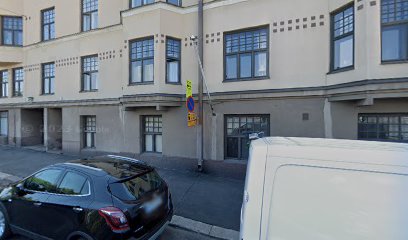
Okra Shop
0.4 km
Explore Okra Shop in Helsinki for exquisite handmade crafts and unique Finnish souvenirs that embody the spirit of local artistry.
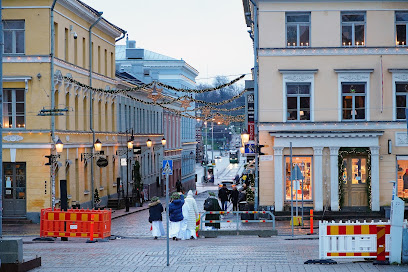
Aarreholvi
0.4 km
Discover Aarreholvi, Helsinki's boutique treasure, where unique fashion and local artistry intertwine for an unforgettable shopping experience.
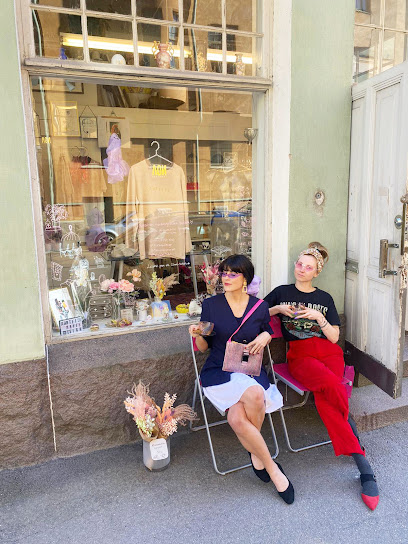
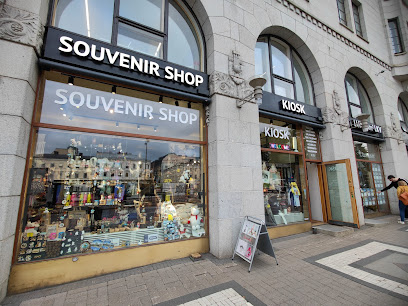
Reindeer Souvenirs Shop & Kiosk
0.5 km
Discover authentic Finnish souvenirs at the Reindeer Souvenirs Shop & Kiosk, where tradition meets craftsmanship in the heart of Helsinki.
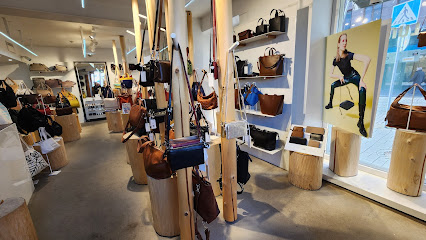
Lumi Supermarket - Flagship Boutique
0.5 km
Discover the finest fashion accessories at Lumi Supermarket - Flagship Boutique in Helsinki, where style meets elegance in a chic shopping experience.
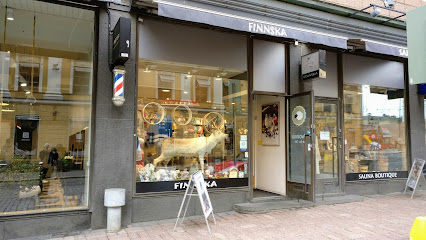
Finnska Souvenirs / Sauna Boutique
0.5 km
Explore the heart of Finnish craftsmanship at Finnska Souvenirs / Sauna Boutique, your go-to spot for authentic gifts and sauna essentials in Helsinki.
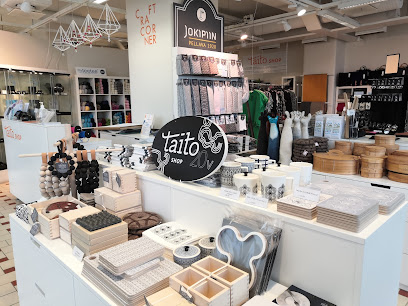
Taito Shop Helsinki
0.5 km
Experience the charm of Finnish craftsmanship at Taito Shop Helsinki, your ultimate destination for needlework supplies and local art.
CraftCorner Helsinki
0.5 km
Discover the magic of Finnish craftsmanship at CraftCorner Helsinki – a unique blend of store, art gallery, and creative workshop.
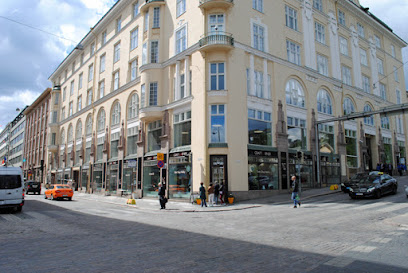
Iittala & Arabia Store Esplanadi
0.6 km
Explore exquisite Finnish design at Iittala & Arabia Store Esplanadi, where craftsmanship meets contemporary elegance in glassware and home goods.
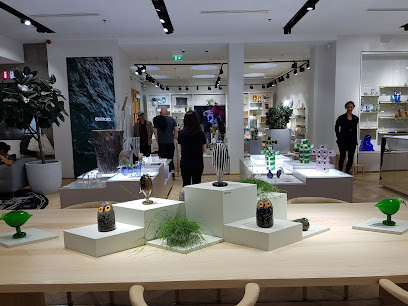
Wolford Boutique Helsinki
0.6 km
Experience luxury shopping with exquisite clothing and lingerie at Wolford Boutique Helsinki, a must-visit destination for fashion enthusiasts.
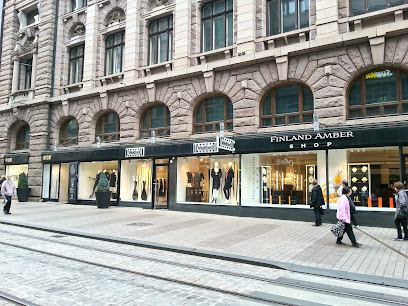
Balmuir Brand Store Helsinki
0.6 km
Explore the elegance of Finnish fashion at Balmuir Brand Store Helsinki, where luxury meets exquisite craftsmanship.
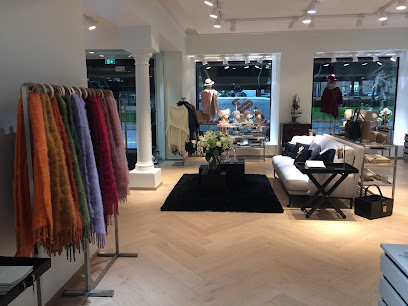
Edition Wilhelm Hansen Helsingfors Ab
0.6 km
Explore the exquisite collection of fashion accessories at Edition Wilhelm Hansen Helsingfors Ab, a must-visit boutique in Helsinki's vibrant shopping scene.
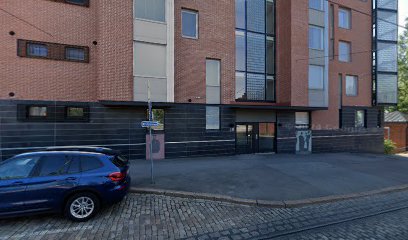
Essential bars & hidden hideouts

Kork Bar
0.0 km
Experience Kork Bar, Helsinki’s charming waterfront bar, where exquisite drinks meet a lively atmosphere in the heart of the city.

Velvet Bar
0.0 km
Experience the vibrant nightlife of Helsinki at Velvet Bar, a stylish waterfront destination known for its exquisite cocktails and lively atmosphere.
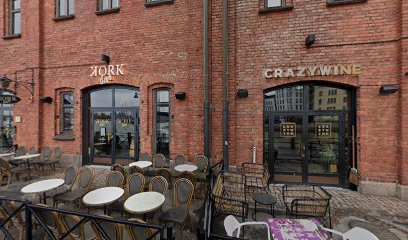
Holiday Bar
0.1 km
Discover the lively atmosphere of Holiday Bar in Helsinki, where exquisite cocktails and delicious dining meet stunning waterfront views.
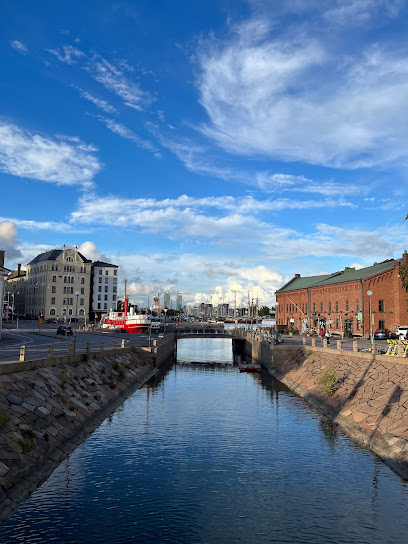
Crazy Wine Helsinki
0.1 km
Experience vibrant nightlife at Crazy Wine Helsinki, where exquisite wines, creative cocktails, and delicious tapas come together in a lively atmosphere.
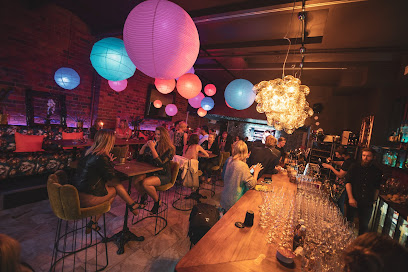
SKÖNE
0.1 km
Discover SKÖNE, a trendy bar in Helsinki offering a vibrant atmosphere and a diverse selection of drinks in a stunning waterfront location.
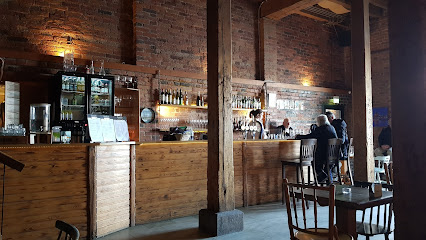
The PALM
0.1 km
Experience the dynamic nightlife of Helsinki at The PALM, a vibrant bar and event venue offering exquisite drinks and unforgettable events.
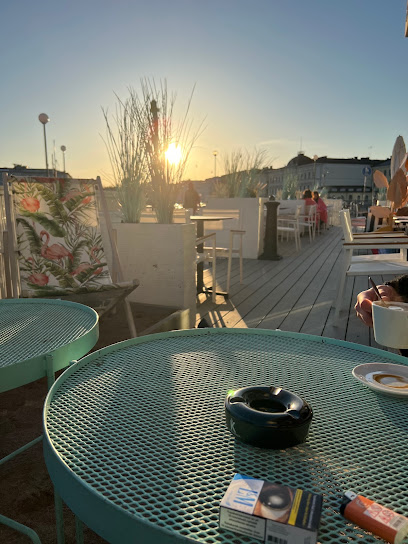
Poseidon
0.2 km
Experience the vibrant nightlife at Poseidon, a nautical-themed bar in Helsinki offering a wide selection of drinks and a lively atmosphere.
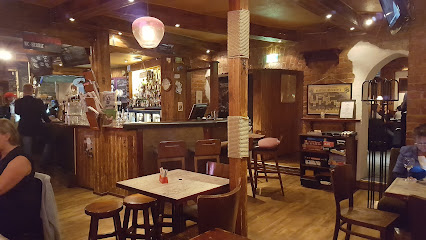
Madame Clicquot Champagne Bar
0.2 km
Experience the elegance of champagne at Madame Clicquot Champagne Bar in Helsinki, where every sip is a celebration of luxury and taste.
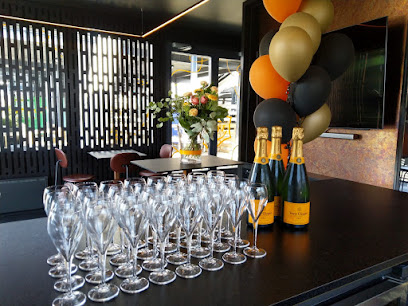
Beaky Basterd & Co
0.3 km
Discover Beaky Basterd & Co, a vibrant Helsinki bar known for its delicious drinks, lively atmosphere, and exceptional service, perfect for a night out.
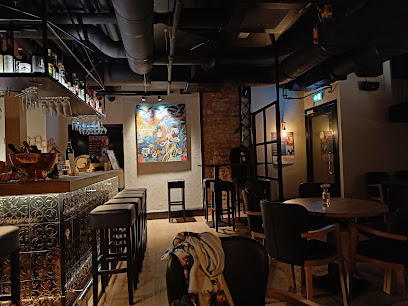
Trillby & Chadwick
0.3 km
Discover the essence of mixology at Trillby & Chadwick, Helsinki's premier cocktail bar with a stylish ambiance and innovative drinks.
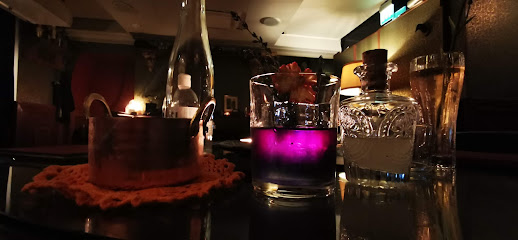
Island-K Bar&Kitchen
0.6 km
Discover the charm of Island-K Bar & Kitchen, a cozy spot in Helsinki offering delightful drinks, local flavors, and stunning waterfront views.
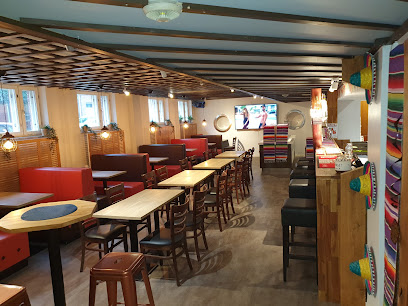
Shot Bar Helsinki
0.7 km
Experience vibrant nightlife at Shot Bar Helsinki with creative shots, friendly vibes, and a lively atmosphere perfect for any celebration.
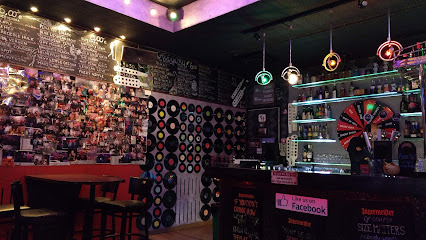
Ravintola Kaarle XII
0.8 km
Discover the heart of Helsinki's nightlife at Ravintola Kaarle XII, where history meets modern excitement in a vibrant nightclub setting.
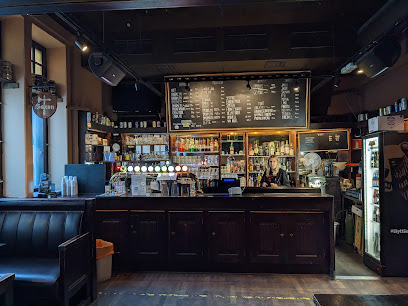
Kaisla
0.8 km
Discover Kaisla, a vibrant bar in Helsinki offering a wide selection of craft beers and a lively atmosphere perfect for tourists and locals alike.
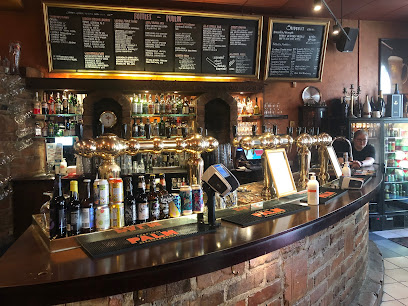
Molly Malone's Irish Bar
0.8 km
Discover the heart of Ireland in Helsinki at Molly Malone's Irish Bar, where good drinks and great company come together.
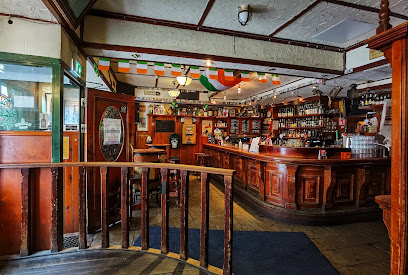
Nightclubs & after hour spots

Ambassador
0.5 km
Discover Ambassador, Helsinki's ultimate night club for unforgettable nightlife experiences, electrifying music, and a vibrant atmosphere.
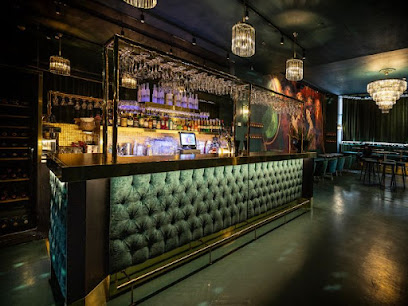
On the Rocks
0.9 km
On the Rocks: Dive into Helsinki's vibrant nightlife with live music, great drinks, and an unforgettable atmosphere in this iconic night club.
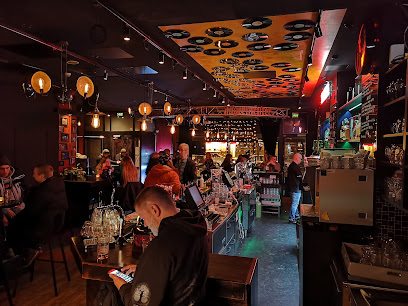
Haave Helsinki
0.9 km
Discover the electrifying nightlife of Haave Helsinki, a premier night club offering an unforgettable experience in the heart of Finland's capital.

Babylon Club & Garden
1.0 km
Discover the heartbeat of Helsinki's nightlife at Babylon Club & Garden, where vibrant music and unforgettable nights await.
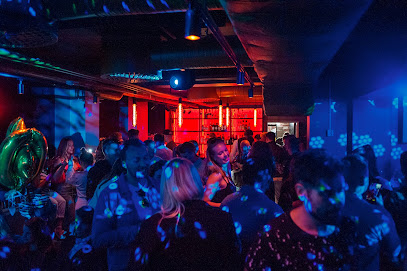
Hercules Gay Nightclub
1.0 km
Experience the heart of Helsinki's LGBTQ+ nightlife at Hercules Gay Nightclub, where vibrant energy and inclusivity create unforgettable nights.
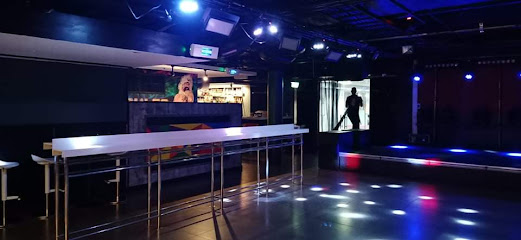
Gentlemans Club
1.0 km
Unleash your nightlife spirit at Gentleman's Club, Helsinki's premier venue for adult entertainment and dance.
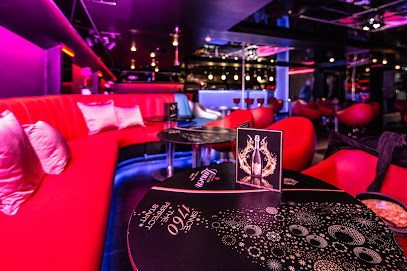
Karaoke Nightclub Swengi
1.1 km
Dive into the lively nightlife of Helsinki at Karaoke Nightclub Swengi, where every night is a celebration of music and fun.
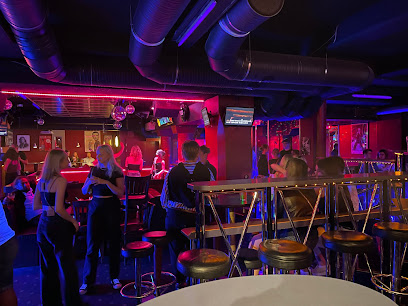
Set’s Cellar
1.1 km
Experience the vibrant nightlife of Helsinki at Set’s Cellar, a cozy bar offering local drinks and a warm atmosphere.
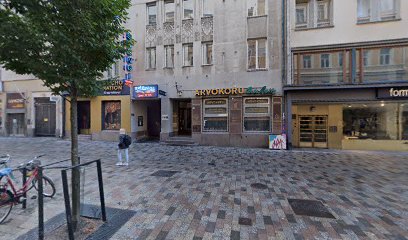
Apollo Live Club
1.1 km
Discover the heartbeat of Helsinki's nightlife at Apollo Live Club, where live music and comedy meet in a vibrant atmosphere.
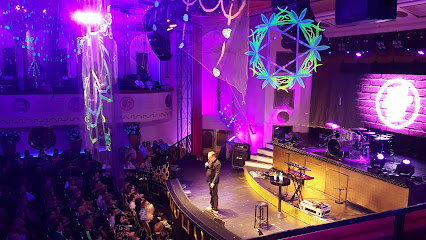
Milliklubi Bar & Disco
1.2 km
Dive into the electrifying nightlife of Helsinki at Milliklubi Bar & Disco, where great music and vibrant energy create an unforgettable experience.
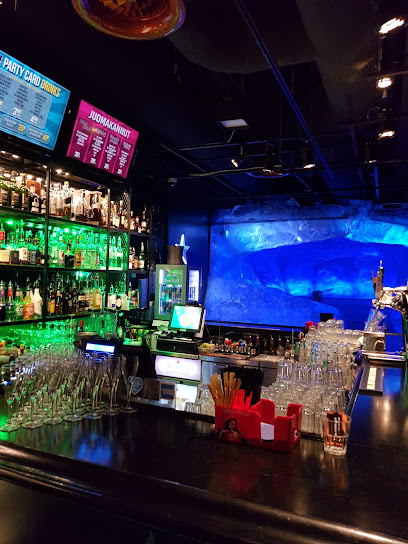
Heidi's Bier Bar
1.2 km
Discover the lively atmosphere and diverse drink selection at Heidi's Bier Bar, a top destination for nightlife in Helsinki.
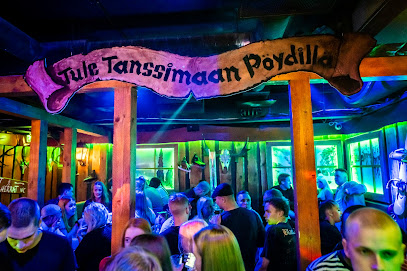
NoName Helsinki
1.2 km
Discover NoName Helsinki, a premier night club where eclectic music, innovative cocktails, and vibrant nightlife converge in the heart of the city.
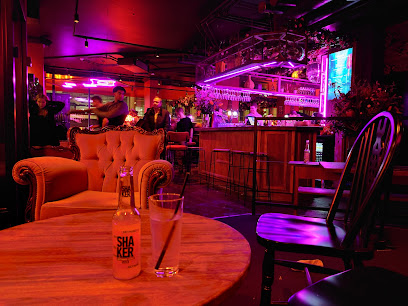
Butchers Helsinki
1.2 km
Butchers Helsinki: Where Nightlife Comes Alive with Exquisite Cocktails and Unforgettable Beats in the Heart of the City.
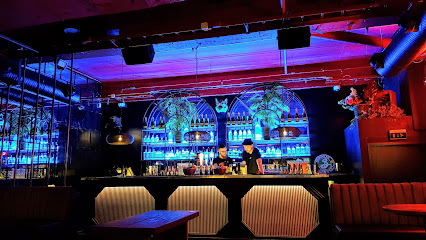
Kaivohuone
1.2 km
Discover the heart of Helsinki's nightlife at Kaivohuone, where stunning views meet electrifying music and vibrant crowds.

El Patron Club & Lounge
1.3 km
Discover the heartbeat of Helsinki's nightlife at El Patron Club & Lounge, where music, dance, and unforgettable moments await.


