

Punavuori (Helsinki) Travel Guide - Free
Explore Punavuori in Helsinki with Evendo's free guide. Find the best shops, historic streets, restaurants, and gems on web or mobile.


Punavuori, Helsinki’s design quarter, pairs Art Nouveau streets with galleries, cafés, restaurants, bars and the Hietalahti market near the waterfront.
Streets of Design and Everyday Life
Punavuori occupies a compact area south-west of Helsinki’s historic centre, between Bulevardi, Hietalahti, Eira and the shoreline. Its name means “red hill”, a reference to the area’s terrain and traditional associations with red-painted wooden buildings. Today, the neighbourhood is recognised for its dense blocks, handsome late nineteenth- and early twentieth-century architecture, independent shops and creative businesses. Iso Roobertinkatu, Fredrikinkatu, Uudenmaankatu and Perämiehenkatu form some of its most characteristic routes, lined with cafés, restaurants, studios, galleries and residential entrances.Read more about Punavuori
Architecture, Art and the Waterfront
Cafés, Markets and Evening Atmosphere
Best attractions in Punavuori
Punavuori’s attractions are concentrated within a walkable area rather than gathered around one monumental sight. The Sinebrychoff Art Museum presents Finnish and European art in the former home of the Sinebrychoff family, while Sinebrychoff Park provides a leafy setting beside Bulevardi. Hietalahti Market Hall and the adjoining market square bring together food, local commerce and the neighbourhood’s historic connection with the waterfront. The streets of the Design District, particularly around Iso Roobertinkatu, Uudenmaankatu and Fredrikinkatu, reward leisurely exploration with galleries, design stores, cafés and carefully detailed apartment façades. Visitors can also follow the changing streetscape southwards towards the rocky edges near Eira, where dense central-city blocks give way to quieter residential architecture. The attraction is the combination of institutions, markets, design culture and everyday street life rather than a single sightseeing circuit.
-
Tourist attraction
Helsinki Market Square
Experience Helsinki's vibrant heart at Market Square: fresh food, local crafts, and stunning Baltic Sea views await!
12 min walk · 0.9 km from neighbourhood centre
-
Tourist attraction
Esplanadi
Discover Helsinki's green heart: Esplanadi Park, a vibrant oasis offering history, culture, and tranquility in the city's center.
9 min walk · 0.7 km from neighbourhood centre
-
Tourist attraction
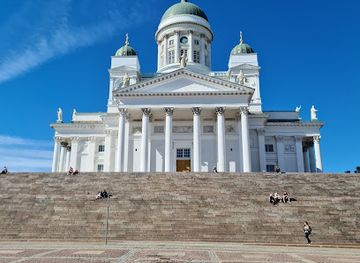
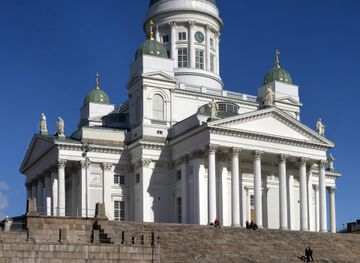
Helsinki Cathedral
An iconic neoclassical cathedral in Helsinki's Senate Square, a symbol of Finnish identity and architectural grandeur.
14 min walk · 1.1 km from neighbourhood centre
-
Tourist attraction
Uspenski Cathedral
Discover Helsinki's Uspenski Cathedral: A stunning Orthodox landmark with a rich history and remarkable Russian-Byzantine architecture.
16 min walk · 1.3 km from neighbourhood centre


Best landmarks in Punavuori
Punavuori’s landmarks express Helsinki’s transition from an edge district into a dense central neighbourhood. The Sinebrychoff Art Museum is significant both for its art collection and for its connection with the Sinebrychoff family’s commercial history; its historic domestic interiors give the building a different character from a purpose-built museum. Sinebrychoff Park, directly beside it, is one of the area’s principal green landmarks. Hietalahti Market Hall and its market setting preserve the neighbourhood’s relationship with trade, food and the waterfront. Mikael Agricola Church on Tehtaankatu marks the southern side of the district with its distinctive modernist form, while the surrounding apartment streets retain layers of late nineteenth- and early twentieth-century urban architecture. Rather than isolated monuments, Punavuori’s heritage is read through façades, courtyards, market structures and the changing scale of streets towards the shore.
-
Plaza
Senate Square
Explore the architectural beauty and cultural significance of Senate Square, the heart of Helsinki, surrounded by iconic landmarks and vibrant atmosphere.
13 min walk · 1.0 km from neighbourhood centre
-
City park
Old Church Park
Explore the serene beauty and historical significance of Old Church Park, a lush urban oasis in the heart of Helsinki, Finland.
6 min walk · 0.4 km from neighbourhood centre
-
Art museum
Sinebrychoff Art Museum
Explore the rich tapestry of European art at Sinebrychoff Art Museum, where history meets creativity in the heart of Helsinki.
6 min walk · 0.5 km from neighbourhood centre
-
City park
Sinebrychoff Park
Discover the tranquility of Sinebrychoff Park, a vibrant urban oasis in Helsinki, perfect for relaxation, culture, and family fun.
6 min walk · 0.5 km from neighbourhood centre


Explore Punavuori on the map
A handpicked selection of must-see spots in Punavuori, mapped for you.
Best hotels in Punavuori
Best restaurants in Punavuori
Punavuori has one of Helsinki’s most concentrated dining scenes, with restaurants and cafés occupying former shops, workshops and ground-floor residential premises. Contemporary Finnish and Nordic cooking is represented by places such as BasBas, while Nolla is associated with a more sustainability-focused approach; both illustrate the neighbourhood’s interest in carefully sourced food without defining the whole area. Around Iso Roobertinkatu, Uudenmaankatu and the streets leading towards Hietalahti, visitors find bakeries, coffee shops, vegetarian cooking, wine-led restaurants, casual international food and more formal dining rooms. The market hall adds an indoor food stop with a different rhythm from the restaurant streets, and nearby shops support a useful café-and-grocery culture. Reservations may be relevant for small, well-known restaurants, while opening arrangements change, so current venue information should be checked before setting out.
-
Italian
Ravintola Nerone
Experience authentic Italian flavors at Ravintola Nerone in Helsinki – where every dish tells a story.
6 min walk · 0.5 km from neighbourhood centre
-
Restaurant
Ravintola Green Hippo Punavuori
Experience the vibrant flavors at Ravintola Green Hippo - Helsinki's go-to spot for vegan delights and cozy brunches in Punavuori.
1 min walk · 0.1 km from neighbourhood centre
-
Vegetarian
Restaurant Yes Yes Yes
Discover innovative vegetarian cuisine at Restaurant Yes Yes Yes in Helsinki – where every dish is a delightful celebration of flavors.
4 min walk · 0.3 km from neighbourhood centre
-
Restaurant
Baskeri & Basso
Discover the essence of Finnish cuisine at Baskeri & Basso in Helsinki – where local flavors meet modern culinary artistry.
7 min walk · 0.6 km from neighbourhood centre


Best bars in Punavuori
Punavuori’s nightlife is intimate, centrally located and closely tied to its restaurant and music culture rather than dominated by large clubs. Bars around Annankatu, Iso Roobertinkatu and the surrounding side streets range from relaxed neighbourhood drinking places to cocktail-focused rooms and venues with a strong music identity. Liberty or Death is known for cocktail culture, while Bar Loose has long been associated with live music and late-evening socialising; the wider area also contains smaller bars whose character changes with the programme and the night. Hietalahti is generally quieter after market activity ends, while the streets closer to Bulevardi and the Design District remain more sociable. Visitors should remember that many upper-floor buildings are residential, so keeping conversation and departures discreet is part of enjoying the district respectfully.
-
Bar
The Riff
Explore the vibrant nightlife of Helsinki at The Riff, where expertly crafted drinks meet a lively atmosphere, perfect for any evening out.
3 min walk · 0.3 km from neighbourhood centre
-
Beer Garden
Black door
Experience the vibrant atmosphere and extensive beer selection at Black Door, Helsinki's iconic beer garden, where locals and tourists come together.
4 min walk · 0.3 km from neighbourhood centre
-
Pub
Beer Restaurant Punavuoren Ahven
Experience the heart of Helsinki's pub culture at Beer Restaurant Punavuoren Ahven, where local brews and a cozy atmosphere await you.
3 min walk · 0.2 km from neighbourhood centre
-
Bar
Tommyknocker Craft Beer Bar
Experience the best of Helsinki's craft beer scene at Tommyknocker Craft Beer Bar, where quality brews and a lively atmosphere await you.
2 min walk · 0.2 km from neighbourhood centre


Best nightclubs in Punavuori
Punavuori’s nightlife is intimate, centrally located and closely tied to its restaurant and music culture rather than dominated by large clubs. Bars around Annankatu, Iso Roobertinkatu and the surrounding side streets range from relaxed neighbourhood drinking places to cocktail-focused rooms and venues with a strong music identity. Liberty or Death is known for cocktail culture, while Bar Loose has long been associated with live music and late-evening socialising; the wider area also contains smaller bars whose character changes with the programme and the night. Hietalahti is generally quieter after market activity ends, while the streets closer to Bulevardi and the Design District remain more sociable. Visitors should remember that many upper-floor buildings are residential, so keeping conversation and departures discreet is part of enjoying the district respectfully.
-
Night club
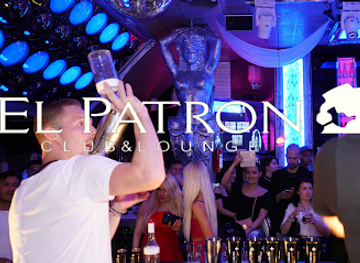
El Patron Club & Lounge
Experience the vibrant nightlife at El Patron Club & Lounge in Helsinki, where energetic music and a stylish atmosphere await you.
10 min walk · 0.8 km from neighbourhood centre
-
Night club
Butchers Helsinki
Butchers Helsinki: Where Nightlife Comes Alive with Exquisite Cocktails and Unforgettable Beats in the Heart of the City.
3 min walk · 0.2 km from neighbourhood centre
-
Night club
Milliklubi Bar & Disco
Discover the pulse of Helsinki's nightlife at Milliklubi Bar & Disco, where music, dancing, and great company await.
11 min walk · 0.9 km from neighbourhood centre
-
Karaoke bar
Karaoke Nightclub Swengi
Experience the vibrant nightlife at Karaoke Nightclub Swengi, where music, dance, and camaraderie create unforgettable memories in Helsinki.
3 min walk · 0.2 km from neighbourhood centre

Best shops in Punavuori
Shopping in Punavuori is closely associated with Helsinki’s Design District and is strongest in independent, specialist and design-oriented retail rather than large department stores. The streets around Uudenmaankatu, Iso Roobertinkatu and Fredrikinkatu include Finnish design, jewellery, interiors, fashion, vintage clothing, books, records and small galleries, with businesses often occupying compact premises in older apartment blocks. Hietalahti adds a market dimension through its hall and surrounding market area, where food and seasonal trading create a different experience from the design streets. The neighbourhood is a useful place to look for Finnish glass, ceramics, textiles and contemporary objects, but individual stock and opening arrangements vary. Visitors should also allow time to browse the smaller side streets, where the relationship between independent shops, studios and established residential businesses is more apparent than on Helsinki’s main commercial avenues.
-
Clothing store
Garageland
Discover Garageland in Helsinki - a stylish clothing and shoe store showcasing unique fashion and local designs for every traveler.
1 min walk · 0.1 km from neighbourhood centre
-
Clothing store
Morticia
Discover unique fashion pieces at Morticia in Helsinki, where modernity meets vintage charm in an inviting shopping atmosphere.
2 min walk · 0.1 km from neighbourhood centre
-
Store
COMMON
Explore COMMON in Helsinki for a unique shopping experience with local treasures and stylish finds that reflect Finnish culture.
2 min walk · 0.1 km from neighbourhood centre
-
Clothing store
AINO Shop
Dive into Helsinki's fashion scene at AINO Shop, where trendy clothing meets local design in a chic boutique atmosphere.
3 min walk · 0.2 km from neighbourhood centre


Punavuori essentials
Getting There
Getting Around
Safety
Emergency Situations
Do's and Don'ts
Local Tips

From Eve
Local phrases worth knowing
You don't need to get them perfect. A few words go a long way, and locals appreciate the effort.
Basics
| English | Local | Say it |
|---|---|---|
| Hello | Hei | [hay] |
| Goodbye | Näkemiin | [nakemiin] |
| Yes | Kyllä | [kuh-lah] |
| No | Ei | [ay] |
| Please/You're welcome | Ole hyvä | [oh-leh hew-vah] |
| Thank you | Kiitos | [kee-tohs] |
| Excuse me/Sorry | Anteeksi | [ahn-tehk-see] |
| How are you? | Mitä kuuluu? | [mee-tah koo-loo] |
| Fine. And you? | Hyvää. Entä sinä? | [hoovah. ehn-tah see-nah] |
| Do you speak English? | Puhutko englantia? | [poo-hoot-koh ehng-lahn-tee-ah] |
| I don't understand | En ymmärrä | [ehn um-mah-rah] |
Eating & Drinking
| English | Local | Say it |
|---|---|---|
| I'd like to see the menu, please | Haluaisin nähdä ruokalistan, kiitos | [hah-lu-ah-sin nae-hdae ru-o-kah-li-stahn, kee-tohs] |
| I don't eat meat | En syö lihaa | [ehn sue lee-hah] |
| Cheers! | Kippis! | [kep-peess] |
| I would like to pay, please | Haluan maksaa, kiitos | [hah-lu-ahn mahk-sah, kee-tohs] |
Emergencies
| English | Local | Say it |
|---|---|---|
| Help! | Apua! | [ah-poo-ah] |
| Go away! | Mene pois! | [meh-neh poh-ees] |
| Call the Police! | Soita poliisille! | [soy-tah poh-lee-see-leh] |
| Call a doctor! | Soita lääkärille! | [soy-tah lae-kae-rih-leh] |
| I'm lost | Olen eksyksissä | [oh-len ehn-suhk-sihs-sah] |
| I'm ill | Olen sairas | [oh-len sair-ahs] |
Shopping
| English | Local | Say it |
|---|---|---|
| I'd like to buy... | Haluaisin ostaa... | [hah-lu-ah-sin oh-stah] |
| I'm just looking | Katson vain | [kaht-sohn vain] |
| How much is it? | Paljonko se maksaa? | [pahl-yohn-koh seh mahk-sah] |
| That's too expensive | Se on liian kallis | [seh ohn lee-ahn kah-lees] |
| Can you lower the price? | Voitko laskea hintaa? | [voyt-koh lah-say-ah hin-tah-ah] |
Time & Numbers
| English | Local | Say it |
|---|---|---|
| What time is it? | Paljonko kello on? | [pahl-yohn-koh keh-loh ohn] |
| It's one o'clock | Kello on yksi | [keh-loh ohn uu-ksih] |
| Half past (10) | Puoli (kymmenen) | [poo-oh-lih (kuum-meh-nen)] |
| Morning | Aamu | [ah-moo] |
| Afternoon | Iltapäivä | [eel-tah-pah-ee-vah] |
| Evening | Ilta | [eel-tah] |
| Yesterday | Eilen | [ay-lehn] |
| Today | Tänään | [tah-nah-ahn] |
| Tomorrow | Huomenna | [hoo-mehn-nah] |
| 1 | Yksi | [uu-ksih] |
| 2 | Kaksi | [kahk-sih] |
| 3 | Kolme | [kohl-meh] |
| 4 | Neljä | [nehl-yah] |
| 5 | Viisi | [vee-see] |
| 6 | Kuusi | [koo-see] |
| 7 | Seitsemän | [sayt-seh-mahn] |
| 8 | Kahdeksan | [kah-dehk-sahn] |
| 9 | Yhdeksän | [uh-dehk-sahn] |
| 10 | Kymmenen | [kuum-meh-nen] |
Transport & Directions
| English | Local | Say it |
|---|---|---|
| Where's a/the...? | Missä on... | [mee-ssah ohn] |
| What's the address? | Mikä on osoite? | [mee-kah ohn oh-soy-teh] |
| Can you show me (on the map)? | Voitko näyttää minulle (kartalla)? | [voyt-koh nae-ty-ah mee-nu-leh (kahr-tahl-lah)] |
| When's the next (bus)? | Milloin seuraava (bussi)? | [mee-loi-seh-rah-vah (boo-see)] |
| A ticket (to ....) | Lippu (....) | [leep-poo] |
History of Punavuori
The Red Hill South of Helsinki
Punavuori developed outside Helsinki’s oldest built-up core on rocky ground south of the city centre. Its Finnish name, meaning “red hill”, reflects the area’s landscape and the red-painted wooden buildings once associated with the district. For much of the early modern period, this was an edge area of the town rather than a dense urban quarter. Helsinki’s expansion during the nineteenth century gradually brought streets, housing and workshops across the southern ridges, linking Punavuori more closely with Bulevardi, the harbour and the growing central city.
Urban Expansion and Merchant Estates
During the nineteenth century, Punavuori became increasingly urban as Helsinki’s population grew and new stone apartment buildings replaced or surrounded earlier wooden structures. The Sinebrychoff family’s brewery and commercial activities were important to the district’s development, and their former residence and collection later became the Sinebrychoff Art Museum. The area’s streets acquired the mixture of homes, workshops, small businesses and public institutions that still distinguishes its finely grained urban character. Hietalahti also strengthened Punavuori’s connection with trade, markets and the waterfront.
A Working and Residential Waterfront Quarter
Industrial and port-related activity shaped the southern edge of Punavuori, particularly around Hietalahti, where market and maritime functions brought goods, workers and customers into contact. The neighbourhood’s apartment blocks housed people connected with commerce, crafts and the expanding city, while its proximity to the harbour gave it a practical rather than purely ceremonial role. Over time, improved streets and tram connections integrated the area more firmly into Helsinki’s central urban network. The surviving market buildings and mixed-use blocks preserve traces of that commercial past.
From Workshops to the Design District
In the later twentieth century and especially from the 1990s onwards, Punavuori’s small premises attracted designers, galleries, independent retailers, restaurants and creative businesses. This change did not erase the residential neighbourhood, but it altered the use of many ground-floor spaces and helped establish Punavuori as a central part of Helsinki’s Design District. Rising interest in design, food and urban culture brought more visitors, while redevelopment and changing property values contributed to a gradual shift in the local commercial and social landscape. Historic apartment streets now accommodate a layered mix of long-established residents, newer enterprises and cultural venues.
Punavuori in Photos
Browse through our photo collection highlighting the charm and character of the destination.
Neighbourhoods near Punavuori
The closest neighbourhoods to Punavuori, if you have time for more than one stop.
-

-

-

-


Swipe for more neighbourhoods
Explore more
Explore more of Helsinki
Helsinki blends Finnish design, seaside islands, Nordic architecture and lively market culture, while Suomenlinna, museums and saunas define Helsinki sightseeing.
Explore Helsinki