
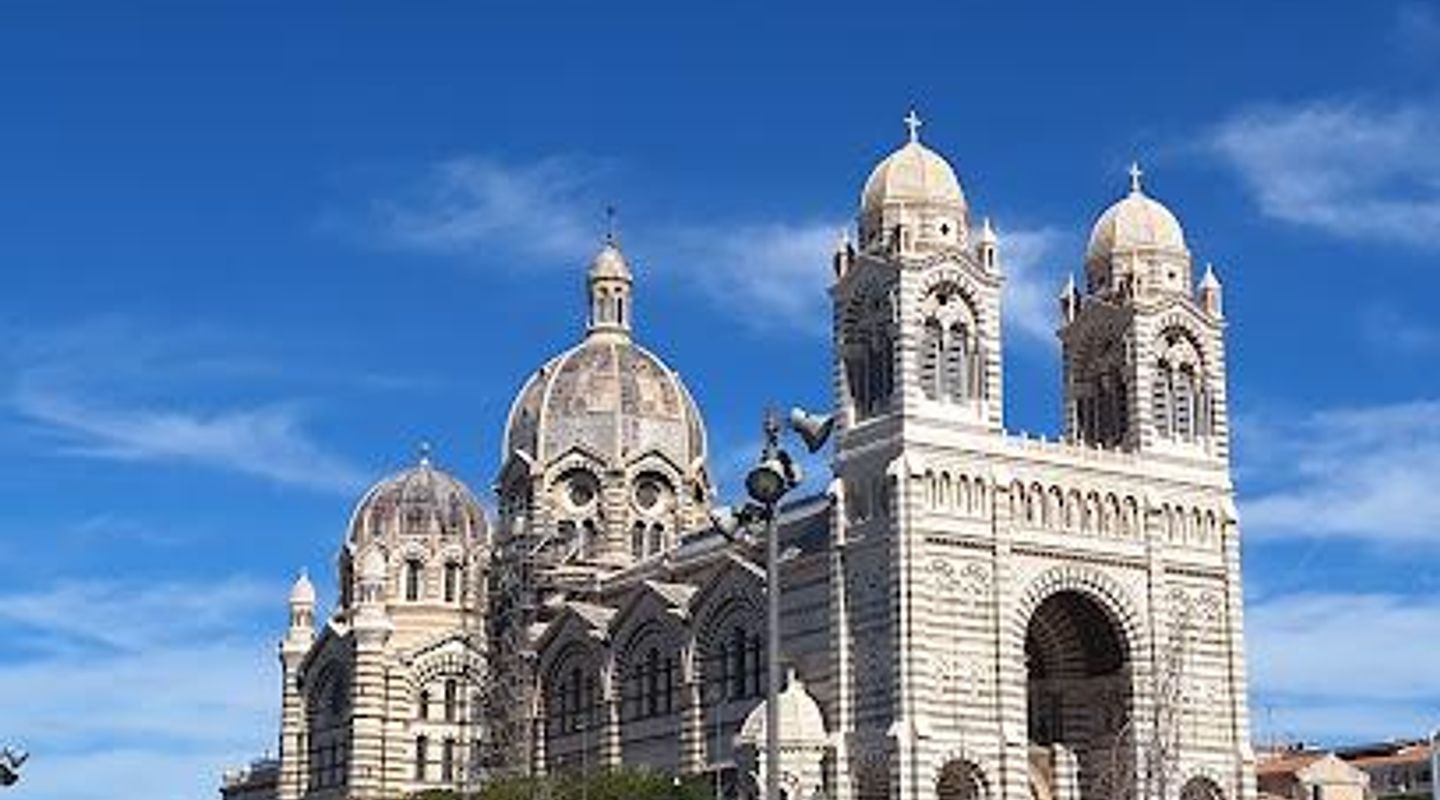
Cathédrale La Major, Provence Travel Guide
Discover Marseille's Cathédrale La Major: A stunning 19th-century cathedral blending Romanesque-Byzantine architecture, rich history, and cultural significance in the heart of the city.
Cathédrale La Major, or Marseille Cathedral, is a stunning architectural landmark that embodies the city's rich history and cultural fusion. Located on the Place de la Major, between the Old Port, Le Panier, and La Joliette districts, this cathedral is not just a religious site but a symbol of Marseille's power and connection to the world. Built in the 19th century, it stands as the only cathedral constructed in France during that era, boasting impressive dimensions rivaling St. Peter's Basilica in Rome. Its Romanesque-Byzantine style, adorned with green and white stones, mosaics, and grand domes, creates a unique and awe-inspiring visual experience. Visitors can explore the main cathedral free of charge, marvel at the intricate interior, and stroll through the historic vaults surrounding the area, making it a must-see destination for anyone visiting Marseille.
A brief summary to Cathédrale La Major
- Pl. de la Major, Marseille, 13002, FR
- Click to display
- Click to display
- Monday 10 am-5:30 pm
- Tuesday 10 am-5:30 pm
- Wednesday 10 am-5:30 pm
- Thursday 10 am-5:30 pm
- Friday 10 am-5:30 pm
- Saturday 10 am-5:30 pm
- Sunday 10 am-5:30 pm

Know before you go
Hi, I'm Eve. Here are a few practical things to know before exploring Cathédrale La Major.
- Visit during the golden hour (just before sunset) for stunning photographic opportunities of the cathedral's exterior and panoramic harbor views.
- Explore the vaults surrounding the cathedral for unique shopping and dining experiences.
- Combine your visit with nearby attractions like the MuCEM, Fort Saint-Jean, and the historic Le Panier district for a full day of exploration.
Do you manage this location?
Take control to get all the benefits, like improved information, better appearance, and stronger visibility across AI-powered discovery. Learn more about listing your business on Evendo
Activate your presenceOther nearby places you may find interesting
The closest places of the same kind, if this one is not quite what you had in mind.

Explore Cathédrale La Major on the Map
A handpicked selection of must-see spots near Cathédrale La Major, mapped for you.
Unlock the Best of Cathédrale La Major
Buy tickets
-
No tickets available
Book tours with entry


Getting There
-
Public Transport
From Marseille city center, the easiest way to reach Cathédrale La Major is by taking the Metro Line 2 to Joliette station. From Joliette, it's approximately a 10-minute walk to the cathedral. Follow the pedestrian signs towards 'La Major'. Alternatively, take Tram lines T2 or T3 to Joliette. Several bus lines (35, 49, 82S, 83) also stop near La Major. Get off at 'La Major' or 'Tourette Cathédrale' bus stops, a short walk from the cathedral. A single metro/tram/bus ticket costs around €1.60.
-
Walking
If you are near the Vieux Port (Old Port), Cathédrale La Major is approximately a 15-20 minute walk. Head north along the waterfront, passing the MuCEM and Fort Saint-Jean. The cathedral will become visible on your left. The walk is mostly flat and offers scenic views of the harbor. No costs involved.
-
Taxi/Ride-Share
A taxi or ride-share from the Vieux Port or city center to Cathédrale La Major will take approximately 5-10 minutes, depending on traffic. The estimated fare is between €10-€15. Be sure to confirm the fare with the driver before starting your journey.
-
Driving
If driving, Cathédrale La Major is accessible via the A55 highway. Use the address 'Place de la Major, 13002 Marseille' in your GPS. Parking is available in the area, including the Parking Vieux-Port / La Major and Parking Joliette. Parking rates typically range from €2-€3 per hour.
Discover more about Cathédrale La Major













Your all‑in‑one travel companion app
Explore expert travel guides, compare and book tours, experiences, hotels, and more—all from the palm of your hand. Download now for seamless trip planning wherever your wanderlust takes you.


Explore More of Provence
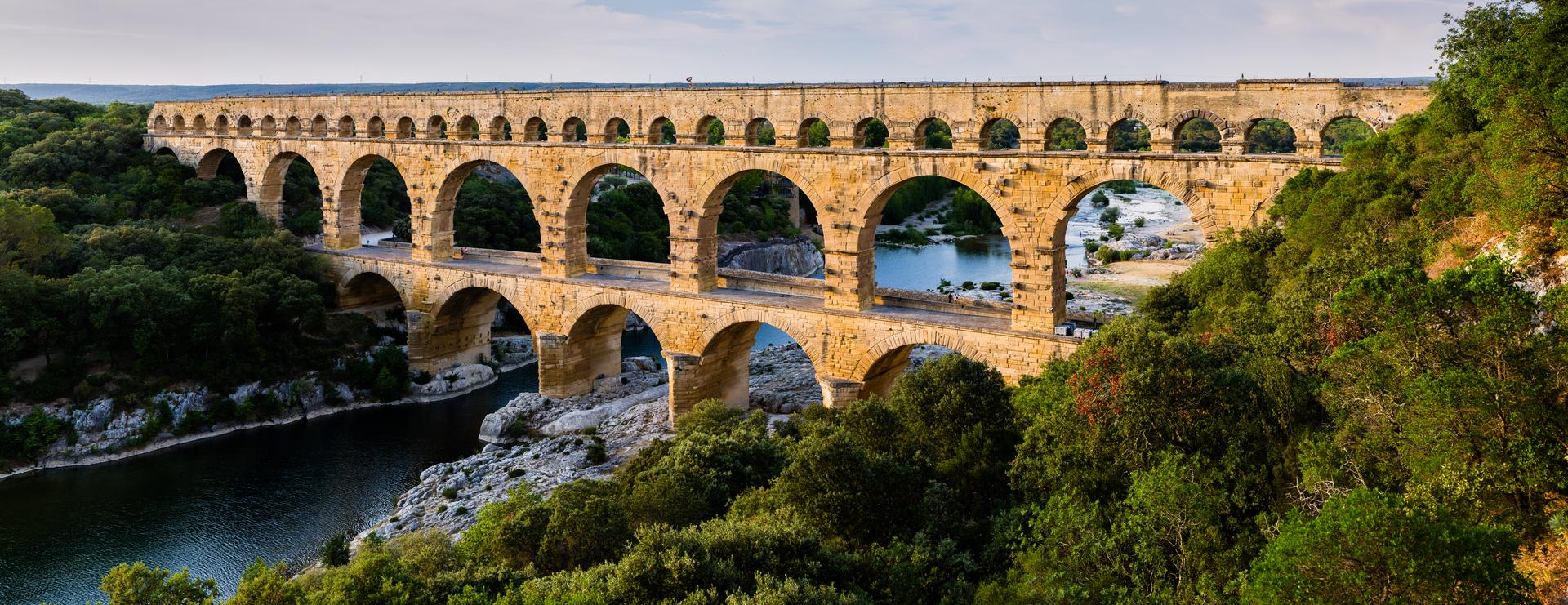
Looking beyond Cathédrale La Major? Discover Provence for broader travel guides, local hot-spots, and regional highlights.
Explore Provence
Stay hydrated and support sustainability in Marseille! Find free fresh water near MuCEM at Esplanade J4 as part of the #GourdeFriendly initiative, reducing plastic waste.
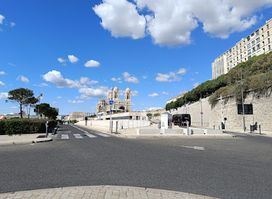
Explore Marseille's maritime art heritage at Musée Regards de Provence, an inspiring art museum showcasing captivating works that celebrate the beauty of Provence.
